Biggest sale yet: 30% off canvas, 25% off framed and posters, 15% off everything else, at checkout through Nov 30.
French, 1848-1894
27 artworks
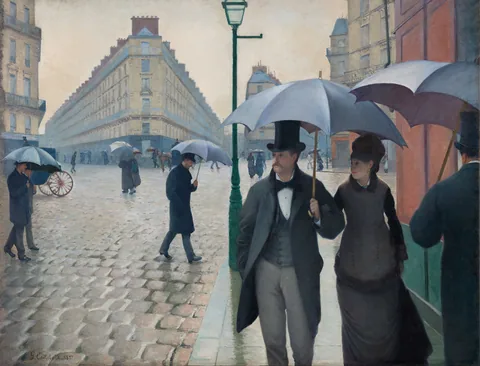
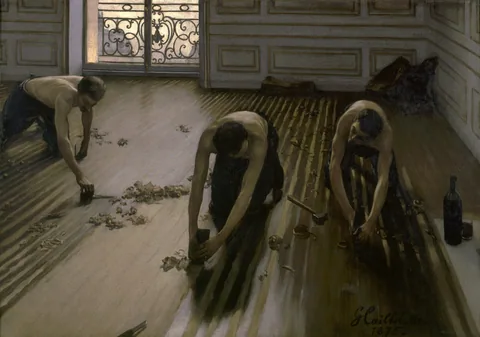
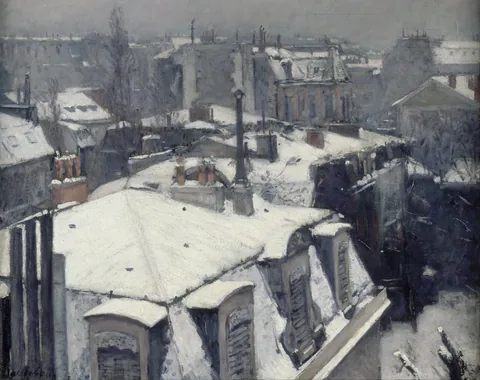
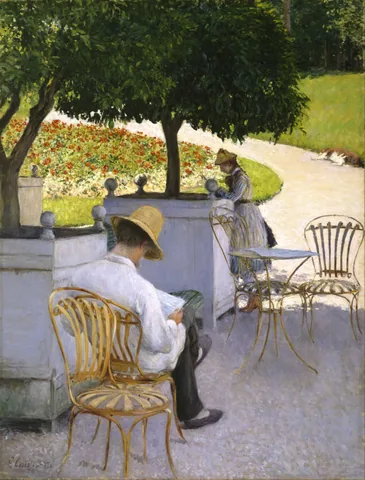
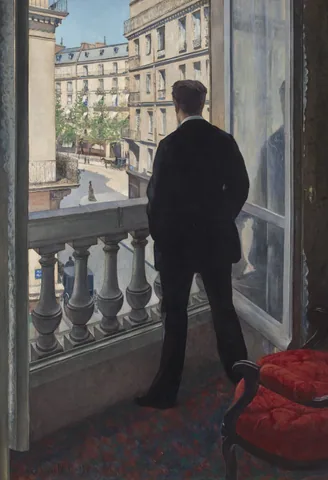
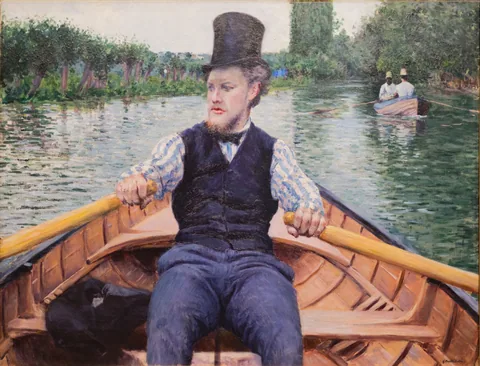
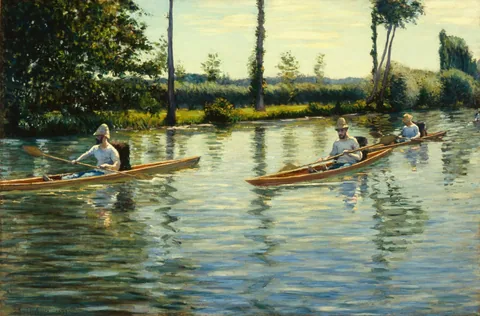
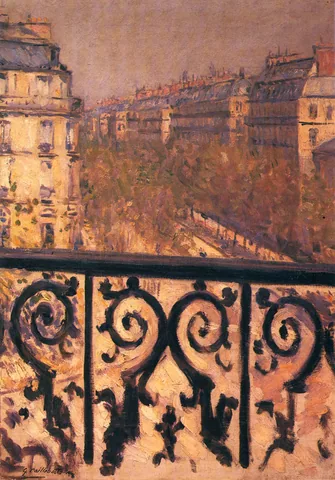
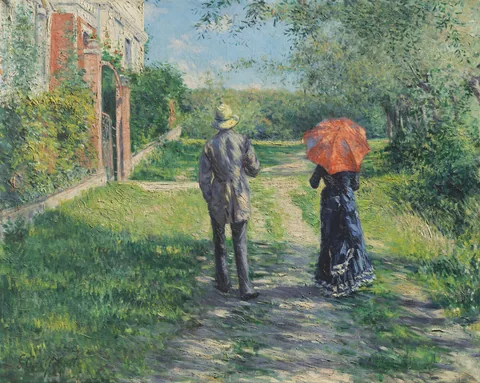
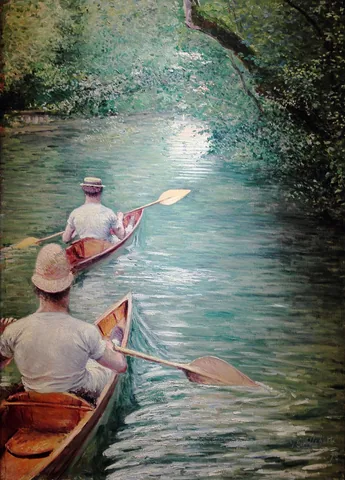
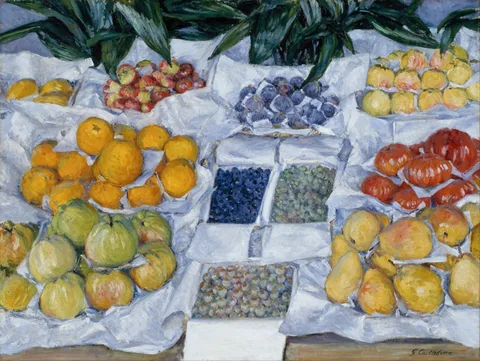
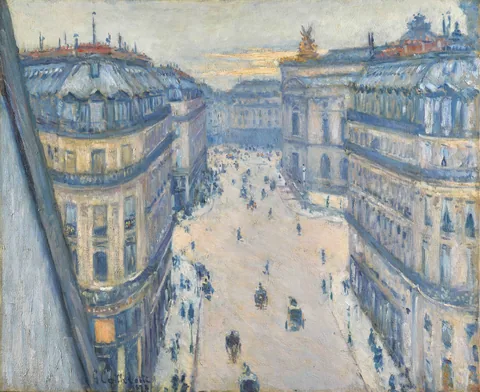
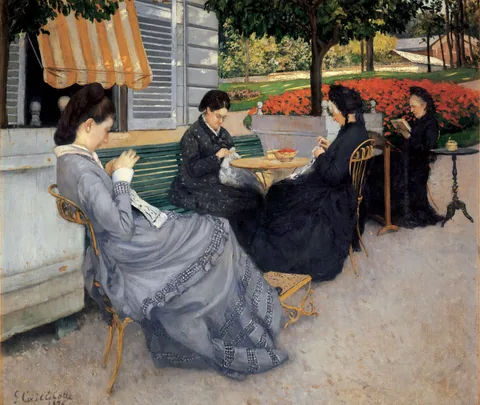
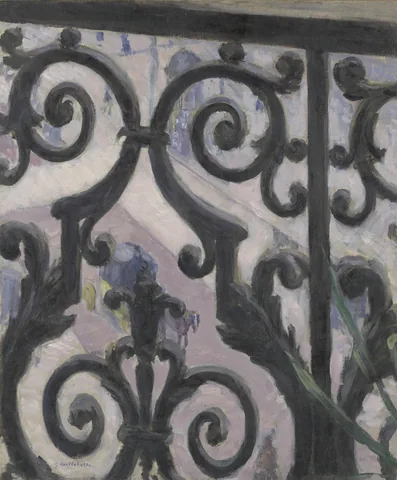
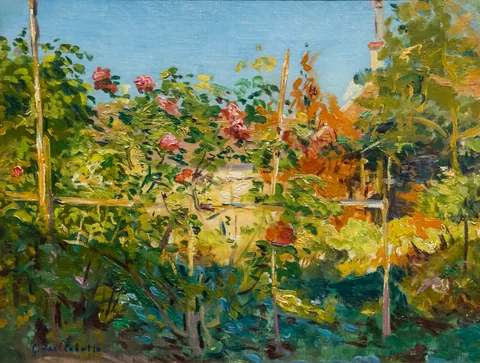
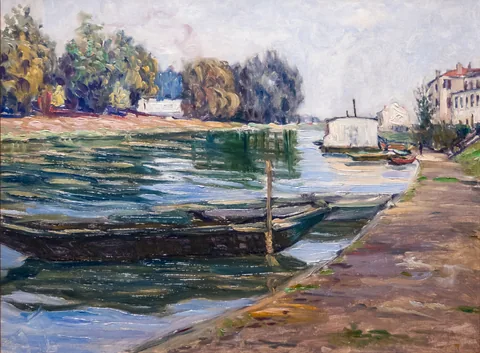
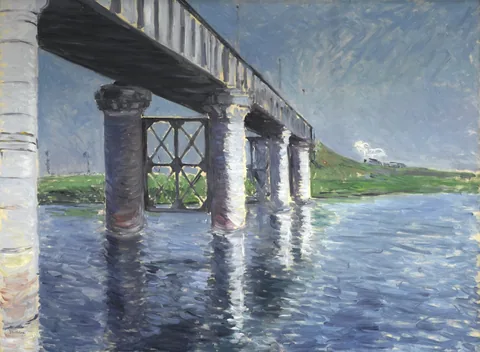
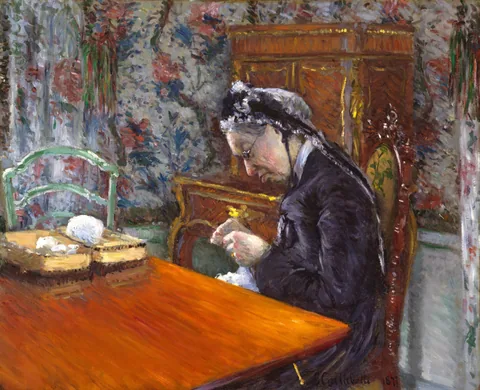
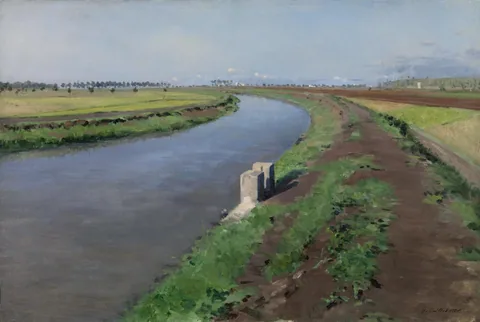
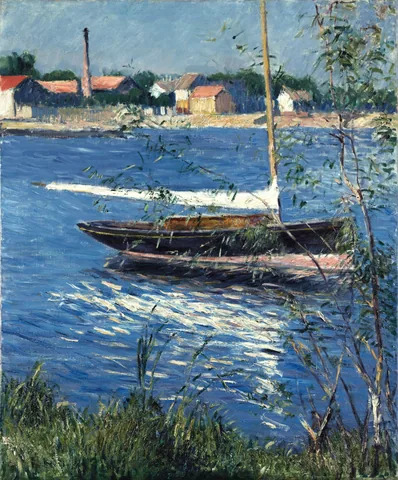
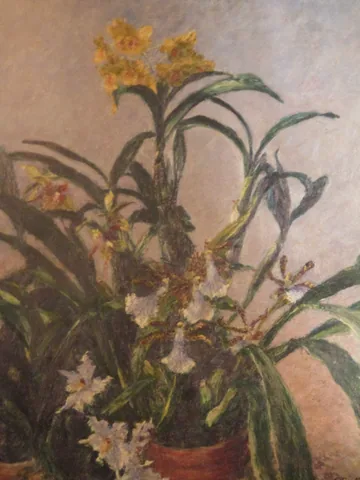
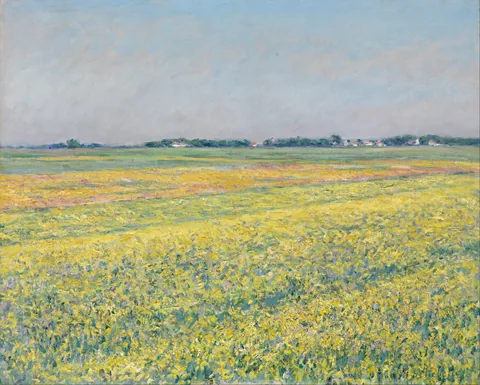
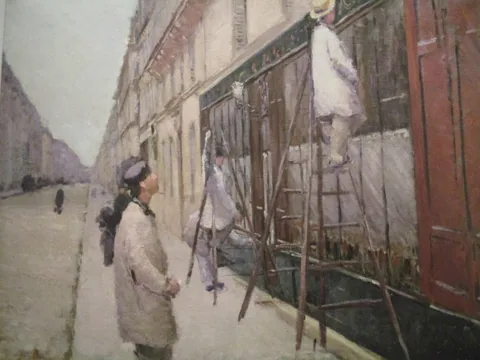
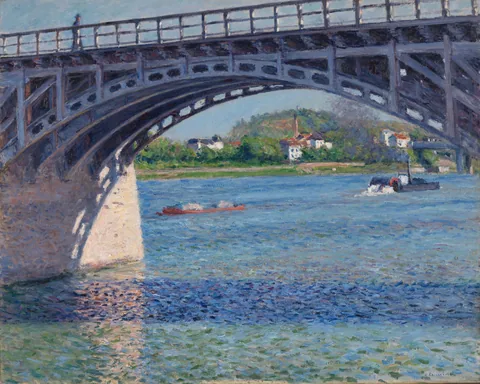
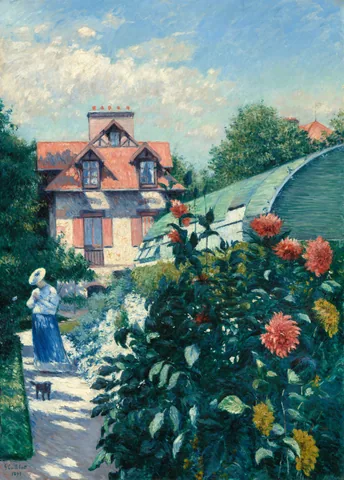
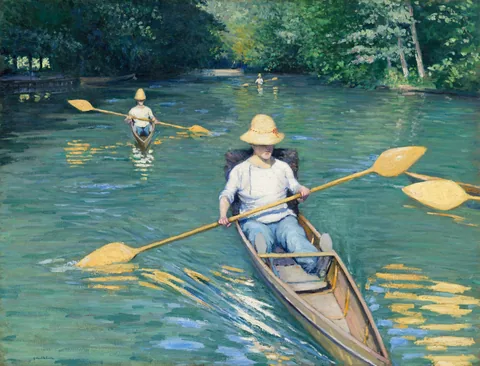
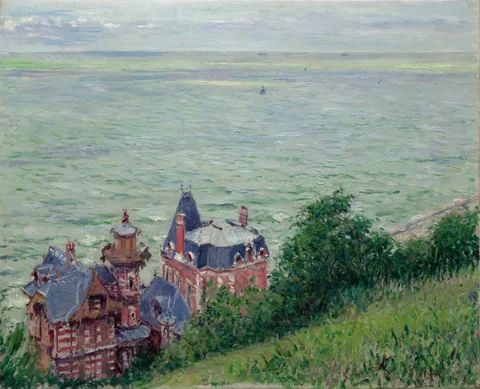
Gustave Caillebotte painted the new Paris of wide boulevards as someone who lived in it: rain-wet paving stones, balconies, a man at a window looking down at the street. His family's wealth made him both an Impressionist painter and one of the group's patrons, buying his friends' work and helping fund their exhibitions. He aimed to paint reality as he saw it, and his steep, tilted perspective sets him apart from them. He left his collection to the French state, which accepted only part of it after a dispute, and those paintings now hang in the Musée d'Orsay. Overshadowed as a painter by his role as a patron, he had no international retrospective until 1994, a century after his death.
Paris Street; Rainy Day, his best-known work, follows people with umbrellas across a wet intersection; the Art Institute of Chicago bought it in 1964. The Floor Scrapers, shirtless men planing a parquet floor, was probably rejected by the Salon of 1875 because critics found the subject vulgar, so he made his debut with it at the Impressionists' exhibition of 1876. In Young Man at His Window his brother René looks down from the family home onto the street. Gray light and crisp lines suit a slim black frame with a white mat.
Sources: Wikipedia: Gustave Caillebotte; Wikipedia: Paris Street; Rainy Day
