Biggest sale yet: 30% off canvas, 25% off framed and posters, 15% off everything else, at checkout through Nov 30.
Village festivals, dancers, myths, Bible stories and everyday life: paintings where people and what they are doing are the subject.
986 artworks · page 1 of 21
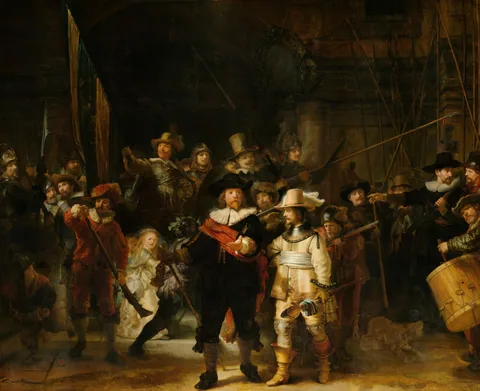
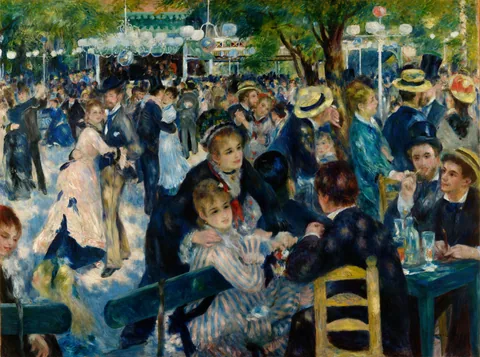
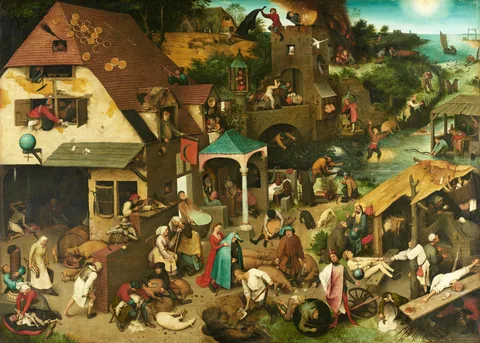
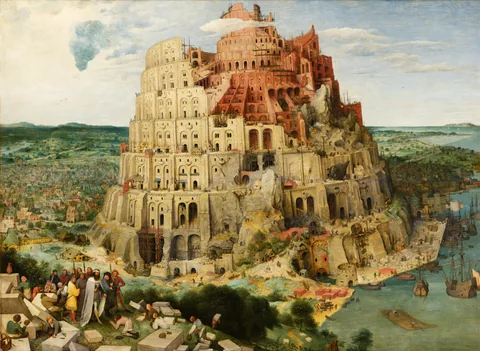
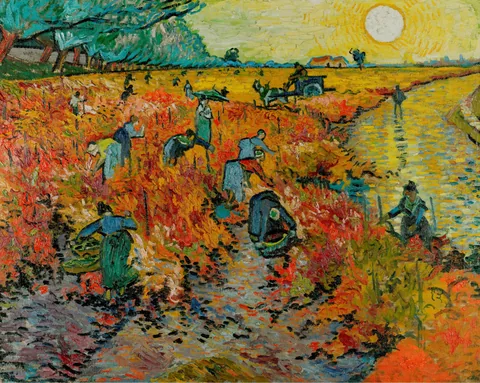
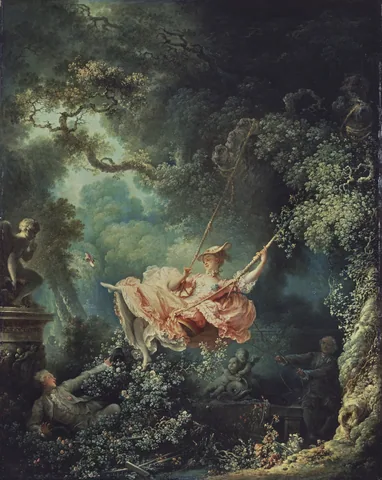
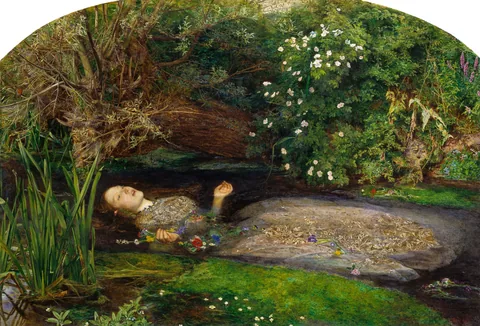
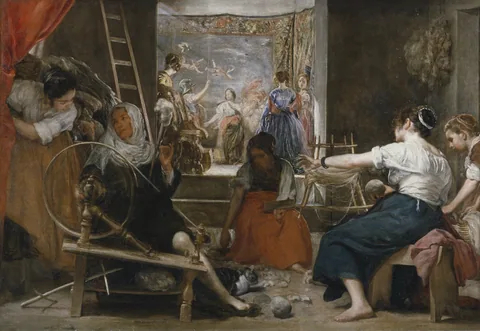
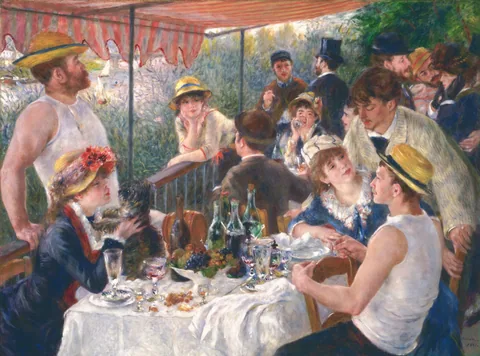
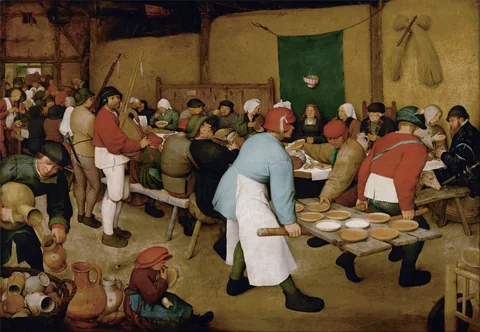
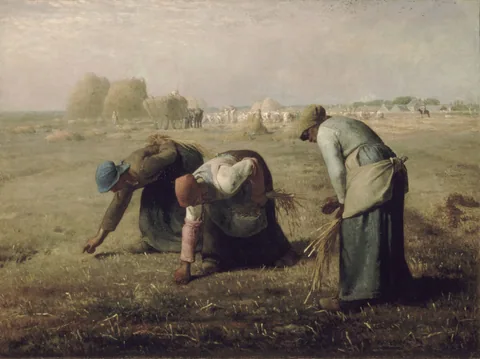
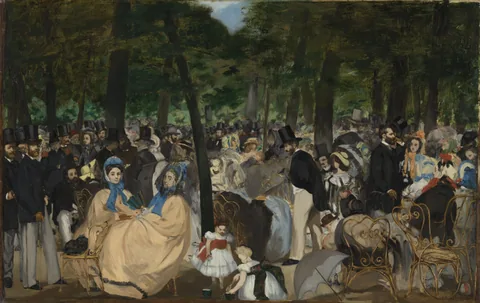
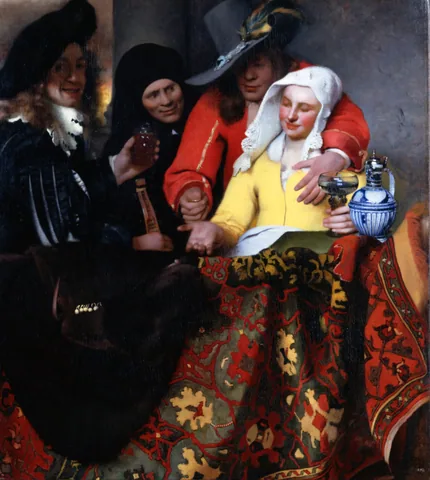
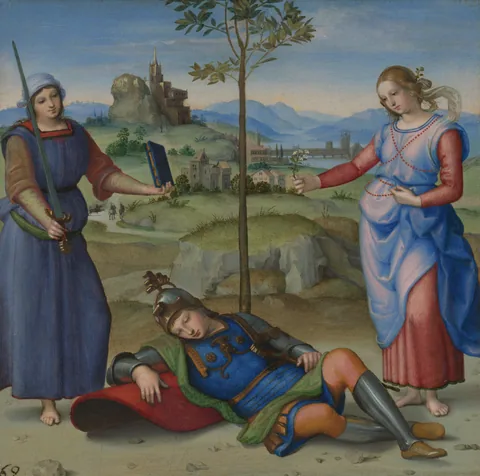
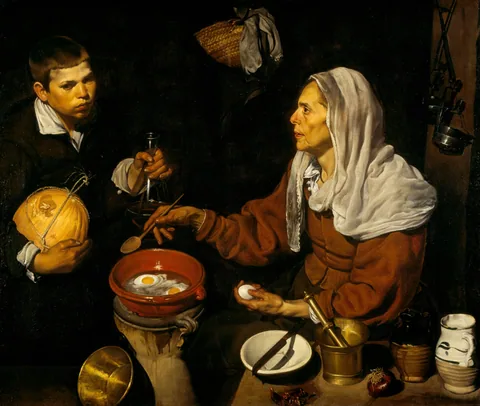
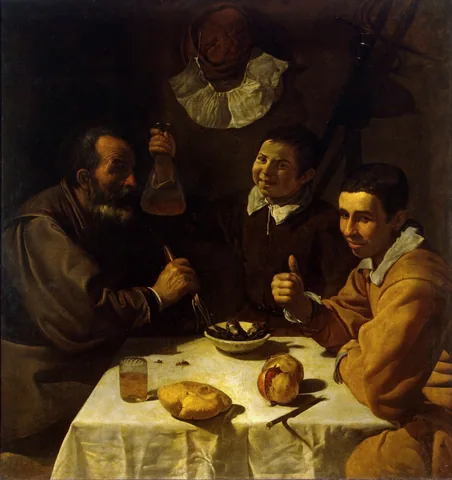
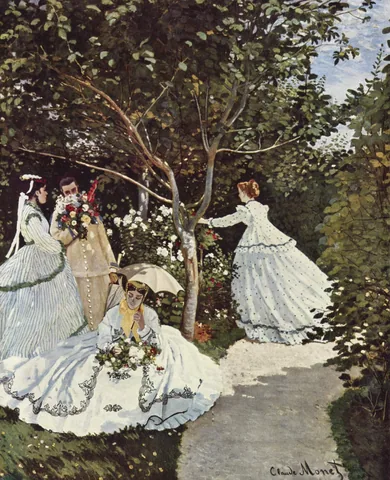
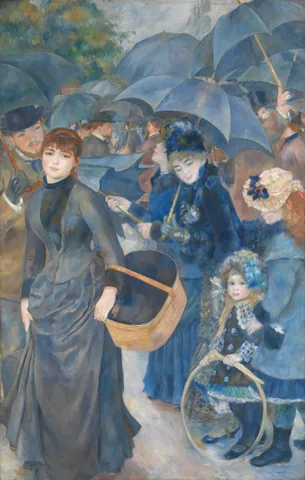
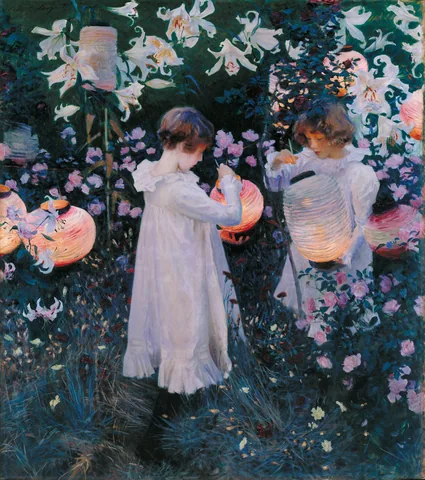
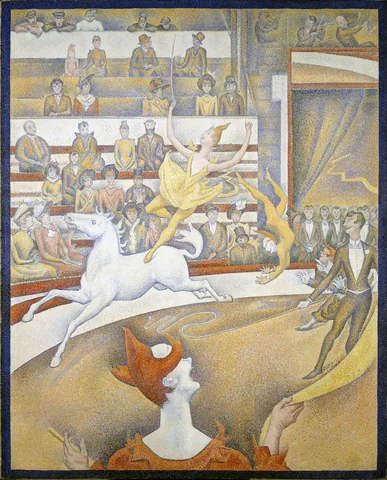
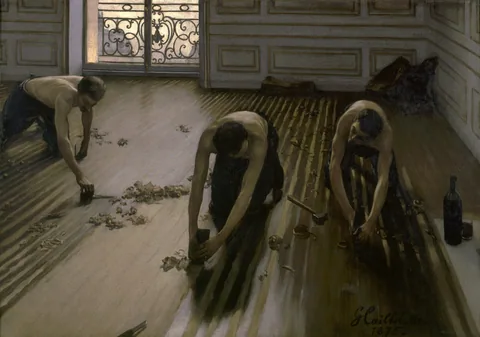
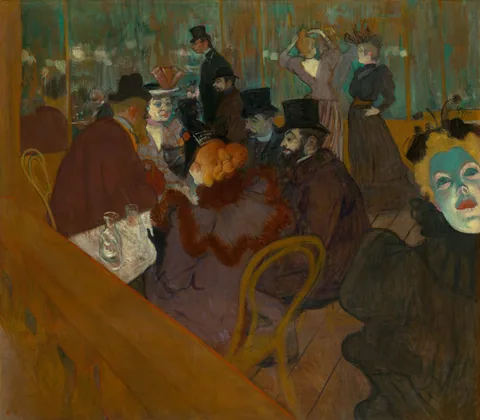
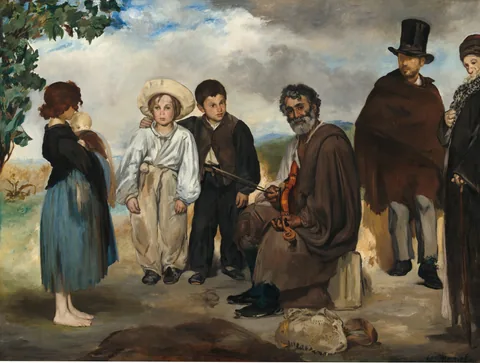
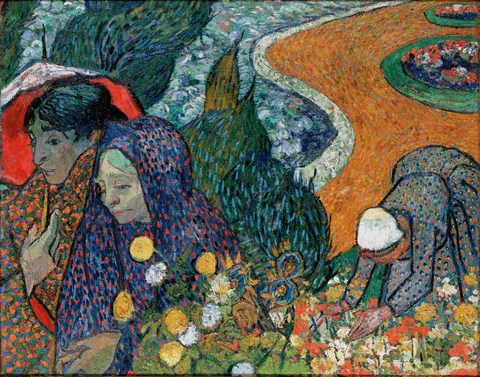
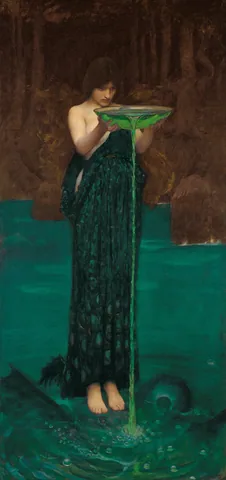
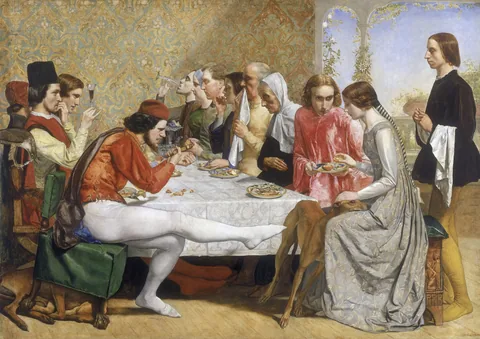
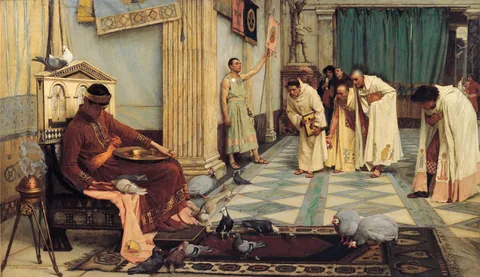
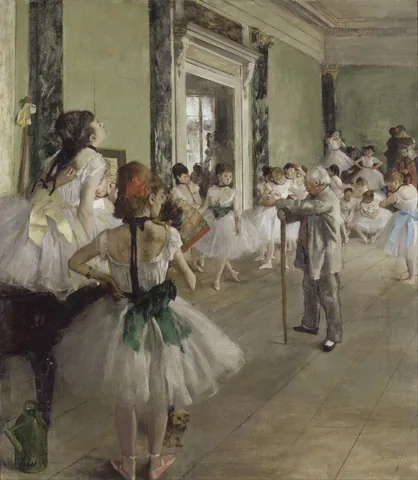
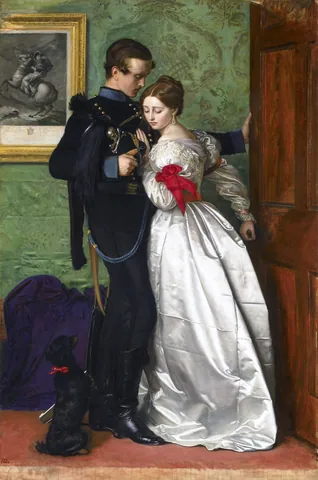
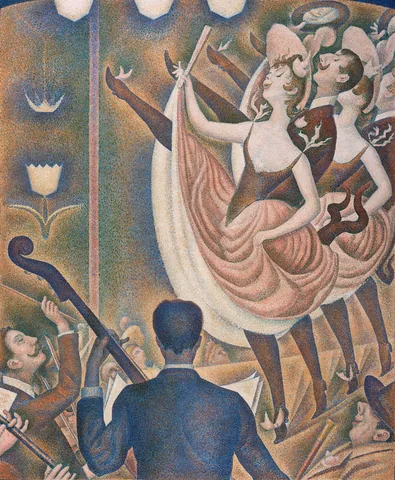
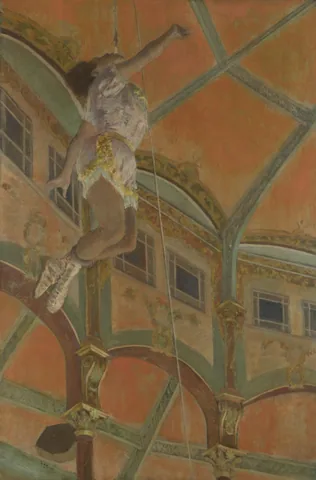
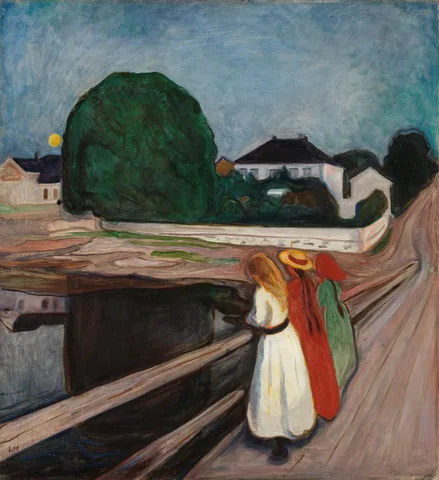
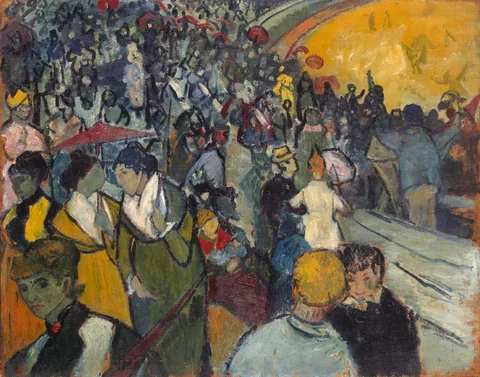
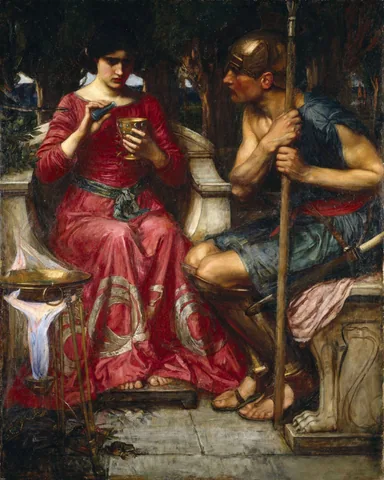
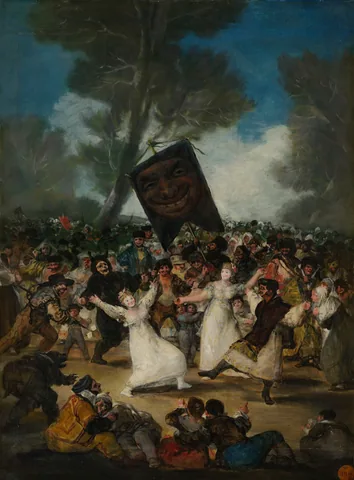
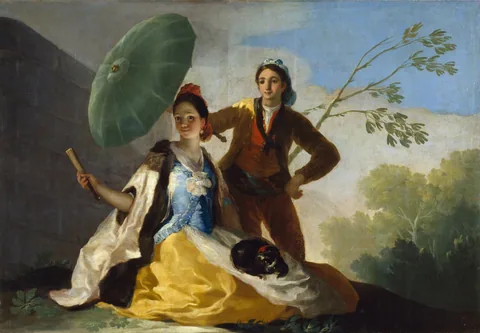
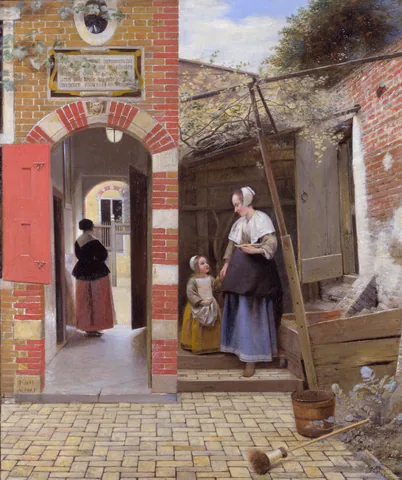
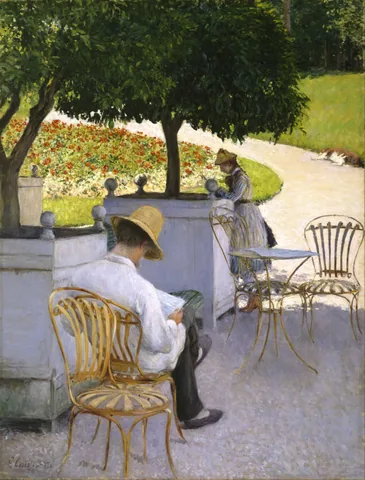
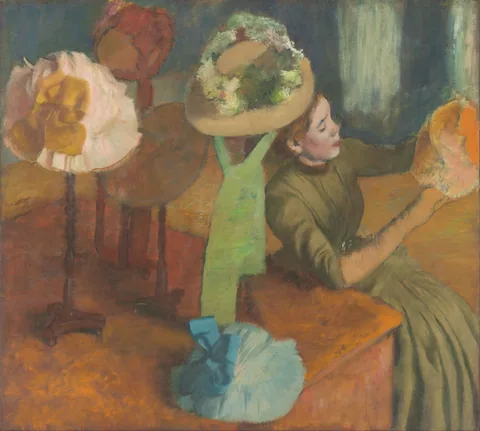
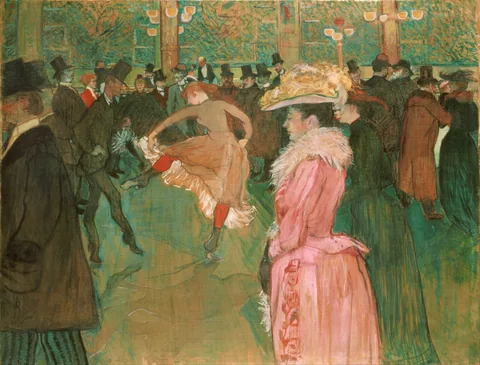
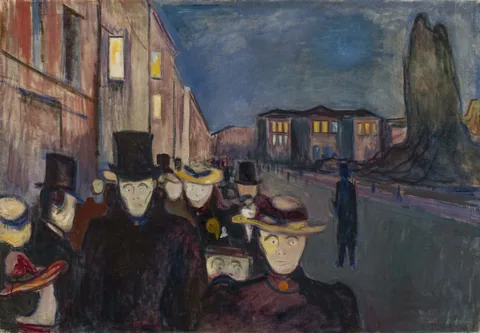
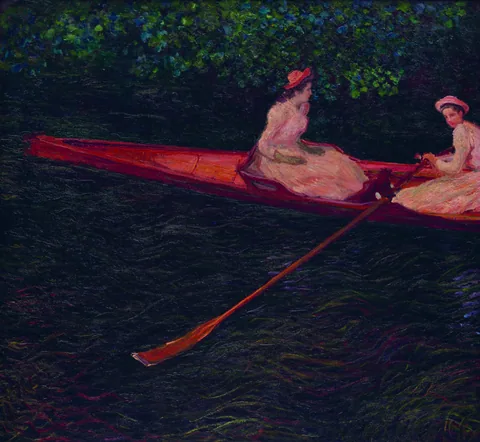
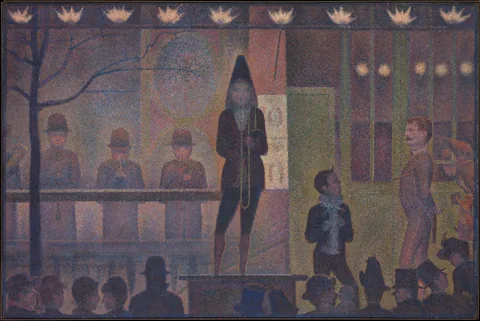
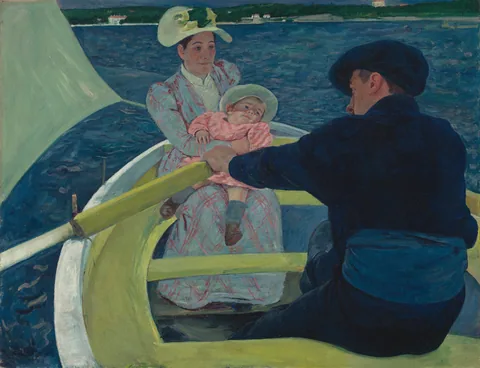
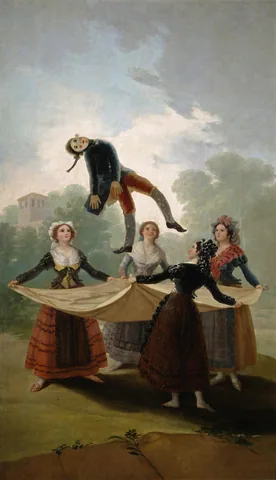
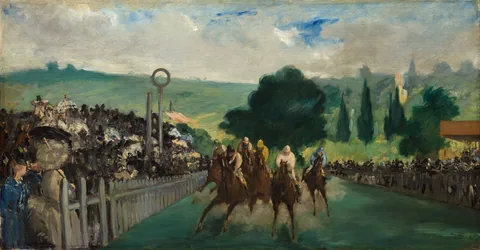
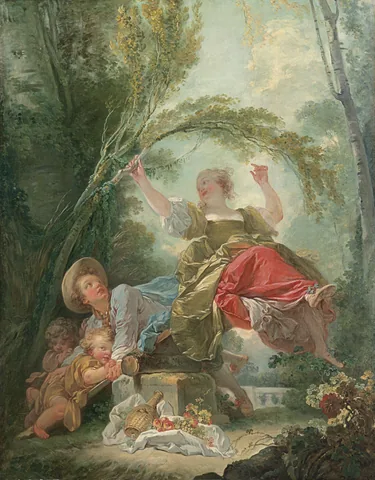
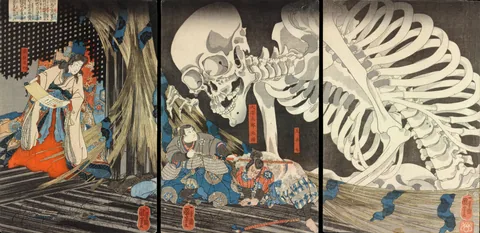
This collection is for pictures where people, and what they are doing, are the subject: a wedding feast, a harvest, a dance class, a myth or a Bible story. Painters used to keep these apart. History painting showed a moment from a story, most often from Greek and Roman myth or the Bible, and was long regarded as the highest form of Western painting; the national academies of the 1700s made it their main business. Genre painting showed ordinary people at ordinary tasks and was counted a minor kind. Here they hang side by side.
Pieter Brueghel the Elder made peasants and their work the subject of many of his paintings. In The Peasant Wedding, painted in the late 1560s and now in the Kunsthistorisches Museum in Vienna, the bride sits quietly in front of a green hanging, a paper crown above her head, while porters carry the food in on a door taken off its hinges. The Dutch and Flemish painters of the next century made whole careers of such scenes, and Pieter de Hooch's courtyards are here with them. In France, Jean-François Millet painted three peasant women picking up the stray stalks left after the wheat harvest in The Gleaners. At the Salon of 1857 the middle and upper classes attacked it, and one critic was reminded of the scaffolds of 1793.
Edgar Degas is especially identified with dance, and more than half of his works show dancers, as in The Ballet Class; though he is counted among the founders of Impressionism, he preferred to be called a realist. The Pre-Raphaelites painted stories from Shakespeare and legend in sharp, bright detail. For Ophelia, John Everett Millais spent five months of 1851 painting the bank of the Hogsmill River in Surrey, then posed Elizabeth Siddall, fully clothed, in a bathtub in his London studio. Winslow Homer has more pictures here than anyone else, from fisher girls at Tynemouth on the English coast to boys rowing a dory, and Utagawa Hiroshige fills his prints with travelers and porters on the road.
A busy scene needs room. Give a feast, a crowd or a dance some size, so the faces still read from across the room, and hang it where people stop: a dining room, a hallway, the wall facing a sofa. A single figure at one task, a woman reading or a man at work, suits a smaller frame and a quieter corner. Harvest, market and kitchen scenes are at home where food is; our guides to art for a kitchen and art for a dining room have ideas.
A picture of ordinary people doing ordinary things: working, eating, dancing, playing cards, reading a letter. The name once set it apart from history painting, the grand genre of myths and Bible stories, as the lesser kind. The Dutch and Flemish painters of the 1600s produced many specialists in it, and their realism often hides a moral or a symbol. In the 1800s Courbet and Millet painted everyday working life at a size once kept for history painting.
Most are in museums. The Peasant Wedding hangs in the Kunsthistorisches Museum in Vienna, The Gleaners in the Musée d'Orsay in Paris, Ophelia at Tate Britain in London and The Night Watch in the Rijksmuseum in Amsterdam. Each listing says which museum or archive our image comes from. We are not connected with any of these museums, and none of them endorses the shop.
Each picture is filed first under what it mainly shows, and some fit two places. A dance in a garden is people first, so it opens here, and it turns up in Landscapes too only when the garden is a bigger part of the picture than the dancers; a portrait of one sitter goes to Portraits instead. Looking for one story? Search for it by name, a saint, a myth or a Bible scene.
Larger than you might think. Bruegel and Renoir filled their canvases with dozens of figures, and the faces need room to read. Over a sofa or a sideboard, aim for about two-thirds of its width; what size art goes over a sofa has the numbers. Each listing offers only the sizes its photograph prints sharply, so the largest it shows is the largest we can make well.
Sources: Wikipedia: Genre painting; Wikipedia: History painting; Wikipedia: The Peasant Wedding; Wikipedia: The Gleaners; Wikipedia: Ophelia (Millais); Wikipedia: Edgar Degas; Wikipedia: The Night Watch
