Biggest sale yet: 30% off canvas, 25% off framed and posters, 15% off everything else, at checkout through Nov 30.
Dutch, c. 1629-1682
101 artworks · page 1 of 3
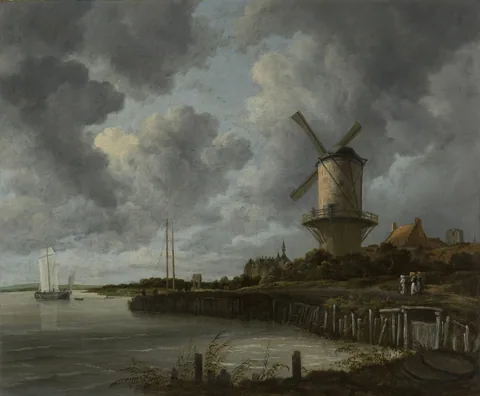
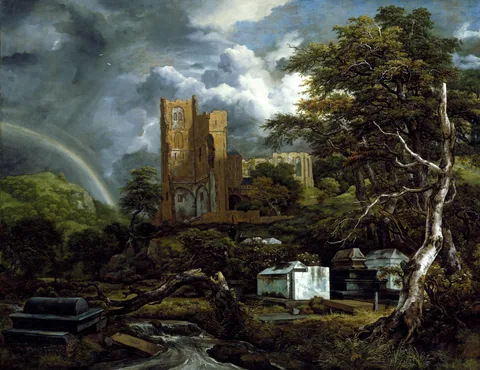
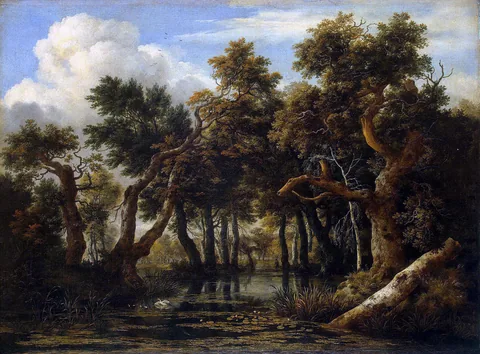
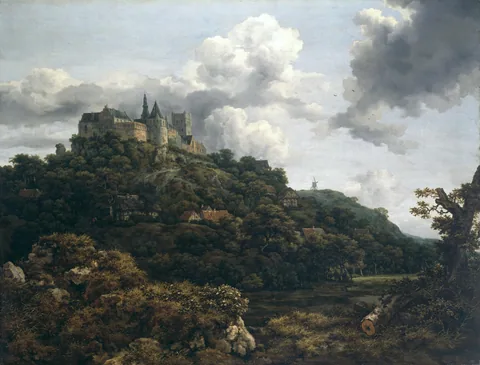
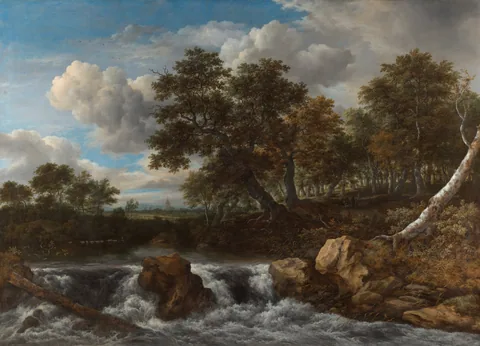
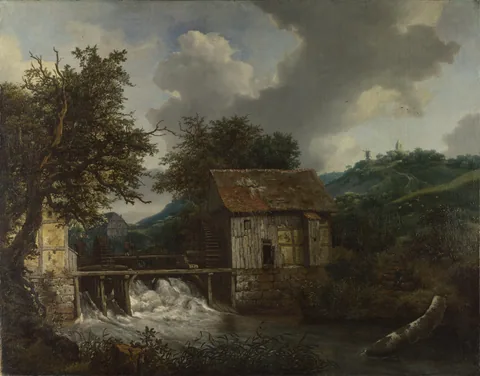
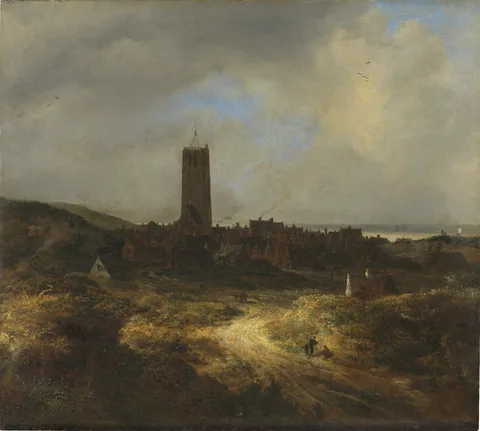
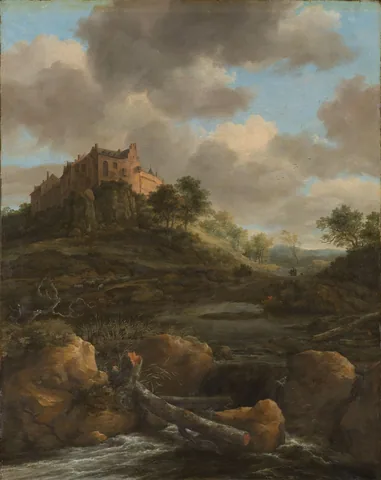
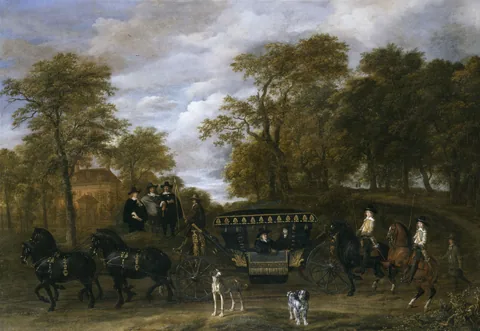
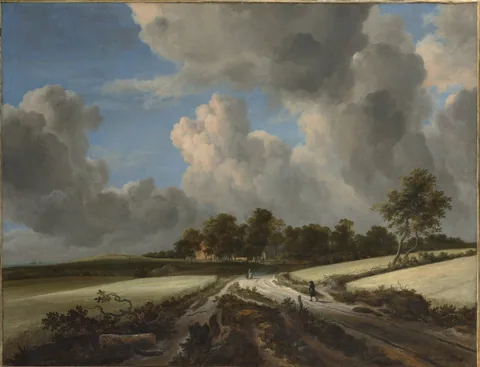
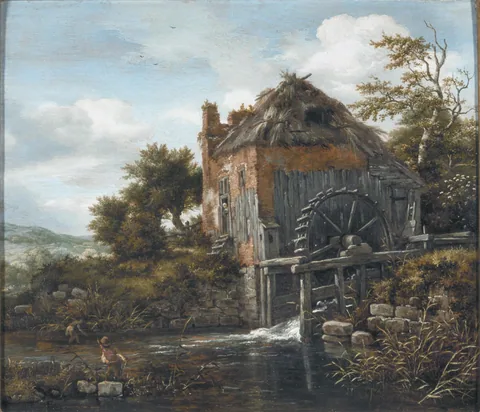
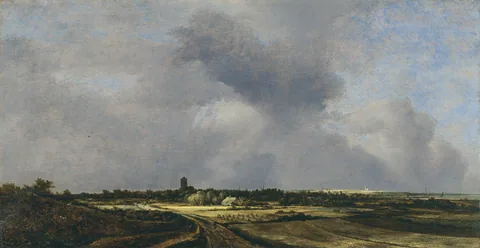
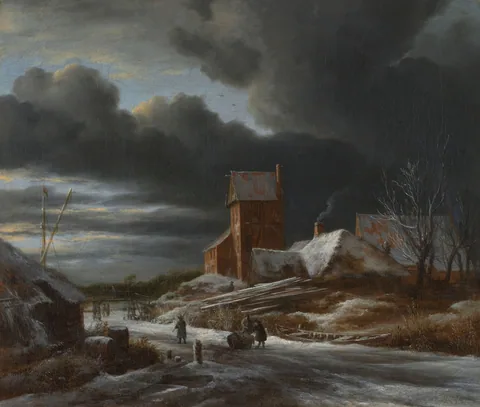
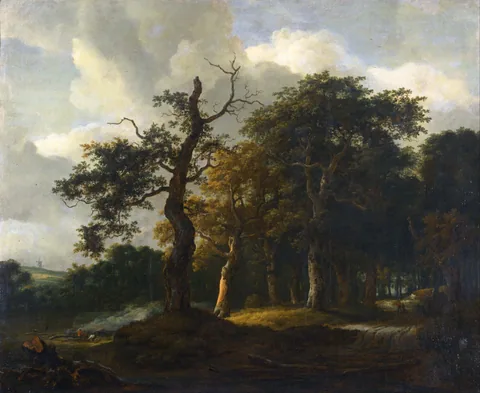
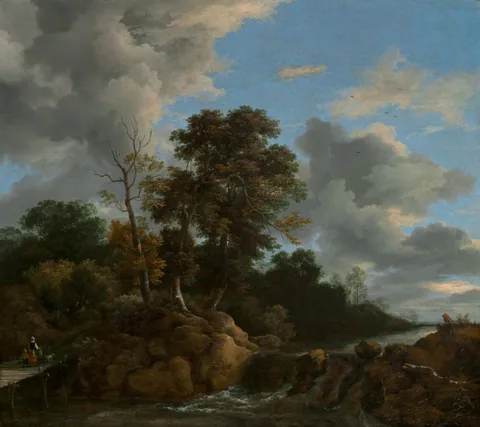
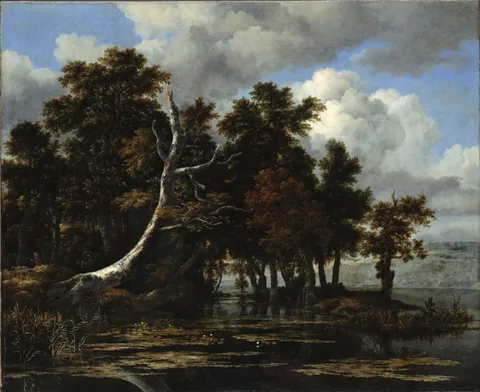
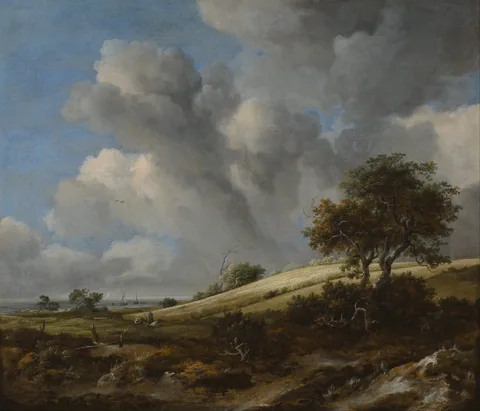
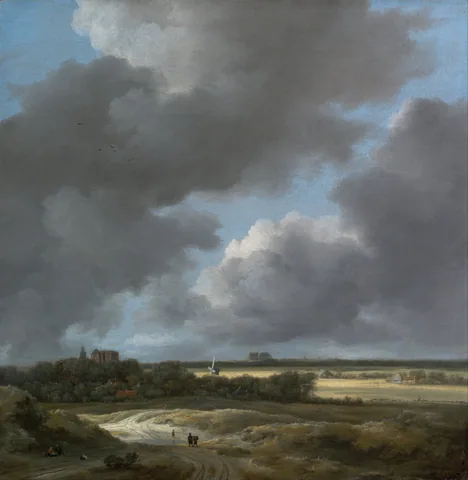
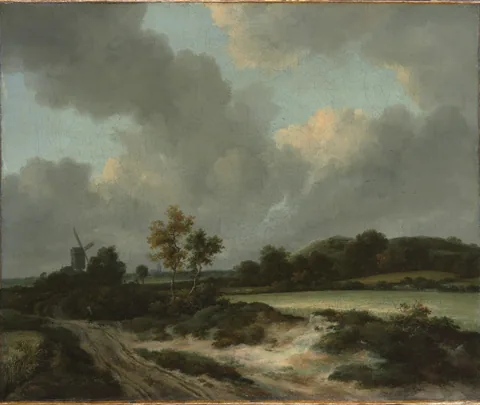
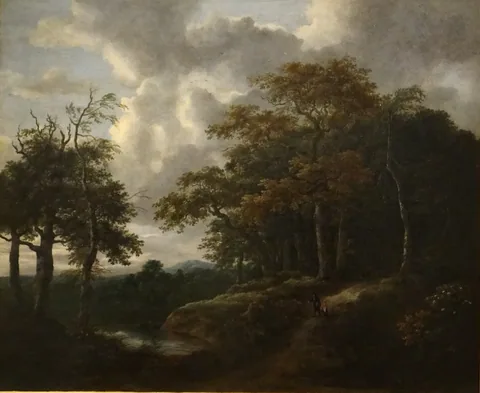
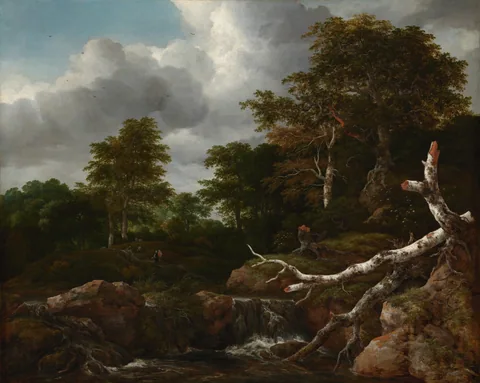
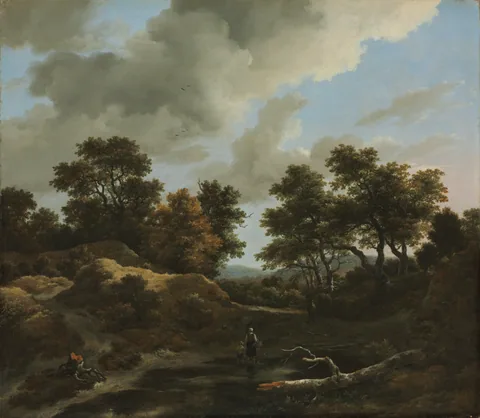
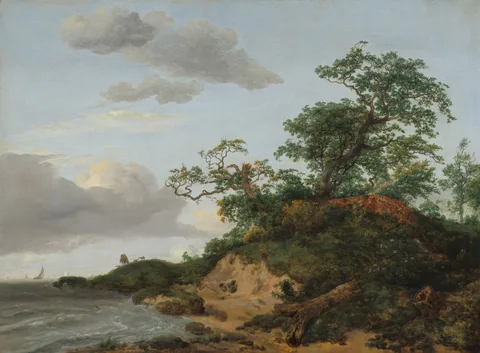
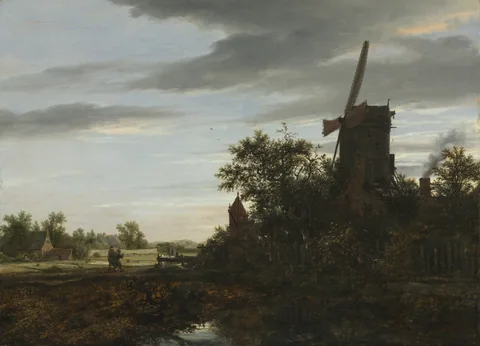
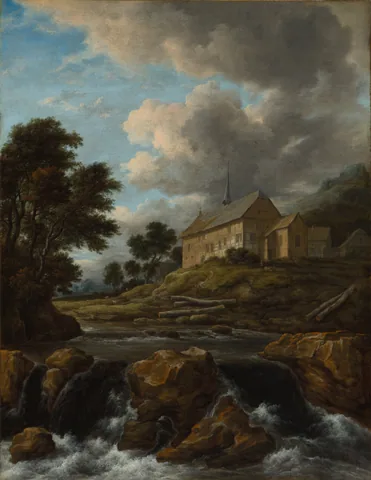
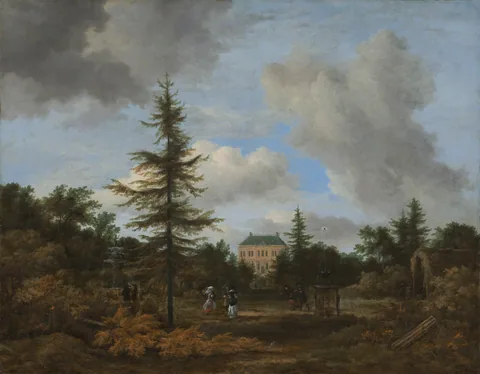
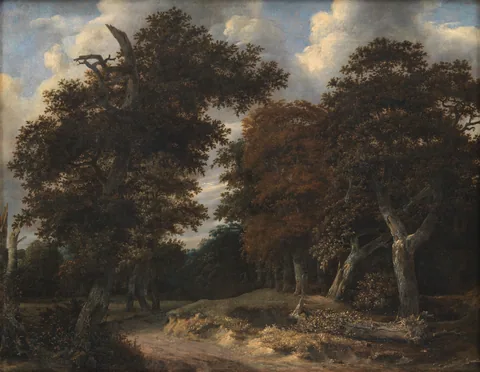
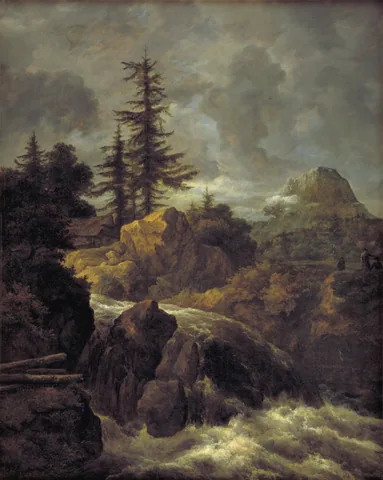
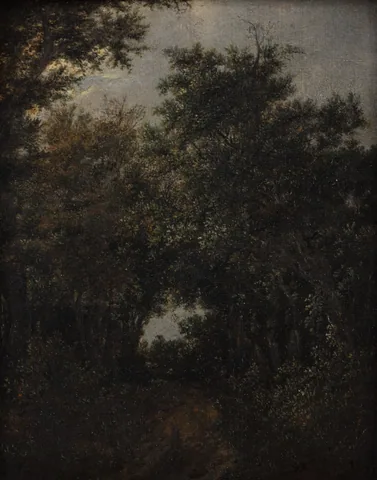
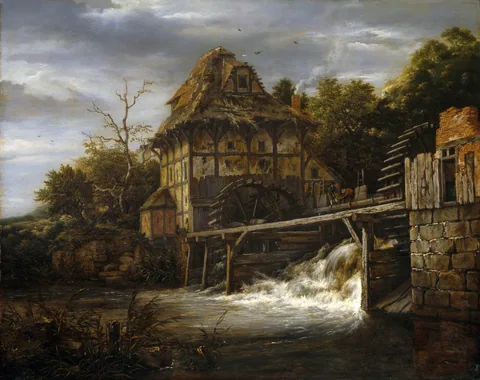
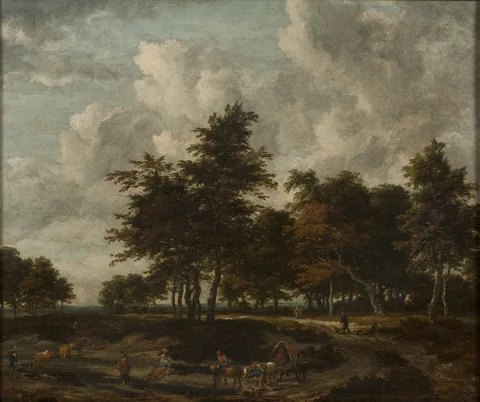
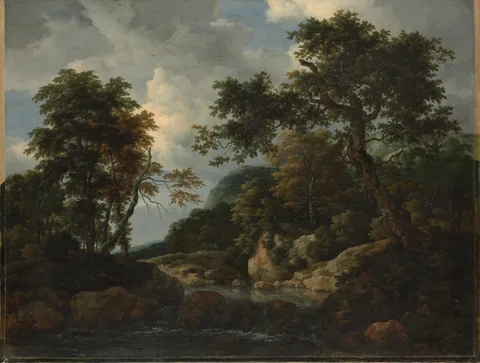
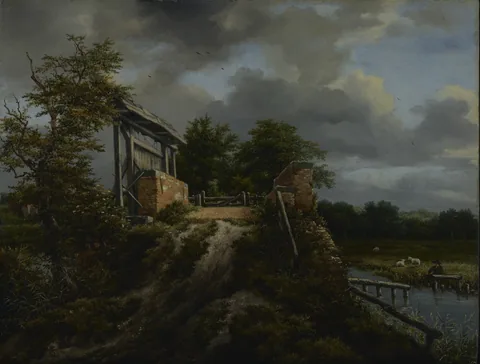
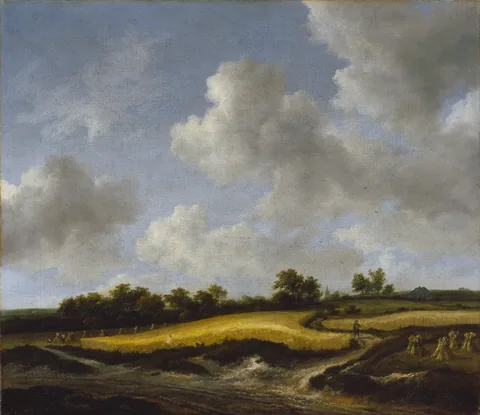
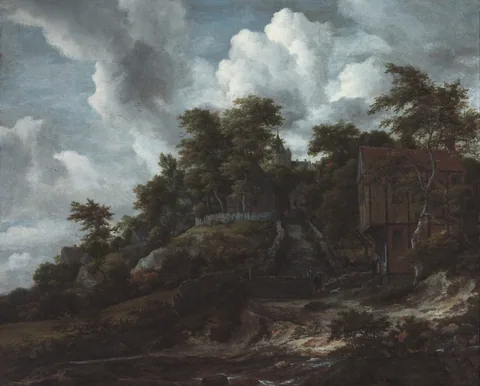
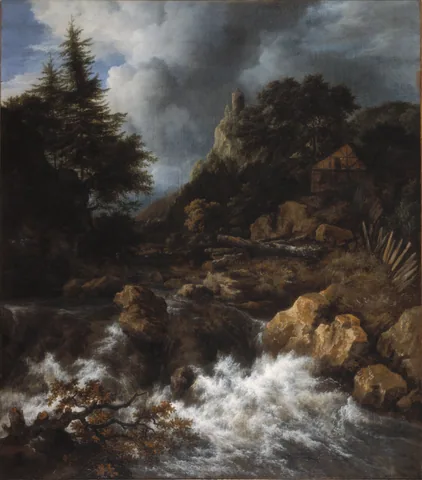
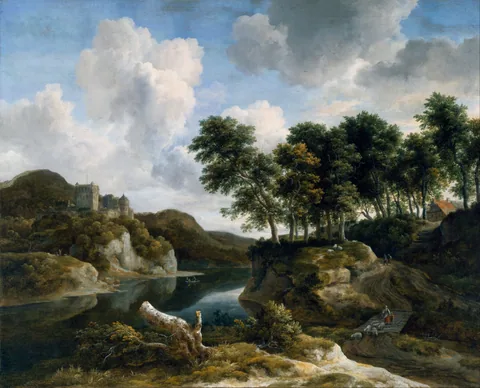
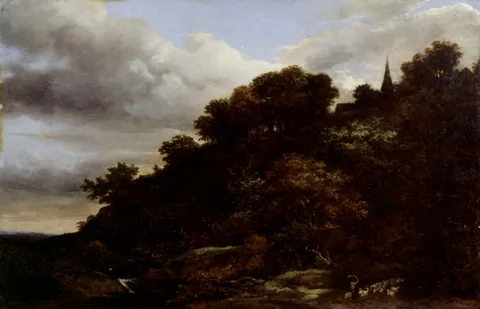
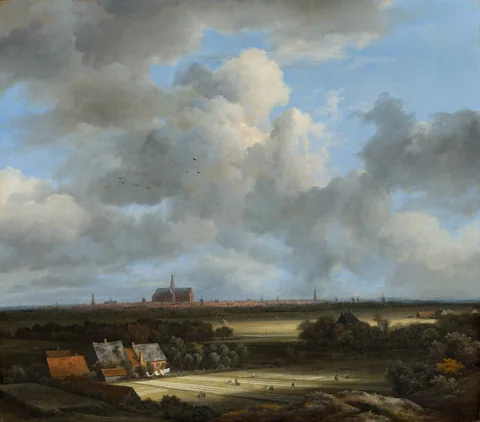
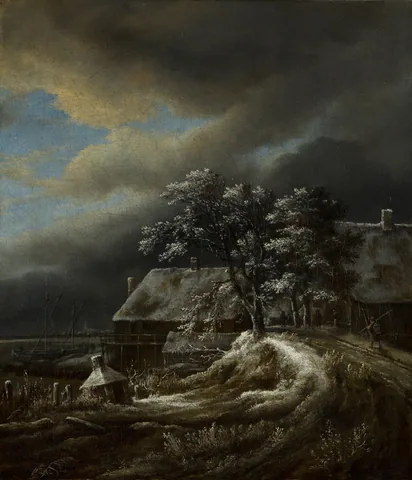
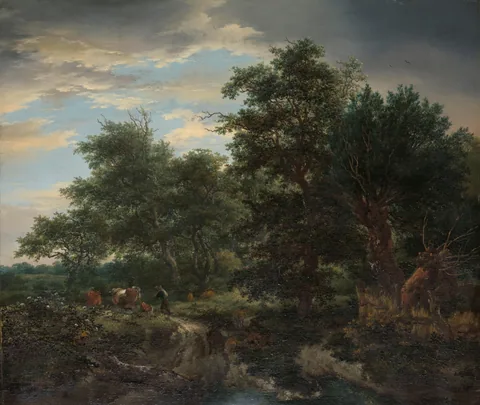
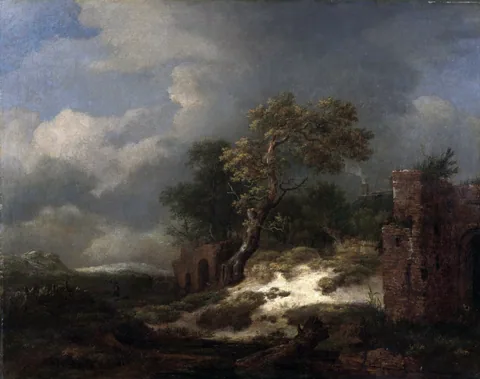
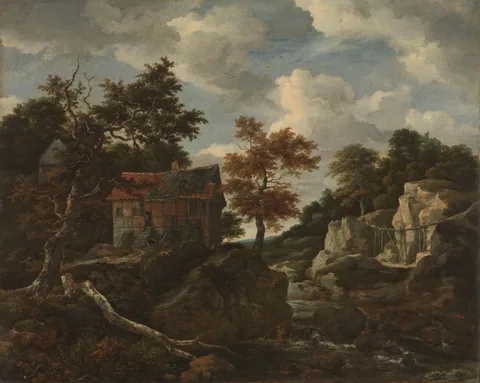
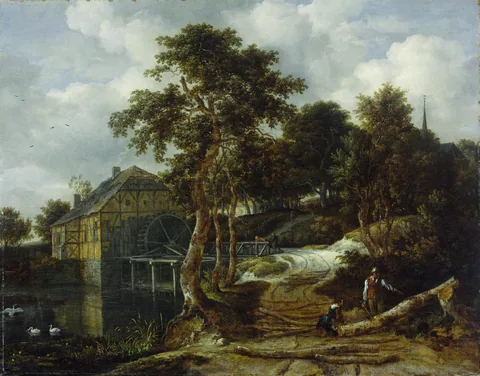
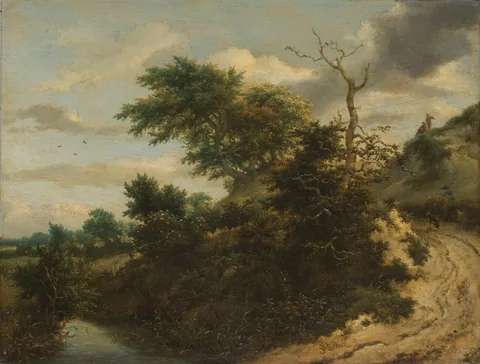
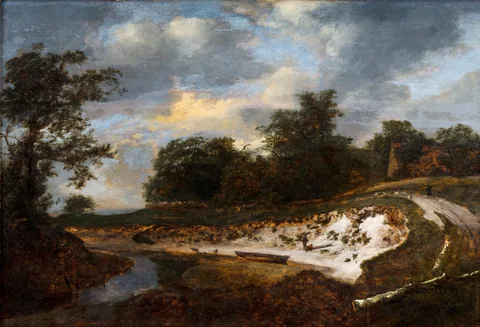
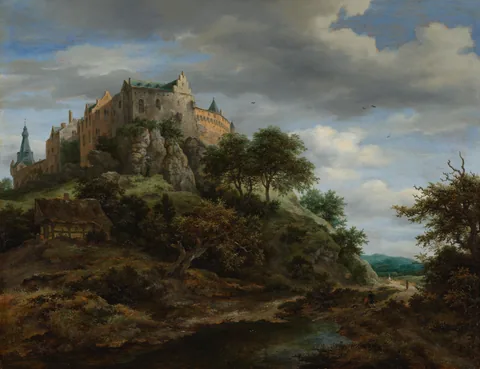
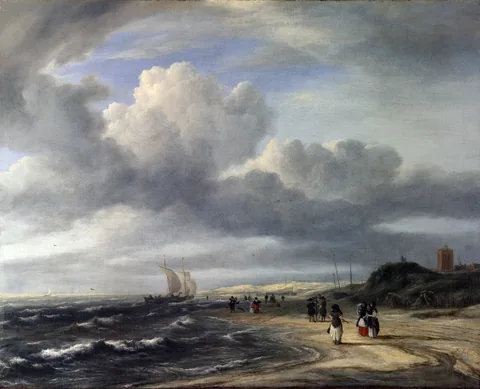
Jacob van Ruisdael came from a family of Haarlem landscape painters; his uncle was Salomon van Ruysdael. He is generally considered the pre-eminent landscape painter of the Dutch Golden Age, and he painted nearly everything the Dutch countryside offered: dunes, woods, rivers, windmills and wheat fields. A trip to Bentheim, just over the German border, in 1650 gave him a hilltop castle he painted again and again, and later he made more than 150 Scandinavian views with rushing waterfalls, a type made popular by Allart van Everdingen. Meindert Hobbema was his only registered pupil, and John Constable admired him from a young age.
Look up first: in his later pictures the sky often fills two-thirds of the canvas. The Windmill at Wijk bij Duurstede, from 1670 and now in the Rijksmuseum, is one of his most famous works, a mill standing tall over a river town under a cloud-filled sky. The Jewish Cemetery, one of two versions he painted in the mid-1650s, is understood as an allegory of how fragile life is, and Castle Bentheim, from 1653, shows that German castle. Big skies suit a wide framed print in black and gold or espresso, or a canvas.
Sources: Wikipedia: Jacob van Ruisdael; Wikipedia: The Jewish Cemetery
