Biggest sale yet: 30% off canvas, 25% off framed and posters, 15% off everything else, at checkout through Nov 30.
American, 1834-1903
51 artworks · page 1 of 2
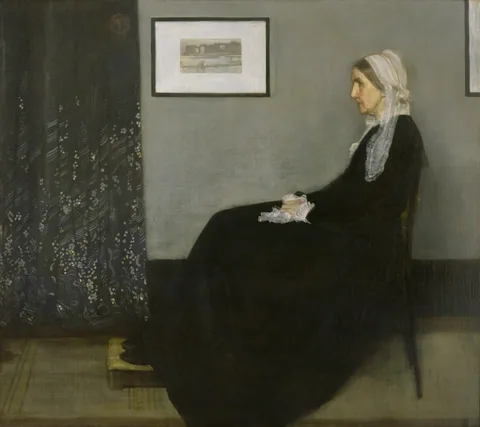
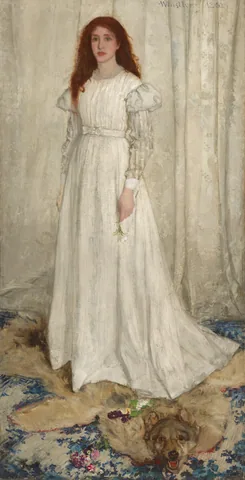
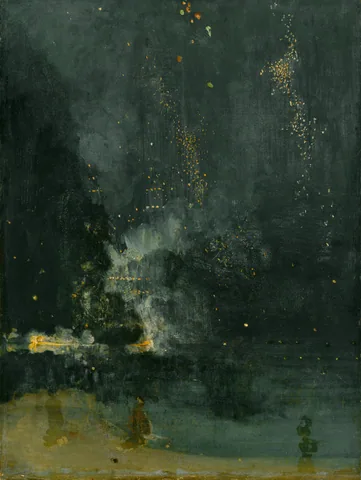
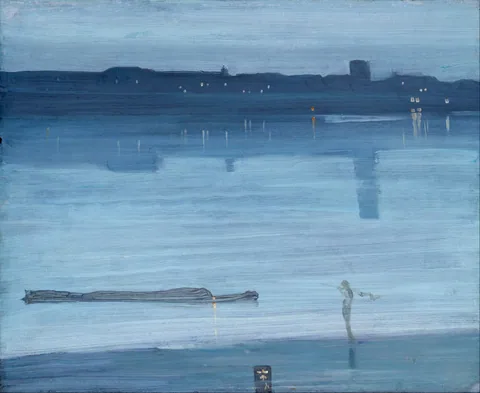
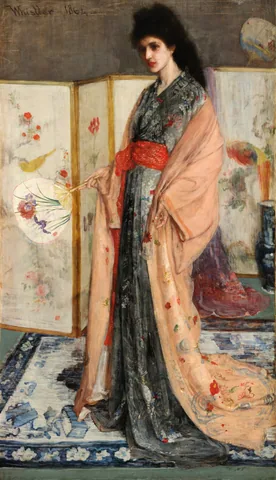
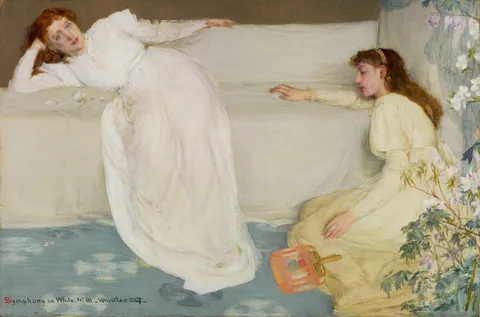
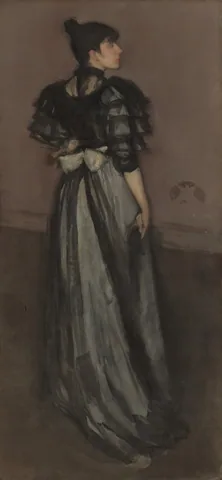
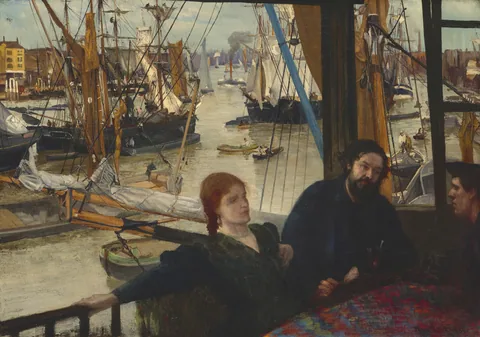
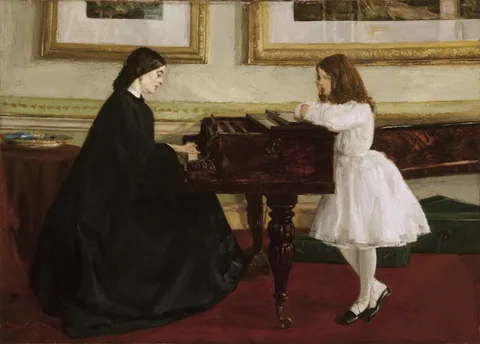
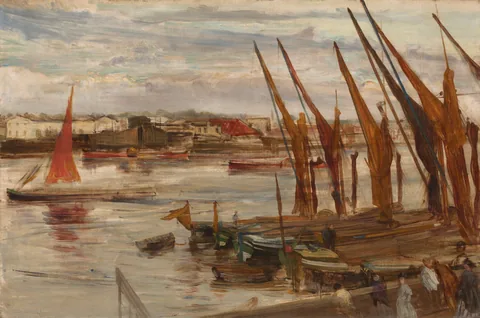
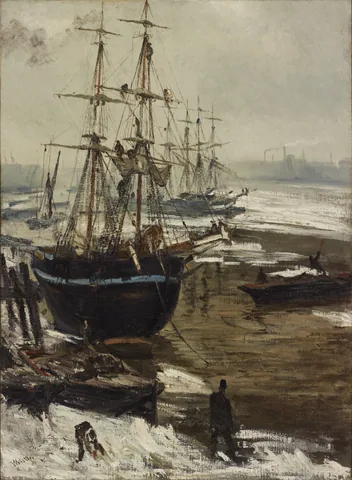
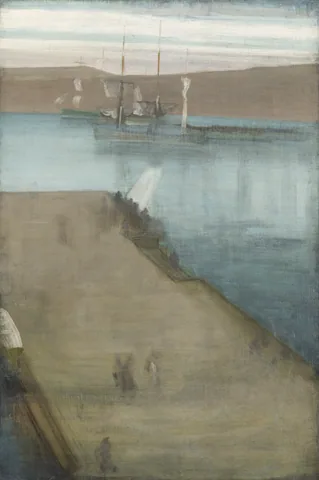
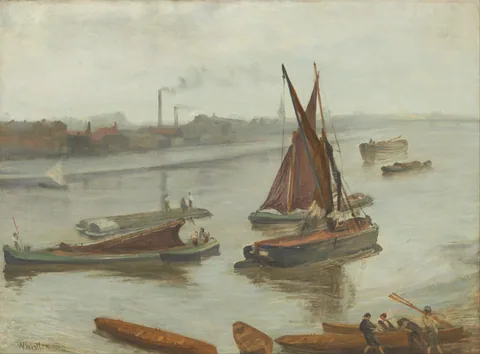
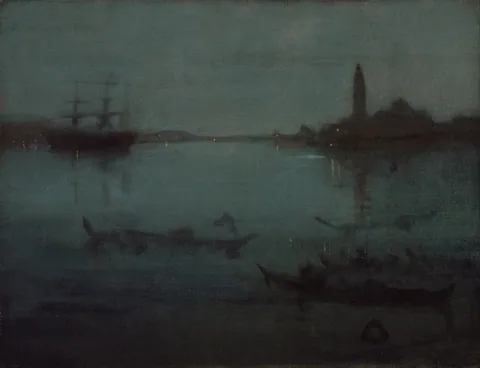
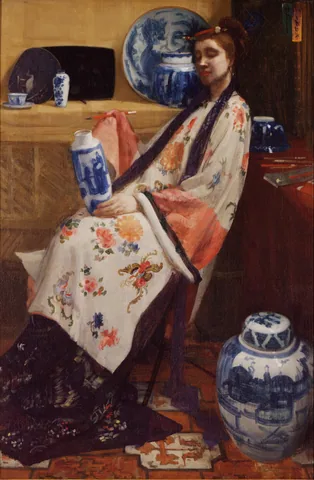
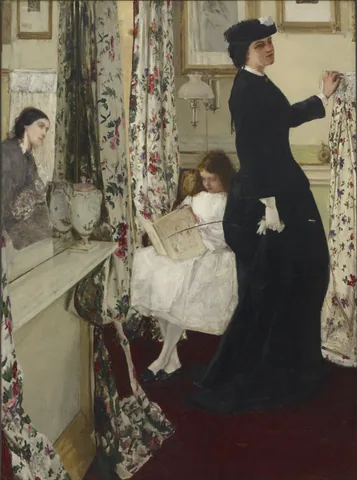
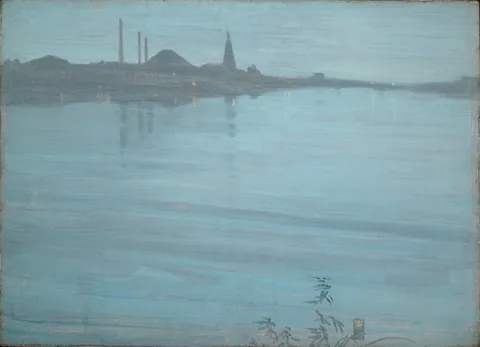
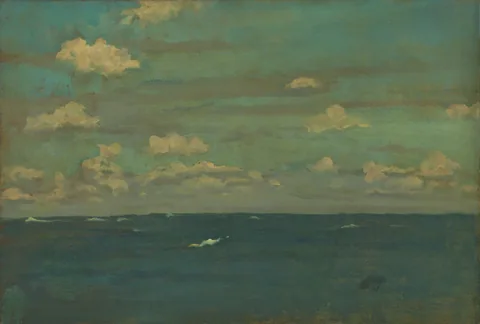
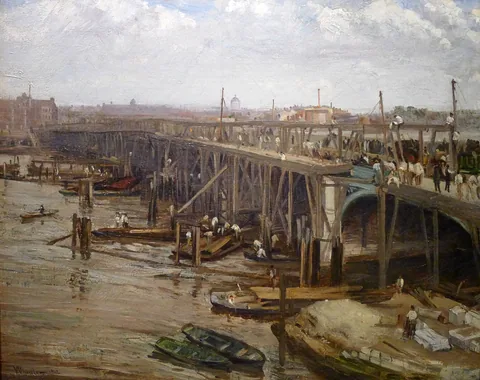
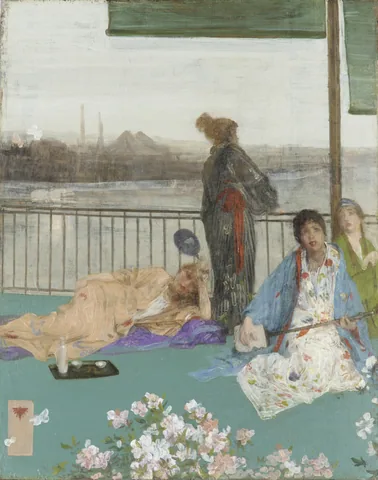
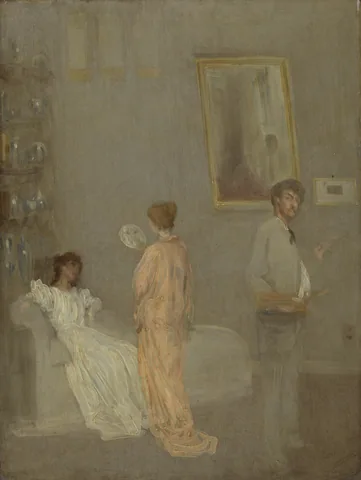
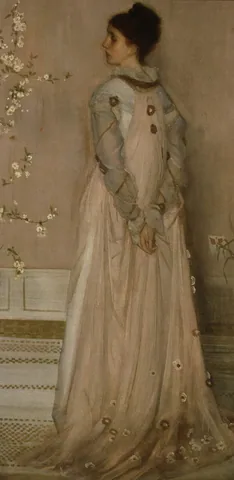
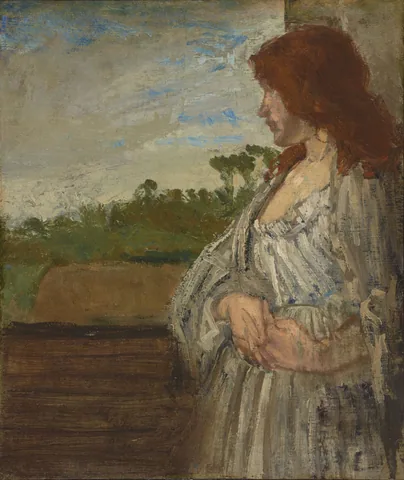
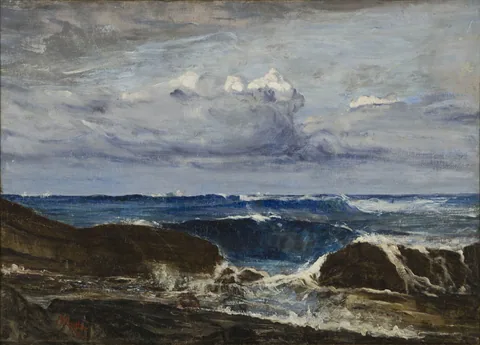
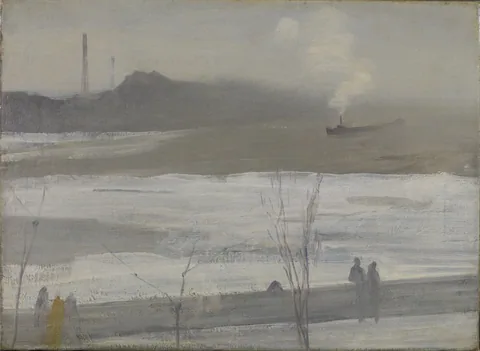
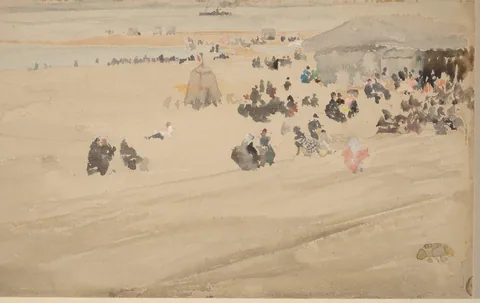
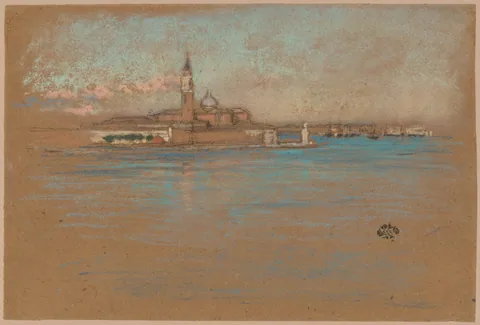
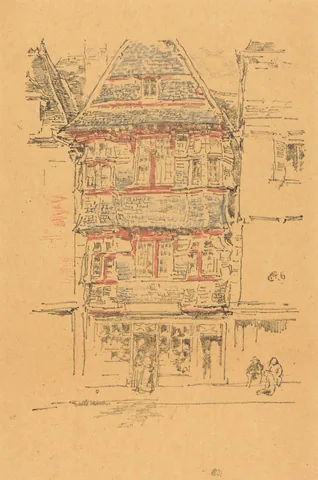
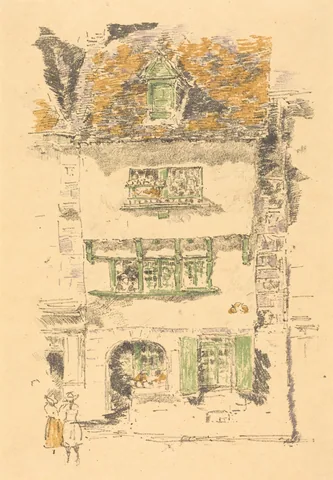
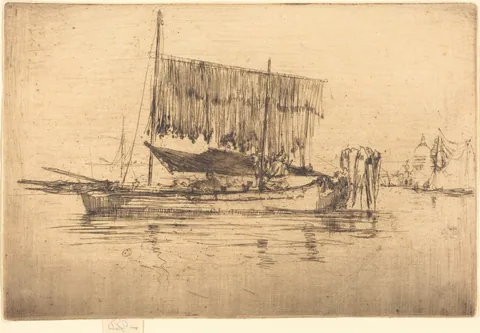
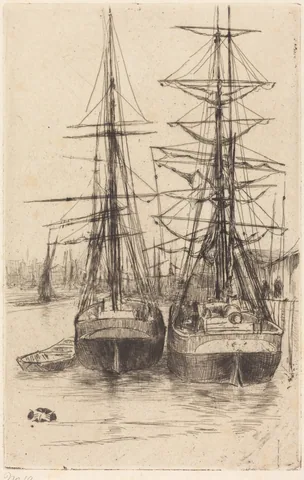
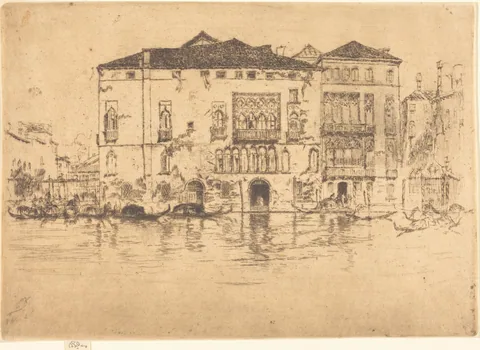
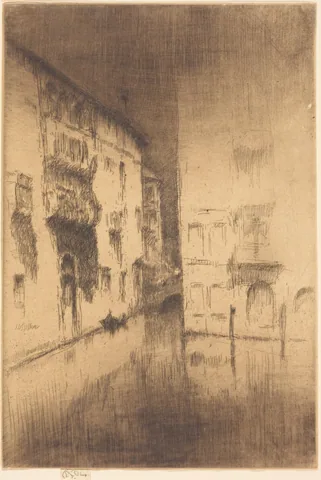
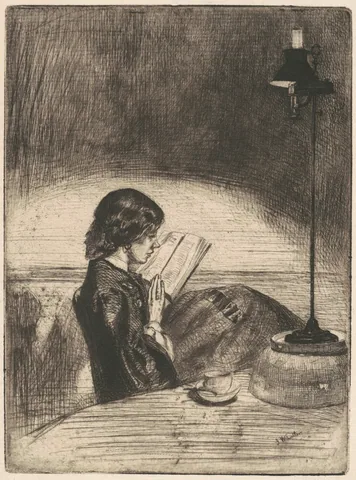
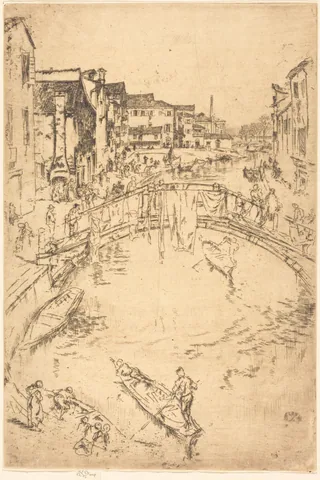
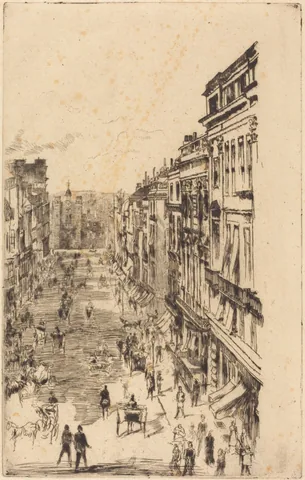
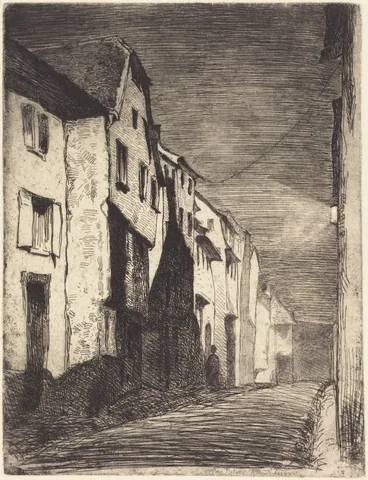
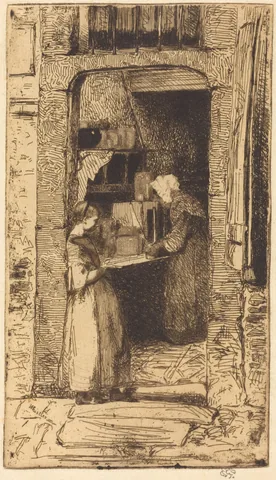
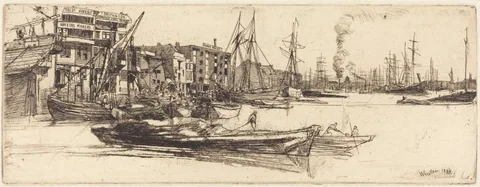
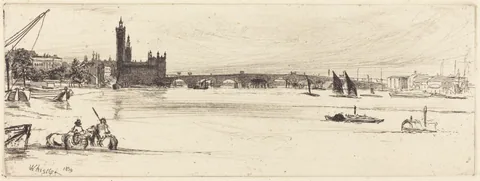
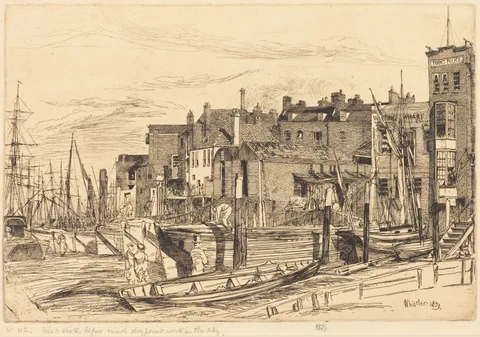
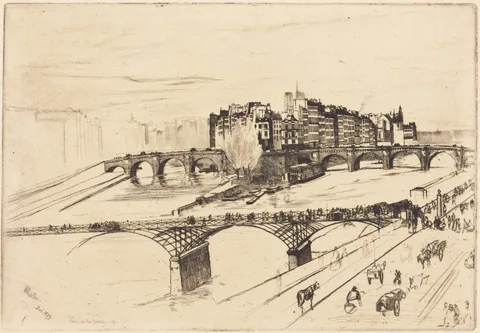
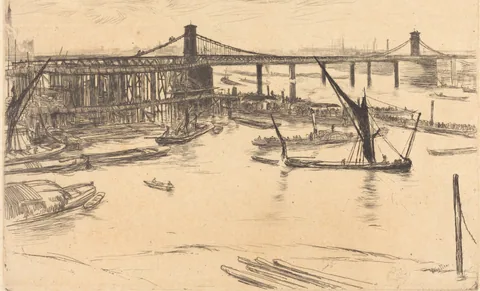
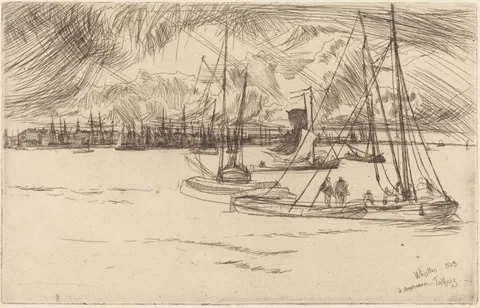
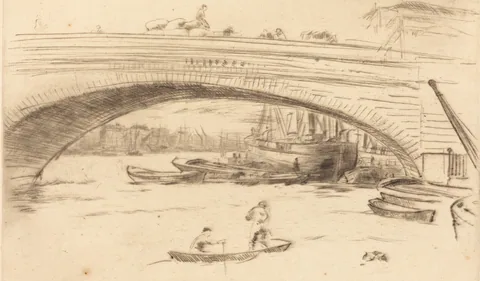
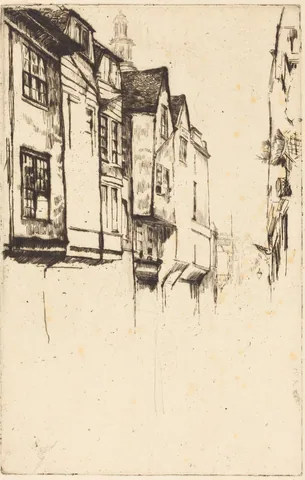
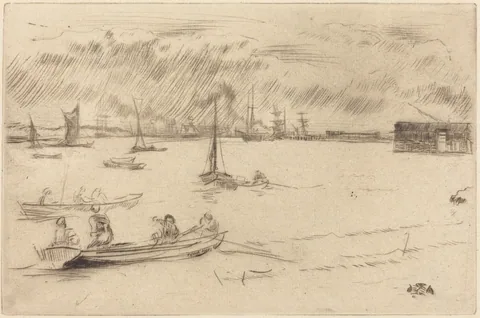
James McNeill Whistler wanted a painting to be looked at the way music is heard, for its tones rather than a story, so he titled his pictures arrangements, harmonies and nocturnes. Born in Lowell, Massachusetts, he spent part of his boyhood in Russia, where his father had been hired to design a railroad, studied in Paris and from 1866 made his home in Chelsea, London. He signed his paintings with a stylized butterfly. The art was delicate; the man was combative. When John Ruskin accused him of flinging a pot of paint in the public's face, Whistler sued for libel; in 1878 the jury found for him but awarded a single farthing, and the costs helped bankrupt him the next year.
The painting Ruskin attacked was Nocturne in Black and Gold: The Falling Rocket, fireworks drifting down through the dark over Cremorne Gardens. Arrangement in Grey and Black No. 1, the portrait everyone calls Whistler's Mother, was bought by the French government in 1891. Symphony in White, No. 1: The White Girl was refused by the Royal Academy and shown at the Salon des Refusés in Paris in 1863. Keep the frame as quiet as the picture: plain and slim, in black, gold or white.
Sources: Wikipedia: James McNeill Whistler; Wikipedia: Nocturne in Black and Gold, The Falling Rocket; Wikipedia: Whistler's Mother
