Biggest sale yet: 30% off canvas, 25% off framed and posters, 15% off everything else, at checkout through Nov 30.
French, 1814-1875
15 artworks
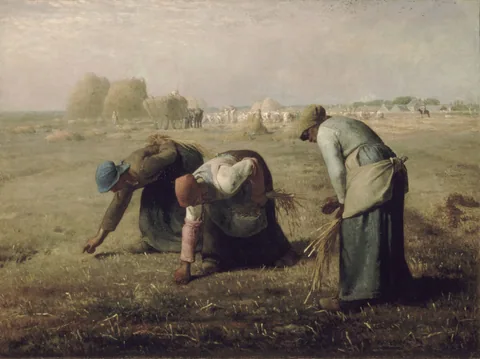
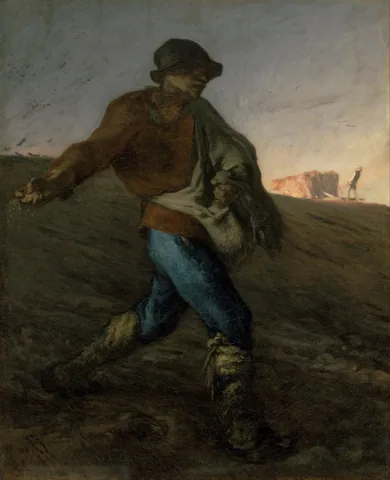
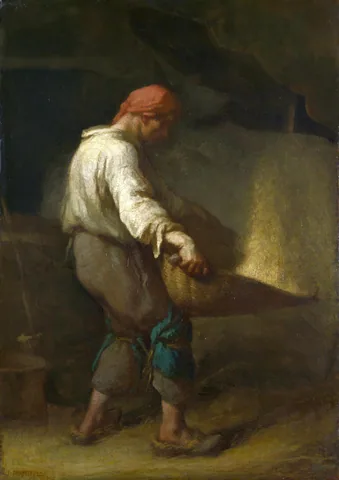
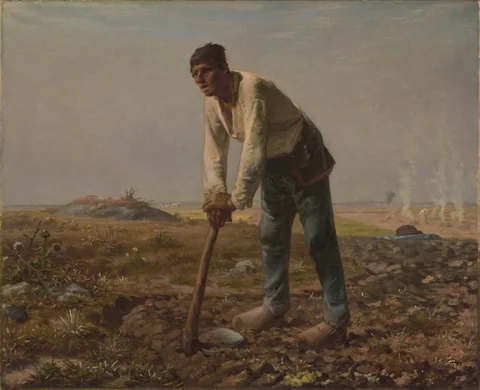
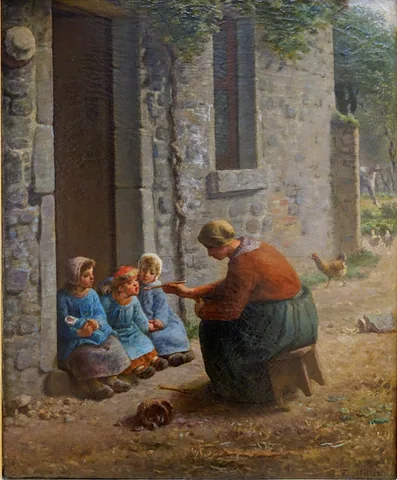
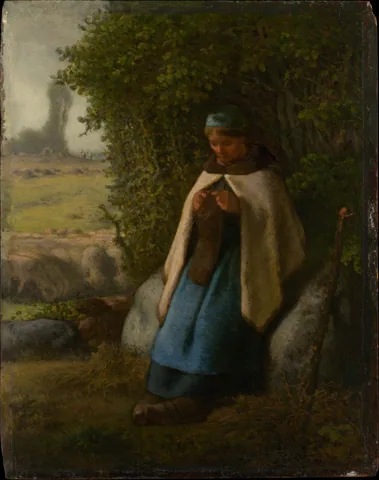
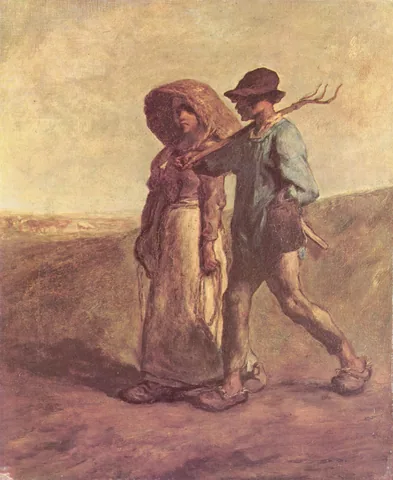
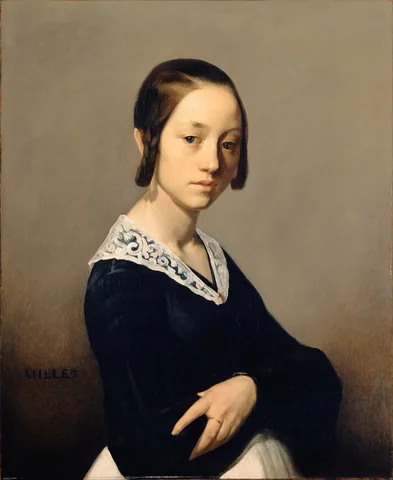
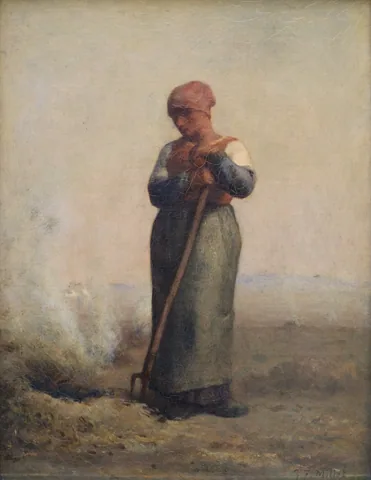
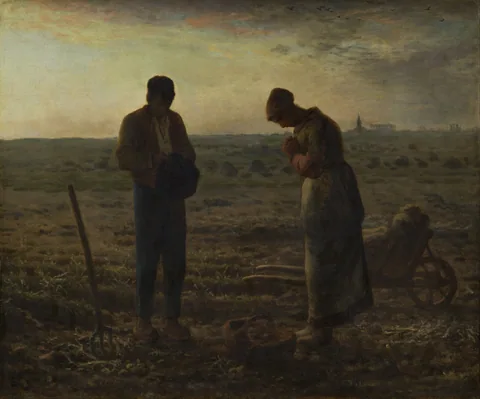
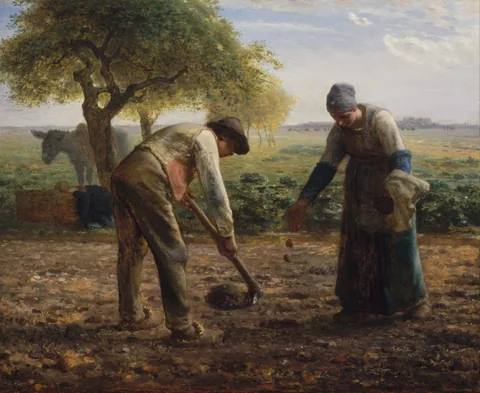
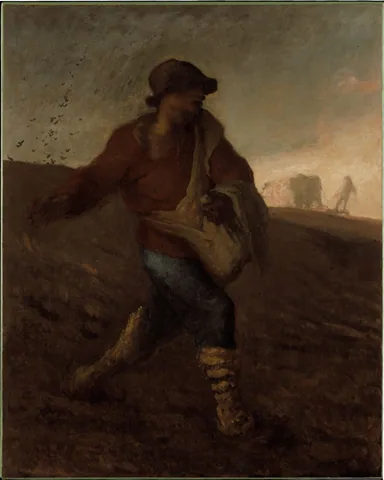
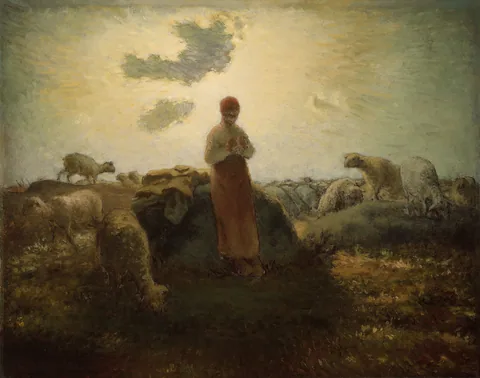
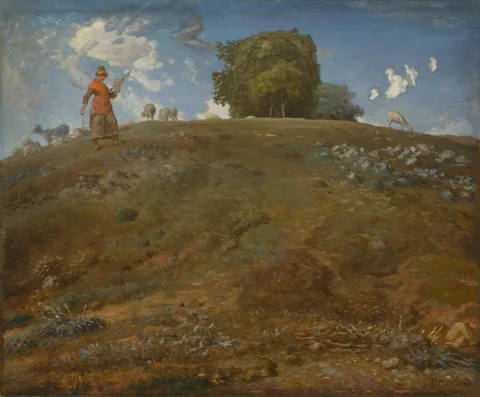
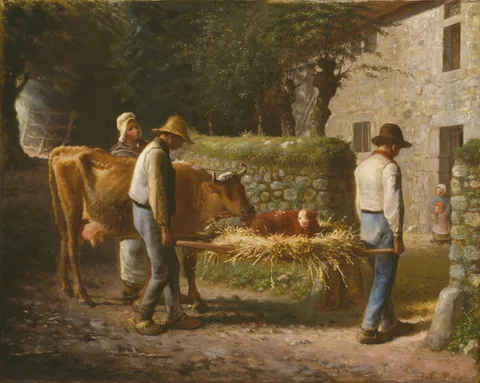
Jean-François Millet painted the people he grew up among. As the eldest son of a farming family at Gruchy, in Normandy, he worked in the fields with his father, and in 1849 he settled with his own family at Barbizon, by the forest of Fontainebleau. There he painted peasants sowing, gleaning, digging and praying with a seriousness painting usually kept for heroes, and he became a founder of the Barbizon school and a leading Realist. He was a fine draftsman in pastel and conté crayon, and an important inspiration for Van Gogh, who mentions him again and again in letters to his brother Theo.
The Gleaners, from 1857 and now in the Musée d'Orsay, shows three women stooping for the stray stalks left after the harvest; the Salon public met it coolly, even with hostility. The Sower, shown at the Salon of 1850, was his first major masterpiece, and in The Angelus a couple pause in a field to pray; after his death it sold for 800,000 gold francs. Millet's earthy browns and golds look right in natural oak or gold, with a cream mat.
Sources: Wikipedia: Jean-François Millet; Wikipedia: The Gleaners
