Biggest sale yet: 30% off canvas, 25% off framed and posters, 15% off everything else, at checkout through Nov 30.
British, 1829-1896
17 artworks
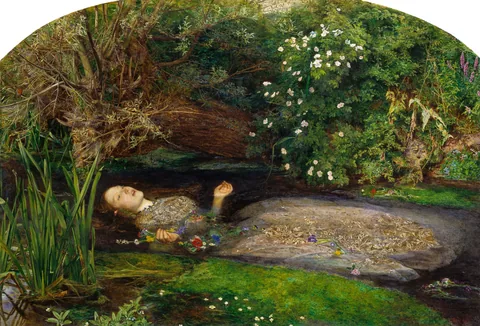
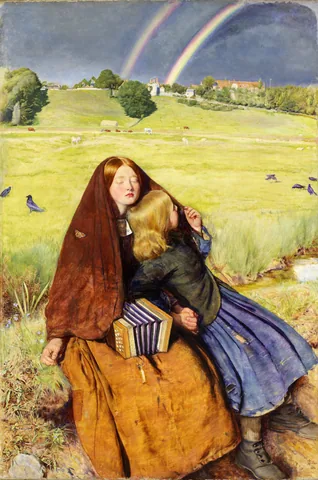
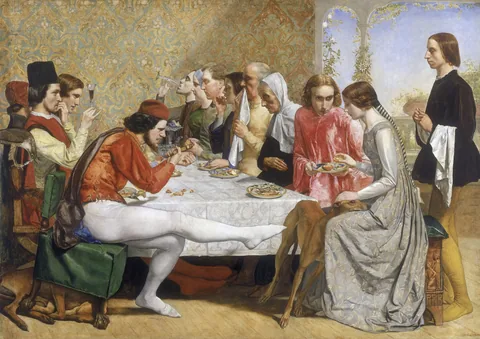
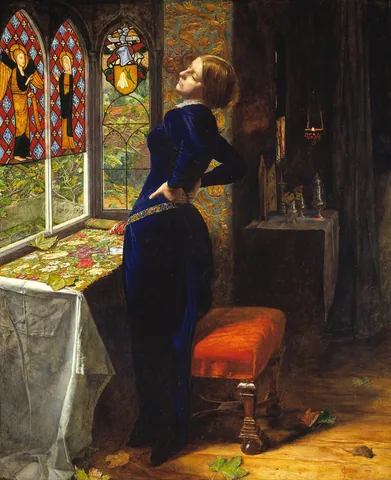
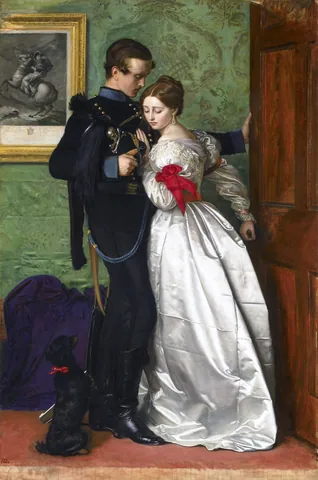
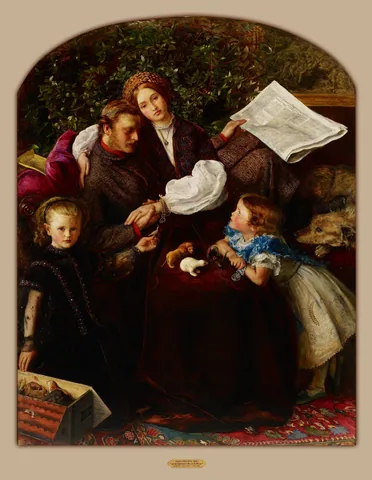
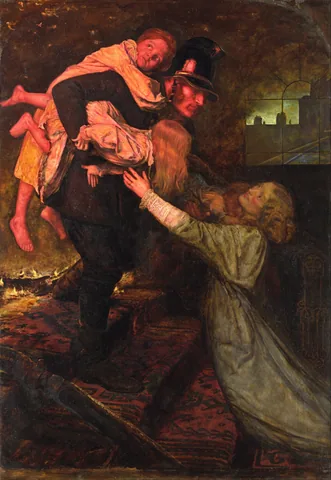
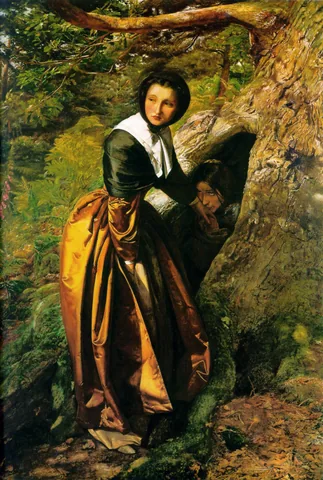
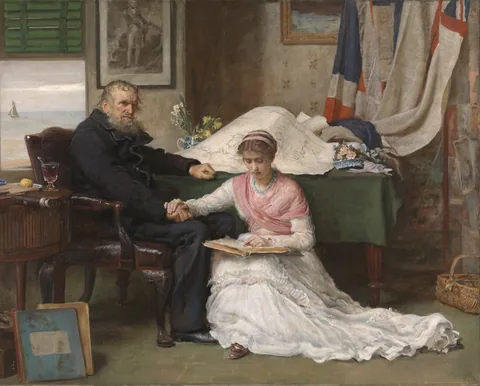
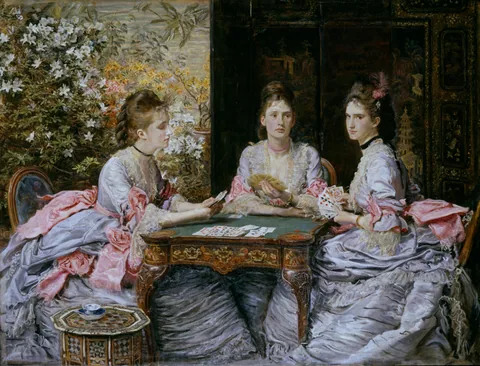
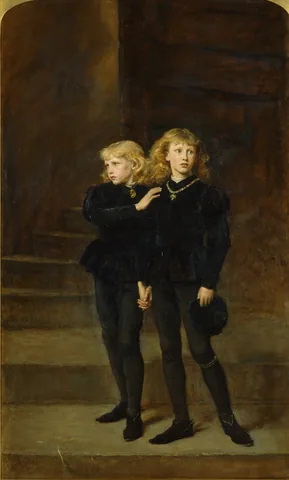
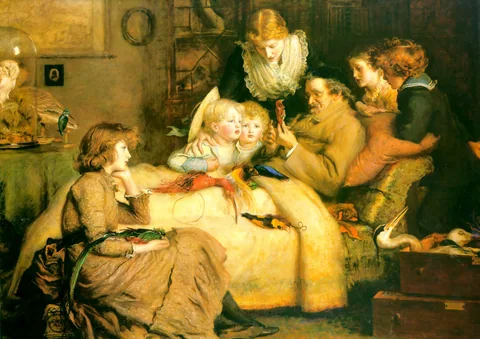
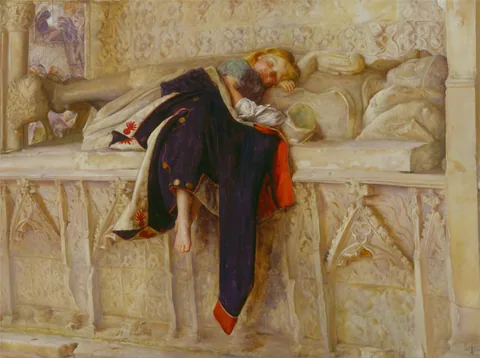
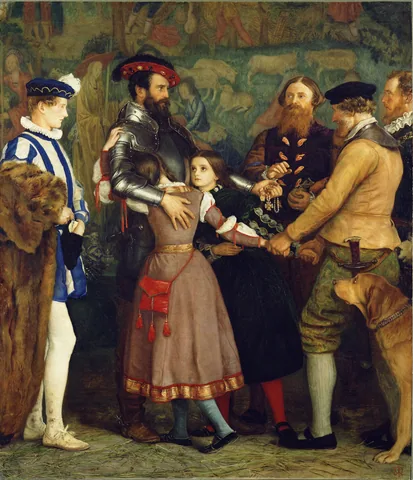
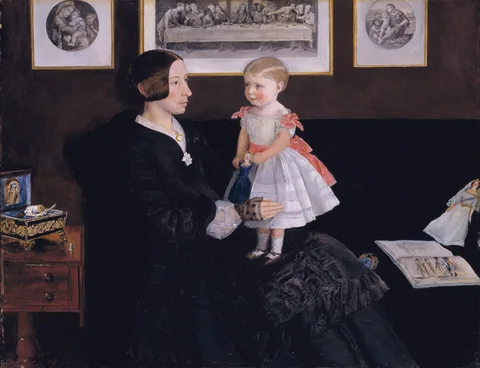
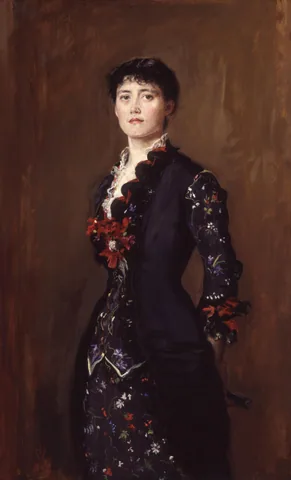
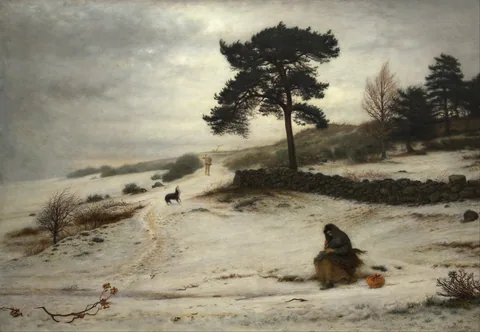
Every leaf, petal and fold in John Everett Millais's early work looks as if seen through a magnifying glass, and that detail is the pleasure of it. At 11 he became the youngest student ever to enter the Royal Academy Schools, and the Pre-Raphaelite Brotherhood was founded at his family's house on Gower Street in London. His Christ in the House of His Parents, a working-class Holy Family in a messy carpenter's shop, caused a storm. By the mid-1850s he was moving to a new kind of realism that made him one of the wealthiest artists of his day, which William Morris called selling out, and in 1896, the year of his death, he was elected President of the Royal Academy.
For Ophelia he painted the riverbank outdoors on the Hogsmill River in Surrey, up to 11 hours a day for five months in 1851, then posed Elizabeth Siddal in a full bathtub in his studio; the lamps warming the water went out and she caught a severe cold. In The Blind Girl one sister turns to a double rainbow the other cannot see, and Mariana, from Tennyson's poem, stretches after long hours at her embroidery. Detail this fine rewards a framed print with a mat, in gold or black and gold, at a size you can stand near.
Sources: Wikipedia: John Everett Millais; Wikipedia: Ophelia (Millais); Wikipedia: The Blind Girl
