Biggest sale yet: 30% off canvas, 25% off framed and posters, 15% off everything else, at checkout through Nov 30.
Norwegian, 1863-1944
41 artworks
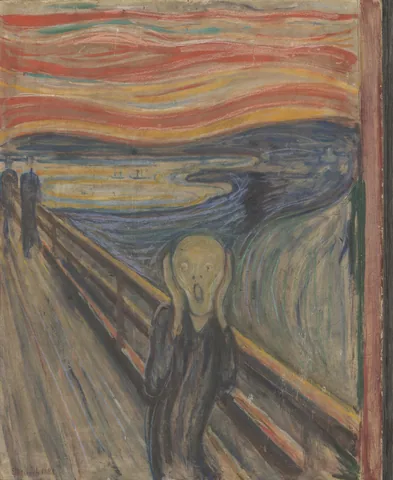
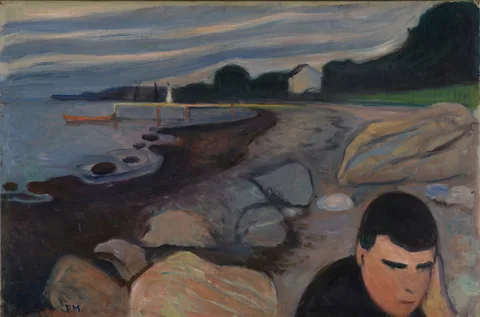
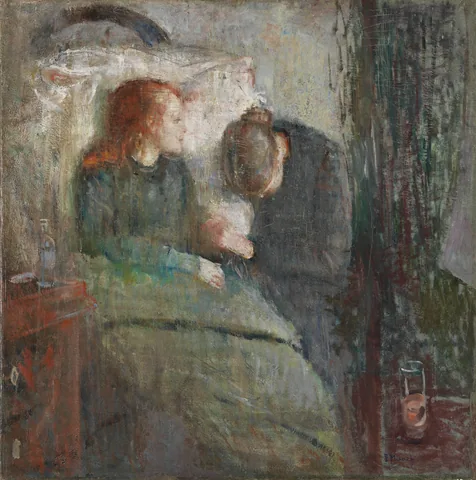
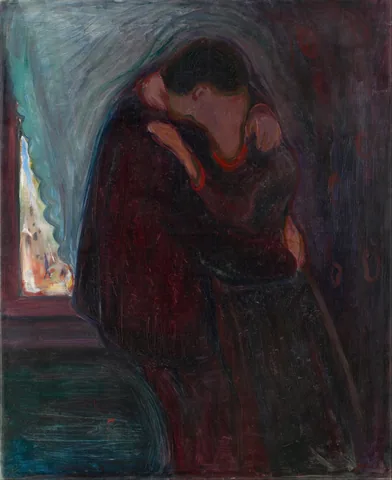
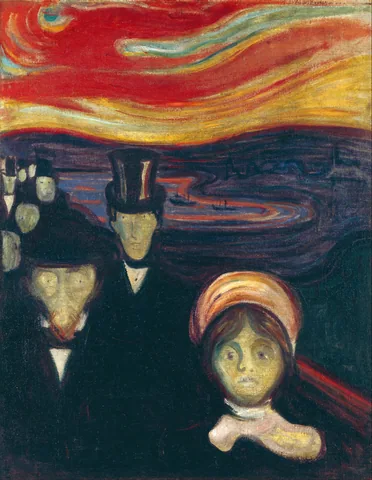
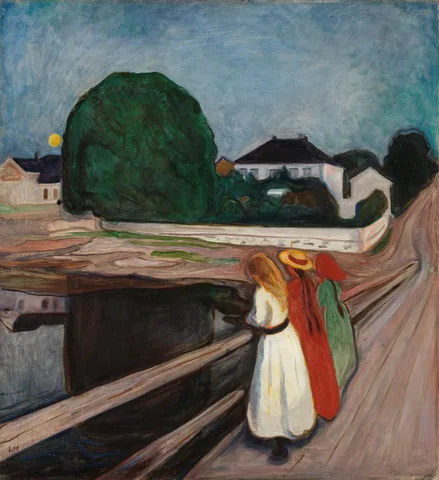
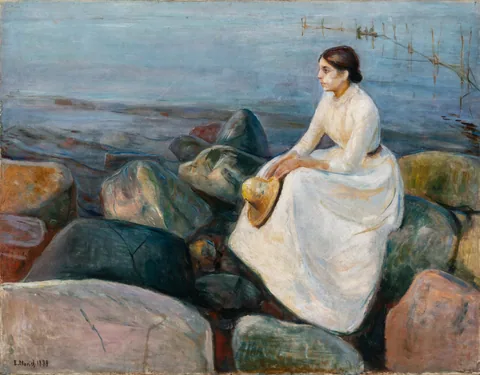
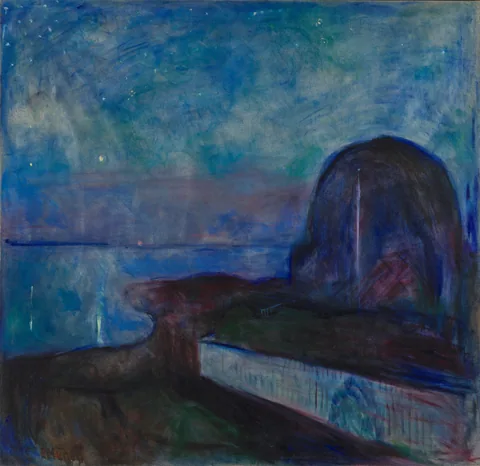
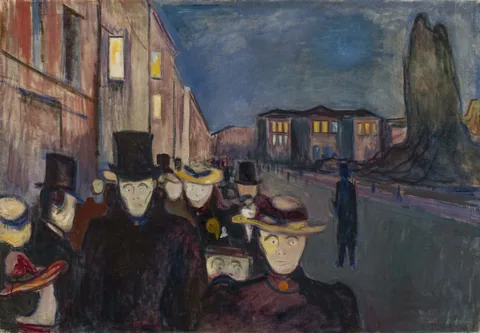
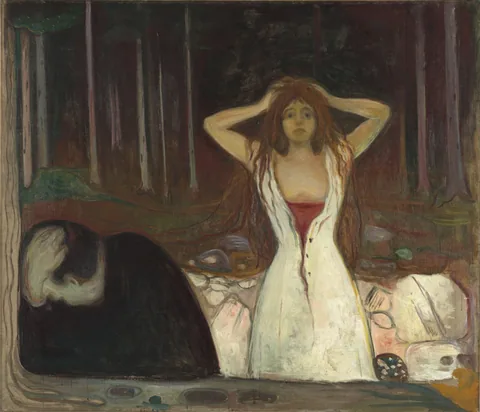
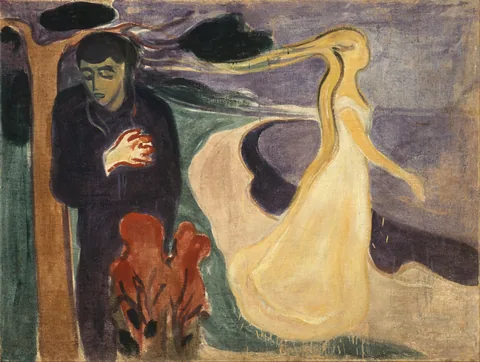
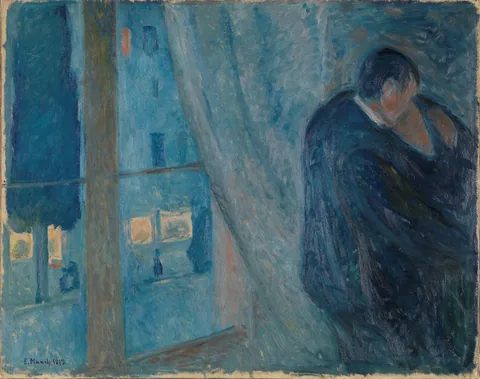
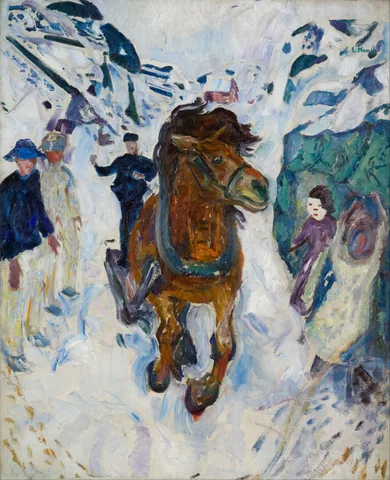
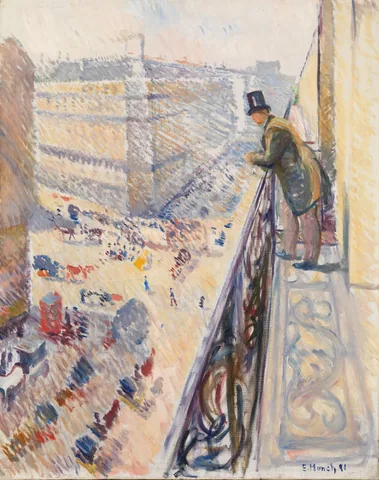
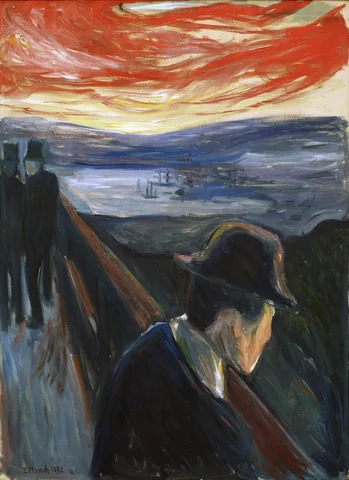
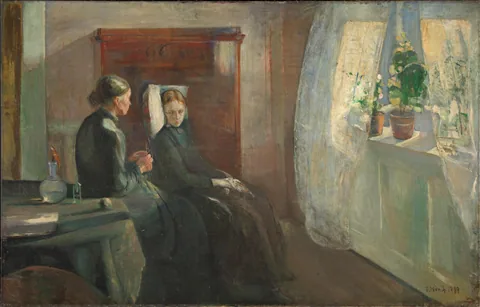
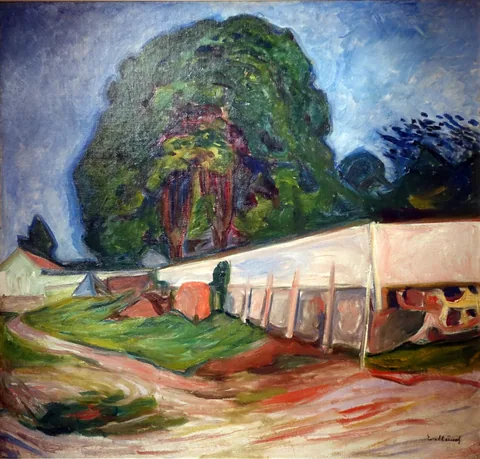
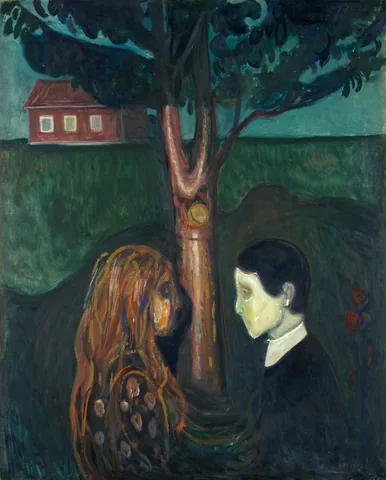
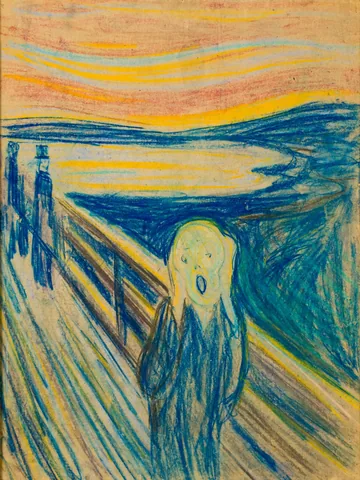
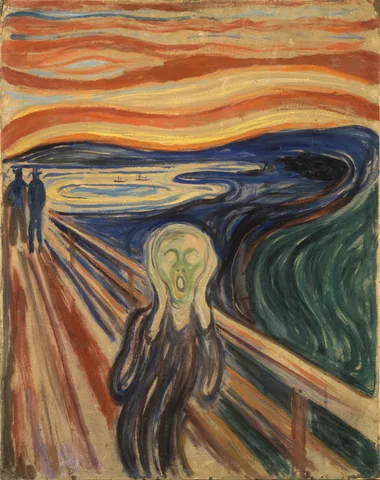
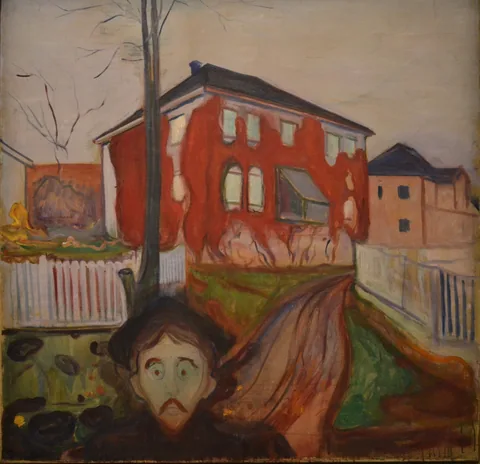
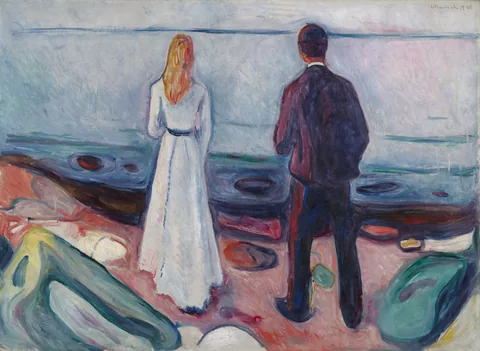
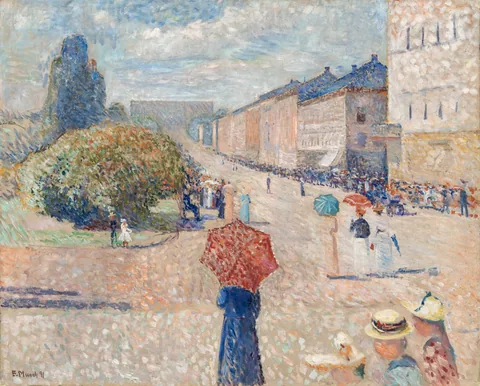
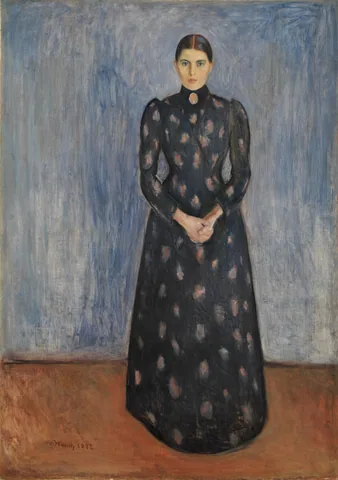
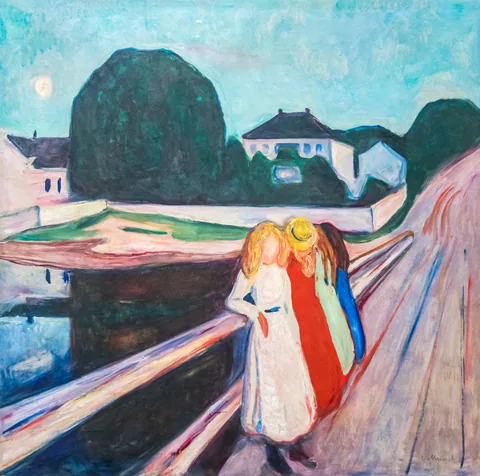
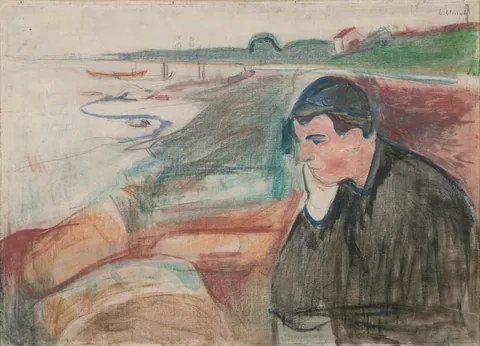
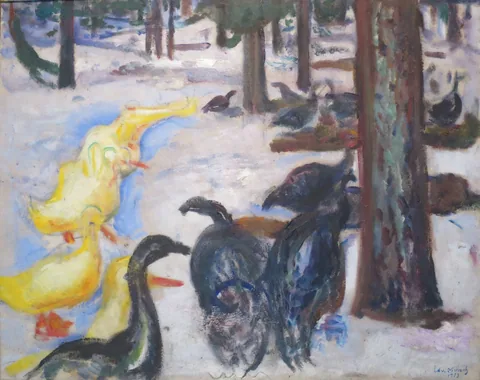
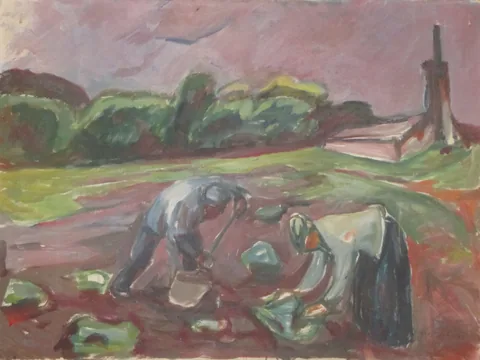
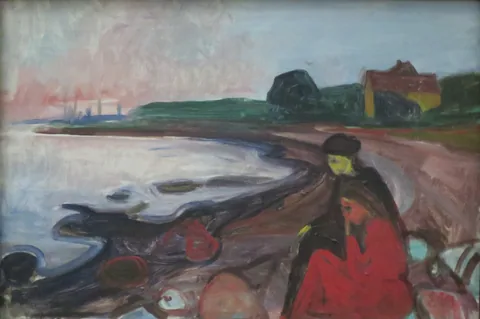
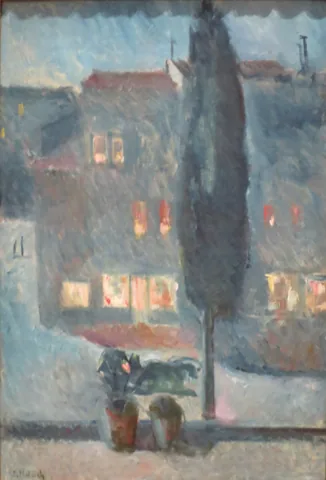
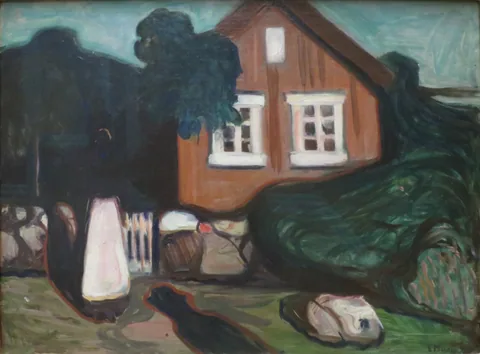
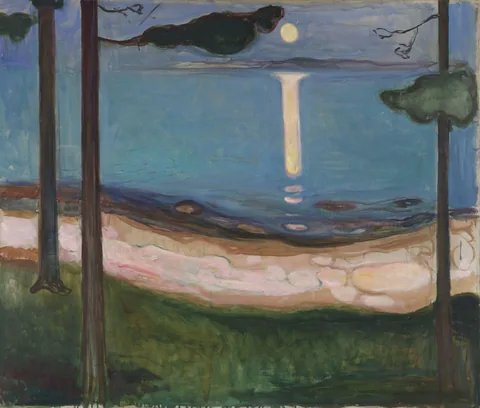
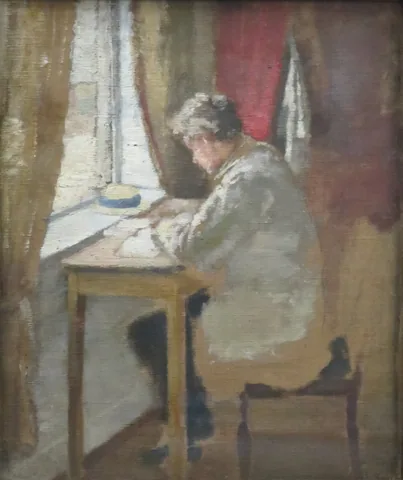
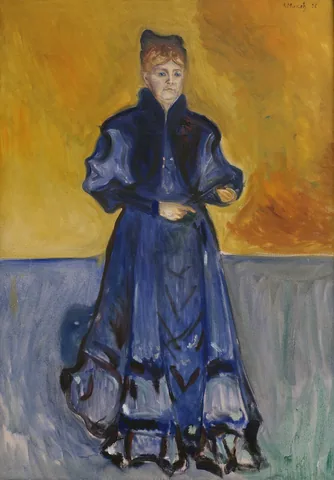
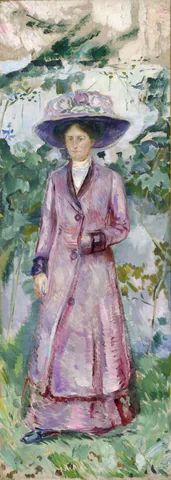
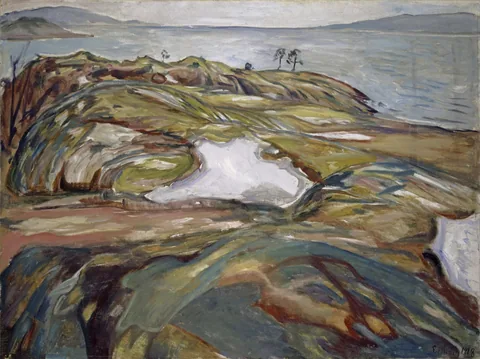
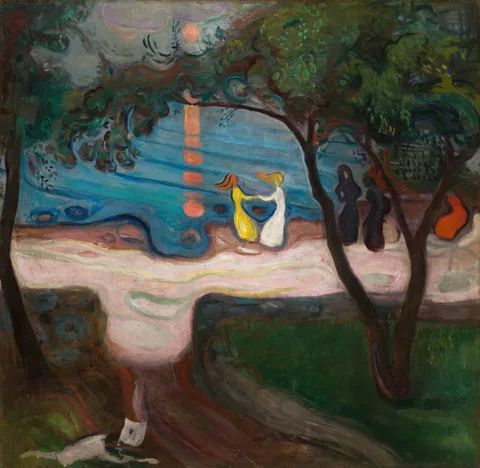
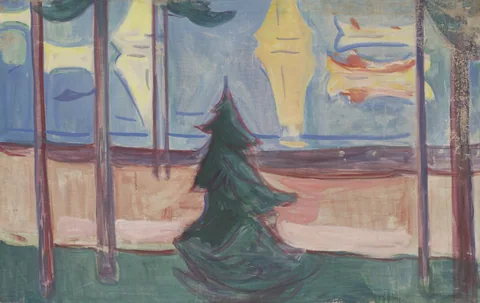
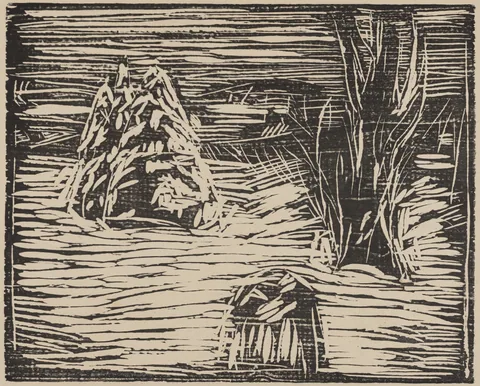
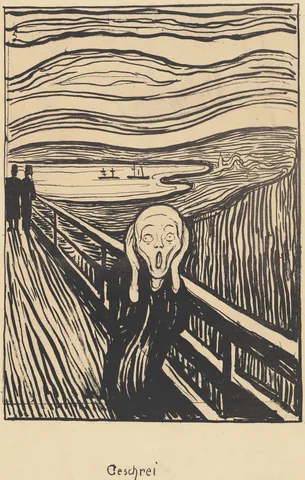
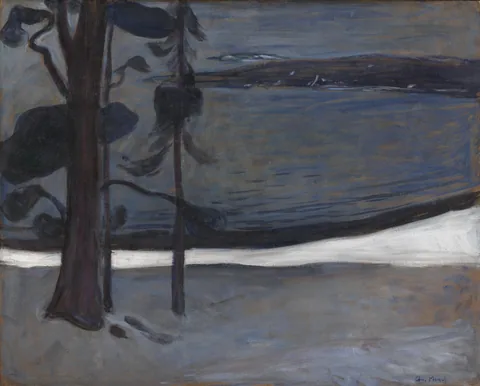
Edvard Munch put feeling ahead of appearance. Tuberculosis took his mother in 1868 and his favorite sister, Sophie, in 1877, and those losses run through his art. In Kristiania, now Oslo, the writer Hans Jæger pushed him to paint his own life; in Paris he saw how Gauguin, Van Gogh and Toulouse-Lautrec used color to carry emotion; and from 1893 he gathered his themes of love, anxiety and death into a cycle he called The Frieze of Life. Long, wavering lines run through his figures and landscapes alike, and his color is chosen for mood, not accuracy.
The Scream began with a sunset walk with two friends, when, Munch wrote, he heard an enormous, infinite scream of nature; he made two painted versions, two in pastel and many lithographs. The Sick Child shows Sophie in her last days, a picture he scrubbed out and repainted obsessively and returned to in six versions; critics jeered it in 1886. Melancholy sets a lone, brooding man on a curving shore. Color this charged holds its own on a plain white wall, in a slim black frame.
Sources: Wikipedia: Edvard Munch; Wikipedia: The Sick Child (Munch); Wikipedia: The Scream
