Biggest sale yet: 30% off canvas, 25% off framed and posters, 15% off everything else, at checkout through Nov 30.
Birds, horses, dogs and wild animals painted and engraved by naturalists and painters, including Audubon and Gould.
856 artworks · page 1 of 18
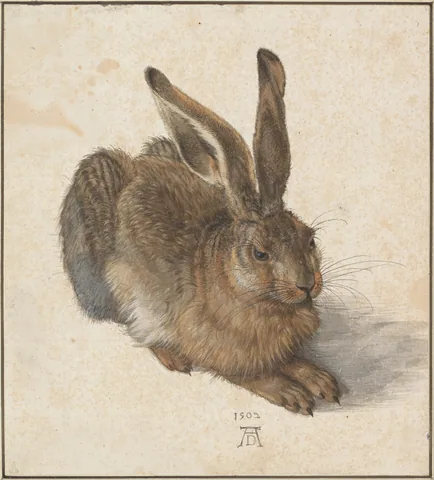
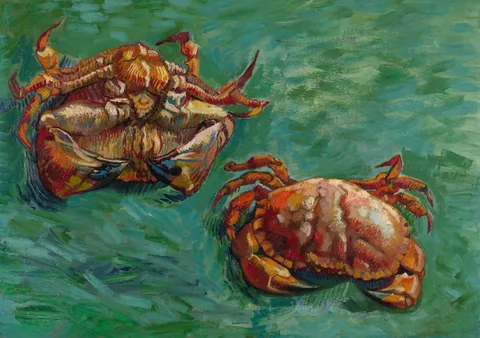
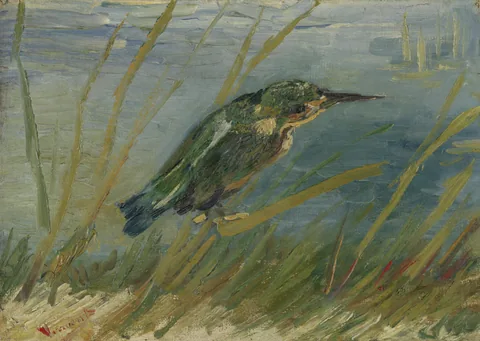
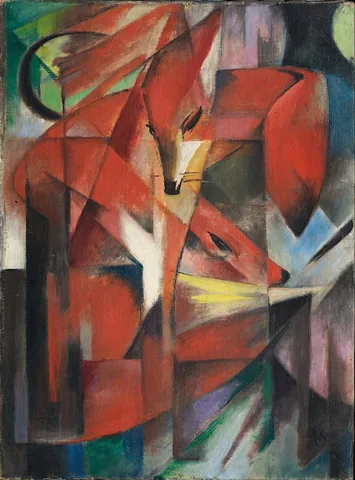
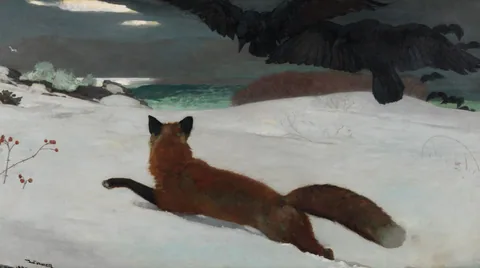
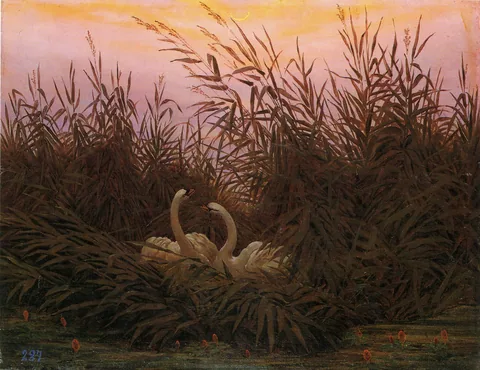
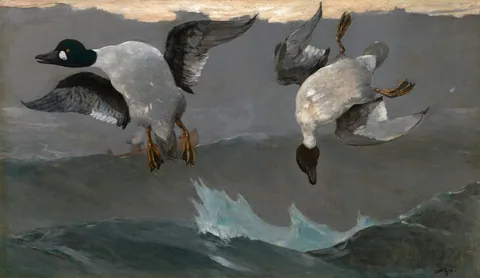
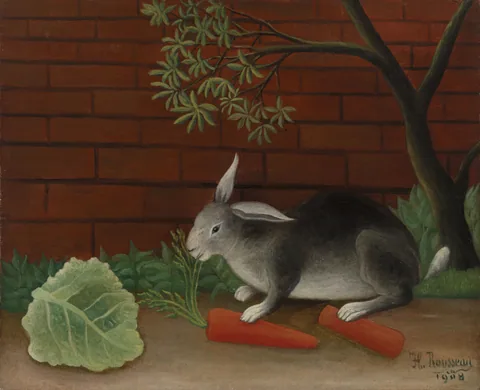
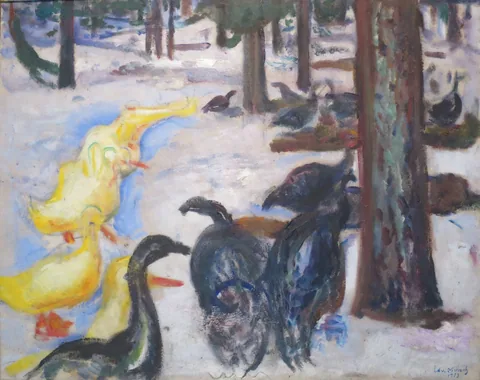
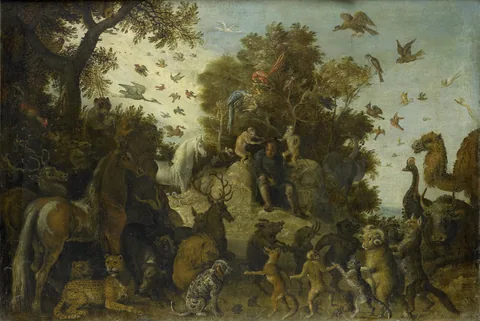
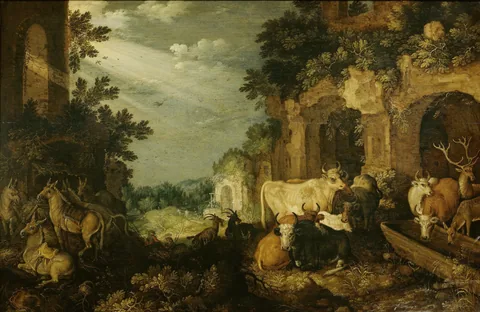
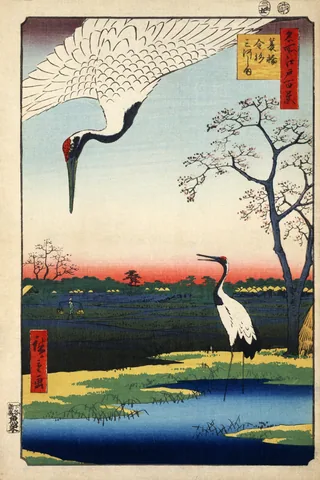
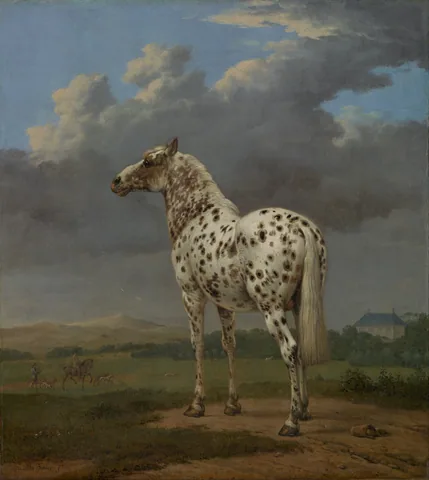
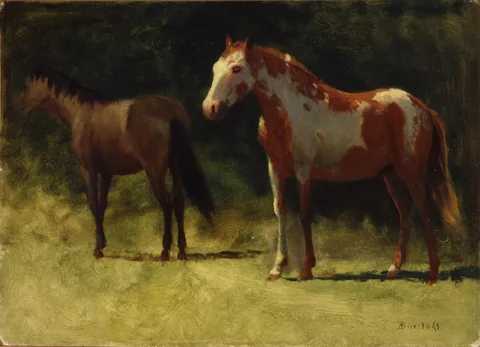
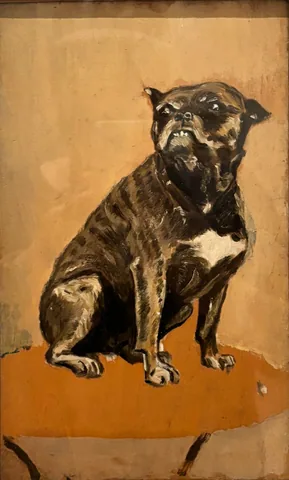
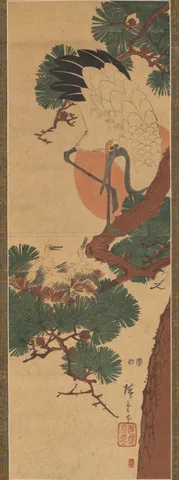
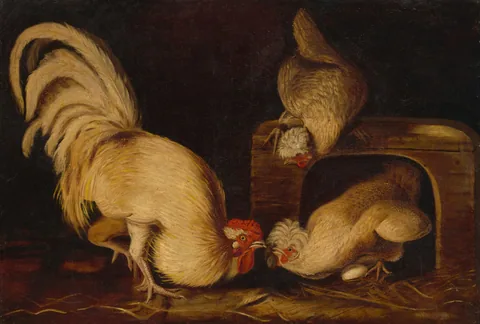
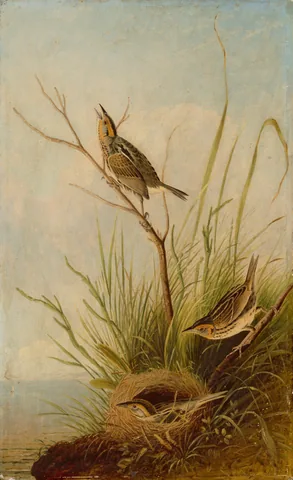
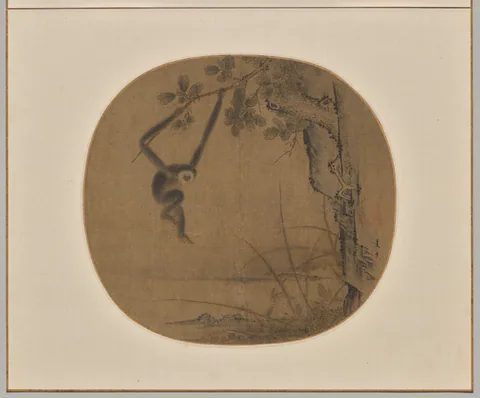
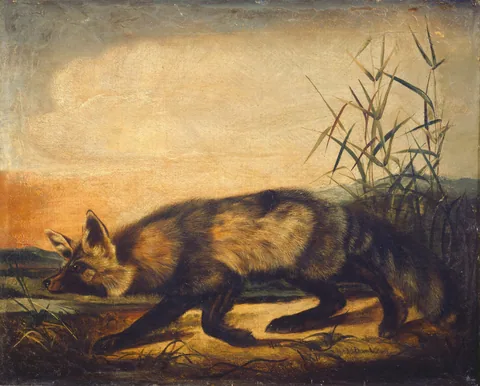
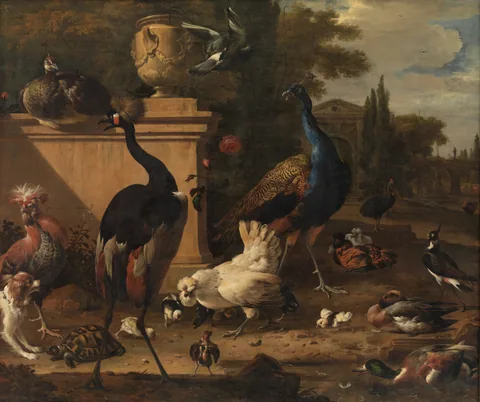
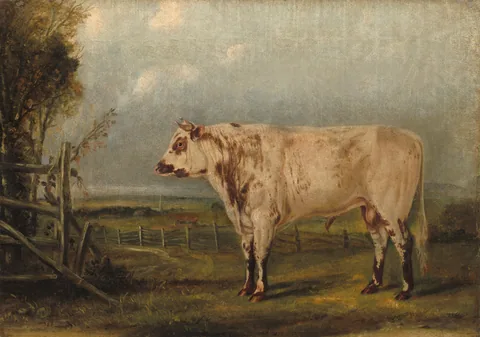
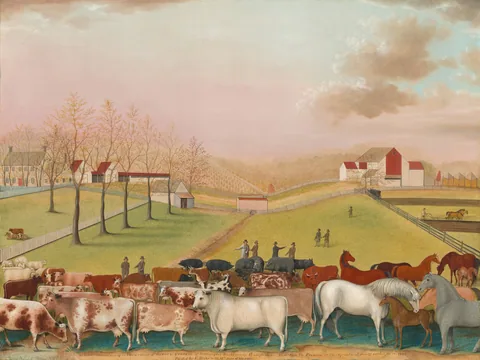
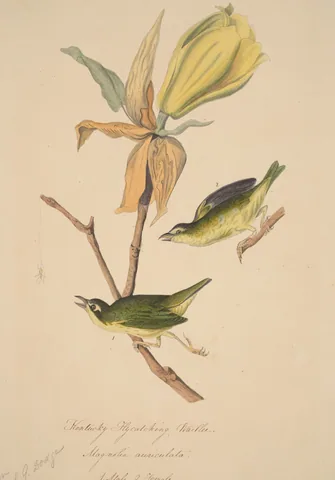
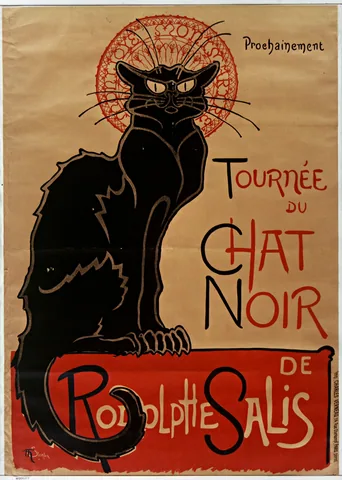
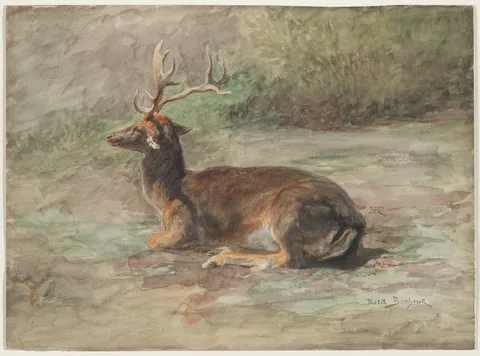
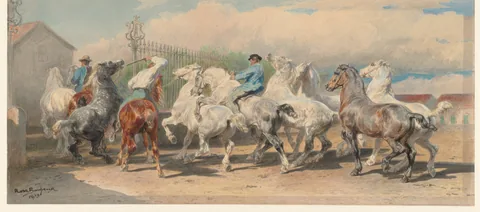
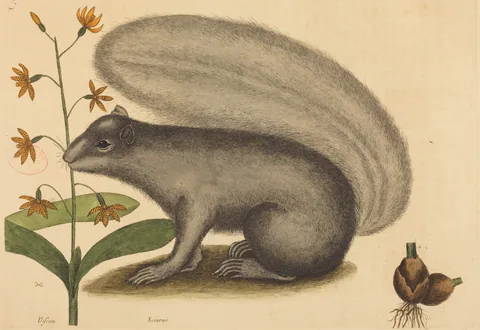
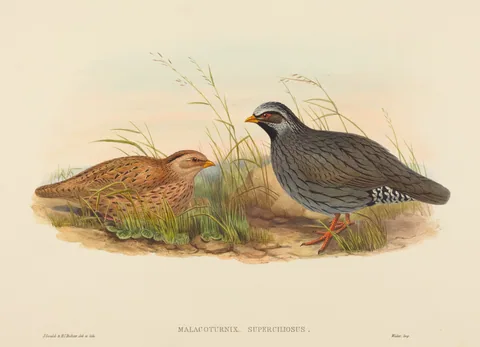
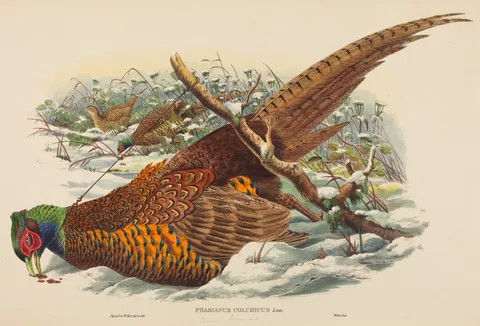
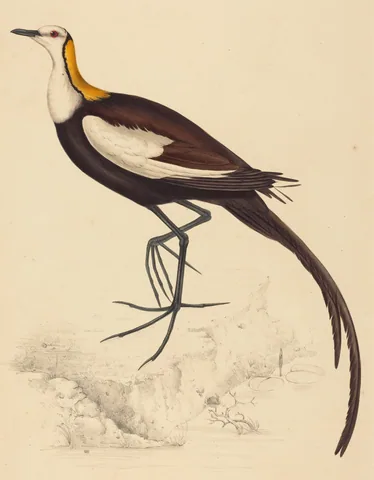
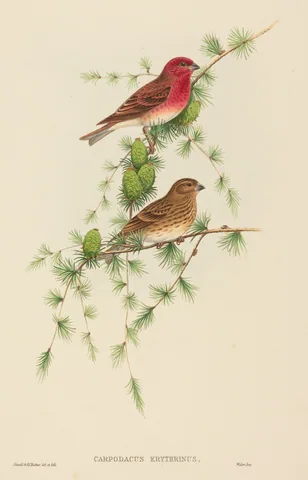
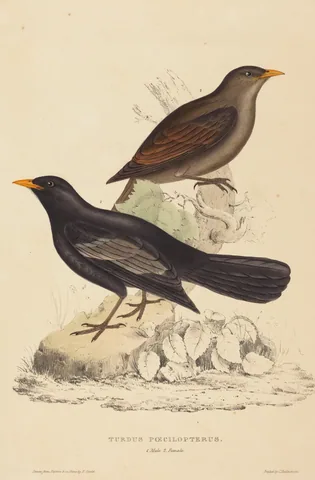
Some of the best animal pictures were made by artists determined to get every hair right. Albrecht Dürer painted Young Hare in watercolor and bodycolor in his Nuremberg workshop in 1502, and it is still held up as a masterpiece of observation. Some seventy years later the Flemish miniaturist Joris Hoefnagel, the largest name in this collection, began The Four Elements, about 300 miniatures of insects, beasts, fish and birds in watercolor and gold on parchment; Plate 21: Reindeer with Melons is one of its pages.
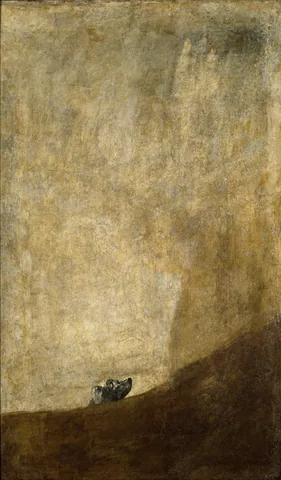
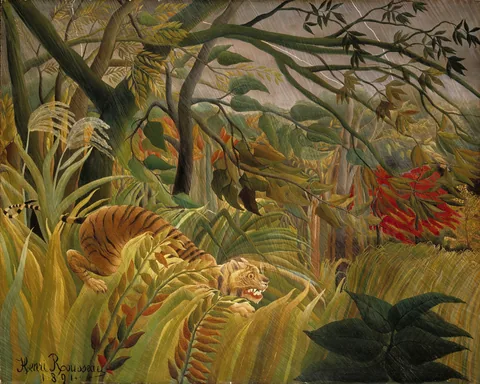
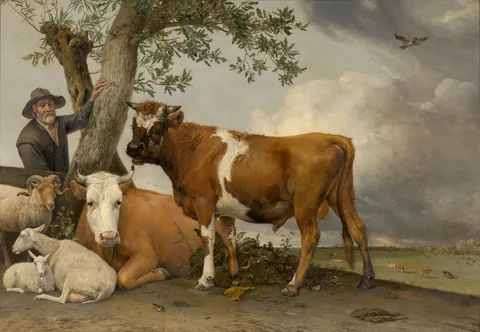
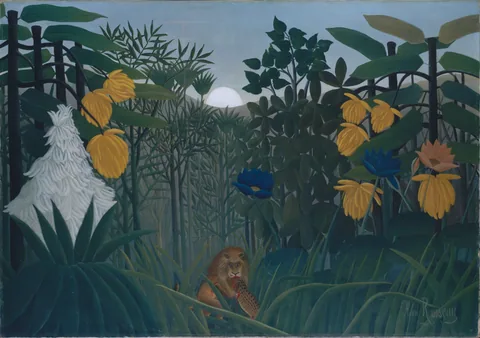
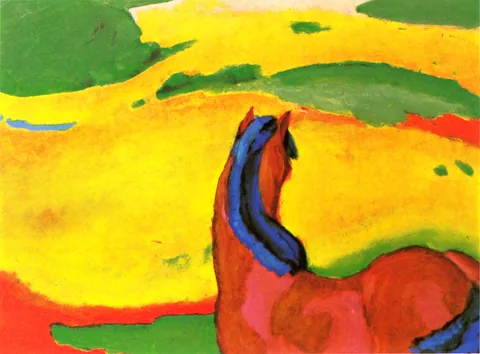
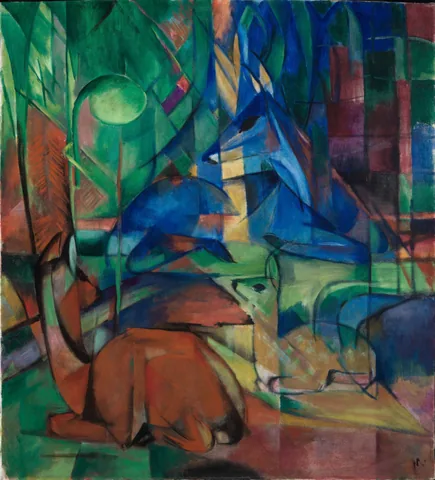
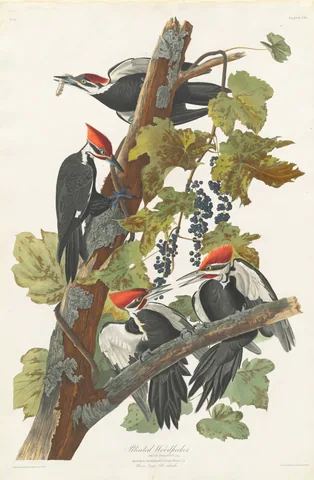
John James Audubon set out to paint every bird in North America at life size. The Birds of America, issued in parts from 1827 to 1838, holds 435 hand-colored prints, among them the Pileated Woodpecker, and John Gould followed with bird books illustrated by his wife Elizabeth and by Edward Lear. Painters came to animals for feeling rather than record. Paulus Potter made cattle the heroes of Dutch pastures. Goya's The Dog, one of the Black Paintings he made on the walls of his own house, is only a dog's head looking up out of a vast empty field. Henri Rousseau, who never left France, painted Tiger in a Tropical Storm in 1891, the first of his jungles. Franz Marc, a founder of the Blue Rider group, gave horses, deer and foxes pure, bright color.
Animals are easy company in a kitchen, a study or a child's room. A single bird sits well small, in a frame with a generous white mat, and three of one size in a row make a quiet line above a desk or a headboard. The painted scenes, Rousseau's jungle or Marc's foxes, can go large on canvas. If you are starting a group, two birds facing each other in matching frames is a simple first step.
Audubon's plates were printed life size, on sheets about 39 by 26 inches. Ours are open-edition reproductions, made to order from photographs of original sheets rather than pulled from engraved plates. Each listing offers the sizes its photograph supports, up to 48 inches on the long side for canvas and unframed prints, so a plate close to full size is possible.
Friendly, colorful animals work best: Franz Marc's horses and deer, an Audubon songbird or Dürer's hare. A framed print has clear acrylic in front, which is lighter than glass and safe to ship, and a canvas has nothing in front at all. Hang it at the child's eye level rather than an adult's, so it is there to look at every day.
A Flemish miniaturist of the late 1500s who later worked for Emperor Rudolf II. His Four Elements, about 300 miniatures on folios dated 1575 to 1582, pictures insects, beasts, fish and birds with an almost scientific naturalism that a later generation of Netherlandish artists took as a model. The pages here come from the National Gallery of Art in Washington, one of several collections that hold them.
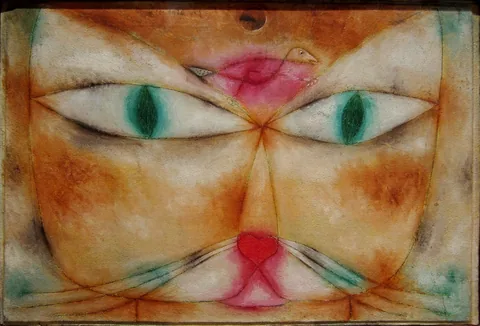
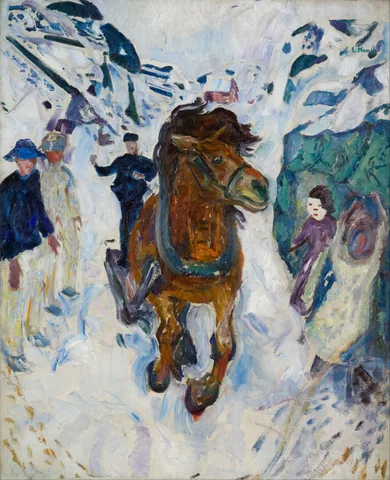
Yes, a good few. Goya's The Dog, Renoir's Woman with a Cat and Paul Klee's Cat and Bird are here. For horses, look at Franz Marc's Horse in a Landscape, Edvard Munch's Galloping Horse and Gauguin's Landscape, Horse on the Road. Search for dog, cat or horse to see every one.
Sources: Wikipedia: Young Hare; Wikipedia: Joris Hoefnagel; Wikipedia: John James Audubon; Wikipedia: The Birds of America; Wikipedia: John Gould; Wikipedia: Paulus Potter; Wikipedia: The Dog (Goya); Wikipedia: Tiger in a Tropical Storm; Wikipedia: Franz Marc
