Biggest sale yet: 30% off canvas, 25% off framed and posters, 15% off everything else, at checkout through Nov 30.
Dutch, 1625-1654
28 artworks
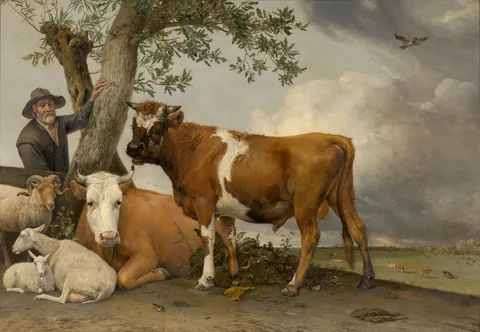
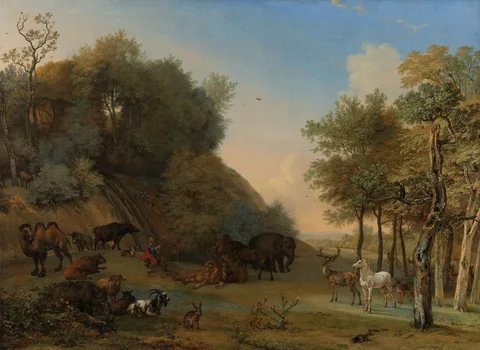
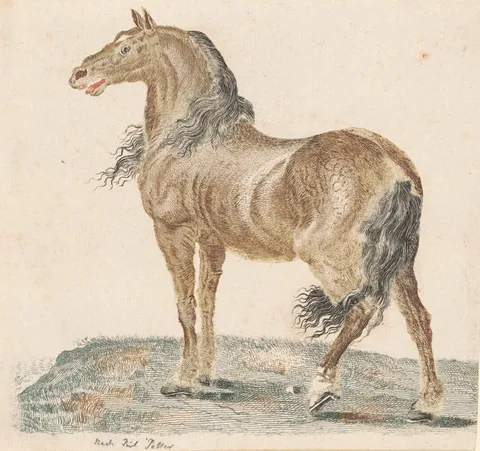
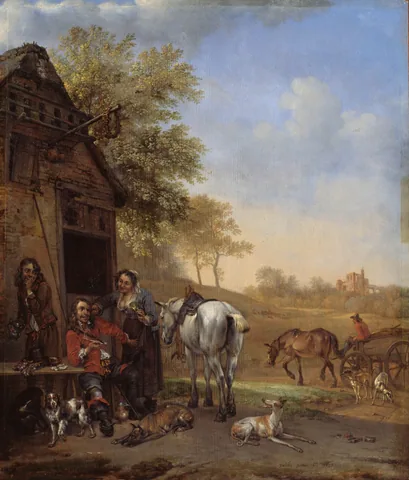
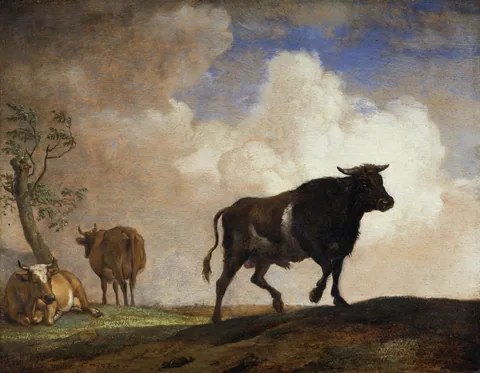
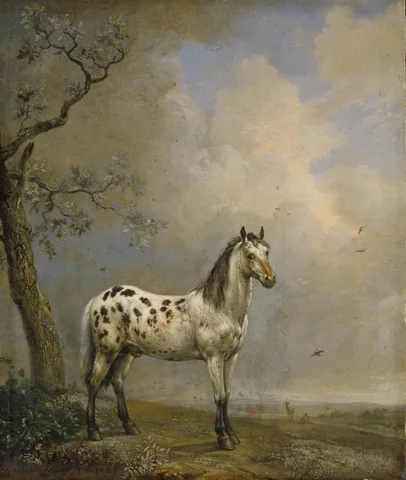
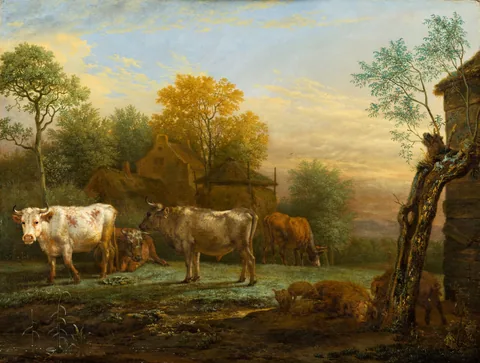
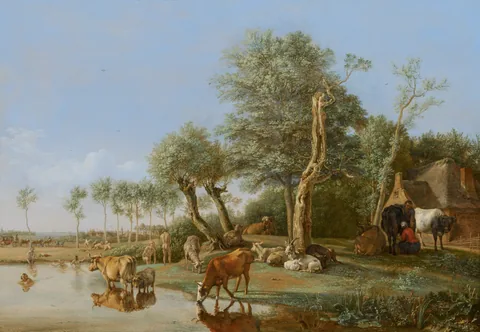
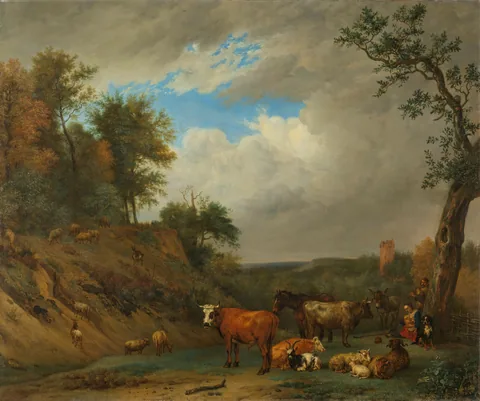
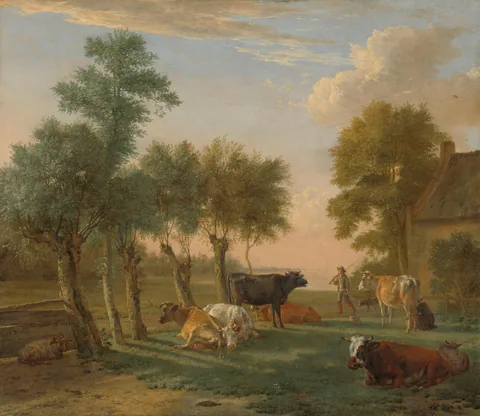
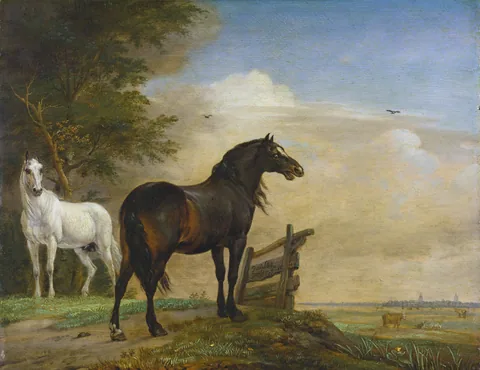
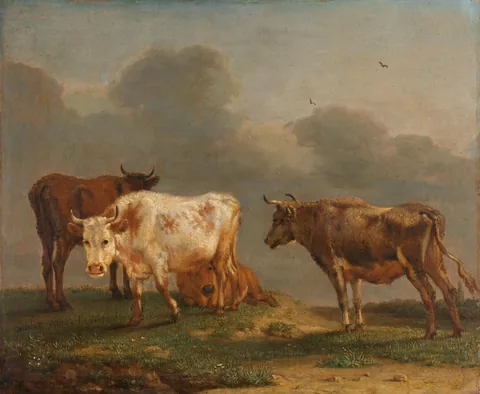
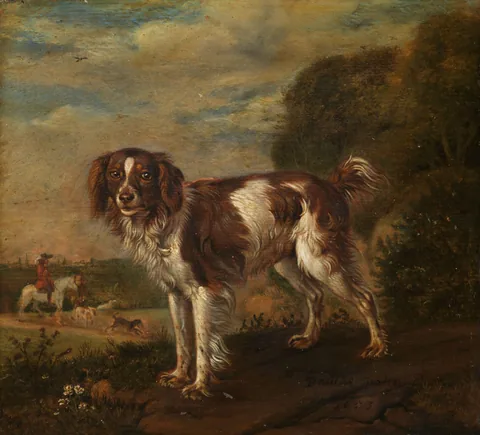
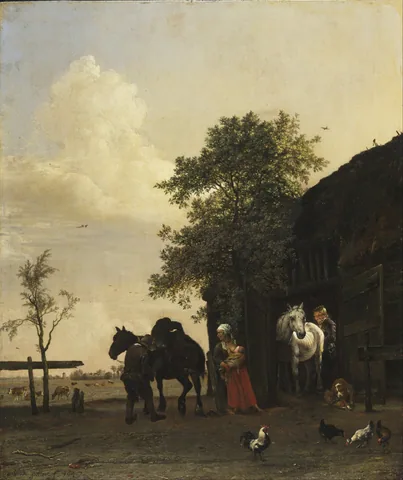
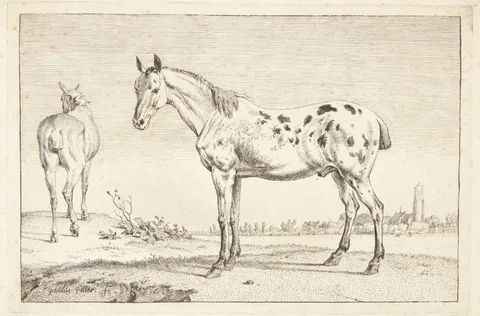
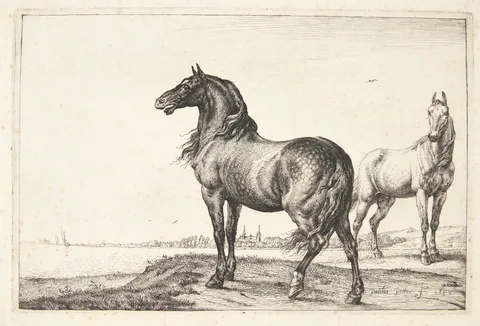
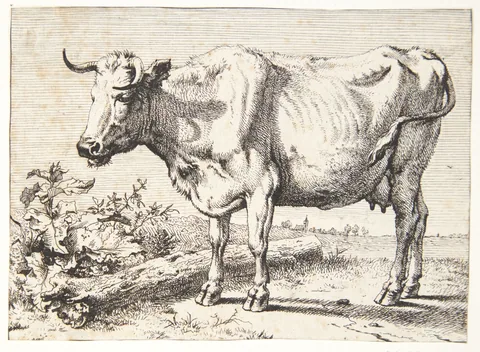
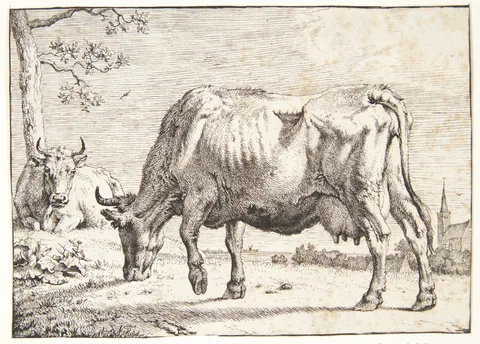
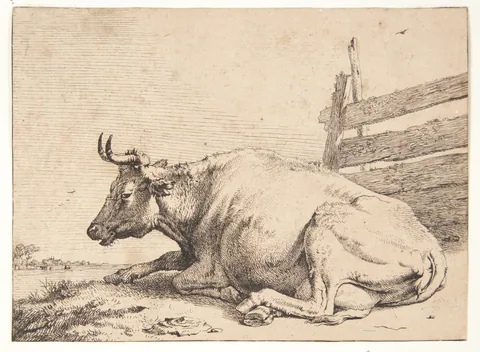
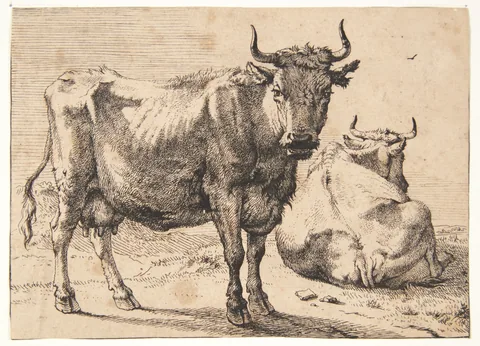
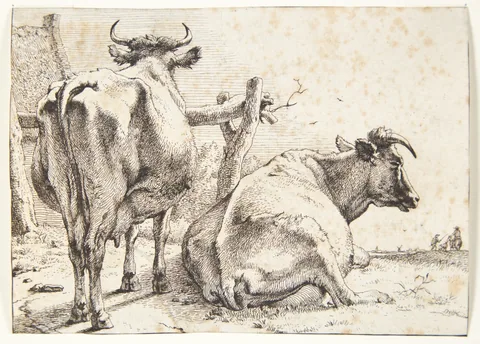
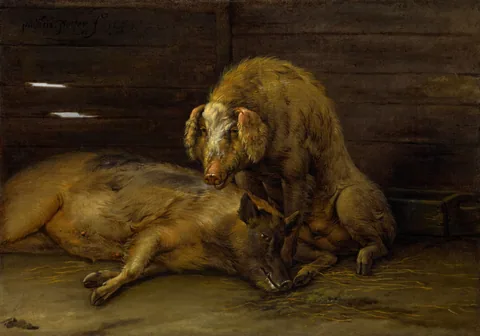
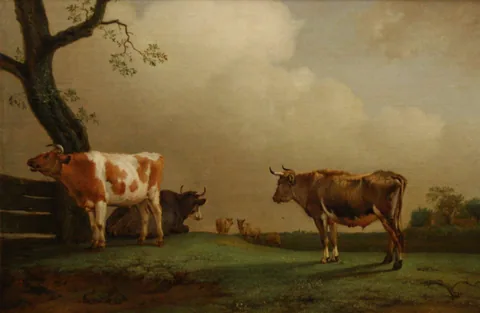
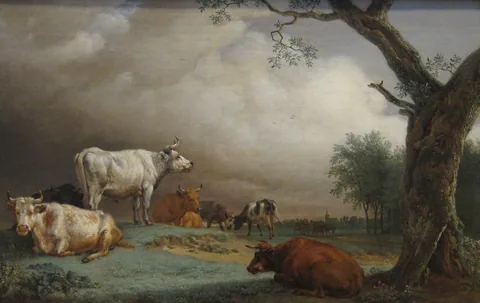
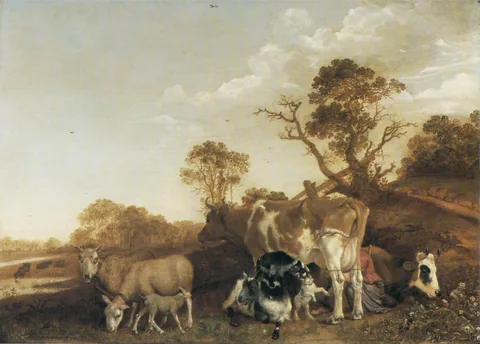
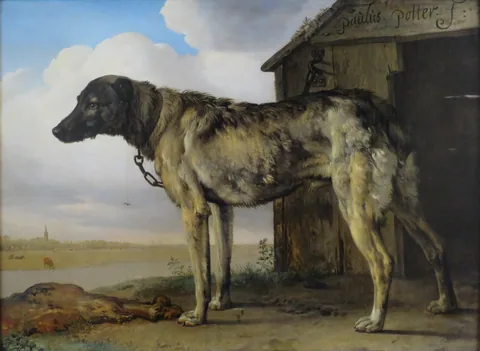
Paulus Potter painted cattle, horses and sheep with the attention other painters gave to their sitters, in a career cut short when he died before the age of 30. Look at the detail: the texture of a hide, the set of a hoof, even the flies. In the 18th and 19th centuries that realism was both admired and criticized.
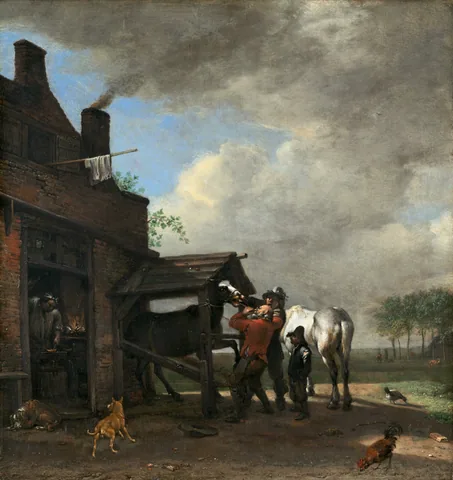
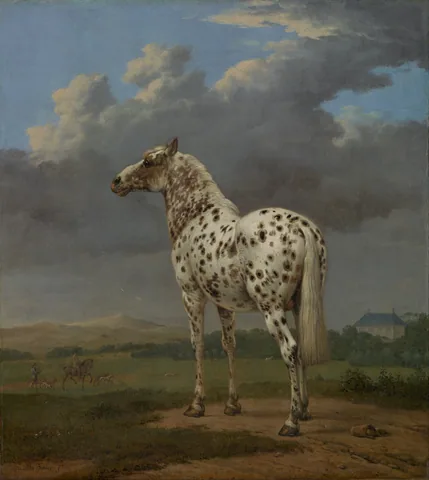
The Bull, signed and dated 1647 when Potter was 22, is nearly life-size, about 7 feet 9 inches high and more than 11 feet wide, a huge scale for an animal picture. He began with the bull alone and later added strips of canvas at the sides and top; the village behind is Rijswijk, between Delft and The Hague. Livestock experts have suggested the bull is a composite of studies of six animals of different ages. Napoleon took the painting to Paris in 1795, and it was returned to the Netherlands under the Treaty of Paris of 1815. In the 1870s the critic Eugène Fromentin named it, with The Night Watch and The Anatomy Lesson of Dr. Nicolaes Tulp, among the three most famous paintings in the country. To the Dutch, a bull stood for prosperity. The shop also has The Piebald Horse and A Farrier's Shop. Potter's animals suit a farmhouse or rustic room in a dark wood frame.
Sources: Wikipedia: The Young Bull
