Biggest sale yet: 30% off canvas, 25% off framed and posters, 15% off everything else, at checkout through Nov 30.
Shapes, lines and color for their own sake, from Kandinsky, Klee, Mondrian and the early modern painters.
185 artworks · page 1 of 4
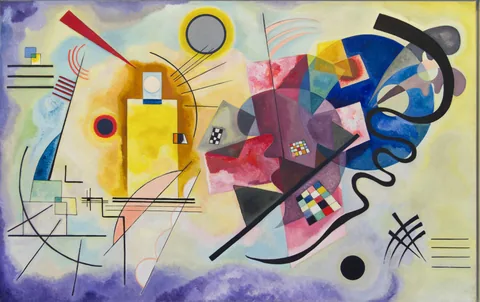
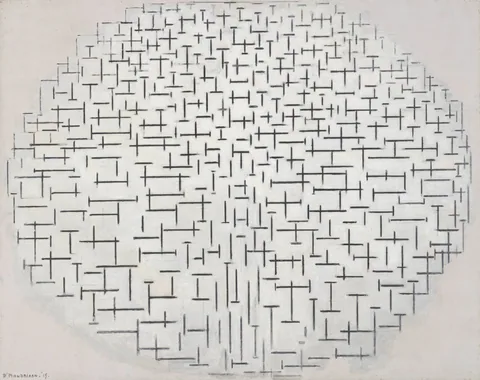
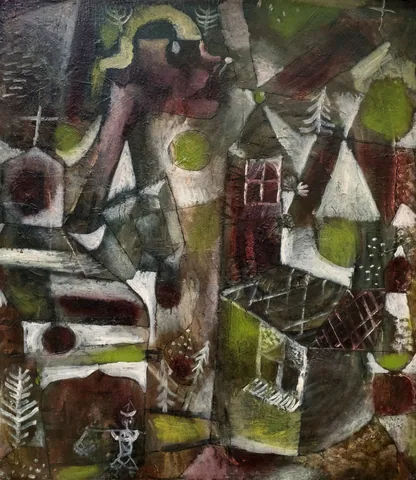
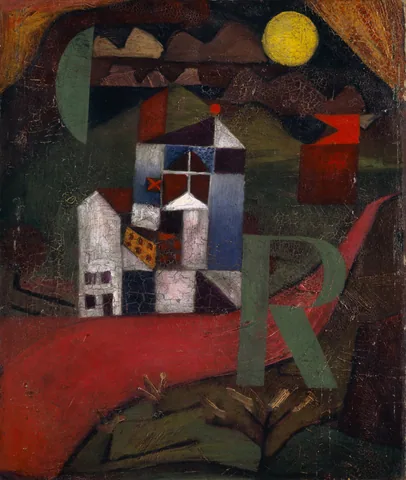
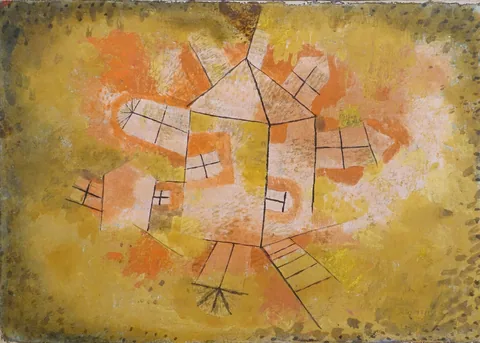
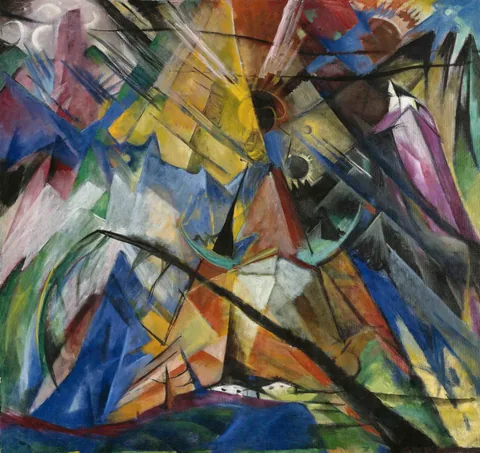
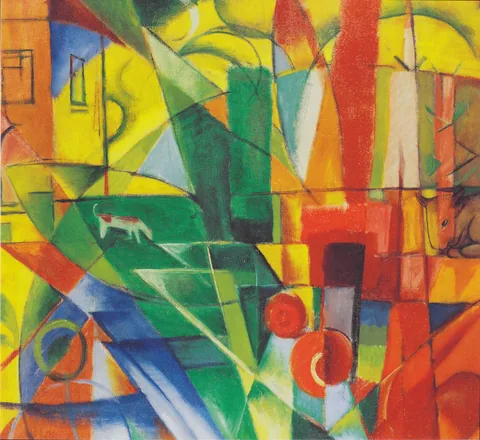
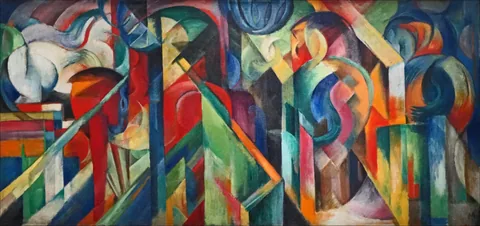
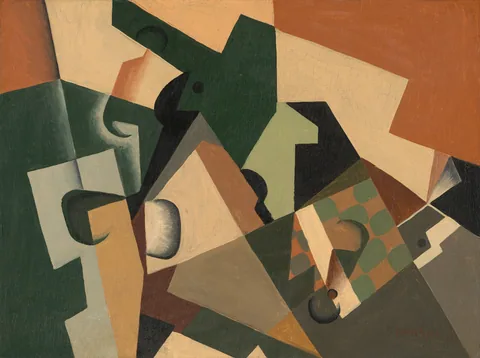
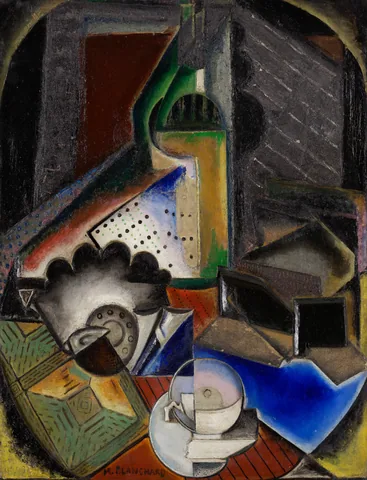
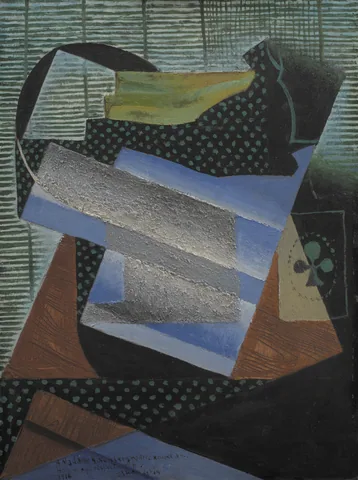
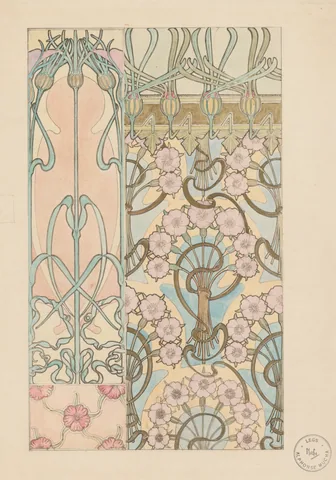
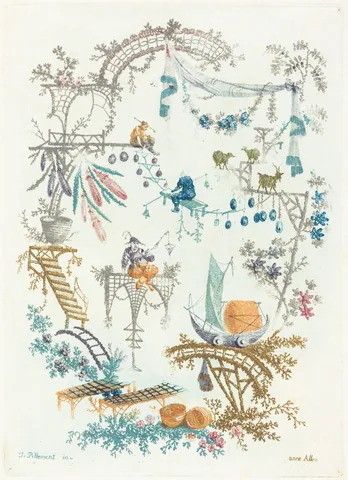
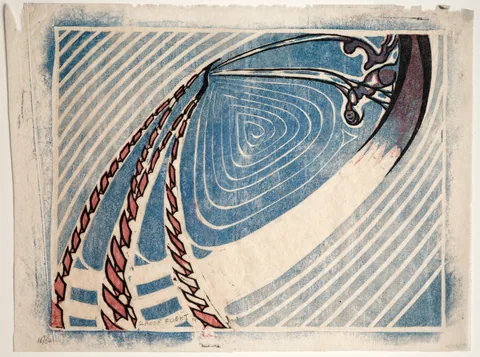
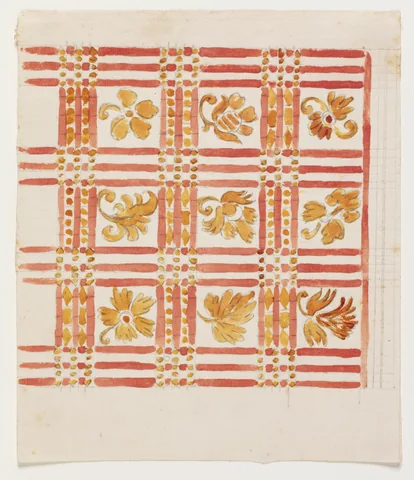
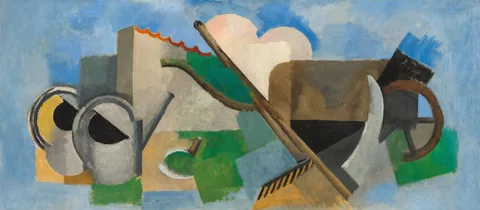
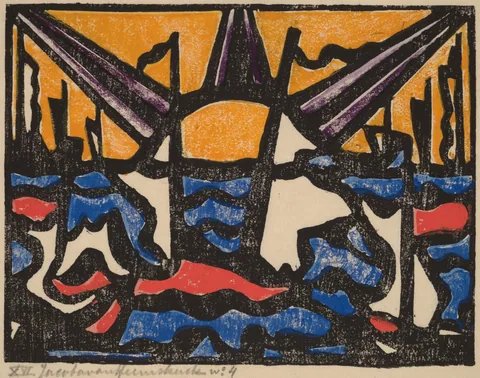
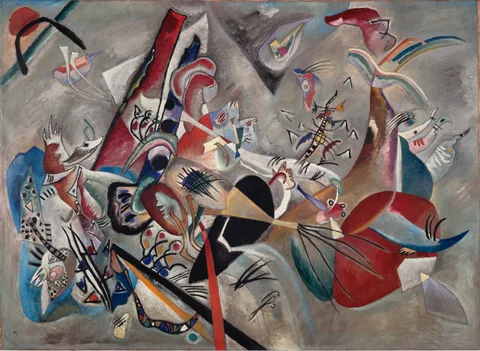
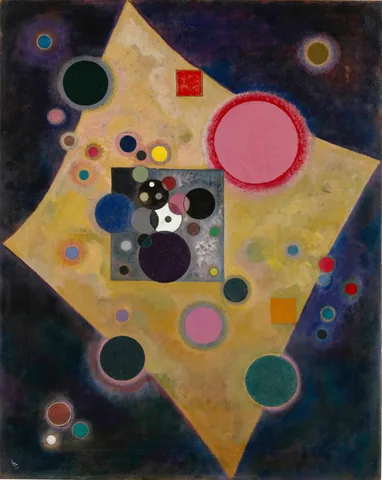
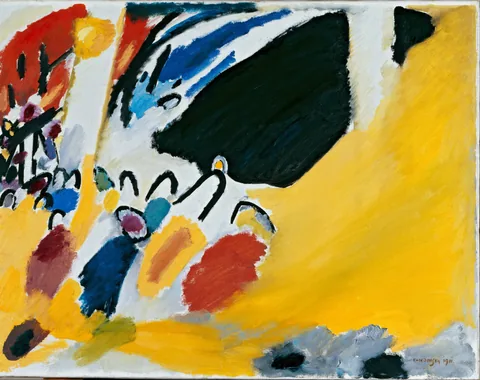
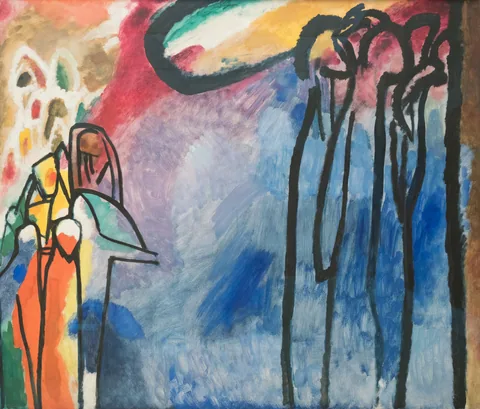
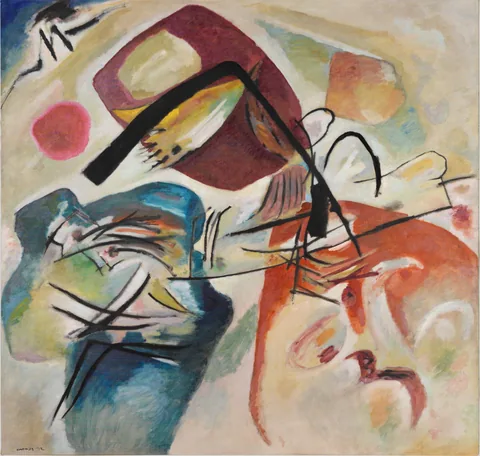
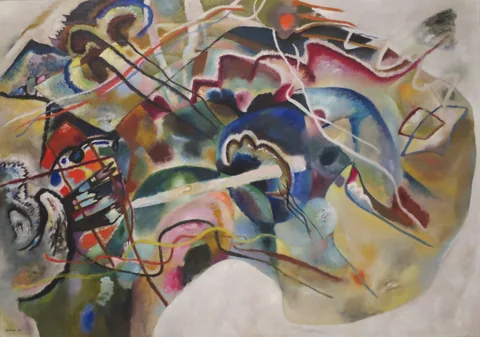
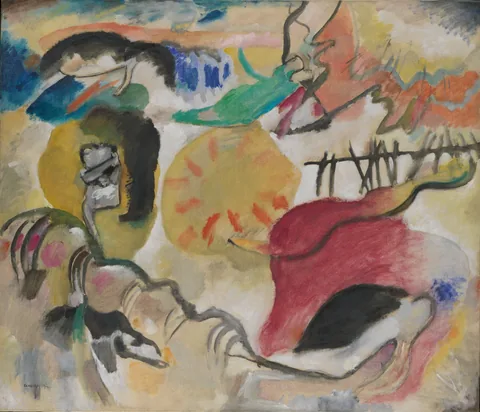
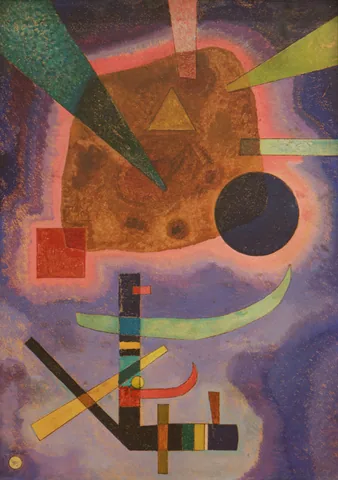
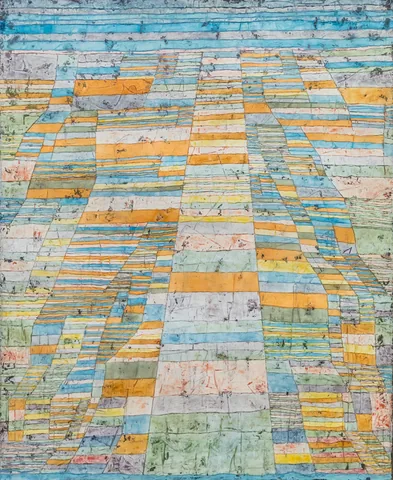
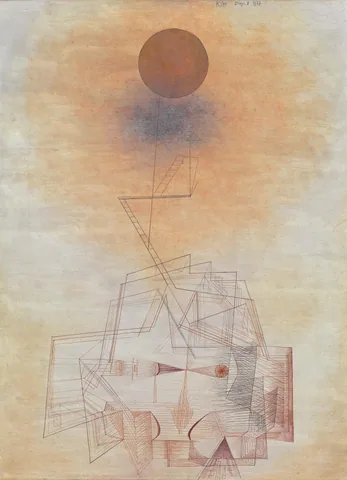
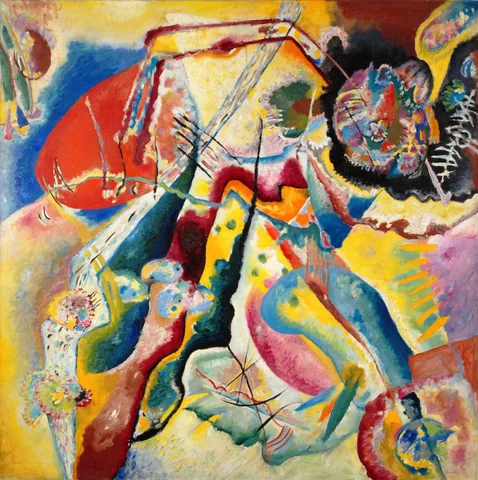
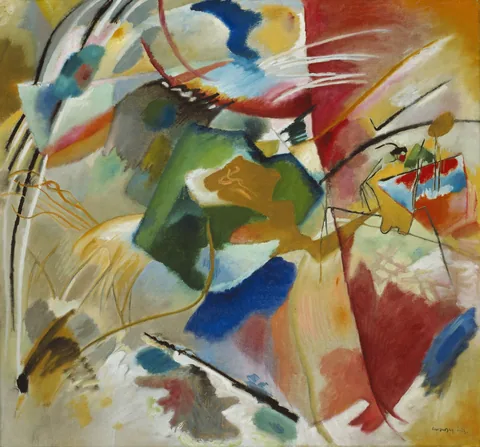
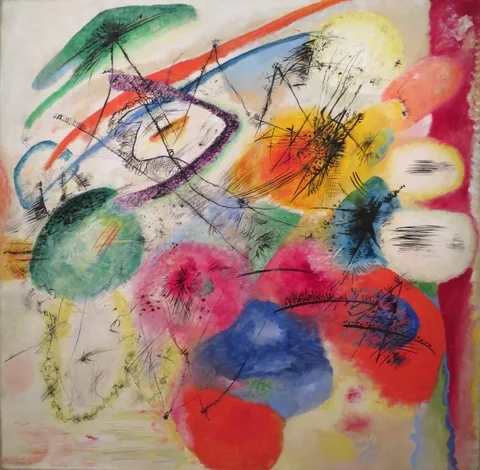
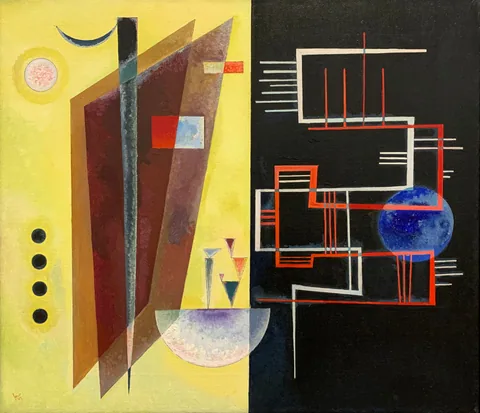
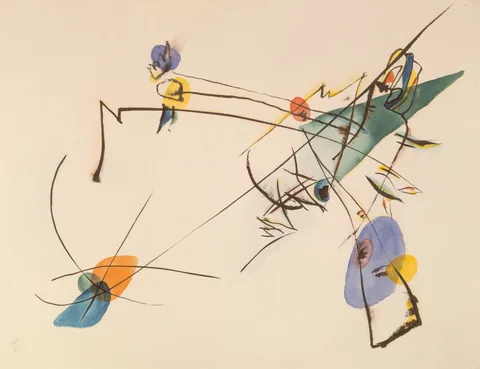
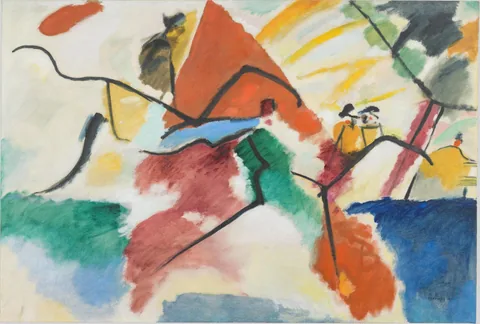
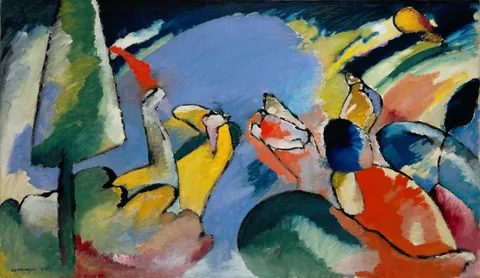
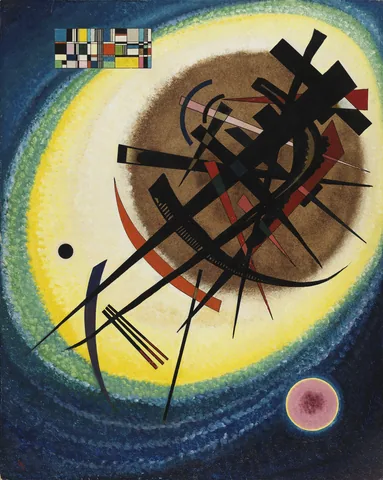
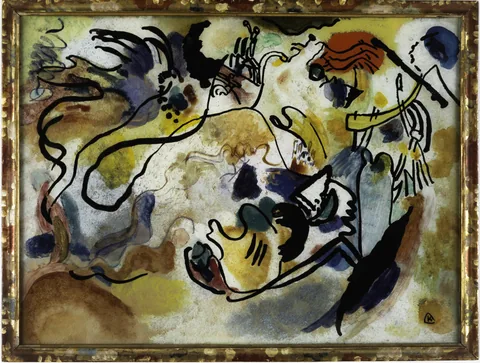
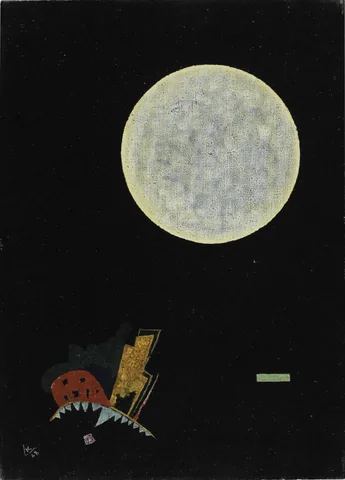
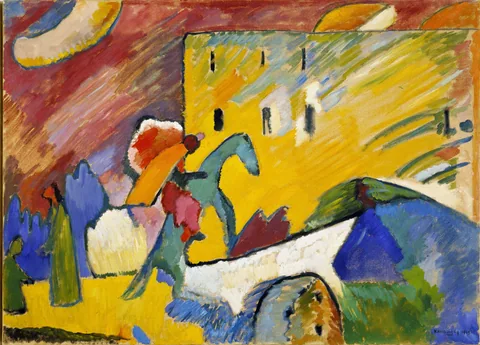
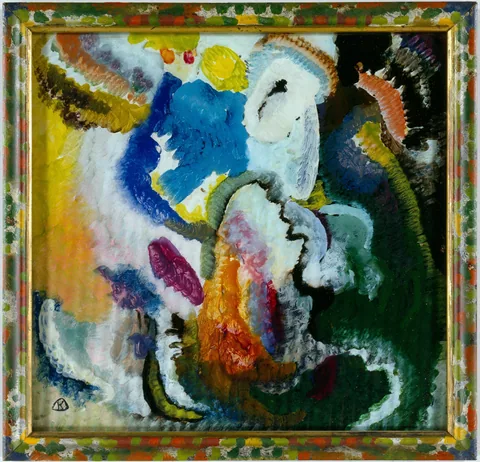
This collection is for pictures with no scene to recognize: shapes, lines and color for their own sake, along with the early modern paintings that were heading that way. Most of it comes from a few painters who knew one another. In Munich in 1911 Wassily Kandinsky and Franz Marc started Der Blaue Reiter, the Blue Rider, after the jury of the New Artists' Association of Munich turned down Kandinsky's Composition V. Kandinsky later wrote that the name came from Marc's love of horses, his own love of riders and the blue they both loved. Marc painted animals in pure color, with blue standing for the masculine and the spiritual and yellow for feminine happiness, as in The Sheep. He was killed at Verdun in 1916, aged 36, and the war ended the group.
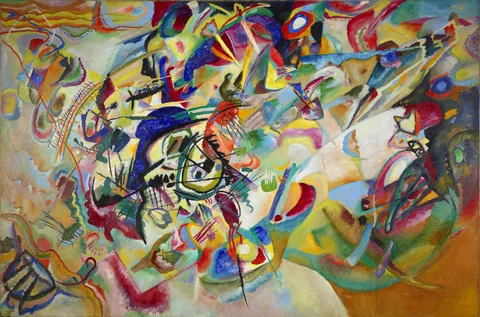
Kandinsky's Composition VII, painted in 1913 and now in the Tretyakov Gallery in Moscow, is read by art historians as the Resurrection, the Last Judgment, the Flood and the Garden of Eden dissolved into one storm of color. After the war he taught at the Bauhaus alongside the Swiss-born painter Paul Klee, who was there from 1921 to 1931. Klee, who wrote "Color and I are one," made grids of soft colored squares, as in Static-Dynamic Gradation, and drew faces, houses and plants down to a few signs. Klee and Kandinsky account for most of the pictures here.
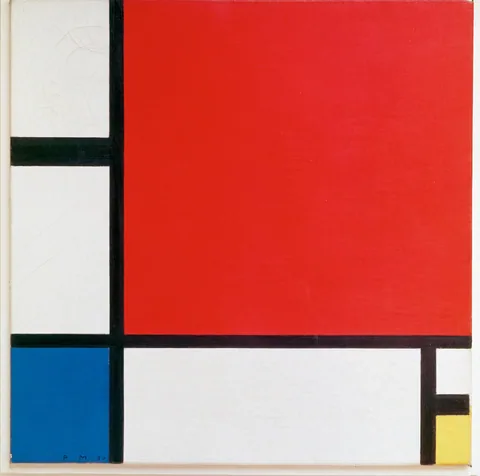
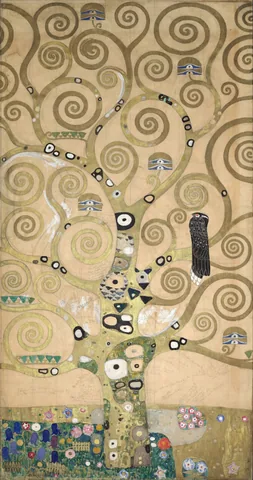
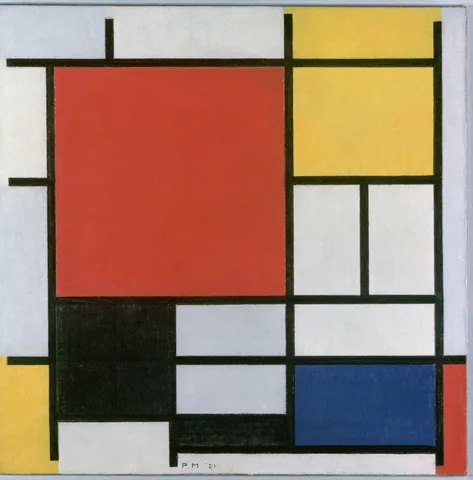
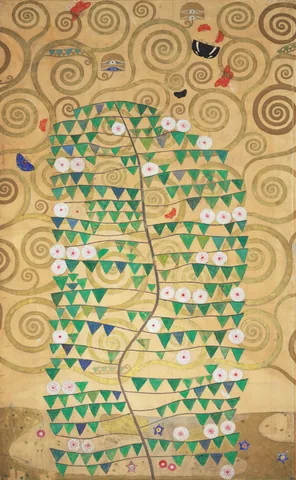
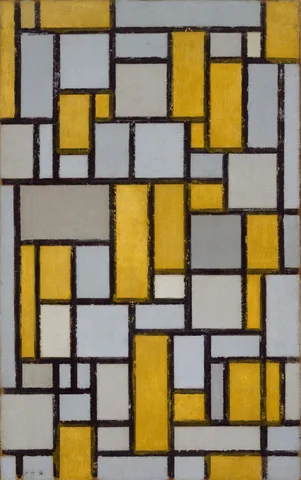
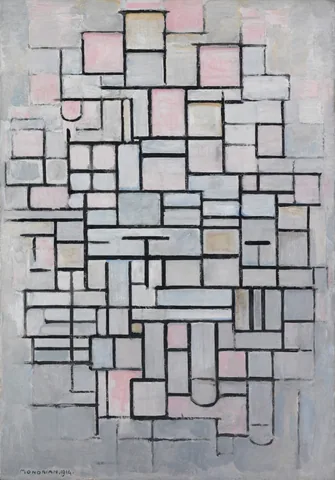
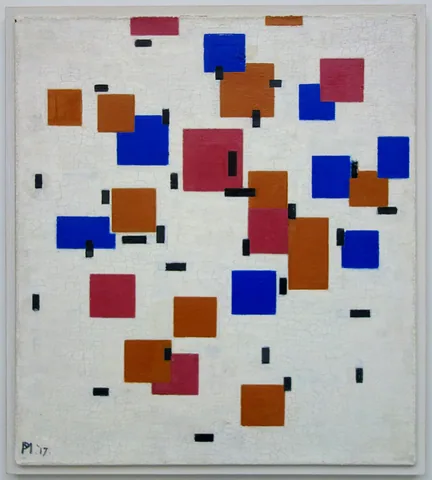
Piet Mondrian went furthest, down to horizontal and vertical lines, black, white and gray, and the three primary colors, as in Composition II in Red, Blue, and Yellow, painted in 1930 and now in the Kunsthaus Zürich. With Theo van Doesburg he co-founded De Stijl, and he called his style Neoplasticism. His earlier windmills and trees, painted on the way there, are in Landscapes. Gustav Klimt's swirling The Tree of Life of 1909 belongs to his designs for the Stoclet Frieze, made for the dining room of the Stoclet Palace in Brussels in marble, gilded tiles, enamel and semi-precious stones.
Abstract pictures are the easiest to place in a modern room, and they often look best beside older ones: a Klee next to a Dutch still life, a Mondrian in a room of plain wood and white walls. Pull one color from the picture into a cushion or a rug and the room holds together. A small Klee rewards a close look on a desk wall or in a hallway, while a large Kandinsky wants a wall of its own.
There is no single answer. Kandinsky is often named, for an untitled watercolor dated to 1910 or 1913, and Kupka, Delaunay and Mondrian had all reached abstraction by 1913, with Malevich's Black Square following in 1915. But the Swedish painter Hilma af Klint painted her first series of abstract paintings in 1906, years earlier, and asked that her work stay unseen until twenty years after her death.
Each picture is filed first under what it mainly shows. A horse or a fox you can pick out clearly goes to Birds and Animals; a picture where the animal has broken up into blocks of color and movement comes here first. Many of Marc's later pictures, such as The Sheep, are like that, so they lead here and also turn up among the animals.
Usually the plainest. A slim black or white frame keeps Mondrian's lines crisp, natural oak warms Klee's earthy colors, and a wide off-white mat gives the shapes room. Gallery-wrapped canvas suits Kandinsky's large, busy compositions, which look like paint with nothing in front of them. Smooth cotton paper keeps flat areas of color even and the blacks deep. Our frames page compares them.
Sources: Wikipedia: Der Blaue Reiter; Wikipedia: Franz Marc; Wikipedia: Composition VII; Wikipedia: Paul Klee; Wikipedia: Piet Mondrian; Wikipedia: Stoclet Frieze; Wikipedia: Abstract art; Wikipedia: Hilma af Klint
