Biggest sale yet: 30% off canvas, 25% off framed and posters, 15% off everything else, at checkout through Nov 30.
Quilts, coverlets, weathervanes, carousel horses, ship figureheads and decoys, painted as exact watercolors by the artists of the Index of American Design, the federal art project of 1935-1942.
1,371 artworks · page 9 of 29
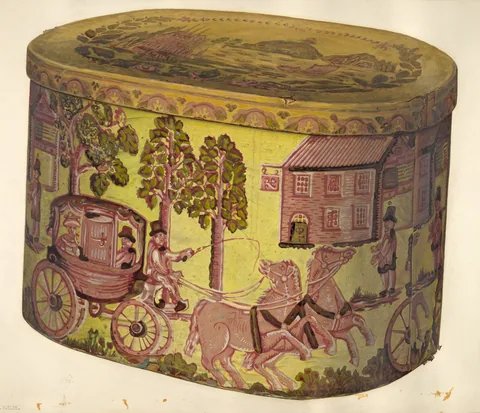
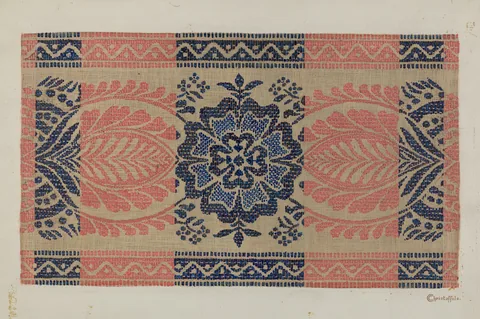
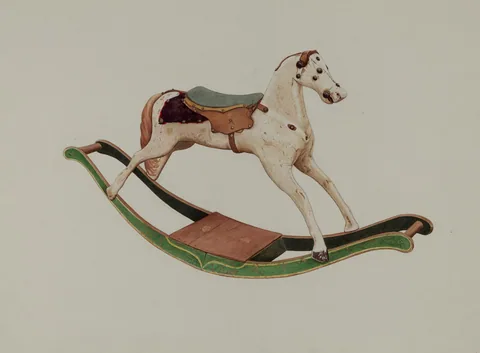
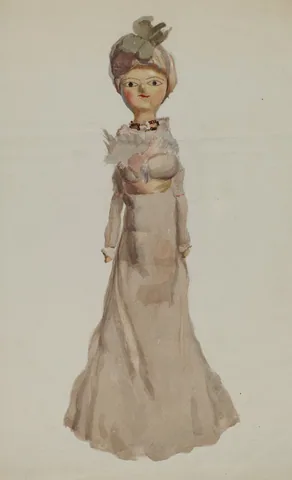
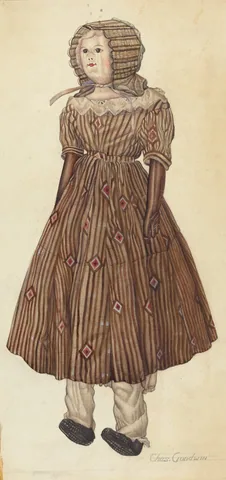
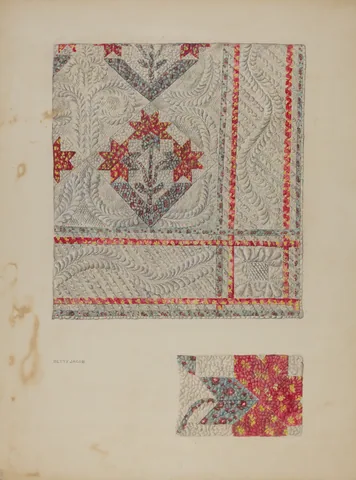
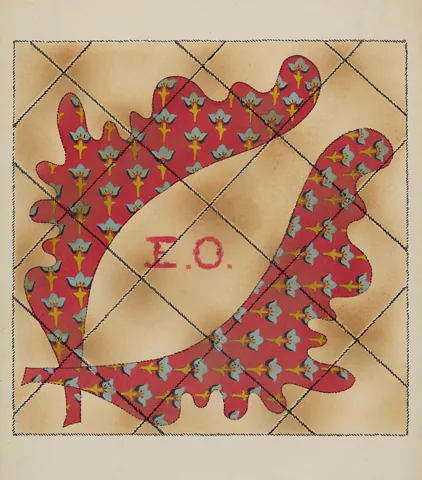
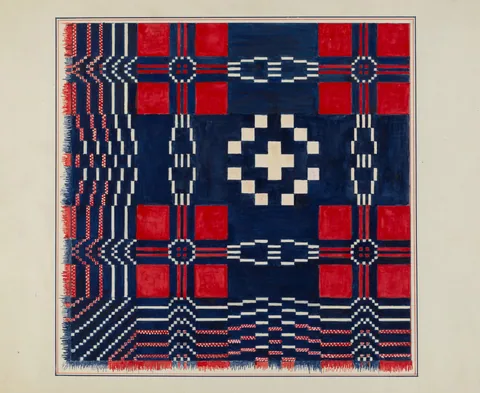
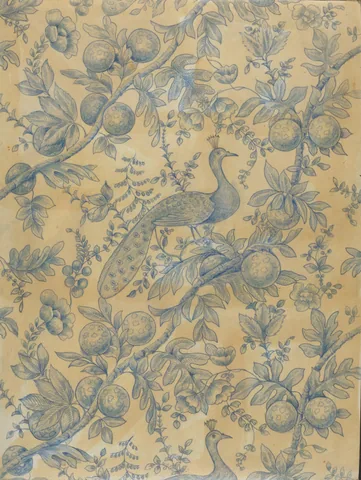
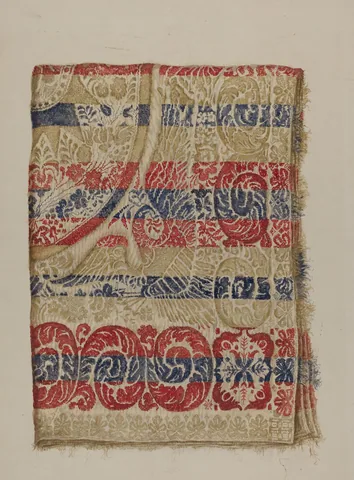
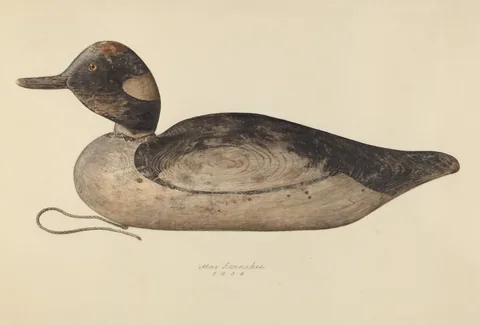
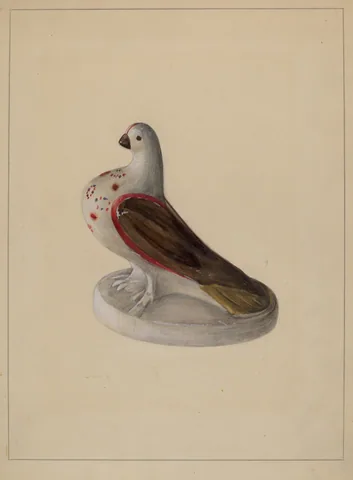
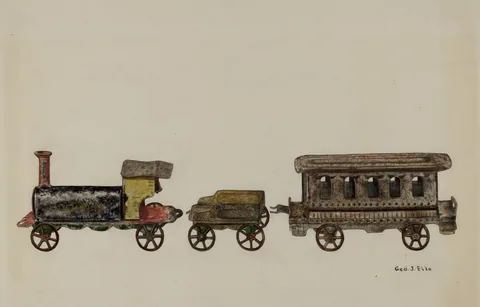
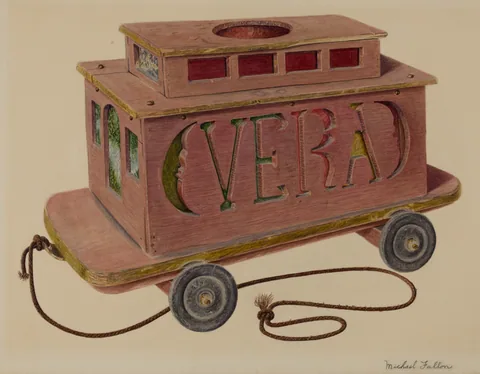
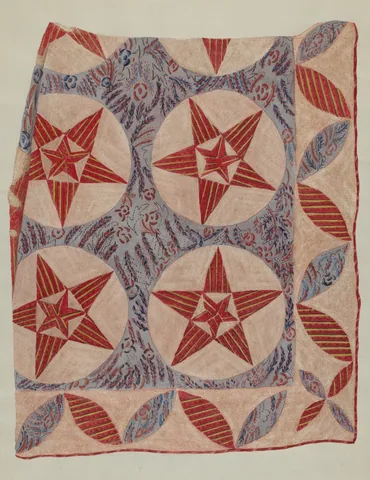
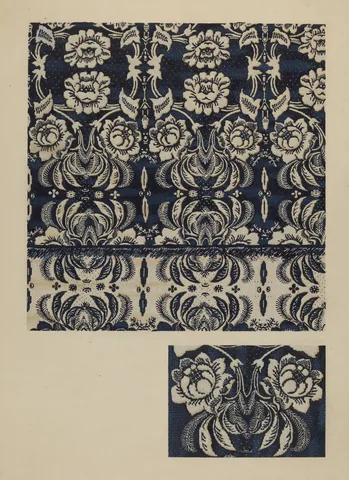
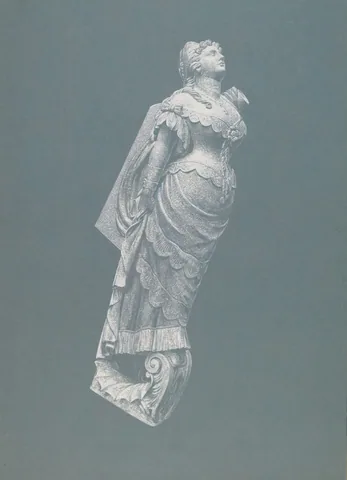
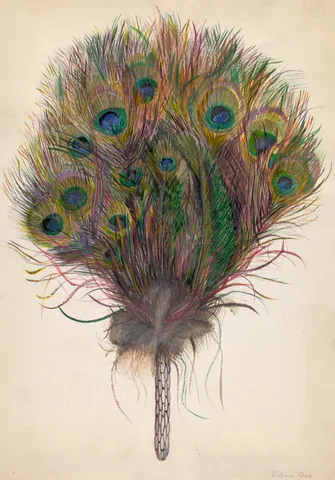
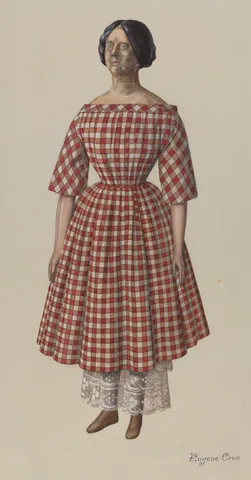
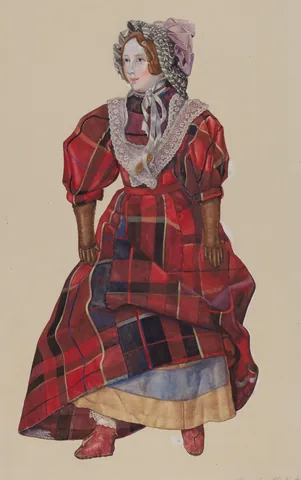
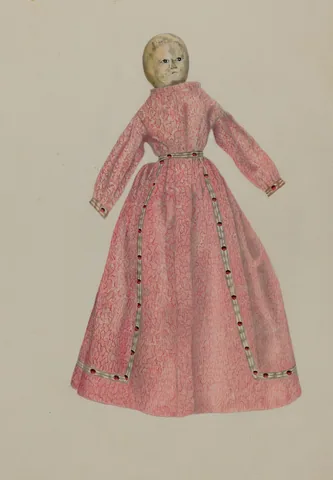
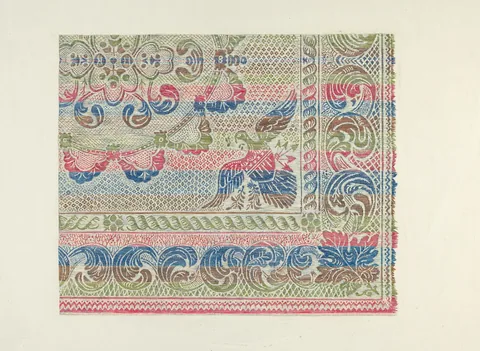
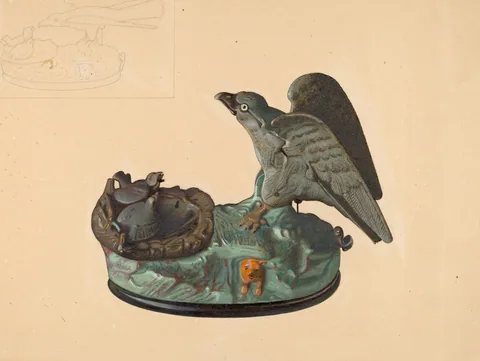
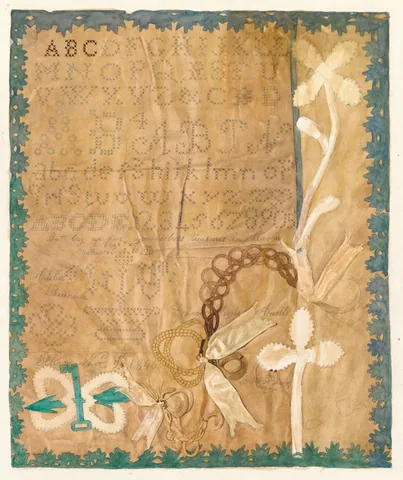
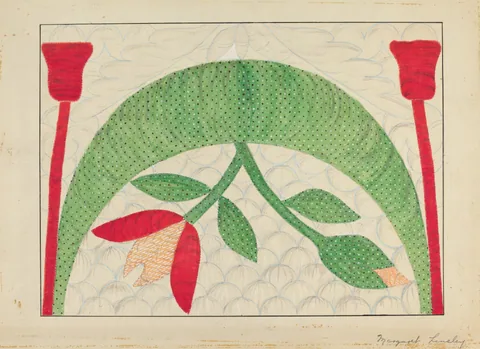
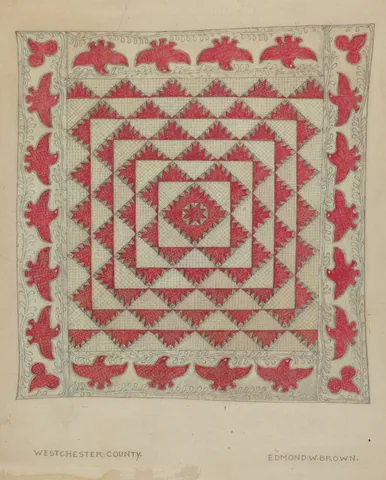
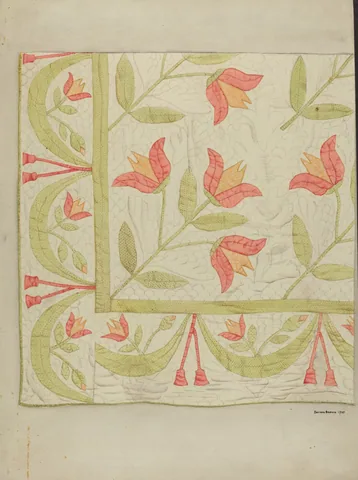
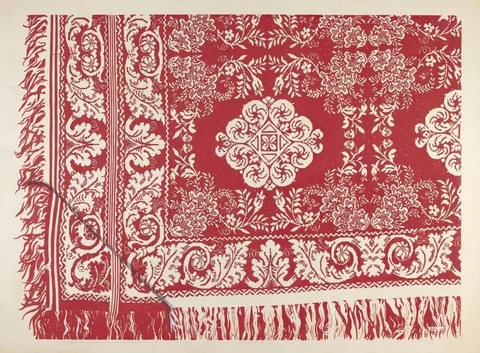
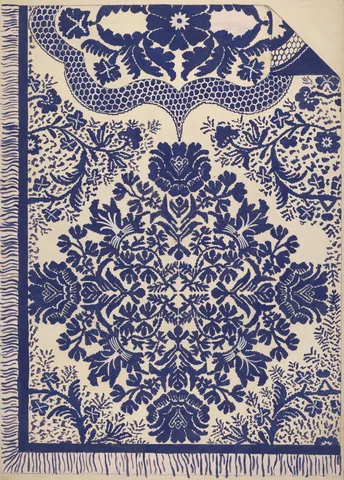
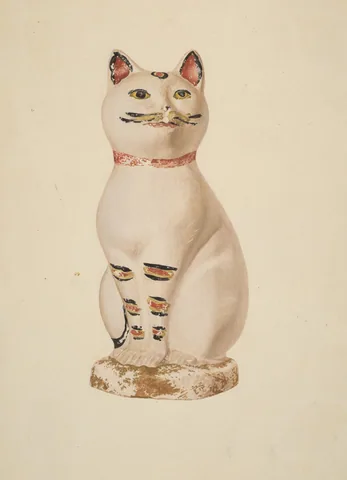
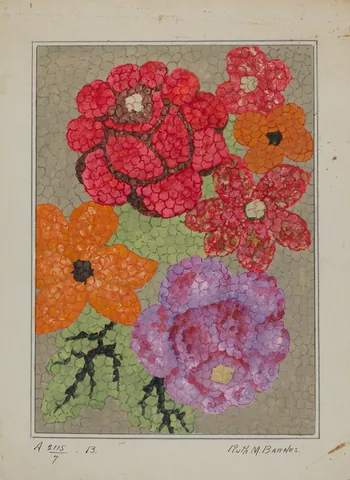
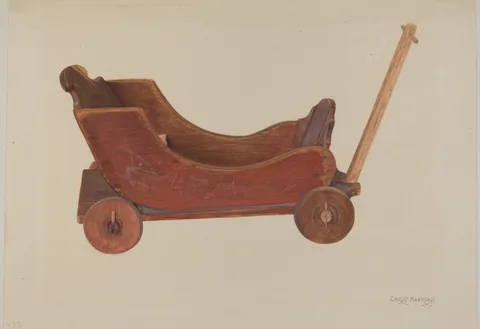
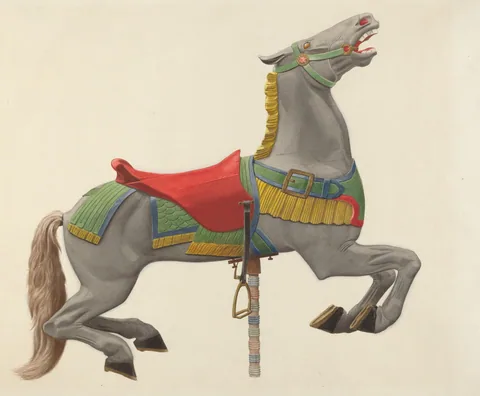
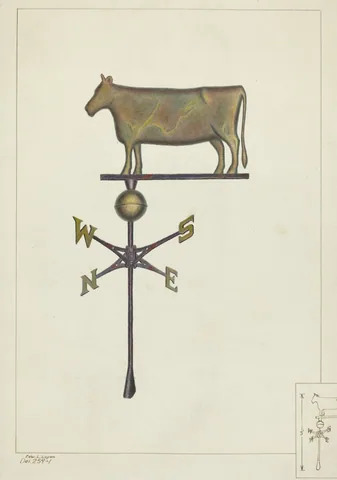
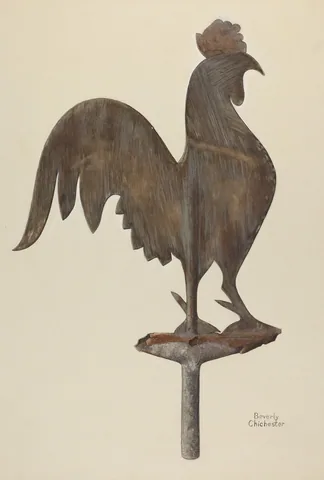
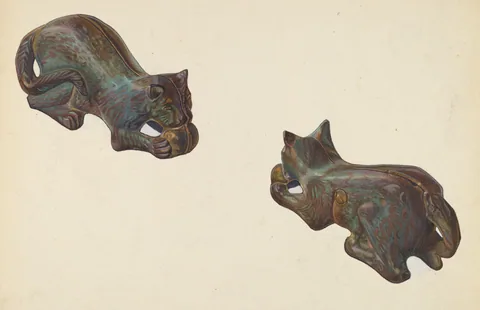
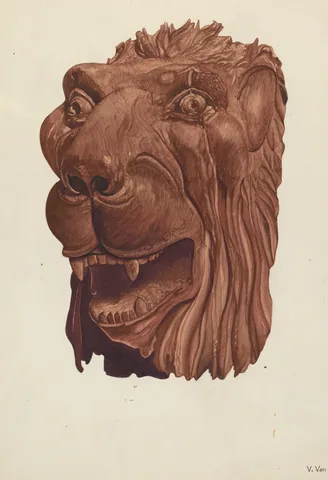
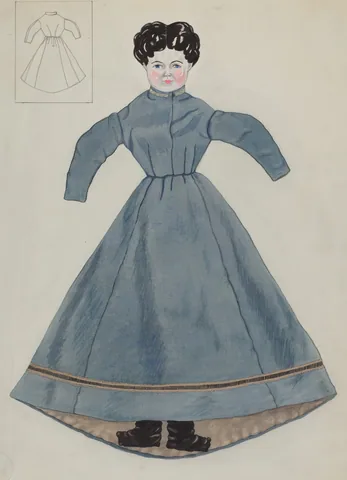
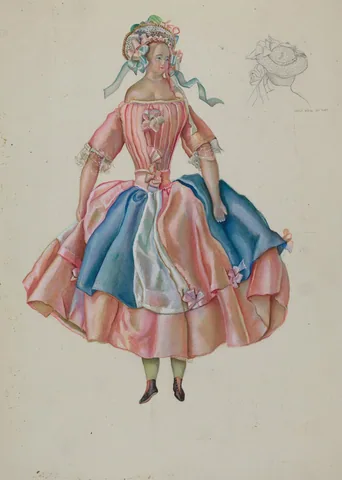
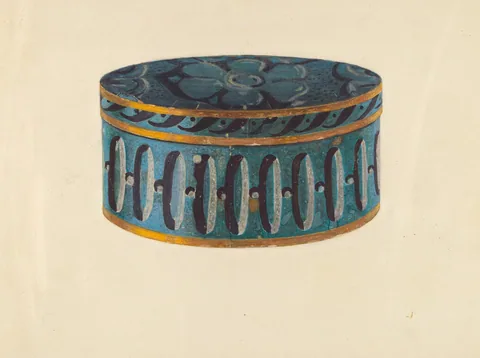
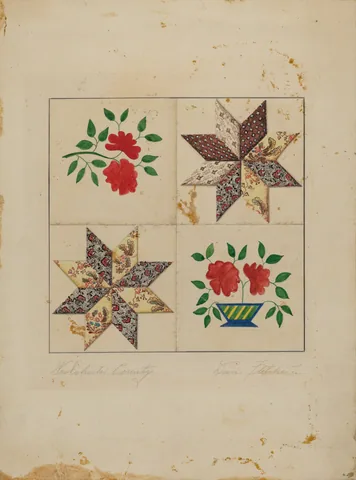
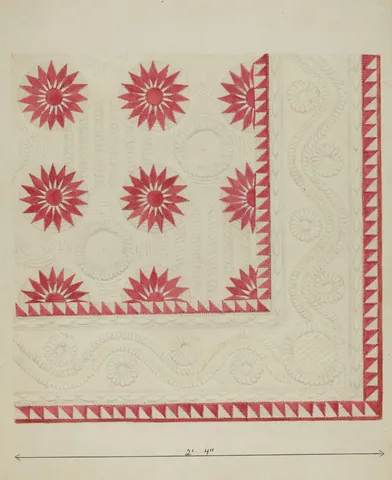
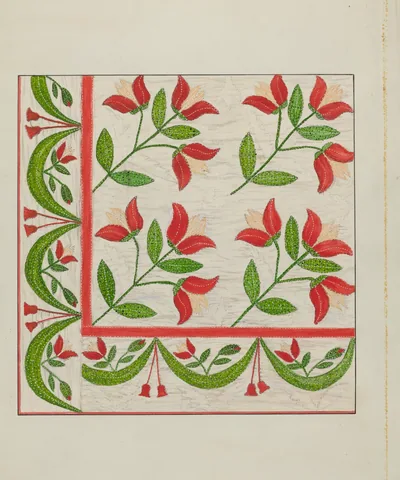
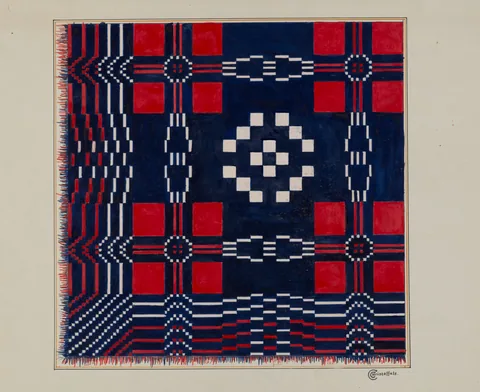
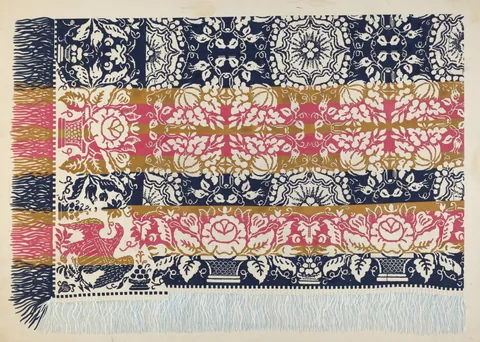
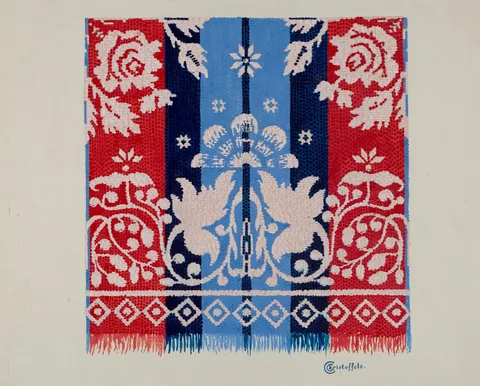
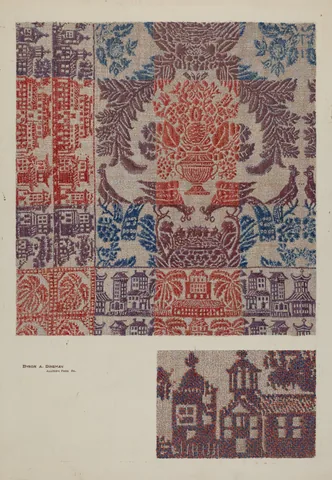
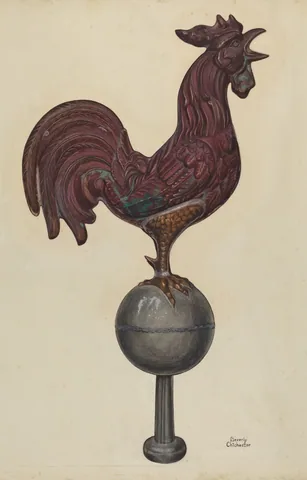
Between 1935 and 1942, artists working for the Federal Art Project of the Works Progress Administration set out to record the things Americans had made by hand: quilts, woven coverlets, weathervanes, shop and tavern signs, toys, carousel animals, ship figureheads and decoys. They painted each object in careful, exact watercolor, often down to the wear on a painted rooster or the weave of a blanket, and the finished sheets became the Index of American Design, about 18,000 renderings now held by the National Gallery of Art in Washington.
This collection gathers the most decorative of them. The textiles come first: pieced and appliqued quilts such as this Patchwork Quilt, and woven coverlets, many with the owner's name, a town and a year worked into a corner. Cornelius Christoffels painted dozens of them, among them his Coverlet. Then come the weathervanes, cut and hammered from copper and iron into roosters, horses, fish and eagles, like the Cock Weather Vane and the Horse Weather Vane.
The carved pieces are the most playful: carousel animals with painted saddles, such as this Carousel Horse, hobby horses, chalkware cats and dogs, and duck and shorebird decoys. Hooked rugs and bandboxes, the pasteboard boxes covered in printed wallpaper, add color of their own, and a few painted tavern and shop signs, with their lions, eagles and horses, carry the lettering of the inns they once hung outside. Each listing names the artist who painted the rendering, not the maker of the object, and every print is made to order from the National Gallery's own scan of the watercolor.
No. Each one is a watercolor painted between 1935 and 1942 by an artist of the Index of American Design, who studied the object and recorded its colors, pattern and wear by hand. What you buy is a print of that watercolor, made to order from the National Gallery of Art's scan of the sheet, so the paper and the painter's brushwork show as they do in the original.
The artist named is the painter of the rendering, one of the hundreds of artists the Federal Art Project employed for the Index during the Depression. The quilt, coverlet or weathervane itself was made earlier, by its own maker, and the title of each listing names the object the rendering shows, such as a coverlet, a decoy duck or a horse weather vane.
The Index of American Design has been at the National Gallery of Art in Washington since 1943, about 18,000 renderings in all. The gallery makes its scans of works like these free to use, and every listing links to the gallery's own page for its rendering, with the medium, the size of the sheet and the credit line.
Quilts and coverlets bring pattern and warm color to a bedroom, a guest room or a sewing room, and a weathervane rooster or a carousel horse suits a kitchen, a child's room or a farmhouse hallway. Several renderings of one kind, framed alike and hung in a row or a grid, read as a collection, much as a run of botanical plates does.
Sources: Wikipedia: Index of American Design; Wikipedia: Federal Art Project; National Gallery of Art: Index of American Design rendering, Embroideries
