Biggest sale yet: 30% off canvas, 25% off framed and posters, 15% off everything else, at checkout through Nov 30.
Flower paintings and botanical studies, from Dutch bouquets to Redouté's lilies and hand-colored plates. Precise, fresh and easy to live with.
961 artworks · page 3 of 21
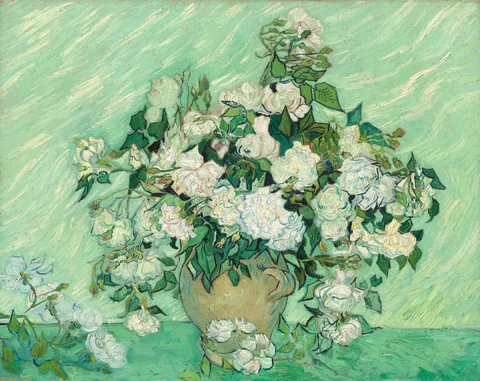
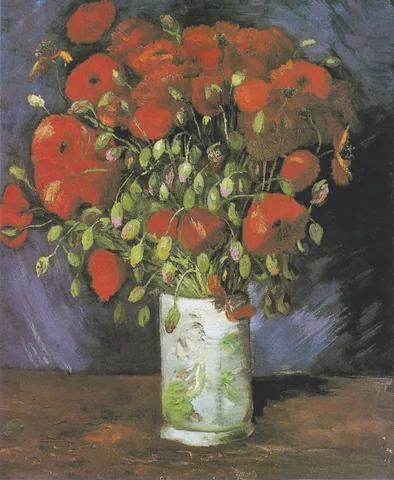
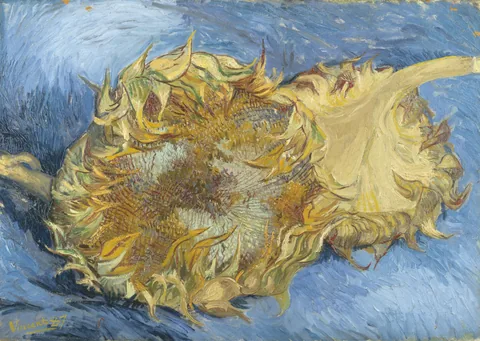
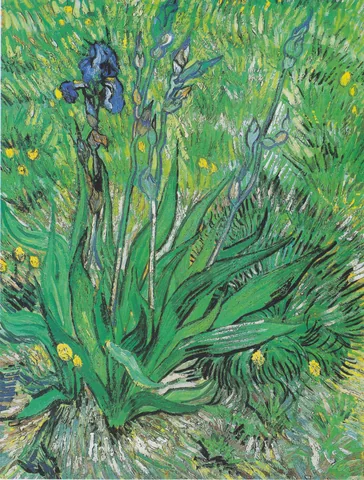
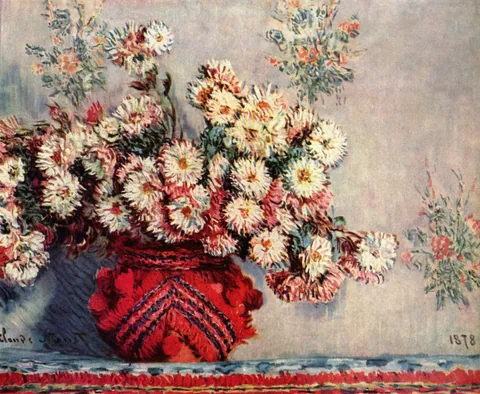
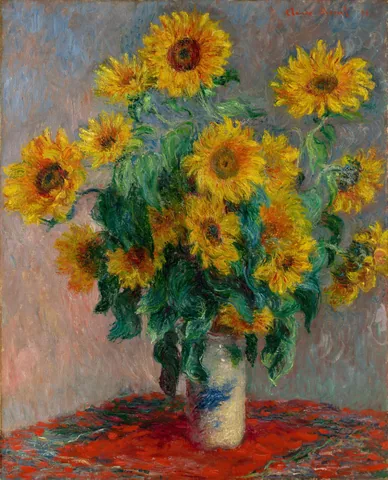
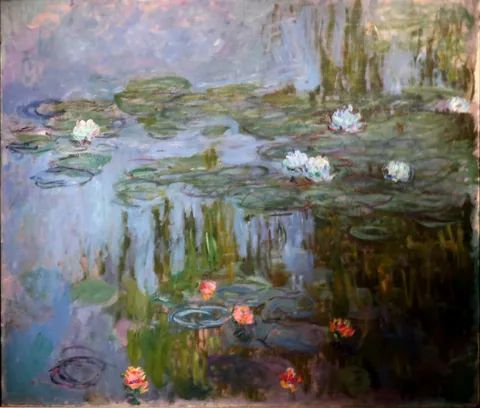
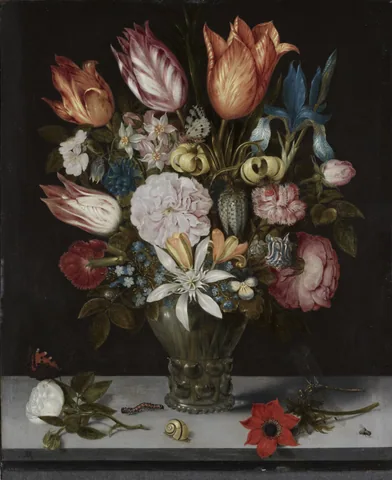
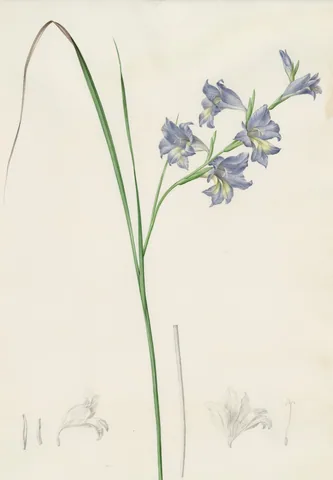
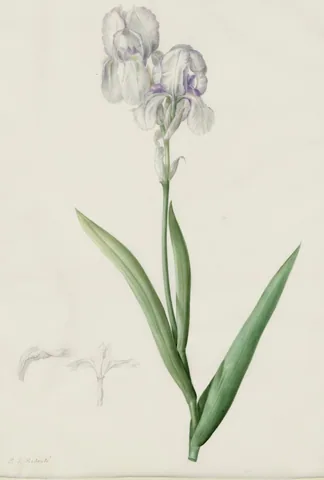
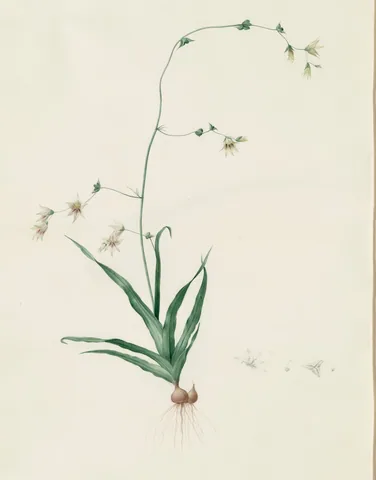
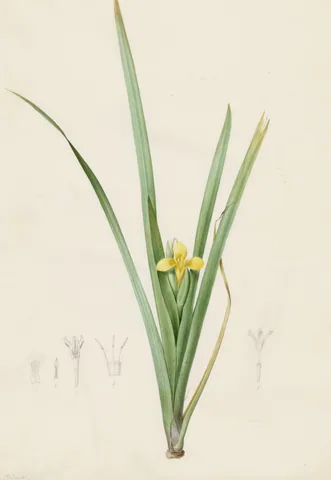
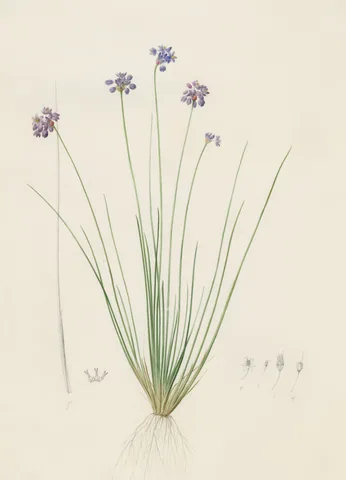
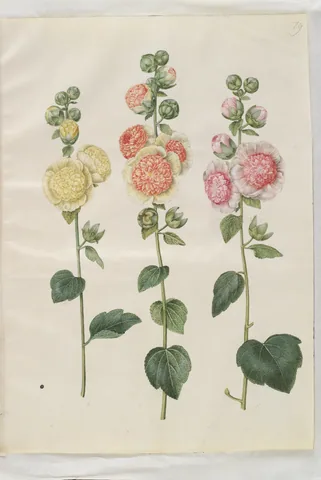
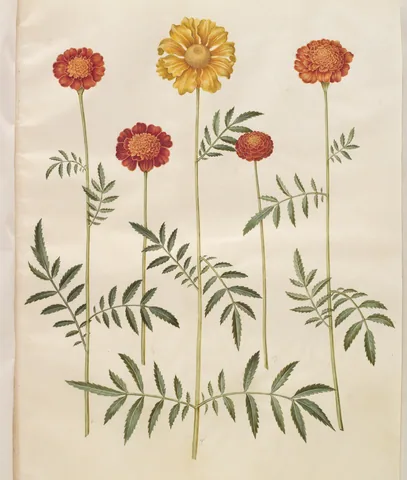
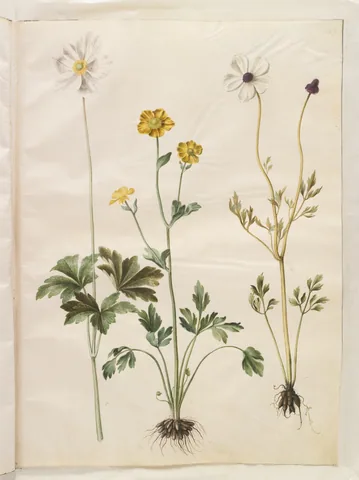
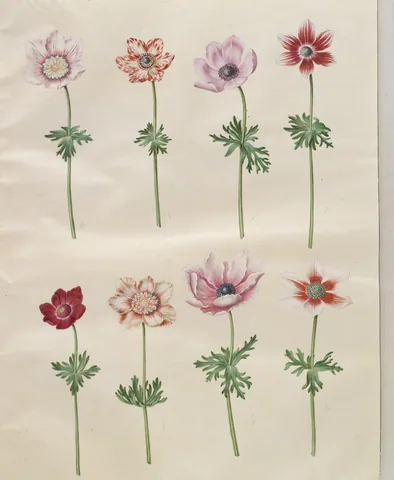
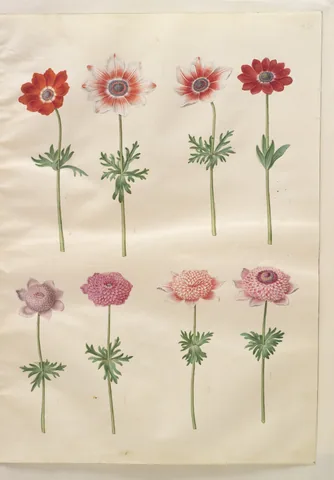
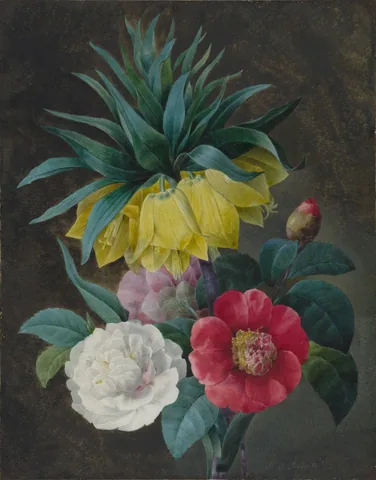
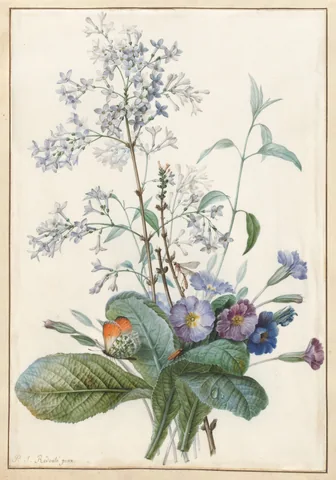
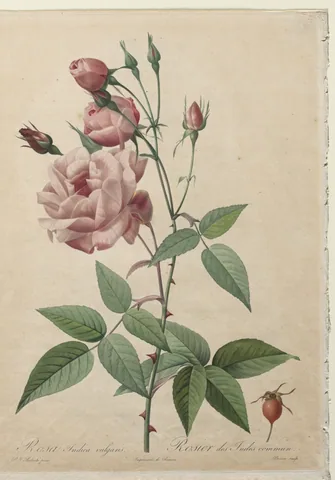
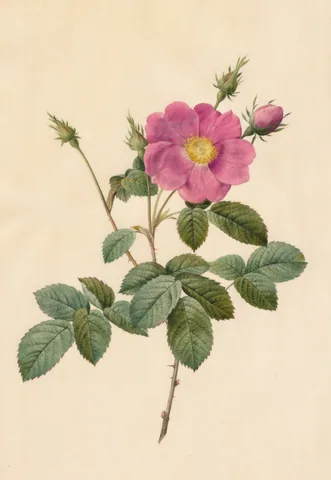
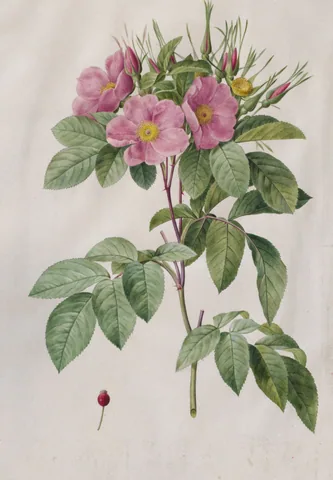
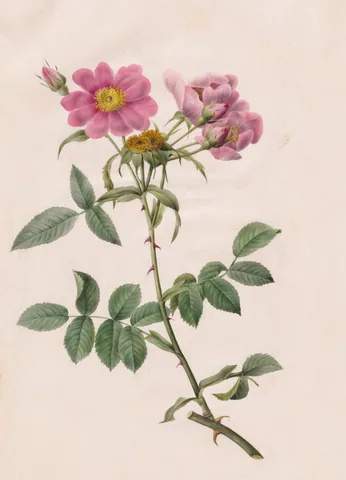
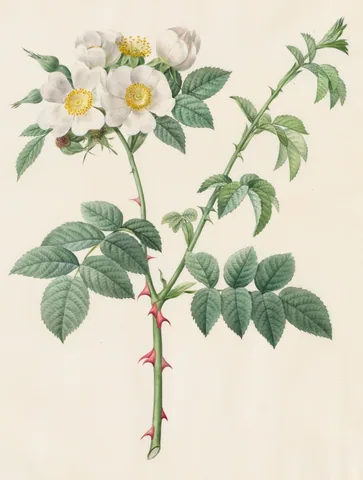
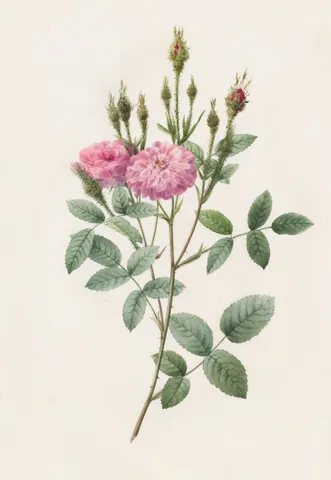
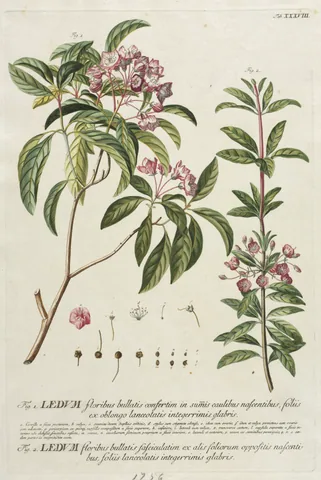
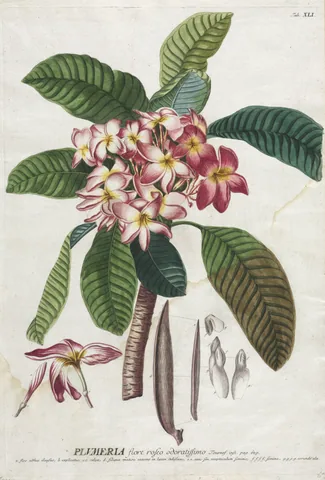
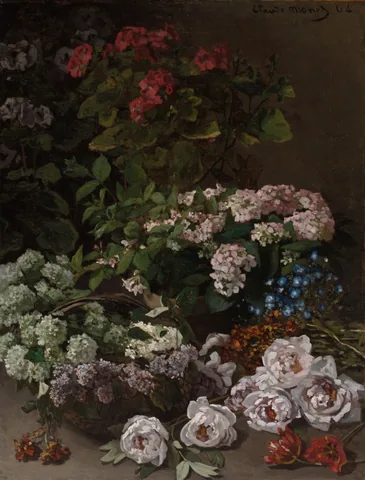
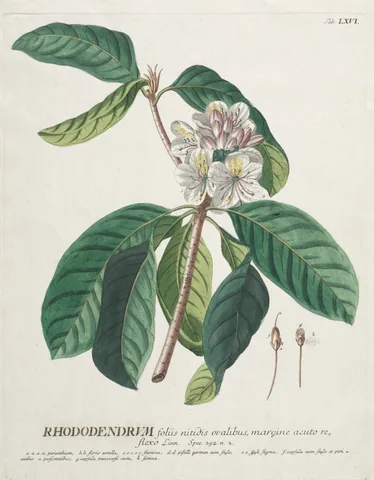
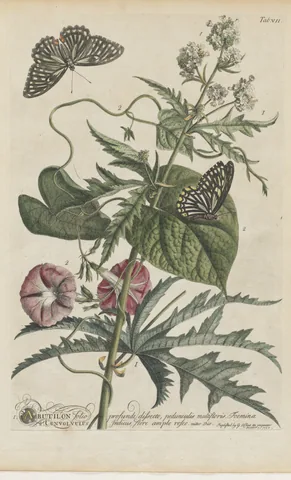
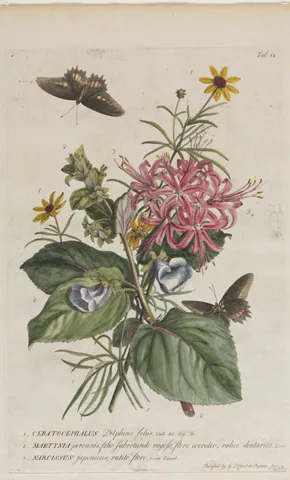
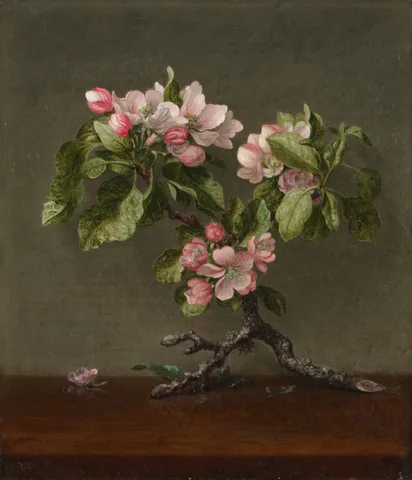
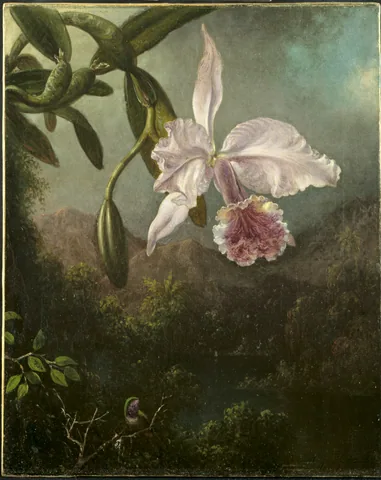
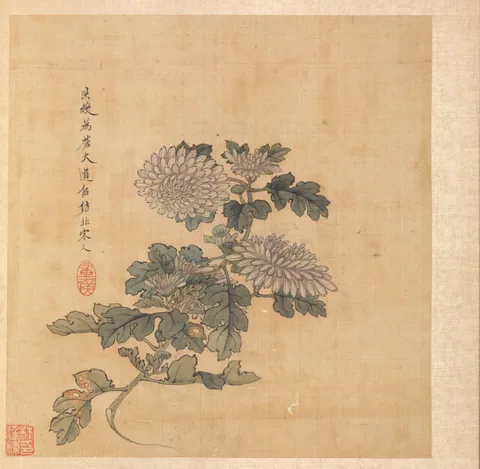
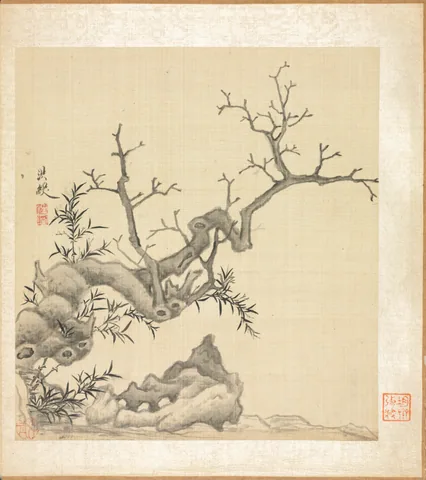
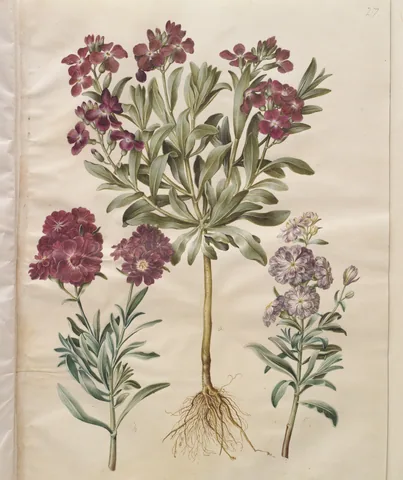
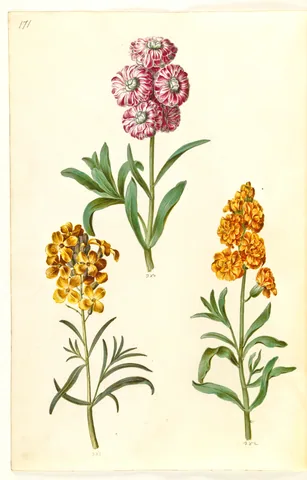
Much of this collection comes from one book. Between 1649 and 1659 Hans Simon Holtzbecker of Hamburg painted the Gottorf Codex for Frederick III, Duke of Holstein-Gottorp: four volumes in gouache on parchment, recording 1,180 plants from the duke's gardens at Gottorf Castle. More than two hundred of its pages are here, anemones, hollyhocks, marigolds and stocks among them, and Dianthus caryophyllus (Carnation) is a good place to start.
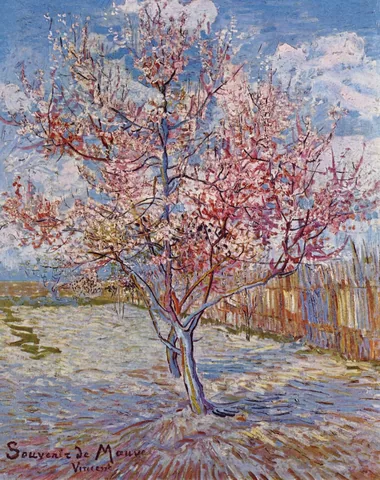
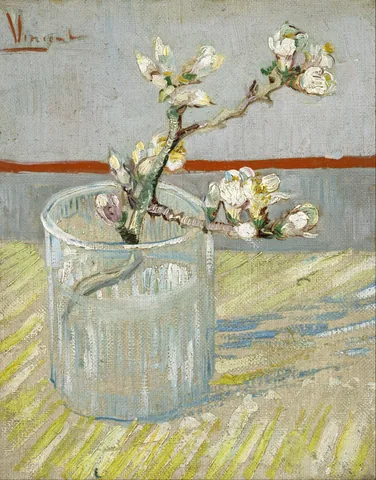
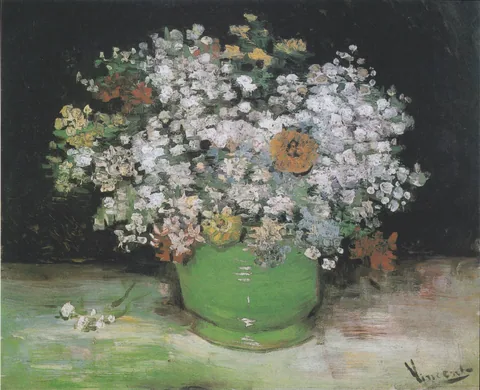
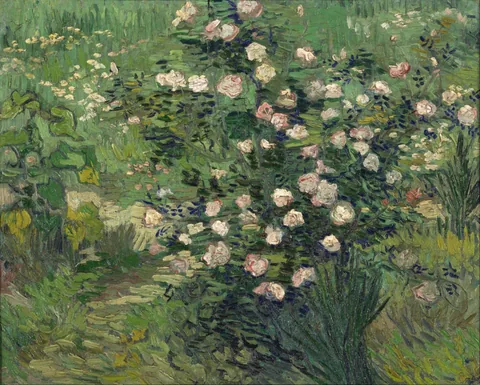
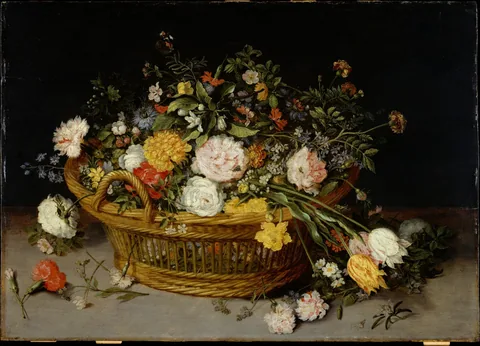
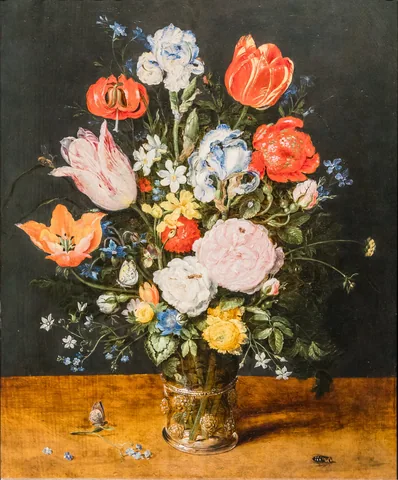
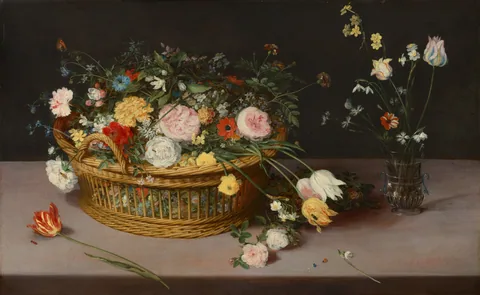
A botanical plate is made to describe a plant exactly, and the 1700s and early 1800s were the age of the great flower books. Georg Dionysius Ehret drew lilies, magnolias and rhododendrons for Plantae Selectae. Pierre-Joseph Redouté, known as the Raphael of flowers, counted Marie Antoinette and the Empress Joséphine among his patrons, and his Les Liliacées came out from 1802 to 1816 in colored stipple engraving, as in Iris ochroleuca. Robert John Thornton's folio Temple of Flora failed to find buyers, and even a lottery could not save him from ruin. Painters took up flowers for their own sake too. Ambrosius Bosschaert was among the first to paint the flower piece as a picture in its own right, as in Vase of Flowers in a Window Niche; Rachel Ruysch and Jan van Huysum carried the Dutch bouquet into the 1700s; and Van Gogh painted Almond Blossom to celebrate the birth of his nephew.
Plates look most at home in company. Choose four or six from one book, so the paper tone, the scale and the drawing all match, frame them alike in natural oak or maple with a white or cream mat, and hang them as a grid. Textured Cold Press cotton paper gives them the feel of a watercolor sheet. A dark Dutch bouquet works the other way round: one, larger, in the Slimwoods black and gold frame, can hold a wall alone. For birds, shells and insects, see Natural History Plates.
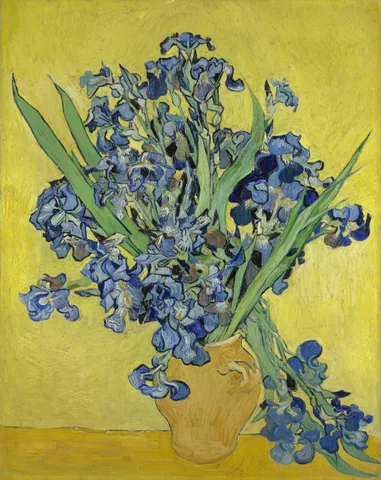
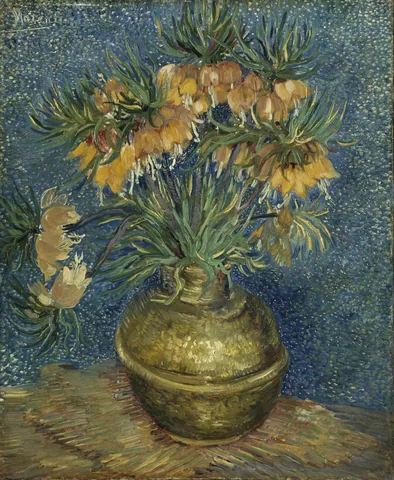
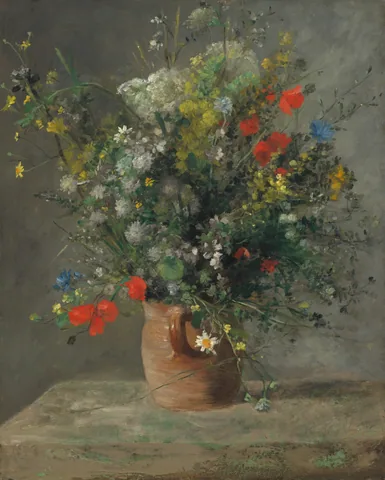
No, though they hang well together. A botanical illustration is made to describe a plant accurately, often showing flower, leaf, bud and seed on a plain ground, usually to sit beside a written description. A flower painting is made to be looked at: Dutch bouquets gather many kinds of flowers into one vase, and Van Gogh painted blossoms for their color and feeling.
A four-volume flower book that Frederick III, Duke of Holstein-Gottorp, commissioned to record the plants in his gardens at Gottorf Castle. Hans Simon Holtzbecker of Hamburg painted it in gouache on parchment between 1649 and 1659: 365 pages, with one to ten plants on each. Work stopped when the duke died in 1659, and the codex now belongs to the National Gallery of Denmark in Copenhagen.
Pages from the same book match best, because the paper tone, the scale and the drawing hand are shared: Holtzbecker's codex pages, Ehret's Plantae Selectae or Redouté's Les Liliacées. Keep the shapes alike too, all upright or all square. A Dutch bouquet can join a group of plates if one of its colors repeats in them and every piece has the same frame and mat.
In a kitchen, a framed print behind clear acrylic is the usual choice, hung away from the stove. In a bathroom that fills with steam, consider a metal print, a glossy aluminum panel that shrugs off damp and wipes clean. Keep unframed paper and canvas out of the steam. Metal prints, like framed pieces, ship to the lower 48 states only.
Sources: Wikipedia: Gottorfer Codex; Wikipedia: Botanical illustration; Wikipedia: Pierre-Joseph Redouté; Wikipedia: Robert John Thornton; Wikipedia: Ambrosius Bosschaert; Wikipedia: Rachel Ruysch; Wikipedia: Almond Blossoms
