Biggest sale yet: 30% off canvas, 25% off framed and posters, 15% off everything else, at checkout through Nov 30.
Ink and color paintings from the Song to the Qing dynasties: misty mountains, bamboo, birds, flowers and album leaves.
188 artworks · page 4 of 4
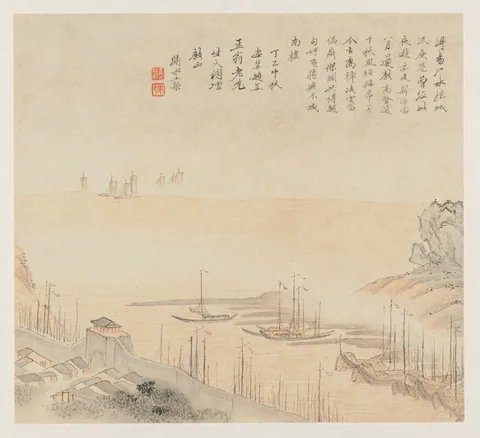
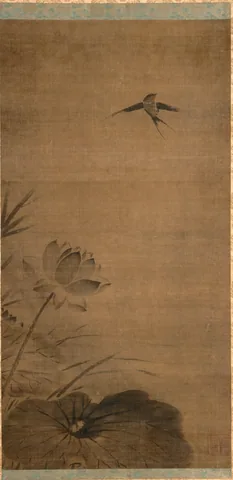
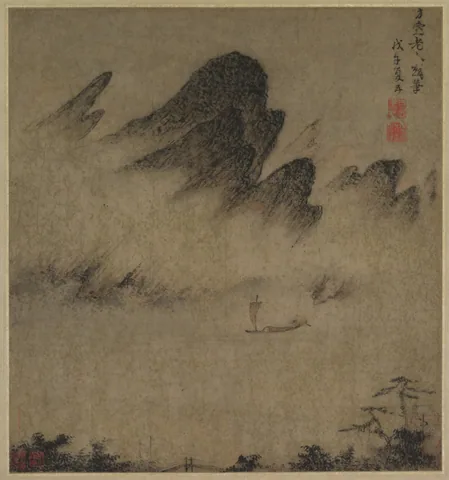
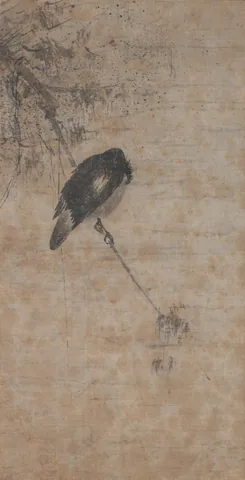
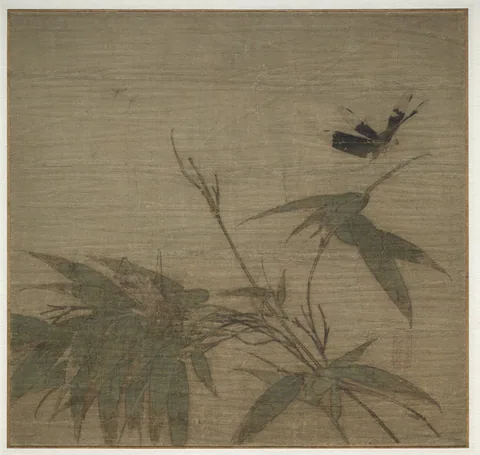
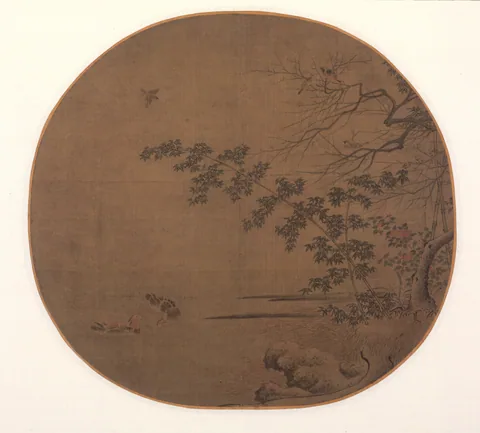
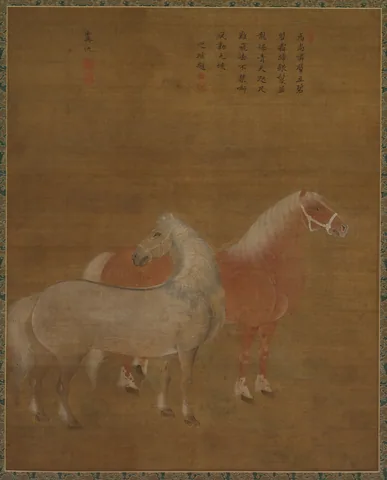
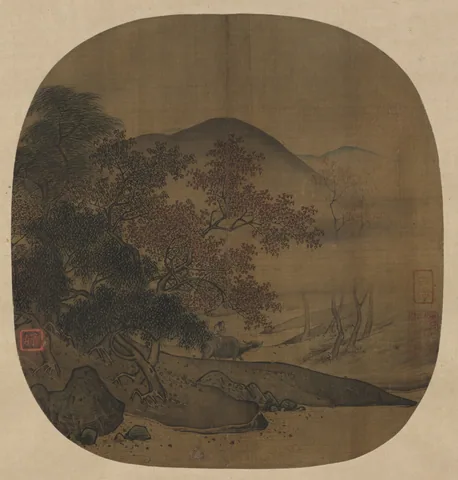
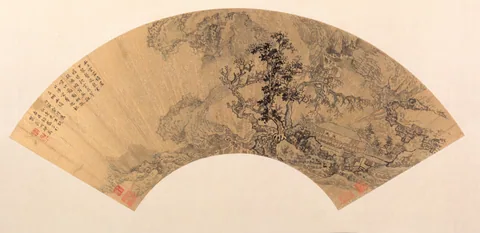
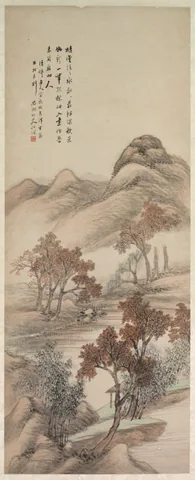
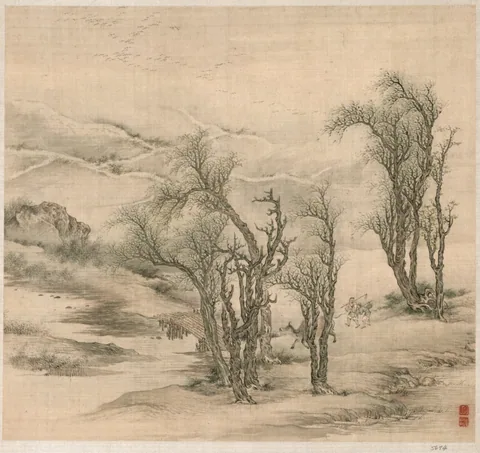
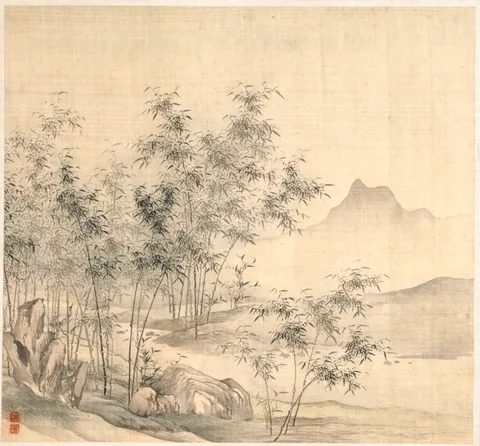
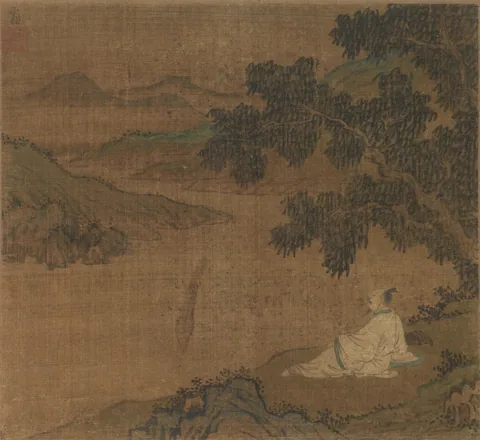
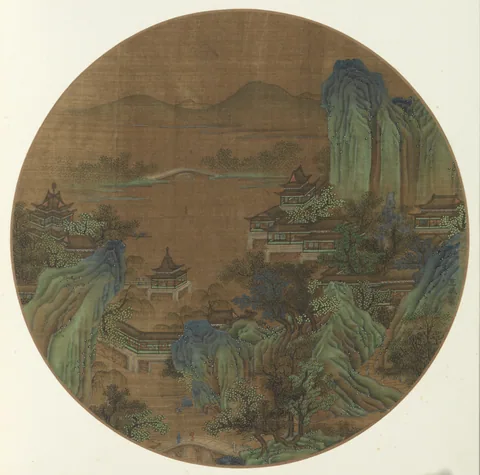
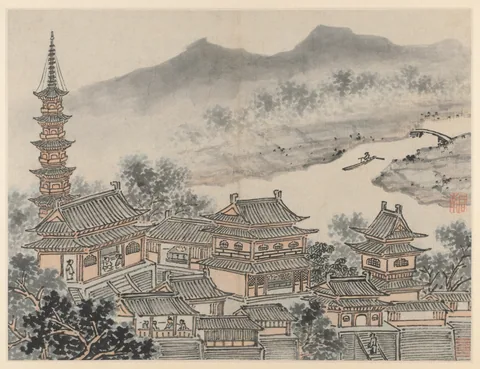
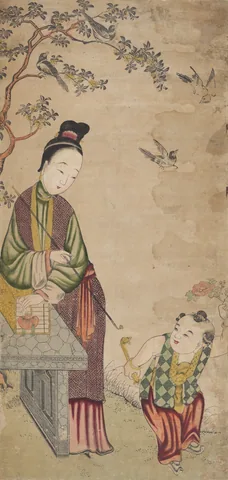
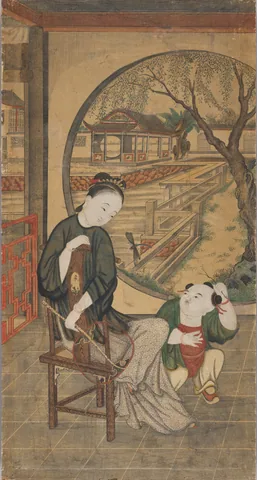
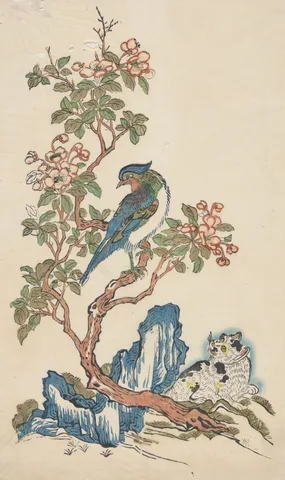
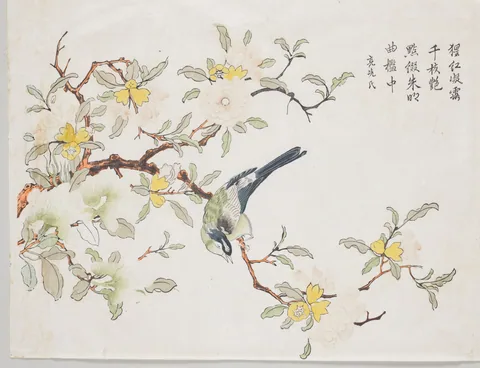
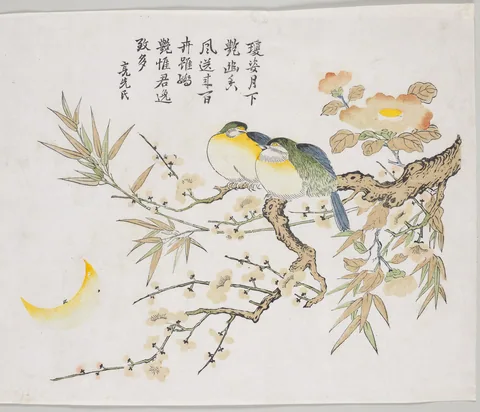
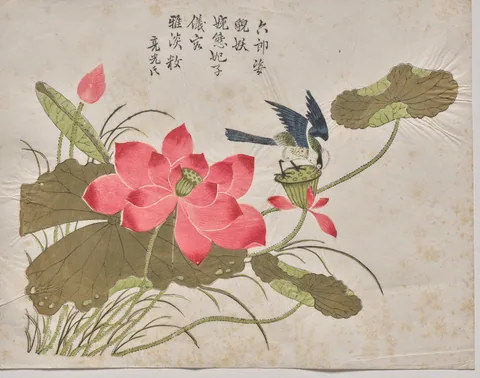
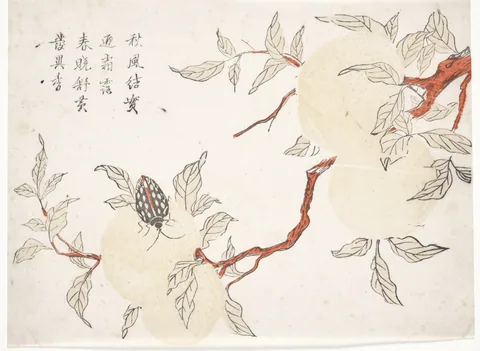
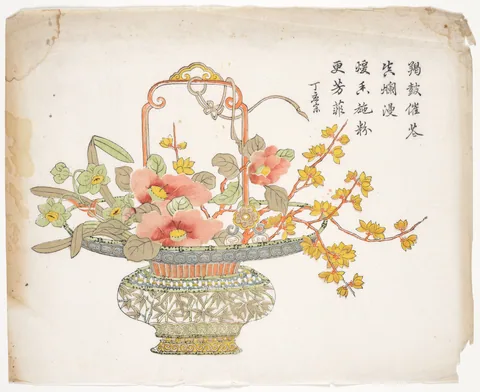
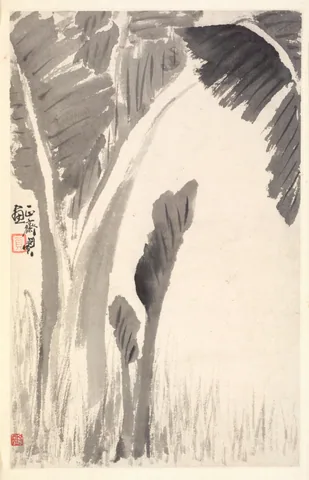
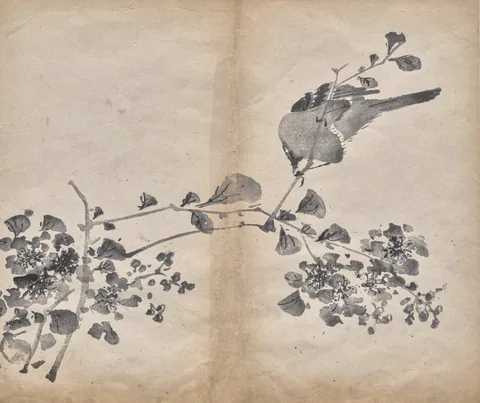
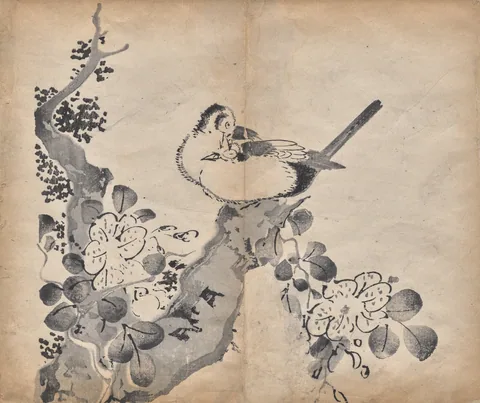
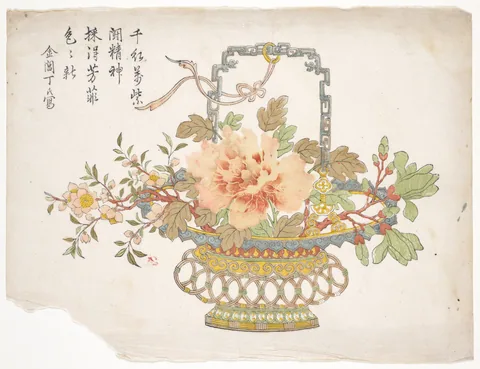
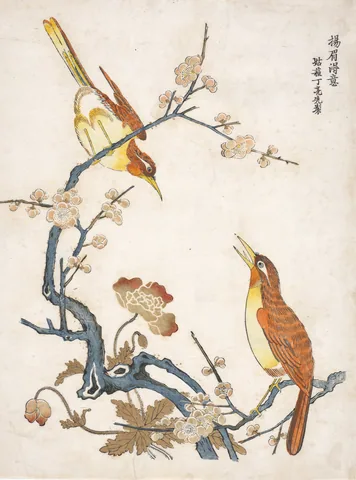
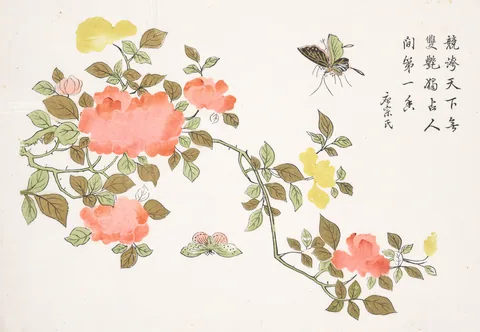
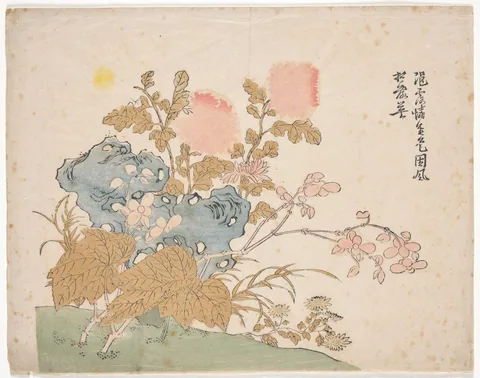
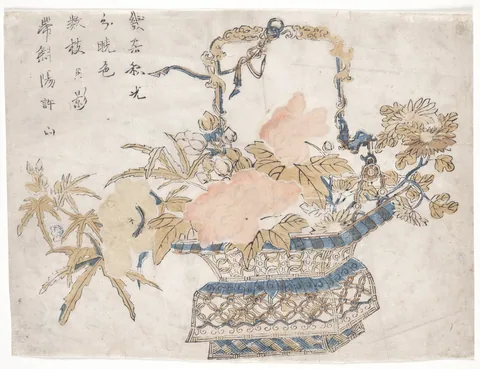
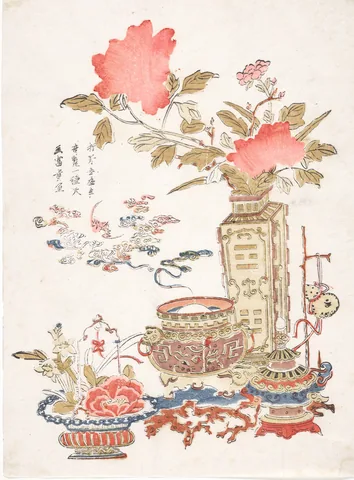
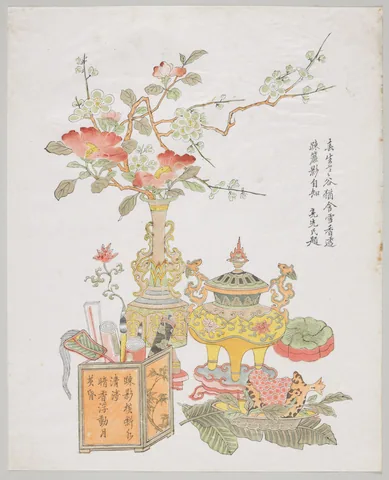
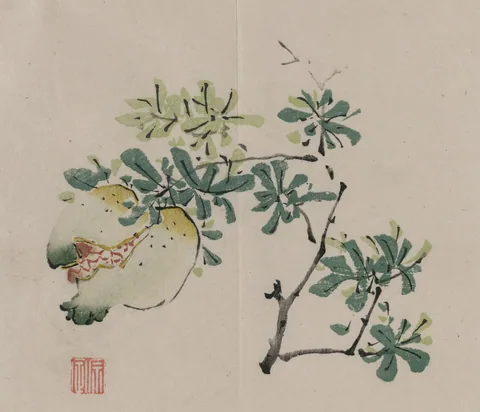
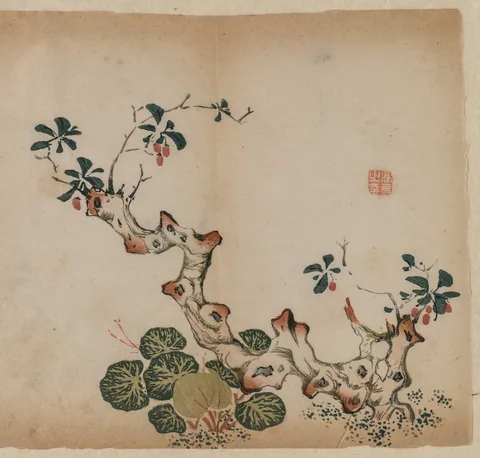
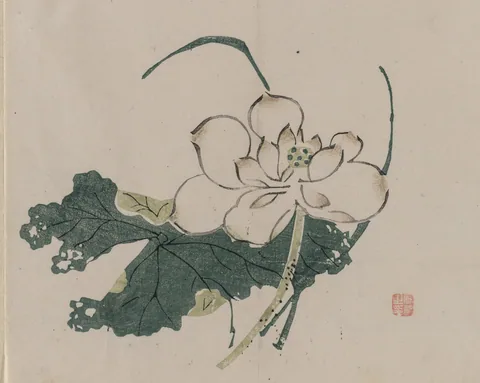
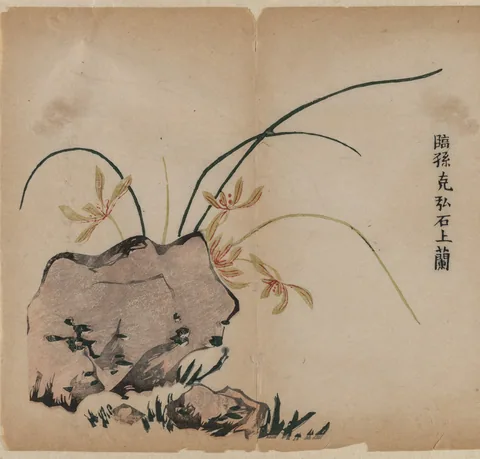
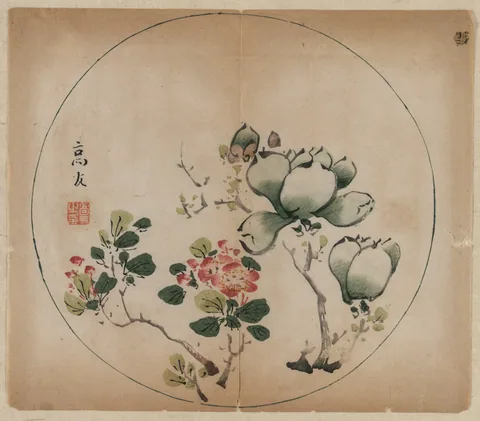
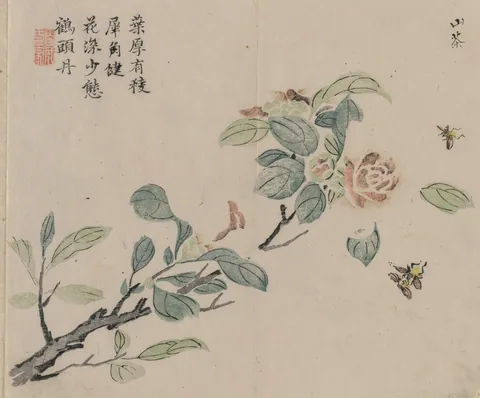
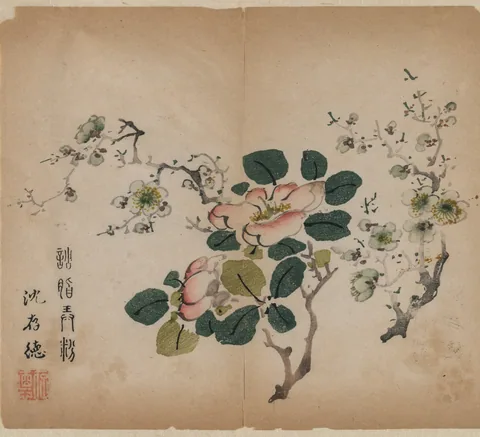
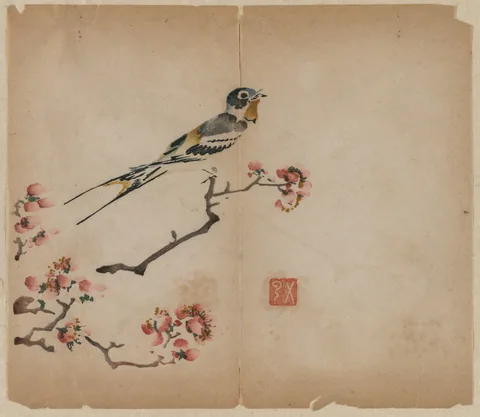
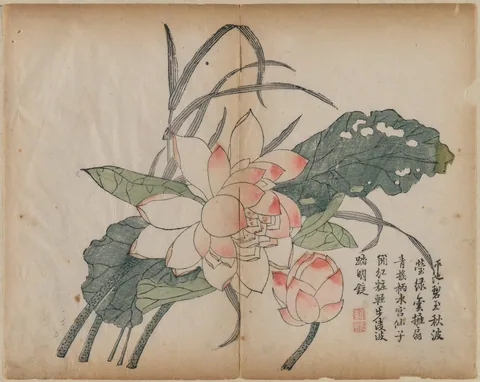
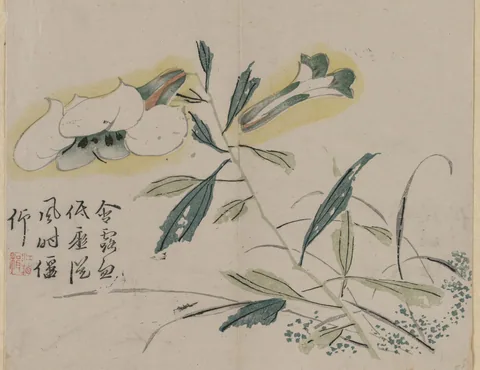
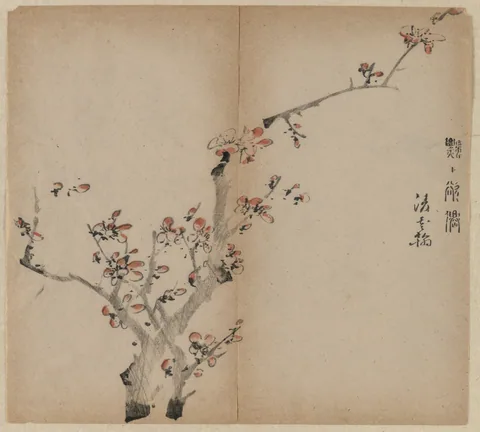
Chinese painting is one of the oldest continuous artistic traditions in the world. It shares its tools with calligraphy, a brush loaded with black ink or colored pigment rather than oil, on paper or silk, and the finished work was mounted as a hanging scroll or a handscroll, or painted on the leaves of an album. Two great themes run through this collection: shan shui, mountain-water landscape, and bird-and-flower painting. Every work here comes from the open-access collection of the Cleveland Museum of Art.
The oldest pieces are Southern Song, some 800 years old. Ma Yuan and Xia Gui founded the Ma-Xia school, simplifying the earlier Song style for a more immediate, striking effect and balancing empty space against solid form; see Ma Yuan's Drinking in the Moonlight and Xia Gui's Swinging Gibbon. In the Ming dynasty, Shen Zhou turned down an official career and founded the Wu School in Suzhou; his Flowering Crab Apple is here, with work by Wen Zhengming and Tang Yin, counted with him among the Four Masters of the Ming. Chen Hongshou, whose work fills more of this collection than anyone else's, worked at the end of the Ming. In the Qing, the Four Wangs of the Orthodox school followed the old masters, as their titles show: see Wang Hui's Tall Bamboo and Distant Mountains, after Wang Meng. Wang Gai, whose landscape album is here, helped compile the Mustard Seed Garden Manual of Painting, first published in 1679, which painters such as Qi Baishi later learned from.
Much of each picture is empty space, and these paintings want space around them too. A tall hanging scroll suits a narrow wall beside a door or a window. An album leaf suits a small frame with a wide off-white or cream mat, alone or in a row of three or four from the same album. Smooth cotton paper or Somerset Velvet keeps the ink soft, and a slim black, natural oak or maple frame keeps the look quiet.
A single painting from an album, a set of paintings mounted as pages to be turned and seen one at a time. Painters used albums for sequences, such as Xiao Yuncong's seasonal landscapes here, or for a run of landscapes in the manner of earlier masters, as in Zha Shibiao's Landscape Album in Various Styles. Each leaf is offered as its own print, and leaves from one album make a natural set.
In their own shape. Our sizes are measured on the long side, from 12 inches up to 48 where the photograph allows, and the picture keeps its proportions, so a scroll about three times as tall as it is wide prints 36 inches high and 12 wide. That suits a narrow wall or the space beside a window. Each listing shows the finished outside size once you choose a frame and mat.
Keep it simple. A slim black or natural wood frame and a wide off-white, antique white or cream mat suit the tones of old paper and silk; heavy gilt tends to overpower them. For an album leaf, a small framed print with a 2 to 3 inch mat looks right. Clear acrylic protects the print without the weight of glass. See our mats for every color.
Mountain-water: the Chinese tradition of painting landscape with brush and ink rather than ordinary paints, with mountains, rivers and waterfalls as its usual subjects. Xia Gui of the Southern Song, generally considered one of China's greatest artists, is one of its masters, and centuries later Japanese painters such as Sesshū carried his manner on after his reputation had faded in China.
Sources: Wikipedia: Chinese painting; Wikipedia: Shan shui; Wikipedia: Bird-and-flower painting; Wikipedia: Xia Gui; Wikipedia: Shen Zhou; Wikipedia: Chen Hongshou; Wikipedia: Four Wangs; Wikipedia: Mustard Seed Garden Manual of Painting
