Biggest sale yet: 30% off canvas, 25% off framed and posters, 15% off everything else, at checkout through Nov 30.
Hand-colored plates and naturalist paintings of birds, plants, insects and animals, from Audubon's Birds of America to Redouté's flowers and the Gottorf flower book.
715 artworks · page 7 of 15
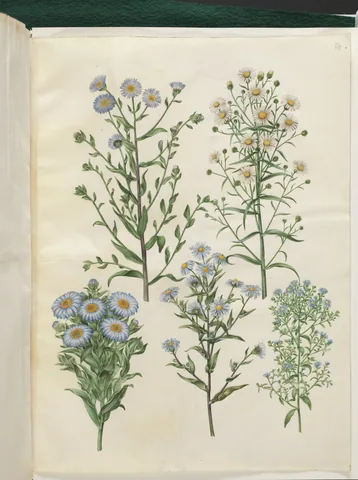
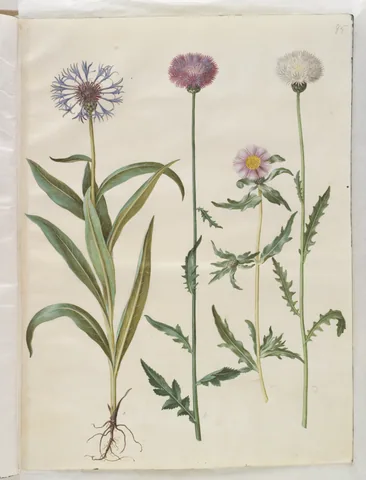
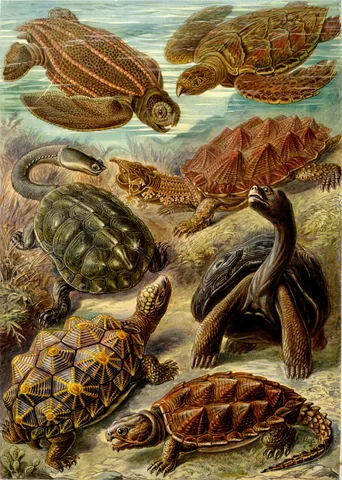
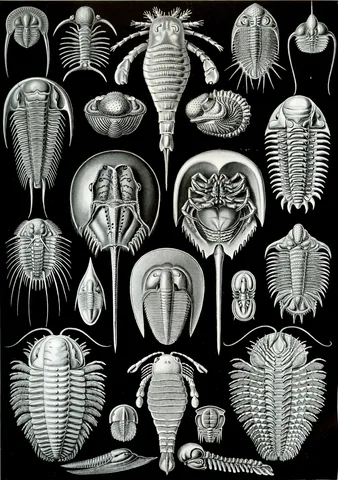
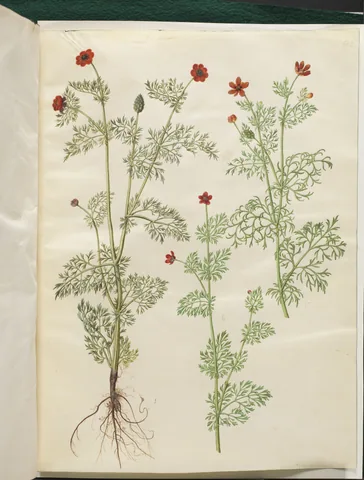
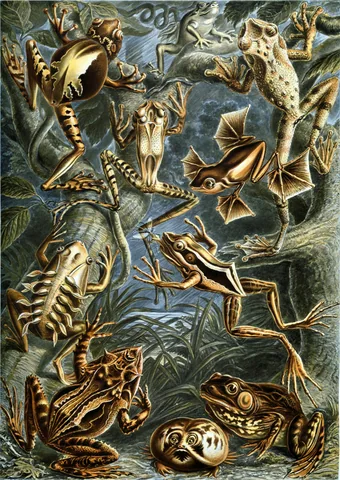
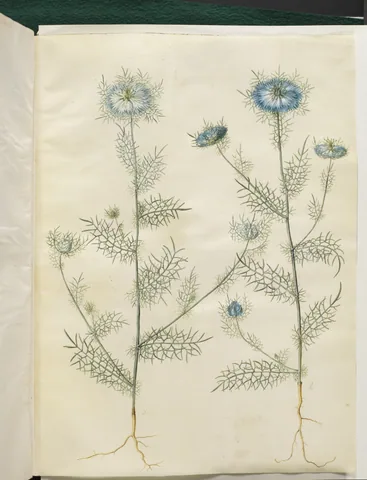
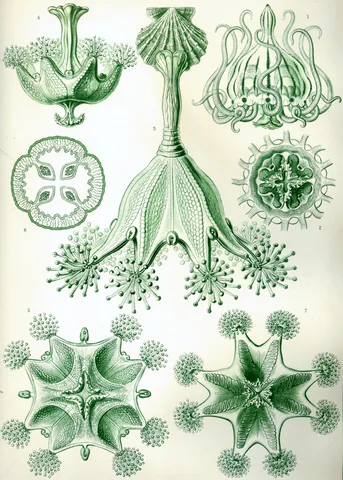
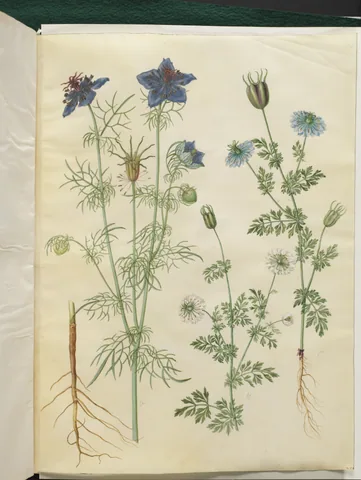
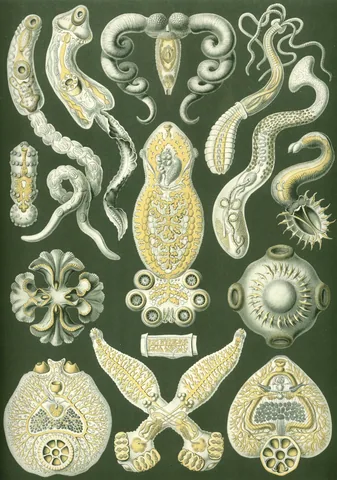
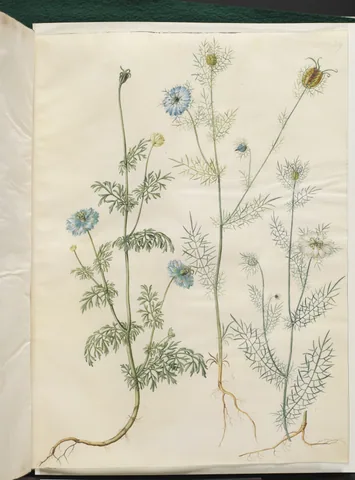
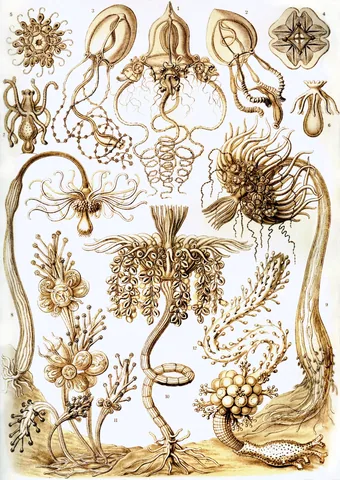
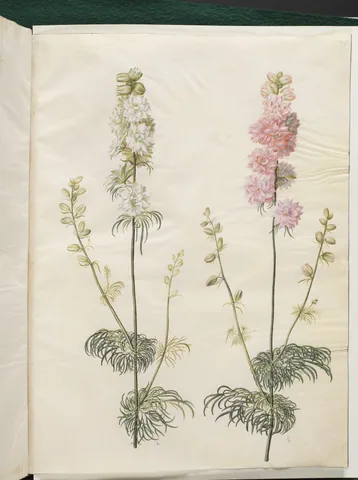
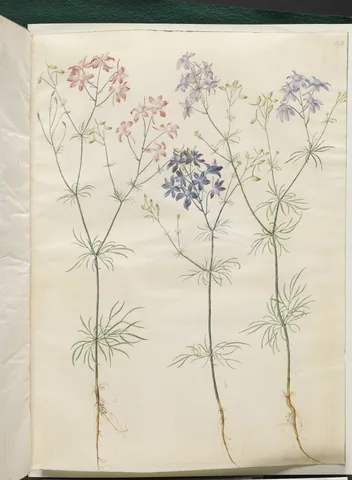
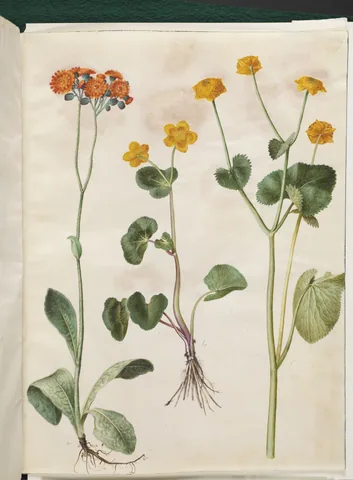
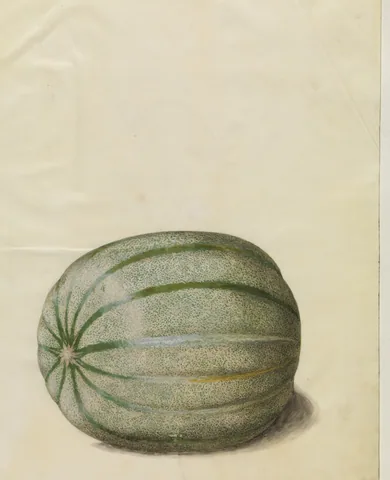
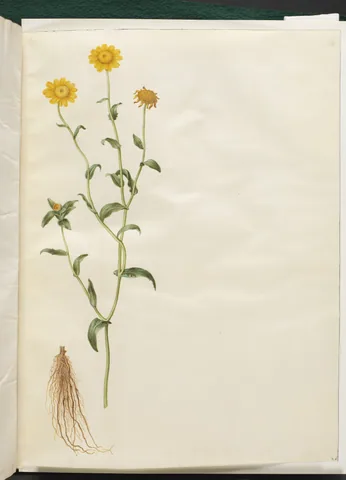
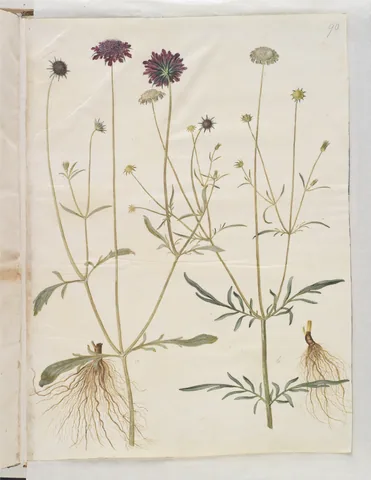
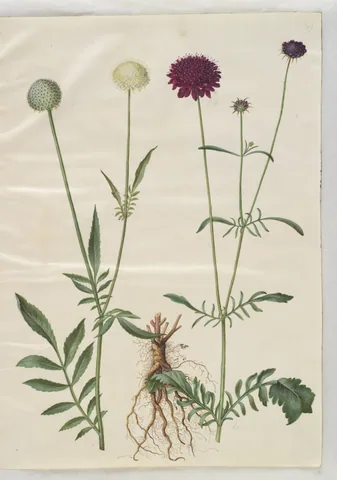
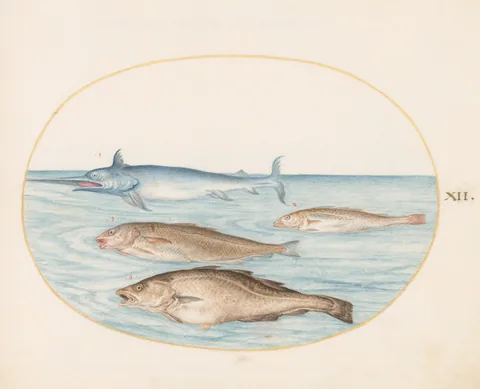
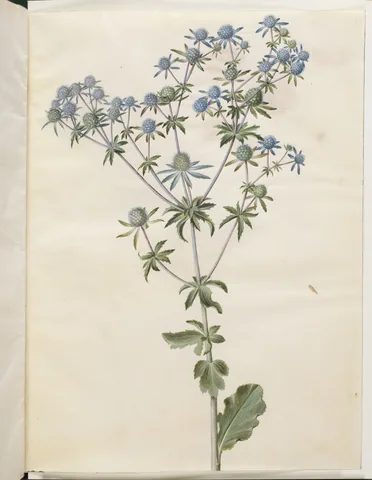
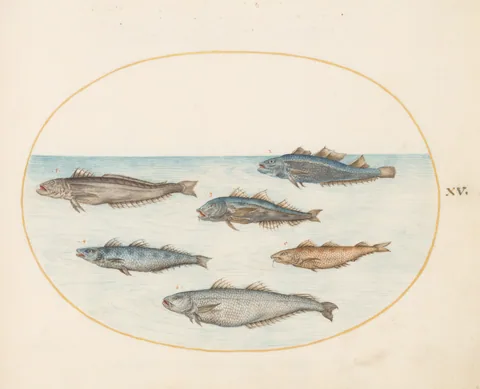
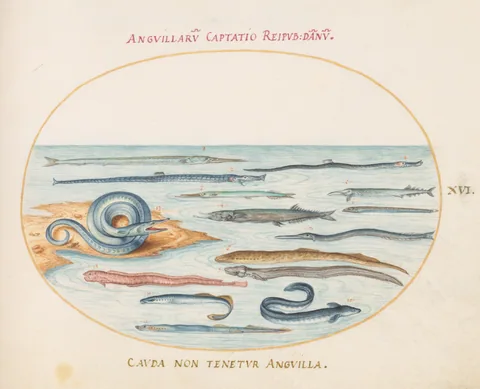
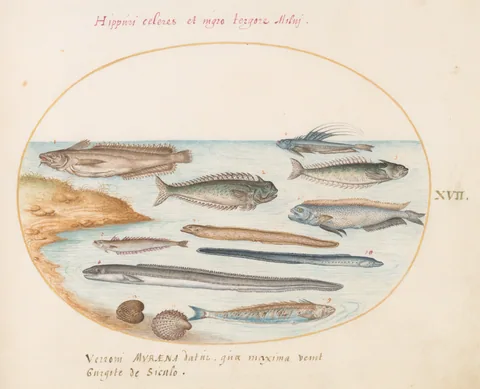
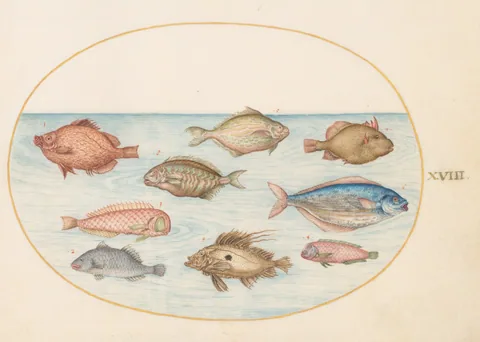
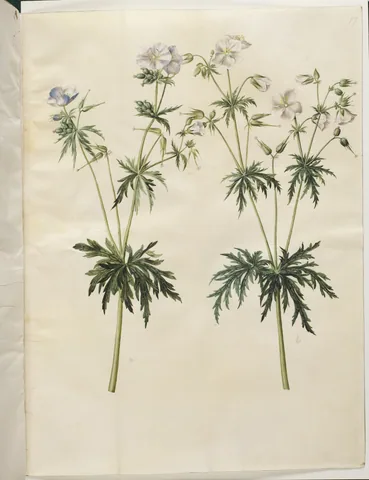
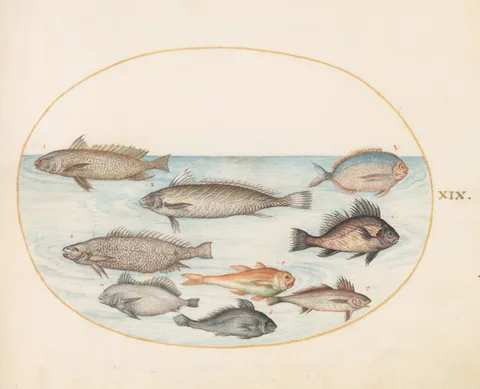
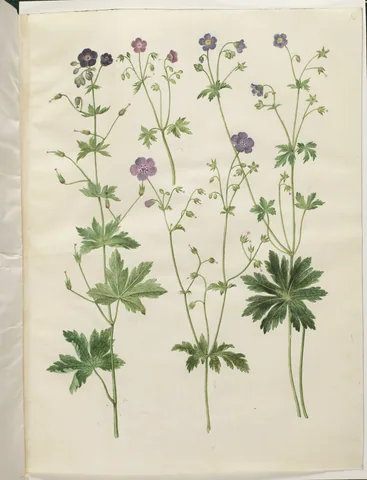
Before photography, naturalists relied on artists to record what a plant, a bird or a sea creature looked like, and the plates in this collection were made to describe nature exactly. The best of them are art as well. In the 1570s the Flemish miniaturist Joris Hoefnagel began The Four Elements, painting insects, beasts, fish and birds with an almost scientific naturalism that later Netherlandish artists took as their model; his pages here range from reindeer and hedgehogs to a shark, two seals and two fish. About a century later Maria Sibylla Merian painted insects on the plants they feed on, at every stage of their change, as in Convolvulus and Metamorphosis of the Convolvulus Hawk Moth.
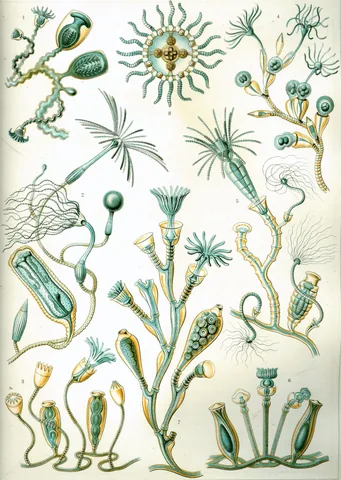
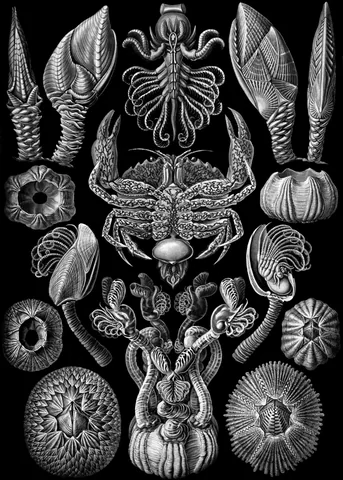
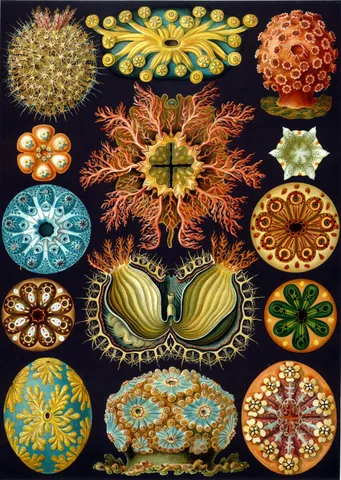
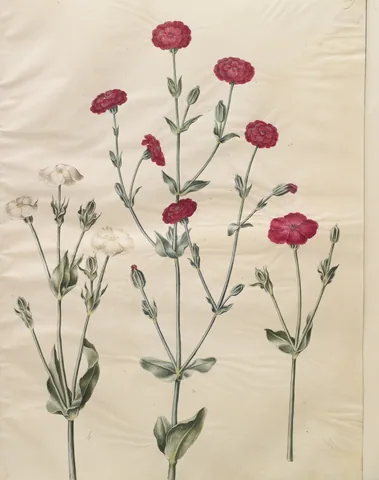
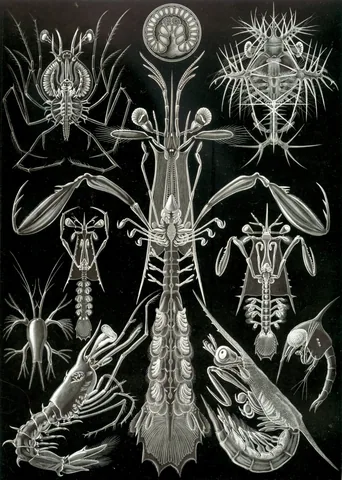
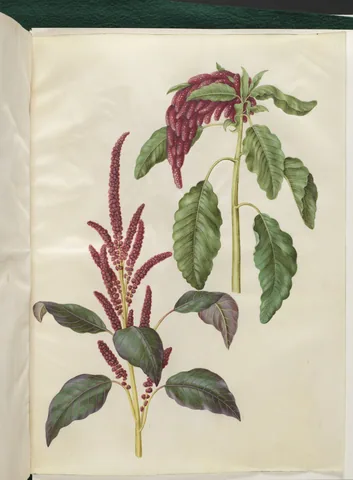
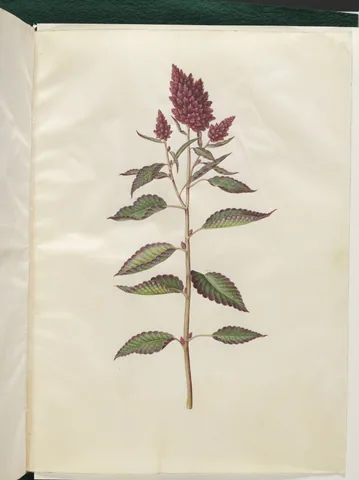
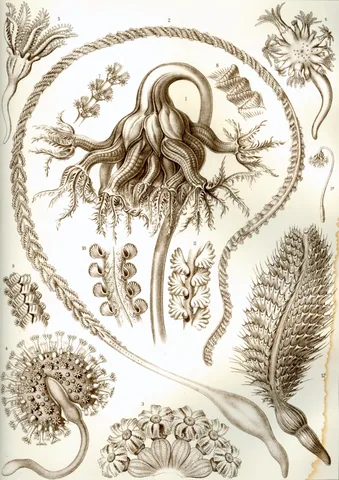
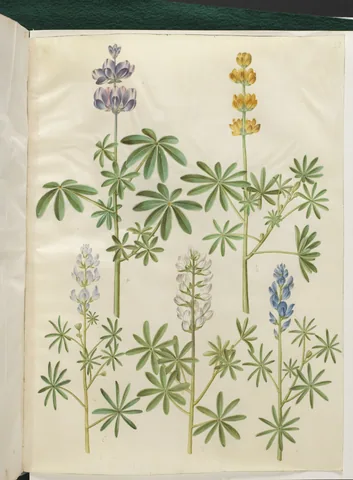
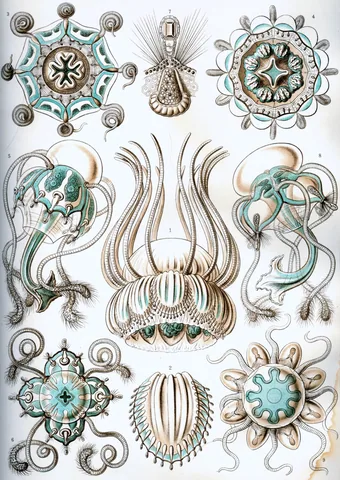
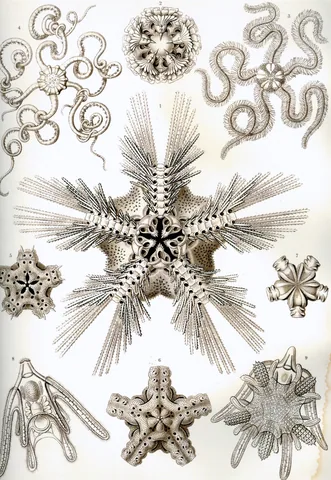
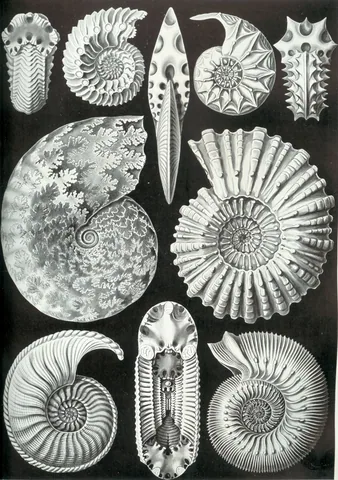
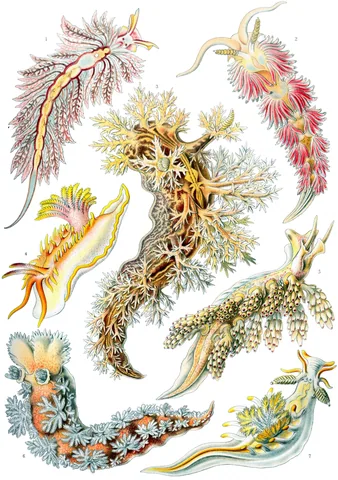
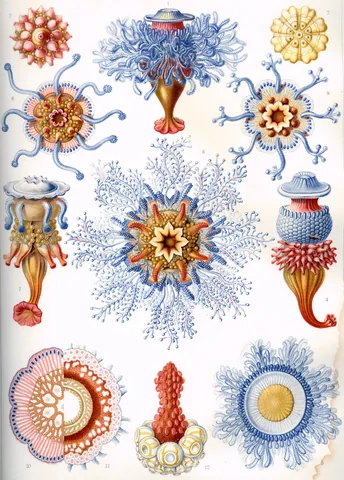
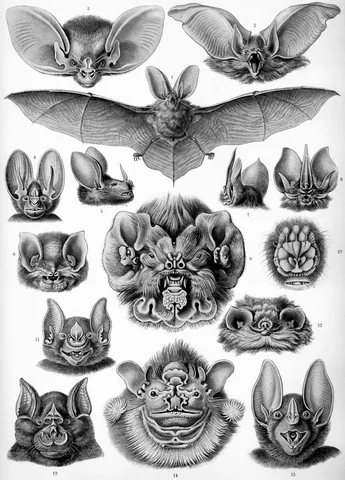
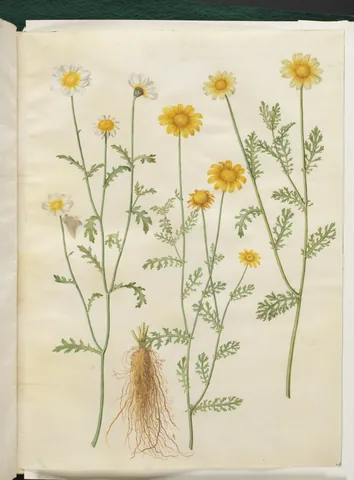
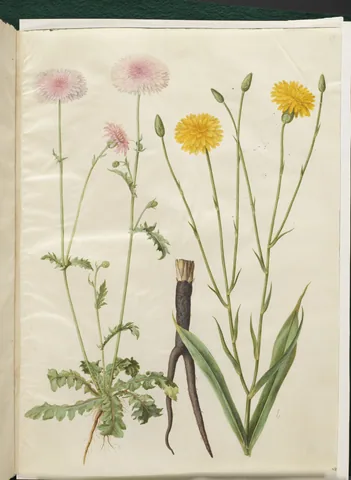
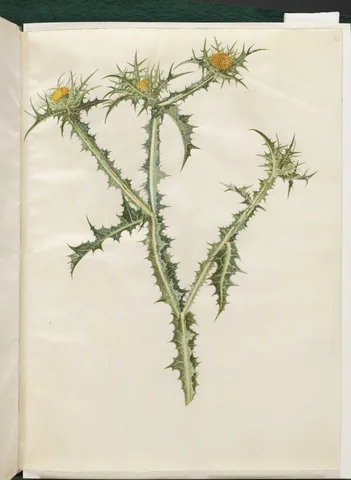
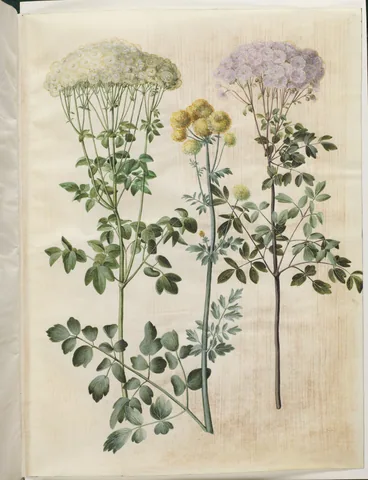
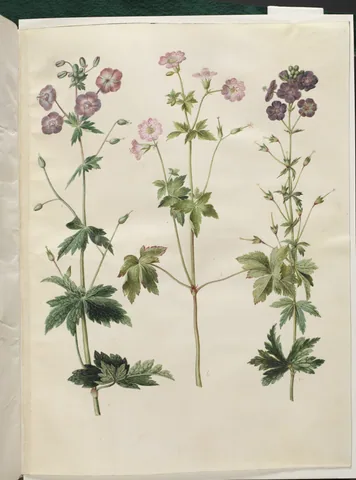
Mark Catesby published the first account of the plants and animals of North America, the Natural History of Carolina, Florida and the Bahama Islands, between 1729 and 1747, with 220 plates, such as The Ground Dove. John James Audubon followed with The Birds of America, 435 hand-colored, life-size prints from engraved plates, published from 1827 to 1838, like the Orchard Oriole. John Gould issued bird books with plates by his wife Elizabeth and other artists. The German biologist Ernst Haeckel, who named thousands of new species, filled Art Forms in Nature with prints of radiolarians, jellyfish and other creatures, as in Disc Radiolarians (Discoidea). Flowers come from Hans Simon Holtzbecker's Gottorf flower book, from Redouté and from Ehret; for more, see Botanical and Flowers.
Natural history plates are made for grids. Choose four, six or nine of the same size and shape, frame them alike, and hang them with equal gaps: Audubon's birds in a study, Haeckel's radiolarians in a modern living room, Merian's moths along a hallway. Natural oak, maple or slim black frames with a white mat suit the plates, and textured Cold Press cotton paper has the grain of watercolor paper.
A print taken from an engraved plate and then colored by hand, one sheet at a time. Audubon's Birds of America was made this way, 435 hand-colored prints in all. Our reproductions are printed with pigment inks from photographs of original sheets, so the coloring and the paper look as they did when they were photographed. They are made to order, not original engravings.
Choose prints of the same size and orientation, in identical frames and mats. Lay them out on the floor first, then hang the grid with the same gap, about 2 inches, between every frame, and its center at eye level, 57 to 60 inches from the floor. A grid of four suits a wall above a desk, and nine makes a feature wall. The sizes we list are the printed picture, so mat and frame add to them.
An English naturalist who studied the plants and animals of the New World. Between 1729 and 1747 he published the Natural History of Carolina, Florida and the Bahama Islands, the first published account of the flora and fauna of North America, with 220 plates of birds, reptiles, amphibians, fish, insects, mammals and plants. His plates came about a century before Audubon's.
Ernst Haeckel's book of 100 prints of living things, published in sets of ten from 1899 to 1904: radiolarians, jellyfish, sea anemones, boxfish and many more, drawn as intricate, near-symmetrical patterns. Many Art Nouveau artists and designers took ideas from it. On a wall the plates look surprisingly modern, especially as a grid in slim black frames.
Sources: Wikipedia: Joris Hoefnagel; Wikipedia: Maria Sibylla Merian; Wikipedia: Mark Catesby; Wikipedia: John James Audubon; Wikipedia: The Birds of America; Wikipedia: John Gould; Wikipedia: Ernst Haeckel; Wikipedia: Kunstformen der Natur; Wikipedia: Gottorfer Codex
