Biggest sale yet: 30% off canvas, 25% off framed and posters, 15% off everything else, at checkout through Nov 30.
Fruit, flowers, glass and bread laid out on the table. Quiet compositions from the 1600s to the 1900s.
494 artworks · page 7 of 11
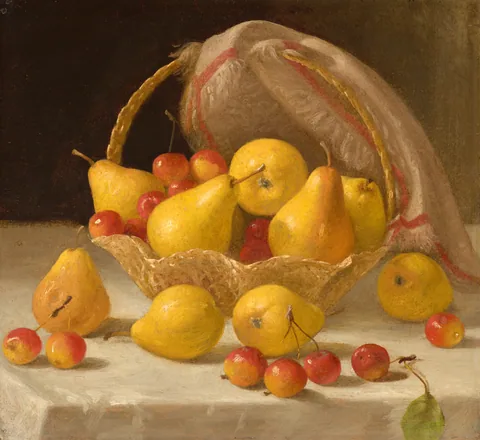
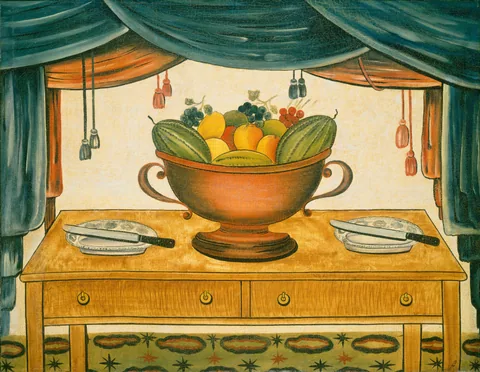
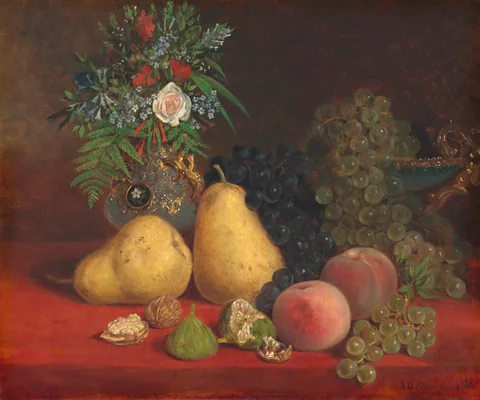
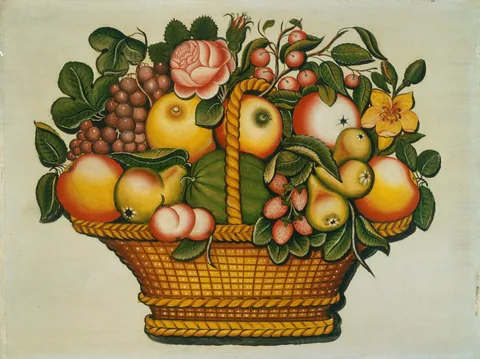
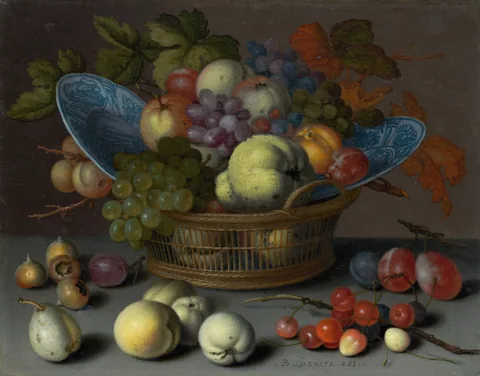
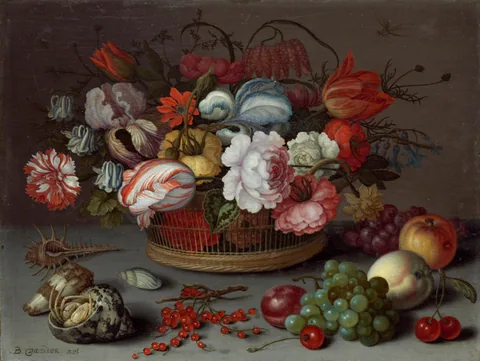
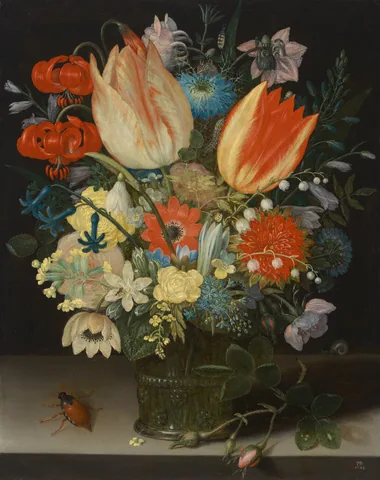
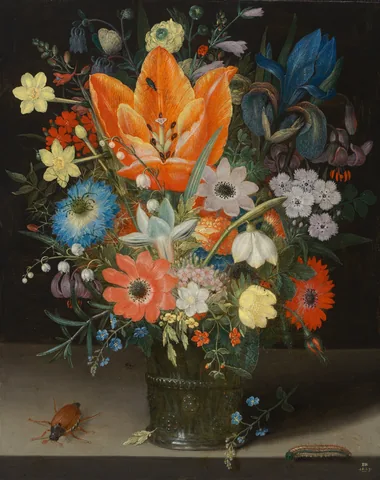
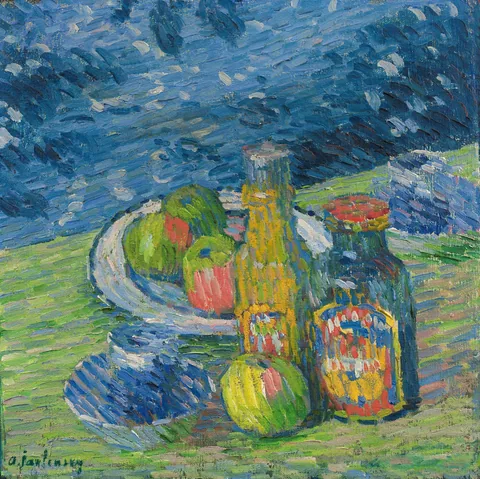
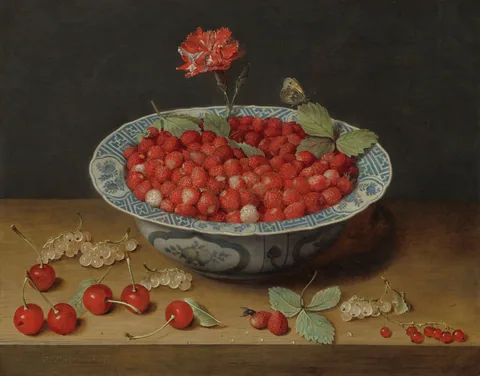
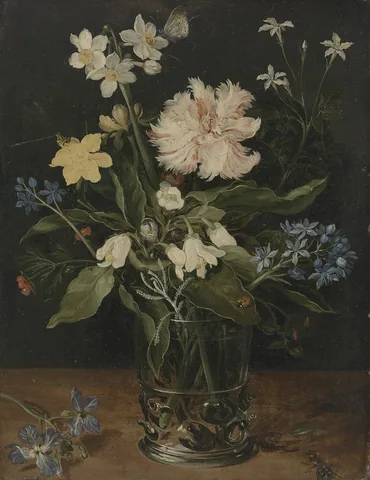
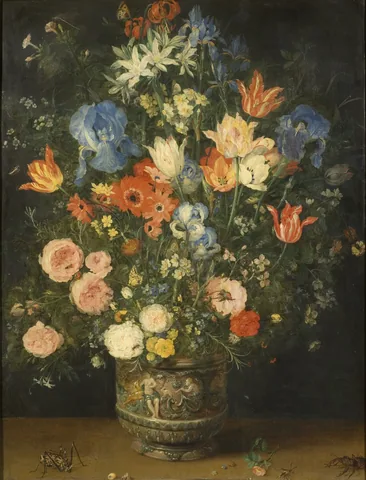
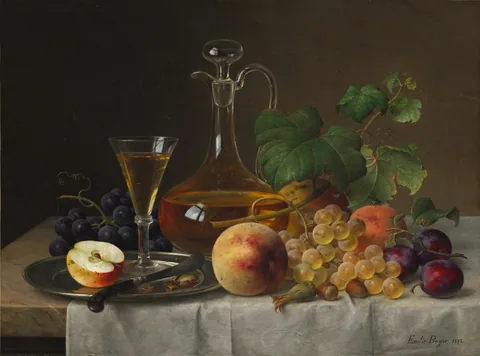
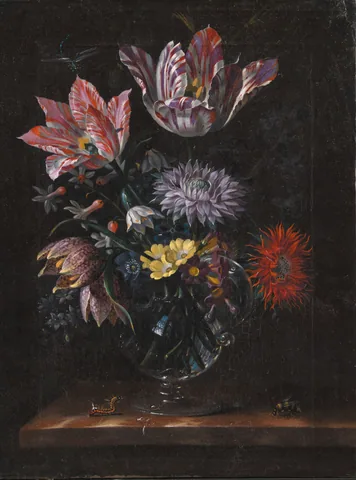
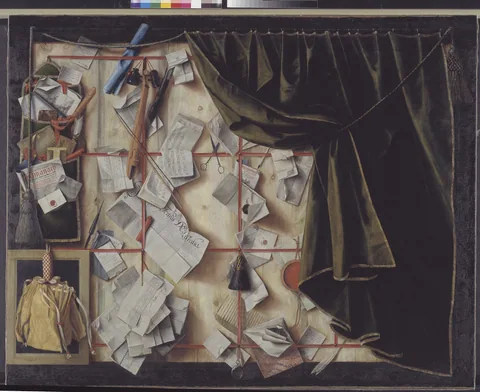
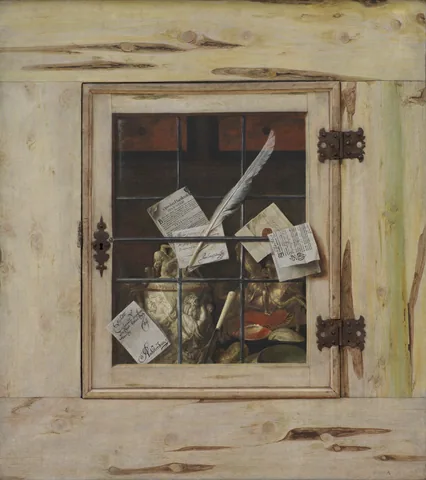
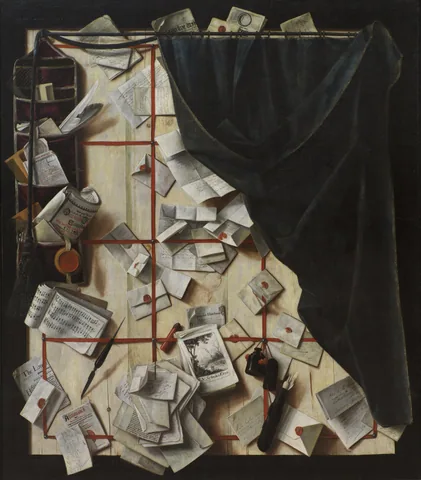
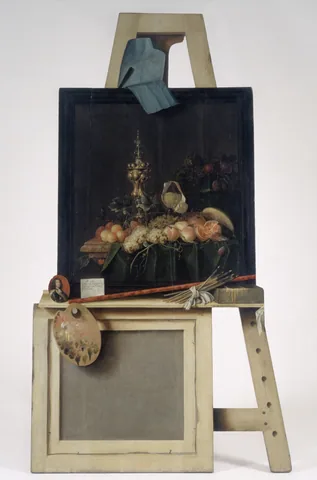
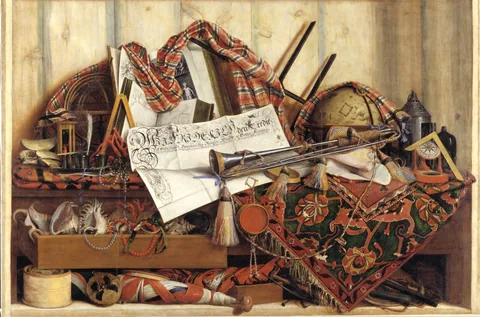
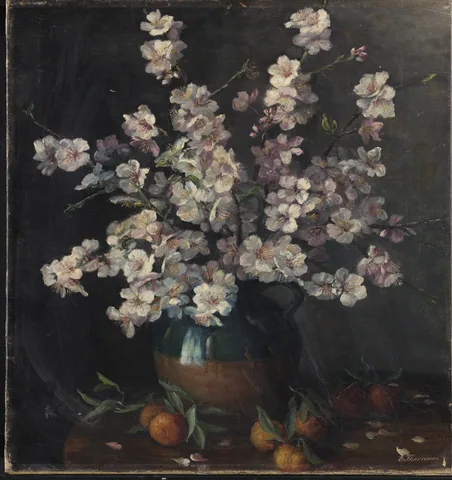
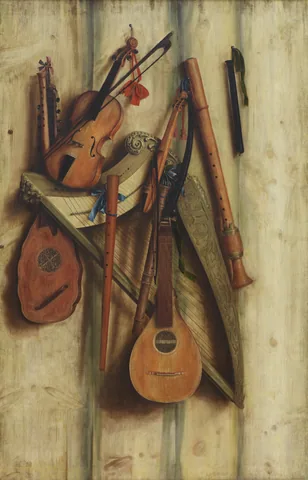
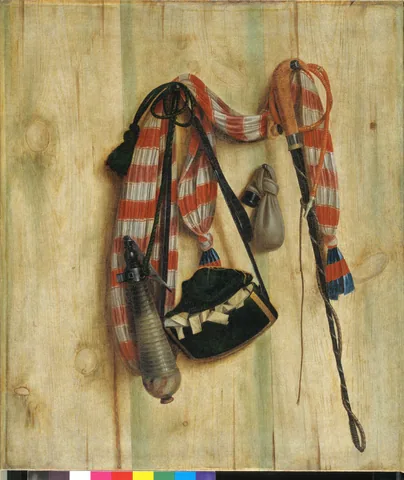
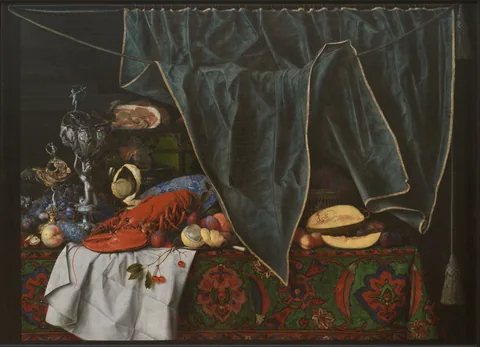
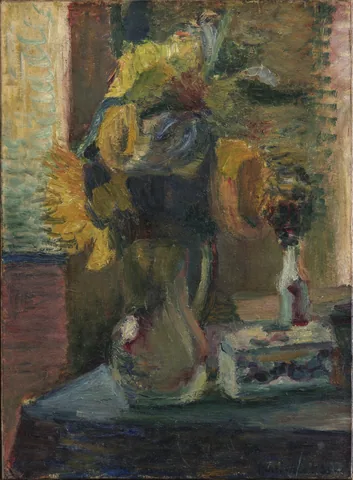
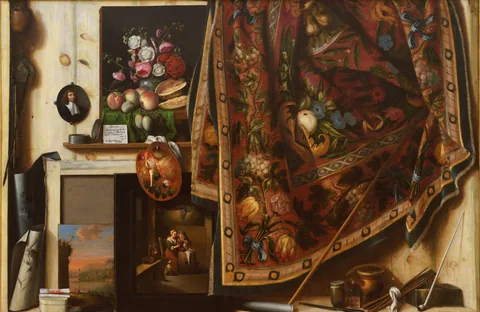
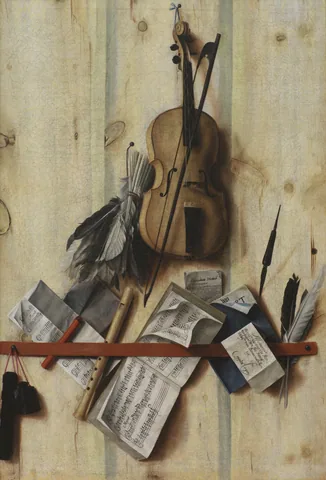
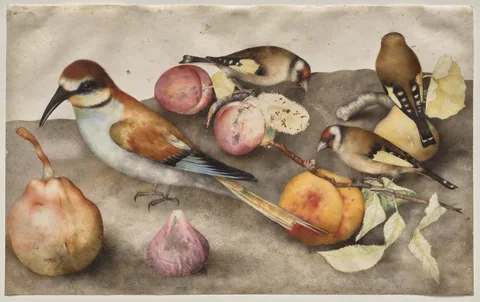
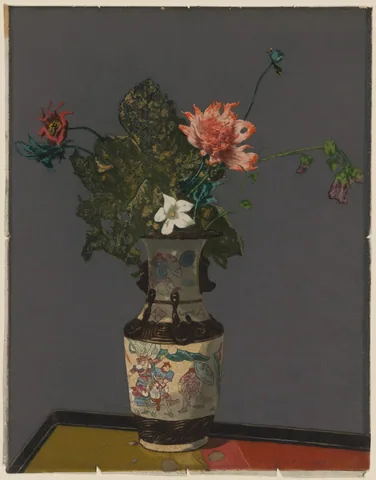
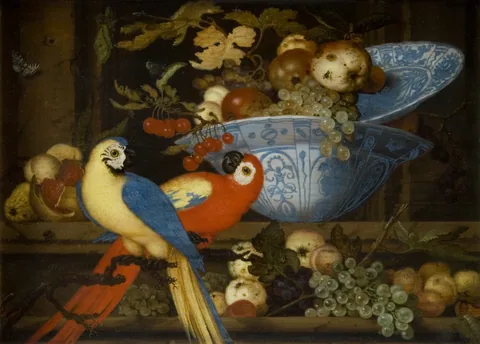
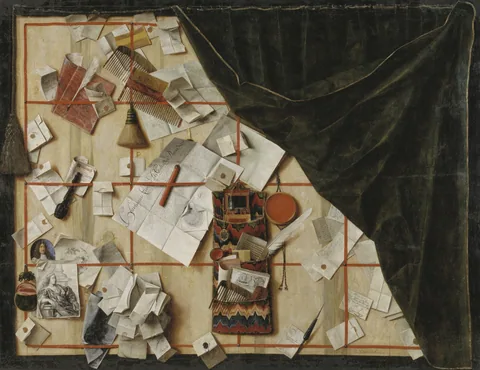
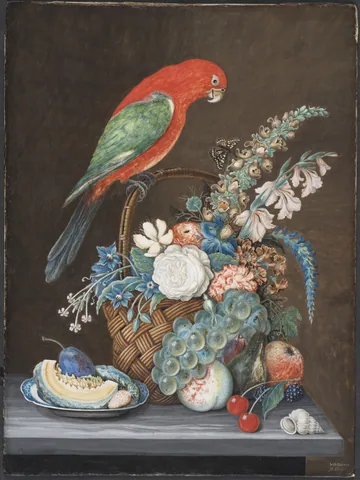
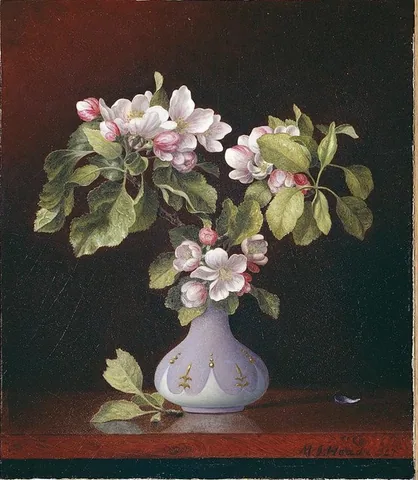
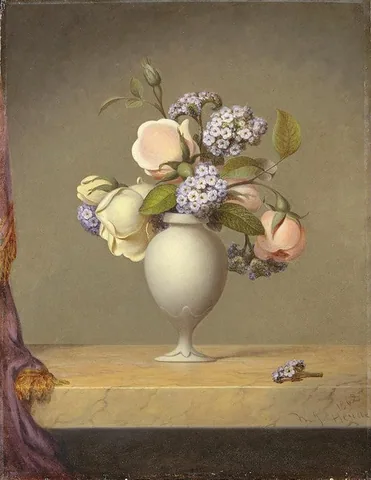
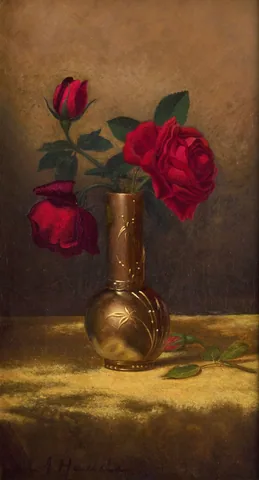
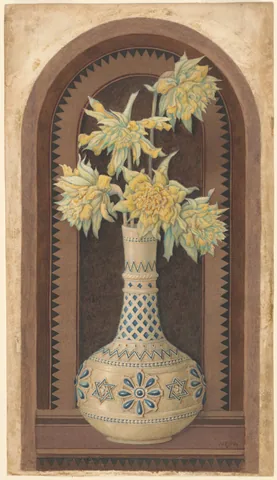
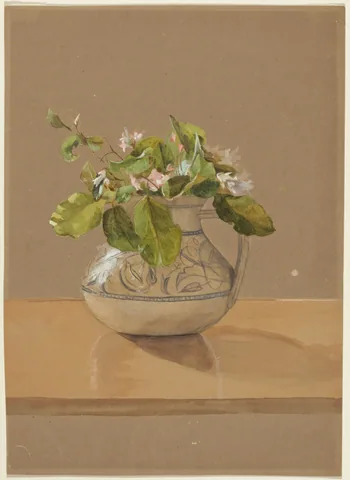
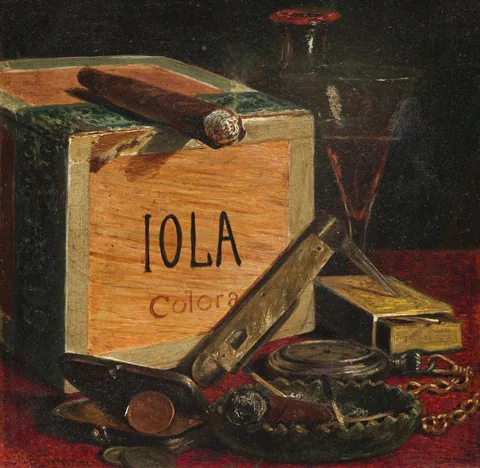
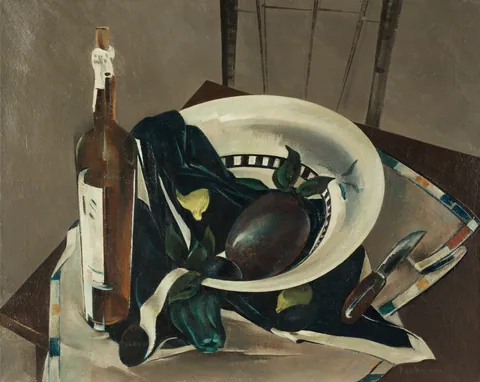
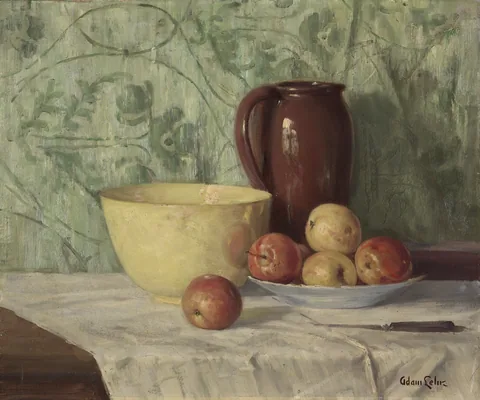
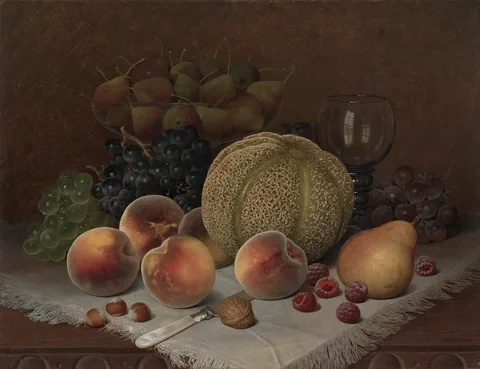
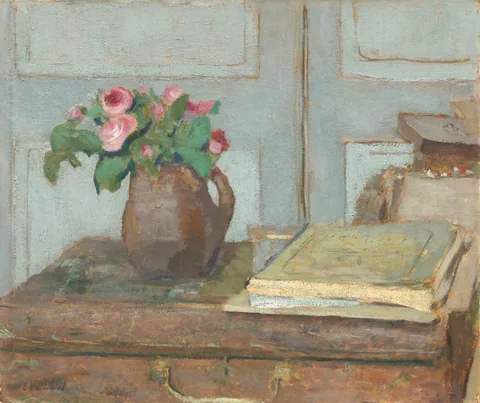
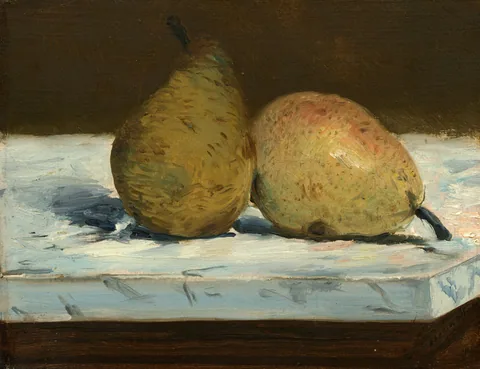
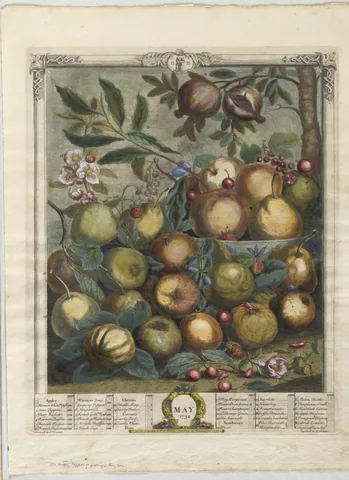
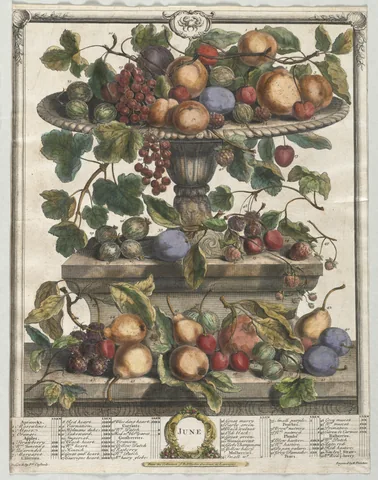
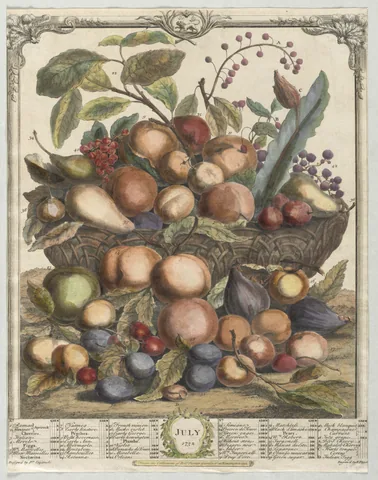
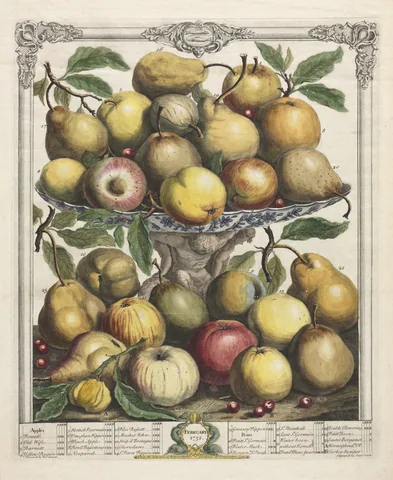
A still life is a picture of things that do not move: fruit, flowers, glass, bread, a pie. The English name comes from the Dutch stilleven, and the genre came into its own in the Netherlands in the 1600s, when some painters did nothing else. Willem Claesz Heda of Haarlem was one, devoted entirely to still life and known for developing the late breakfast piece, a table seen after the meal, as in A Dessert. He is often compared with his contemporary Pieter Claesz, whose Still Life with a Turkey Pie is here. Many of these pictures carry a quiet message: in a vanitas, a skull, a snuffed candle or an hourglass says that life and its pleasures pass.
Jan Davidsz. de Heem, the backbone of this collection, worked in both Utrecht and Antwerp on rich tables of fruit and silver, and Willem Kalf painted a gleaming nautilus cup. Adriaen Coorte went the other way, with a few strawberries or a bundle of asparagus on a stone ledge against a dark ground, as in Still Life with Strawberries. In France, Jean Siméon Chardin gave kitchen things balanced composition and soft, diffused light. Later, Paul Cézanne used apples and onions to study the structure under the surface of things, as in Still Life with Onions, and Gauguin and Van Gogh brought their own color to the table. For flower pieces by Rachel Ruysch and Jan van Huysum, see Botanical and Flowers.
Still lifes were made for the rooms where we cook and eat. A small Coorte or Chardin with a deep mat can fill the narrow wall between two windows or sit above a counter. The big Dutch tables want a dining room and a gold or black-and-gold frame, and Cézanne's fruit holds up well as canvas. Two or three still lifes of one size, hung in a line at the same height, give a dining wall a steady rhythm.
Sometimes nothing more than the pleasure of looking: light on glass, the skin of a peach. But many Dutch still lifes of the 1600s carried religious or allegorical meaning, and the vanitas type reminded viewers that life and its pleasures pass. Later painters such as Cézanne used the still life to study shape, structure and space, and his work led toward Cubism.
Their dark backgrounds and warm browns look rich in a black frame with a gold lip, or in the Plein Air or Concerto frames, which pair espresso or black with gold. With a mat, choose antique white or cream rather than bright white, which can look cold beside the browns. For a modern kitchen, a slim black frame with no mat is clean and simple.
Yes. Sizes start at 12 inches on the long side, and a Coorte or a Chardin looks right at that scale. A mounted print, the picture bonded flat to a light 3/16 inch foam board, can lean on a shelf or a plate rail with no frame at all, and an unframed art print ships rolled in a sturdy tube, ready for a frame of your own.
Sources: Wikipedia: Still life; Wikipedia: Vanitas; Wikipedia: Willem Claesz. Heda; Wikipedia: Pieter Claesz; Wikipedia: Jan Davidsz. de Heem; Wikipedia: Adriaen Coorte; Wikipedia: Jean Siméon Chardin; Wikipedia: Paul Cézanne
