Biggest sale yet: 30% off canvas, 25% off framed and posters, 15% off everything else, at checkout through Nov 30.
Coasts, mountains, farms and city streets painted by American artists up to 1930, from the Hudson River School to Winslow Homer and the American Impressionists.
907 artworks · page 14 of 19
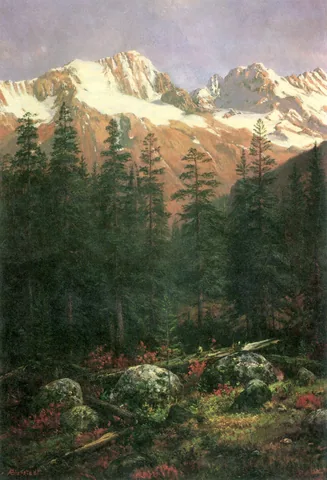
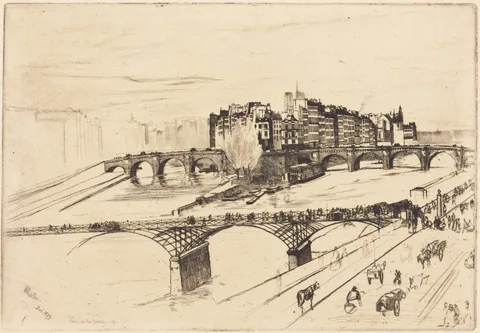
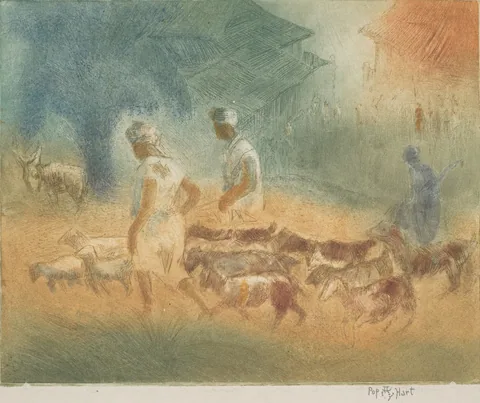
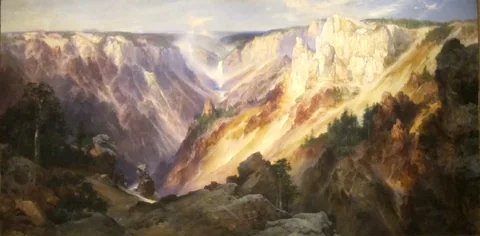
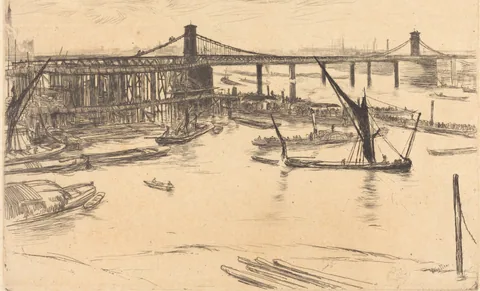
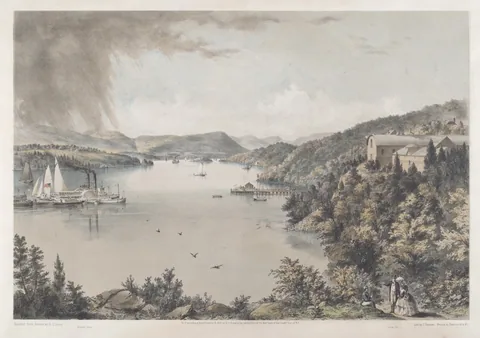
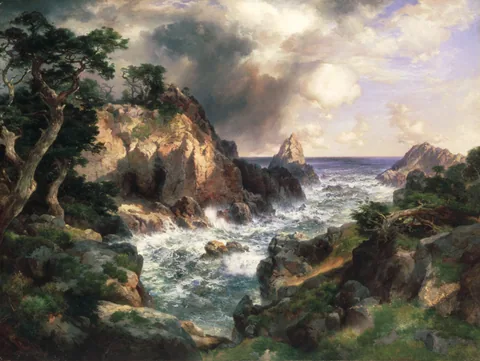
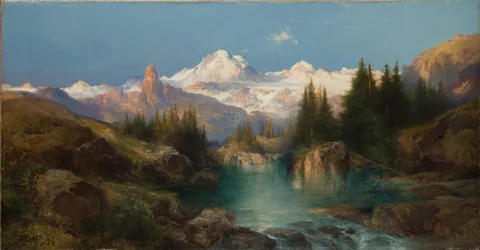
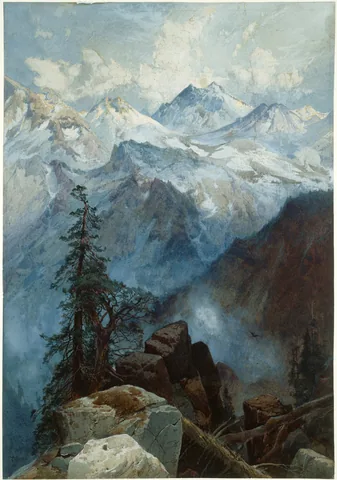
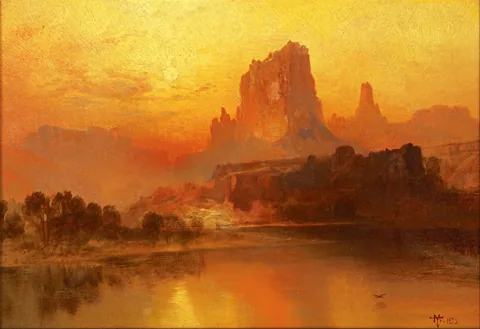
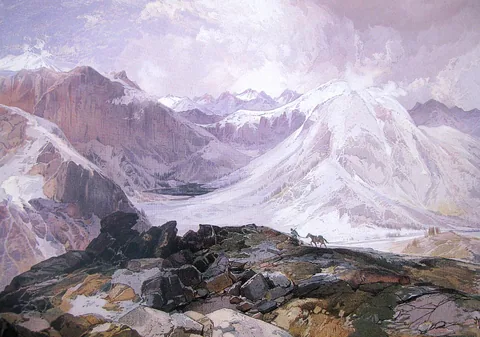
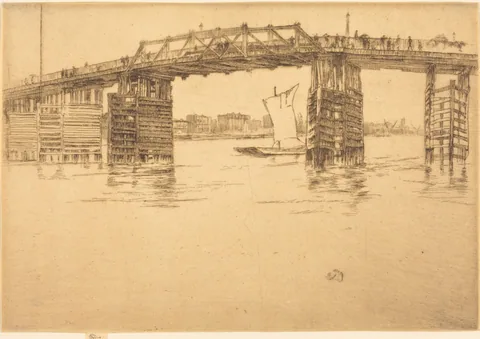
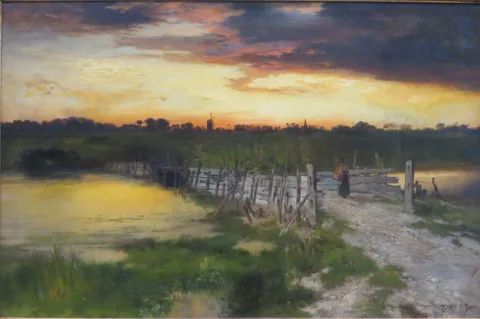
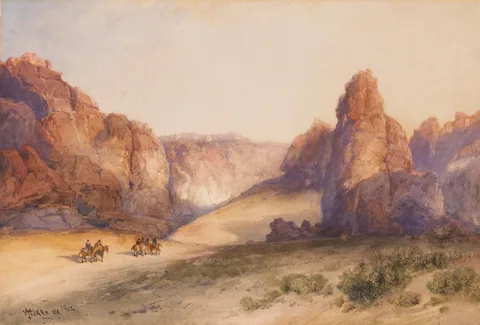
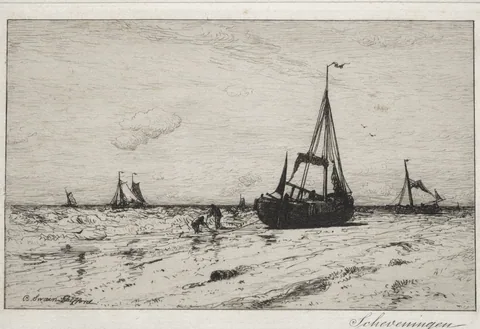
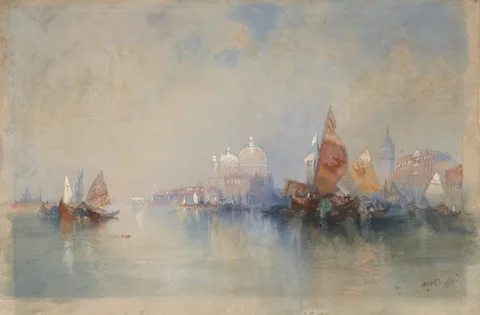
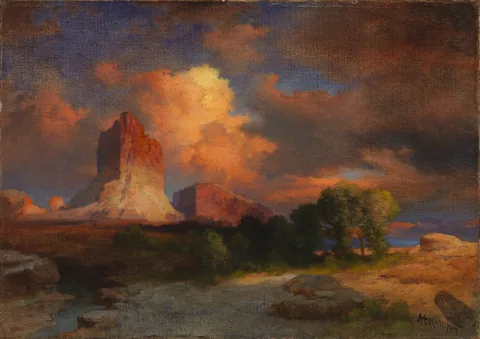
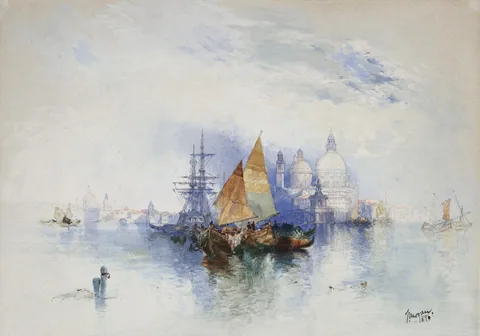
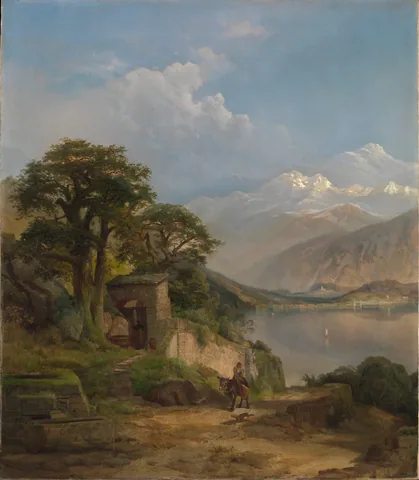
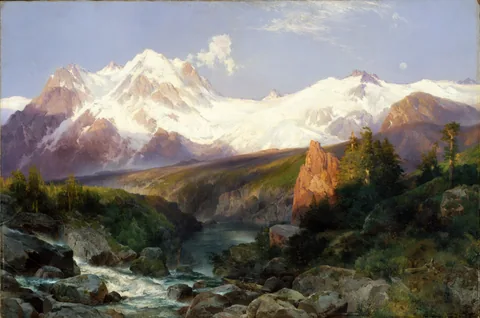
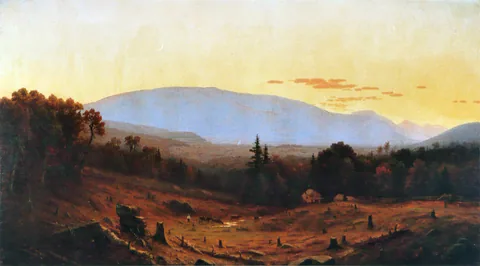
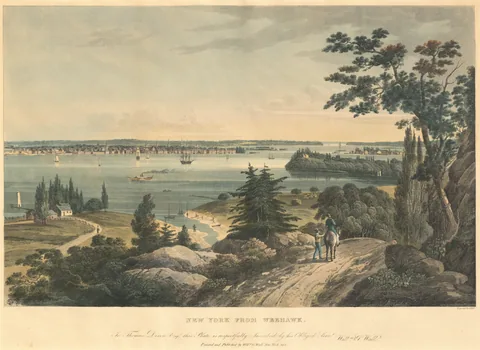
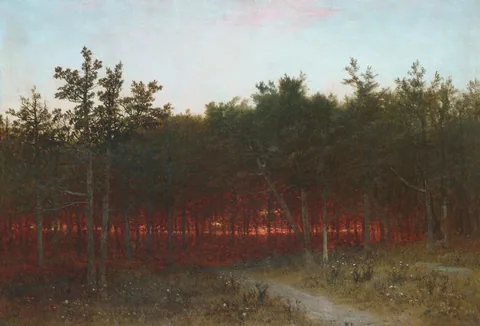
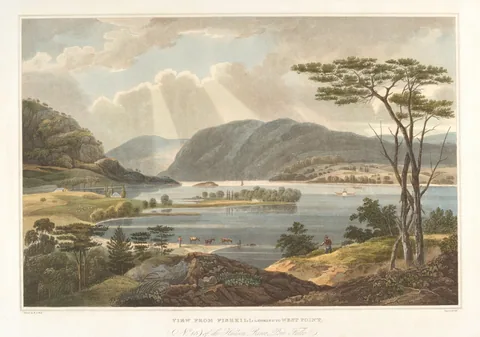
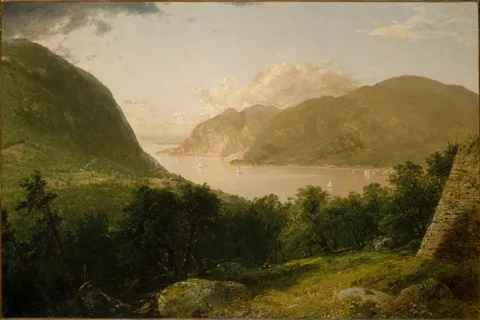
American painting found its first great subject in the land. Thomas Cole, born in England, founded the Hudson River School, whose painters began with the Hudson Valley and the Catskill, Adirondack and White Mountains; his painting The Oxbow looks over the Connecticut River valley just after a thunderstorm. The next generation went bigger. Frederic Edwin Church's Heart of the Andes, almost ten feet wide, was a sensation in New York in 1859, shown on its own to paying crowds. Albert Bierstadt traveled west that year and painted the Rockies, the Sierra Nevada and Yosemite, as in The Rocky Mountains, Lander's Peak. Thomas Moran joined the 1871 Hayden survey of Yellowstone, and his sketches, with William Henry Jackson's photographs, helped inspire Congress to make it the first national park; The Grand Canyon of the Yellowstone here is his version of 1893.
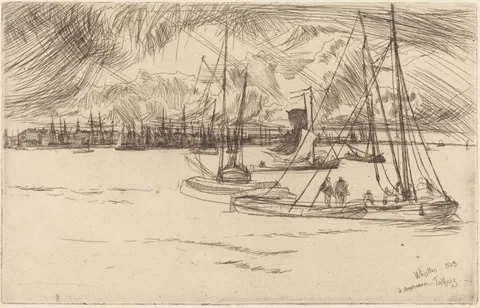
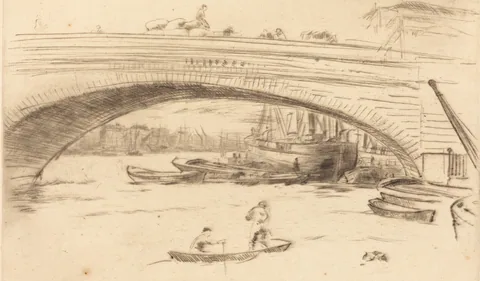
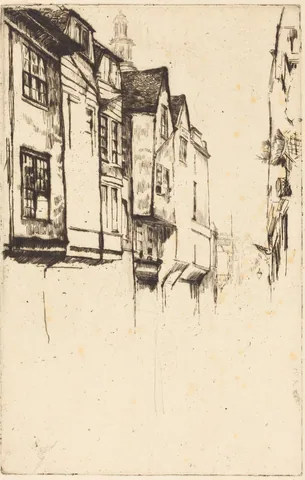
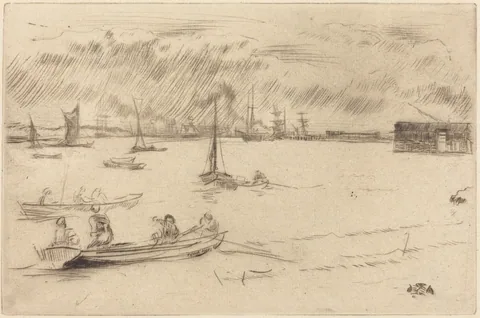
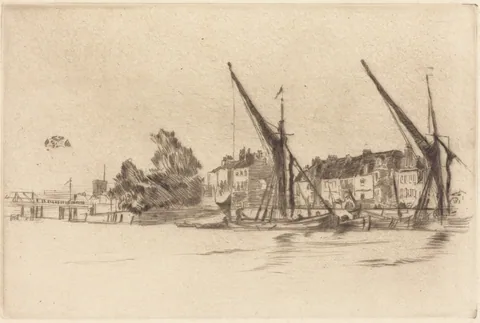
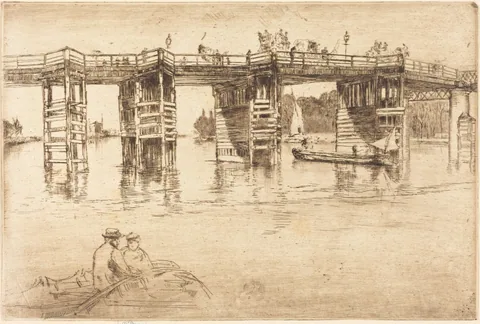
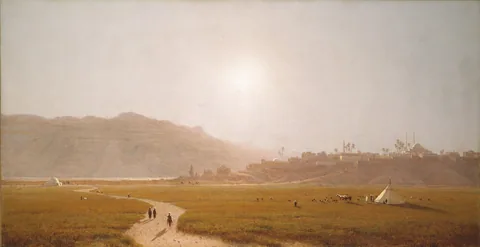
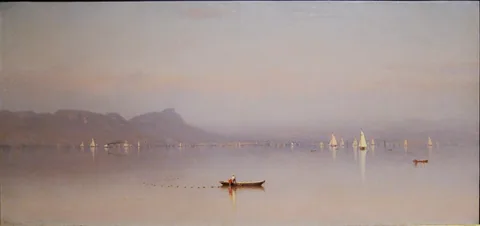
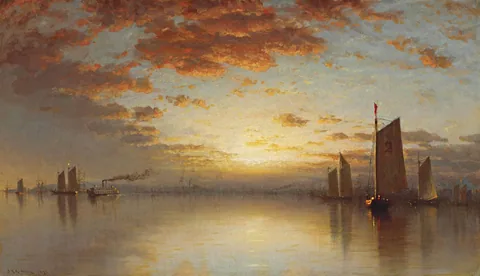
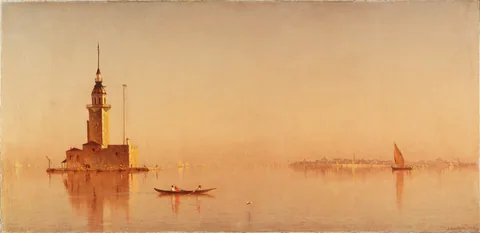
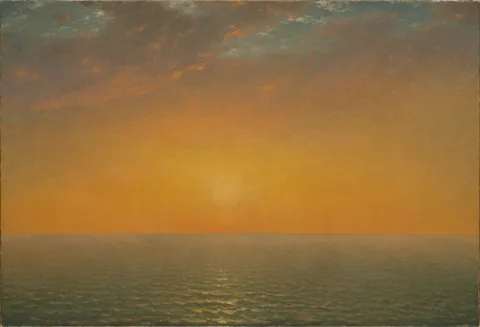
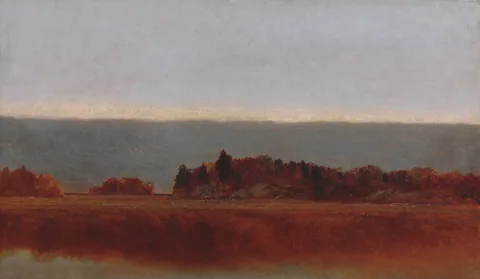
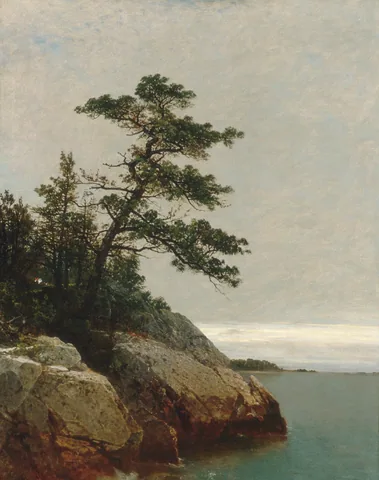
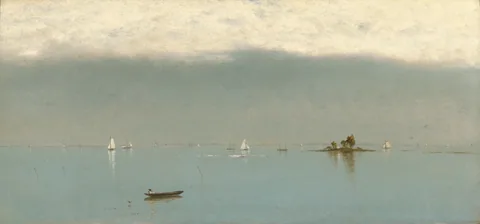
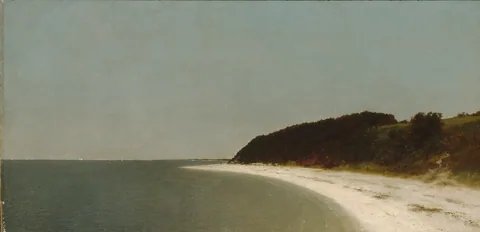
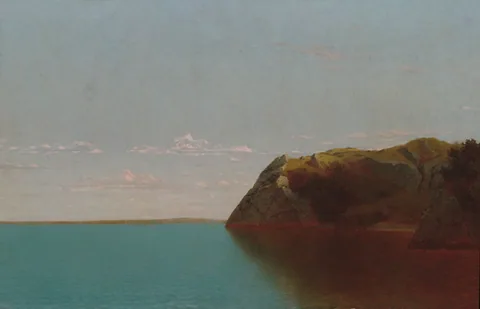
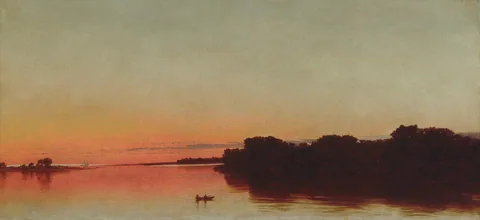
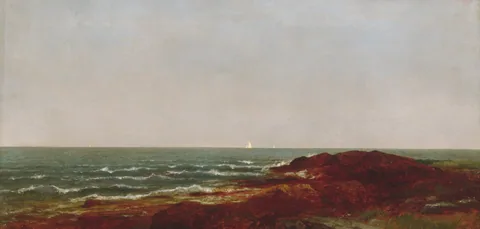
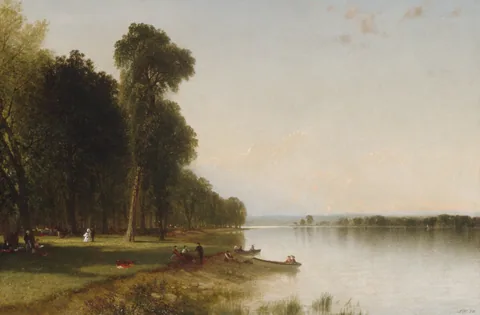
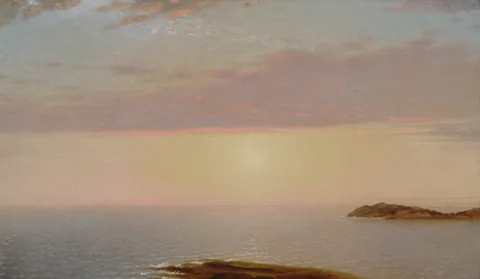
Light itself became the subject for the Luminists, among them Fitz Henry Lane, Martin Johnson Heade and John Frederick Kensett, with calm water and soft, hazy skies; Heade is also loved for his hummingbirds and orchids. Winslow Homer, the largest presence in this collection, began as a magazine illustrator, drew the Civil War for Harper's Weekly, painted country schoolboys in Snap the Whip and later settled on the Maine coast to paint the sea. James McNeill Whistler and Mary Cassatt built their careers in Europe; Cassatt's The Boating Party puts a mother, her child and a rower in a small boat on deep blue water. Childe Hassam brought Impressionism to American streets and coasts, and George Inness painted for mood and atmosphere.
Match the picture to the place: a Hudson River sunrise over a mantel, a Homer seascape in a lake house, a Hassam street in a city apartment. The big panoramas by Church, Bierstadt and Moran need width, as canvas or a large framed print. Luminist harbors and Whistler's nocturnes look best smaller, framed with a mat in gold, natural oak or white.
A style of American landscape painting from the 1850s to the 1870s, built on the effect of light: calm, reflective water, soft hazy skies, aerial perspective and brushstrokes kept out of sight. Fitz Henry Lane, Martin Johnson Heade, Sanford Gifford and John F. Kensett are its central painters, and Frederic Church and Albert Bierstadt are sometimes linked to it.
Thomas Moran's work did. In 1871 he joined Ferdinand Hayden's survey of the Yellowstone region, and his sketches, with William Henry Jackson's photographs, helped inspire Congress to make it the first national park in 1872. That year the government bought his huge The Grand Canyon of the Yellowstone for $10,000. He painted the canyon again later, and this collection has his version of 1893.
Water and light: Kensett's lakes, Lane's harbors, Heade's salt marshes and Homer's coast. They look natural in light wood or white frames with a white mat, or as gallery-wrapped canvas, in the matte finish if the room is bright. For more coast and open water, see The Sea and Ships.
Many come from the open-access collections of museums such as the National Gallery of Art in Washington, which release photographs of public-domain works for anyone to use. Others are faithful photographs of public-domain paintings from open archives such as Wikimedia Commons. Each listing names its source, and we are not affiliated with or endorsed by any museum.
Sources: Wikipedia: Hudson River School; Wikipedia: Thomas Cole; Wikipedia: The Oxbow; Wikipedia: The Heart of the Andes; Wikipedia: Albert Bierstadt; Wikipedia: Thomas Moran; Wikipedia: Luminism (American art style); Wikipedia: Winslow Homer; Wikipedia: Childe Hassam; Wikipedia: George Inness
