Biggest sale yet: 30% off canvas, 25% off framed and posters, 15% off everything else, at checkout through Nov 30.
Light, color and everyday life from Monet, Renoir, Cassatt, Van Gogh, Cezanne and their circle. Paintings made outdoors and in the moment, between the 1860s and the early 1900s.
1,546 artworks · page 20 of 33
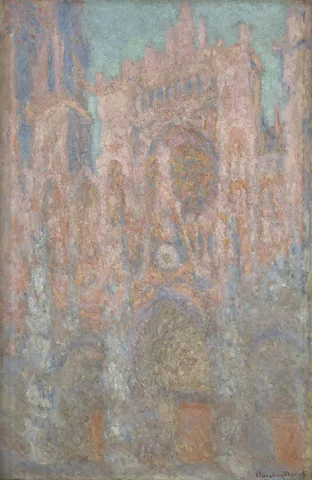
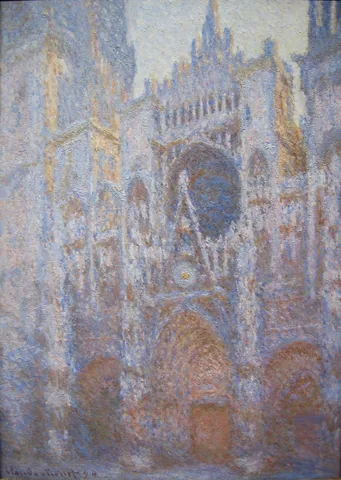
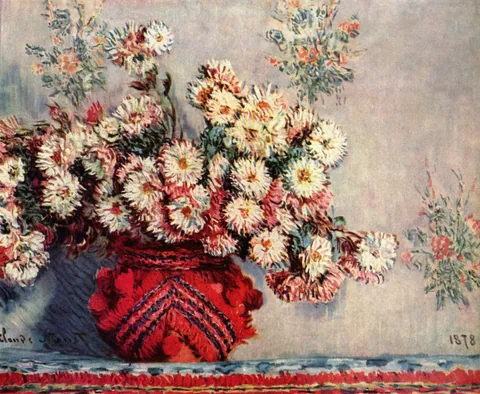
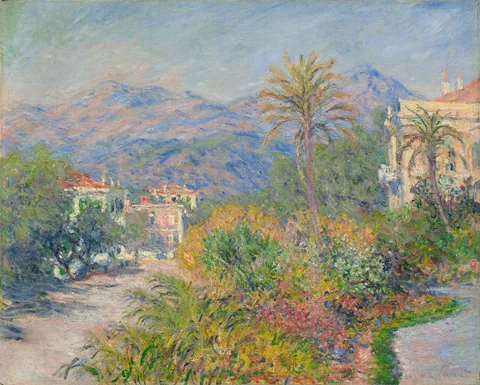
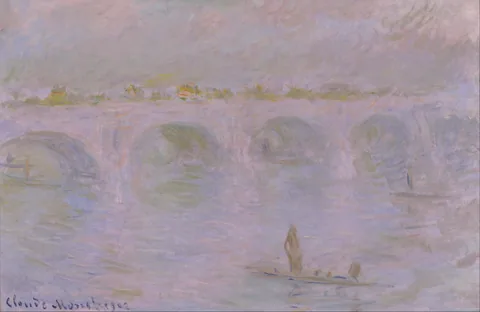
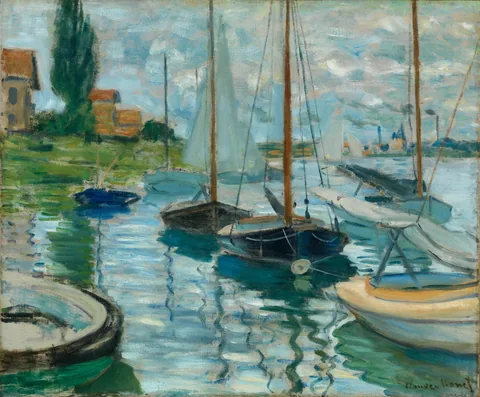
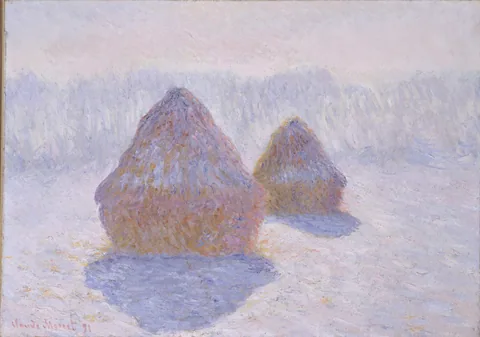
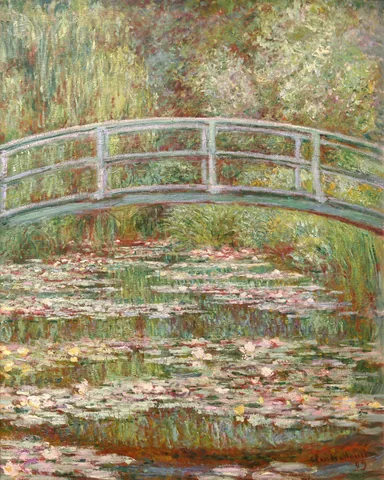
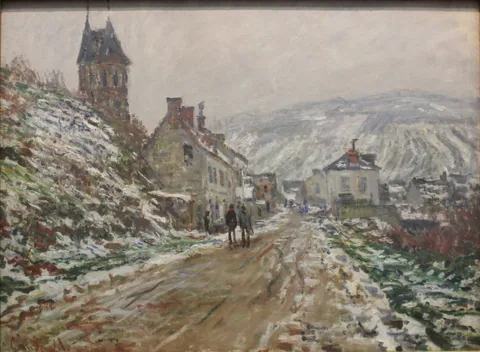
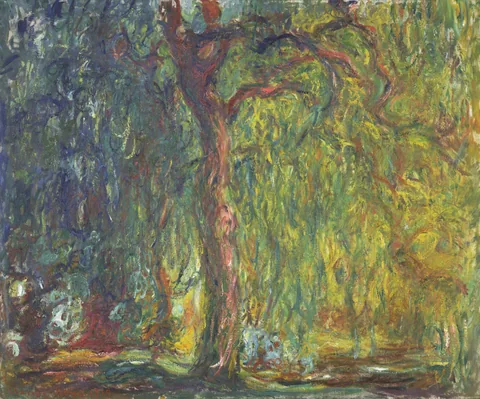
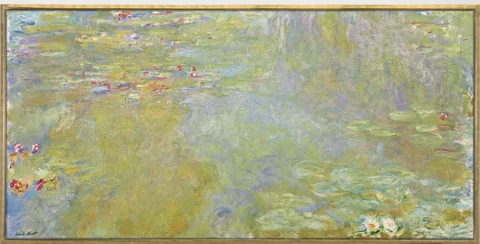
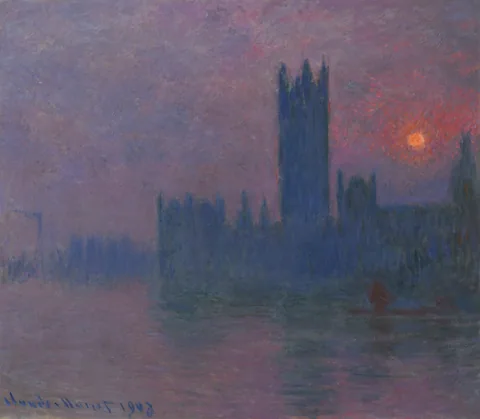
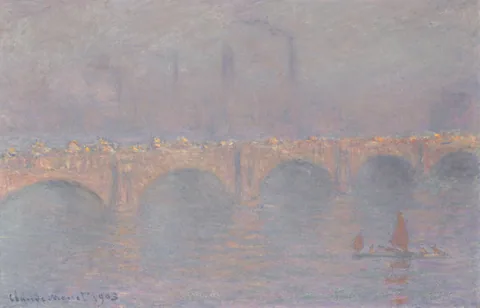
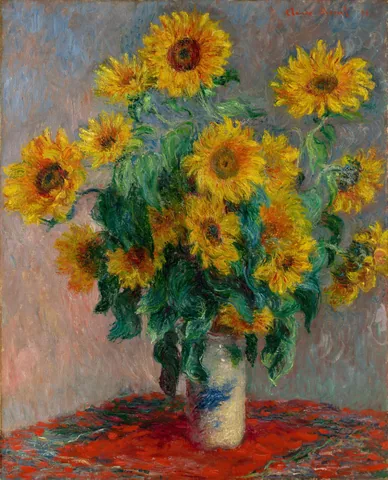
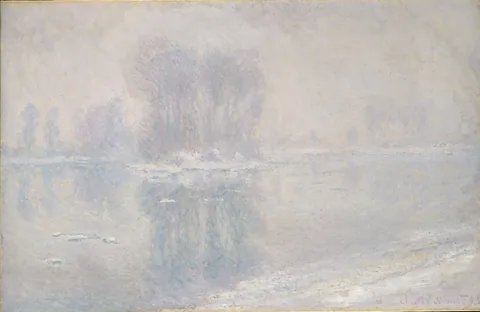
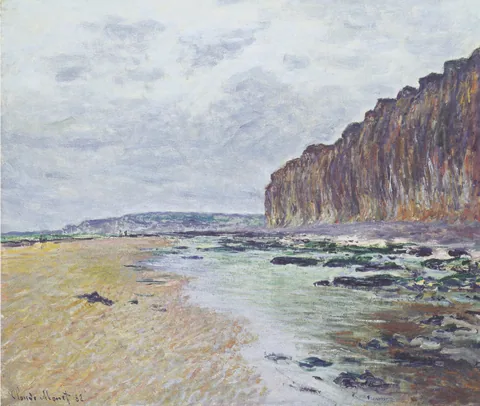
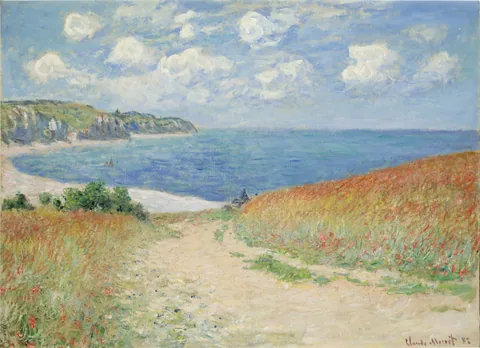
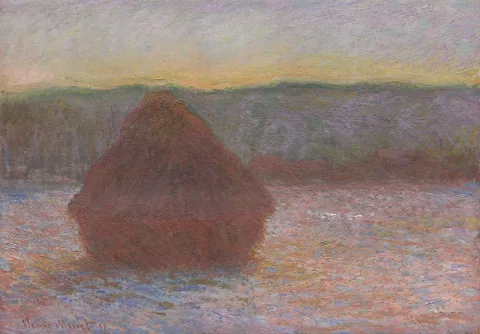
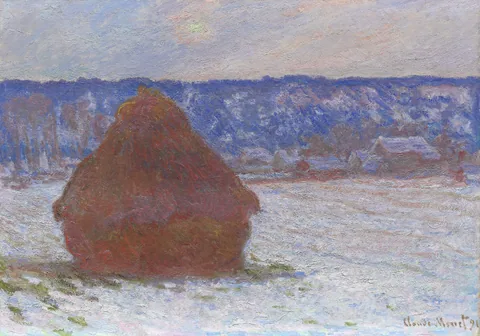
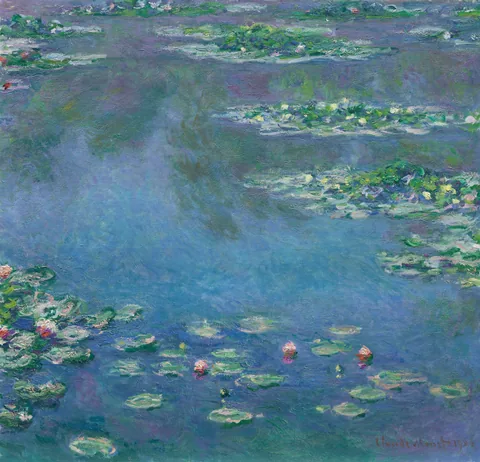
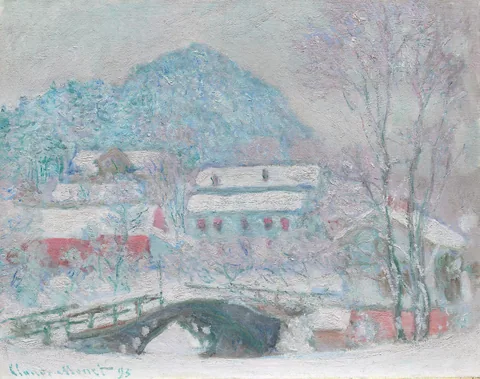
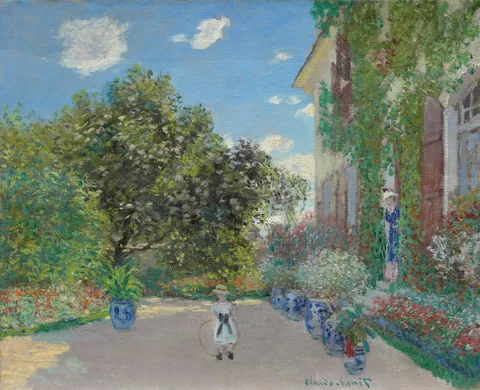
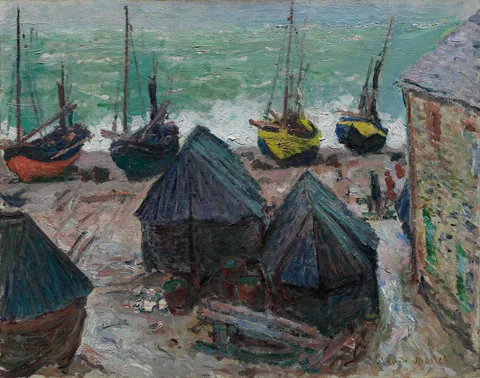
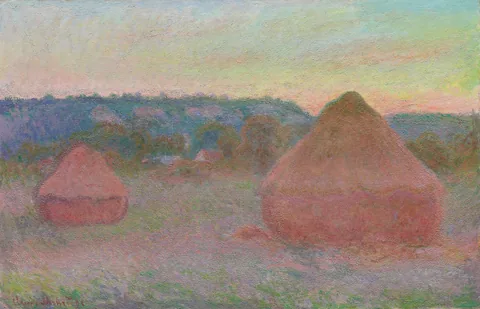
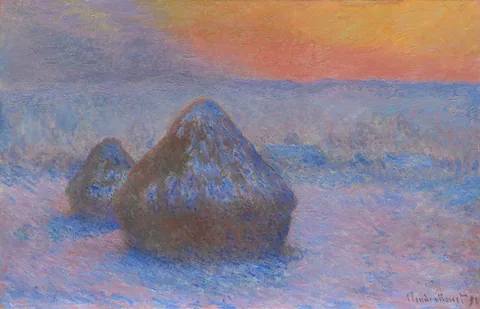
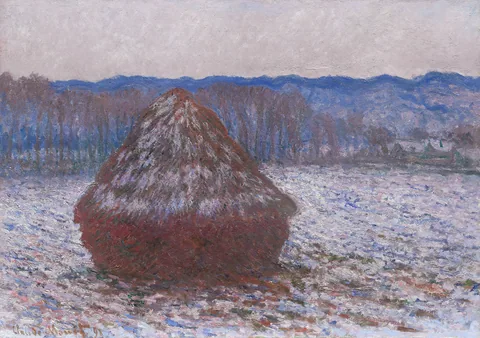
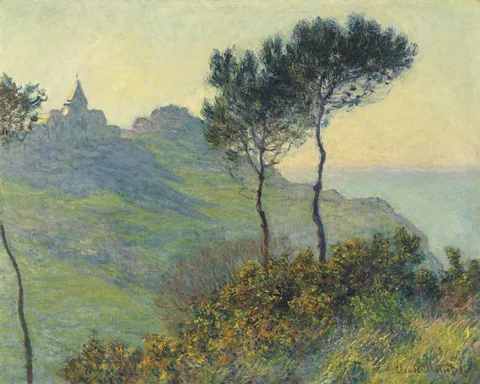
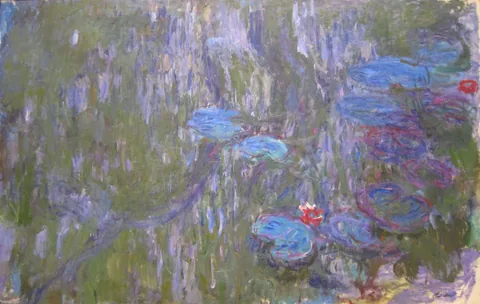
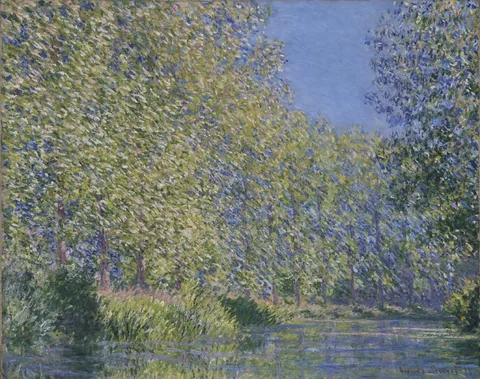
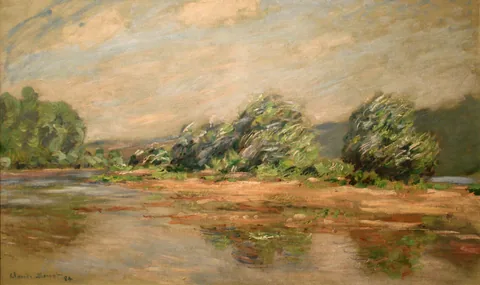
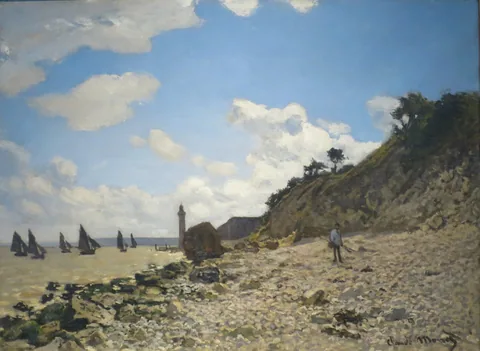
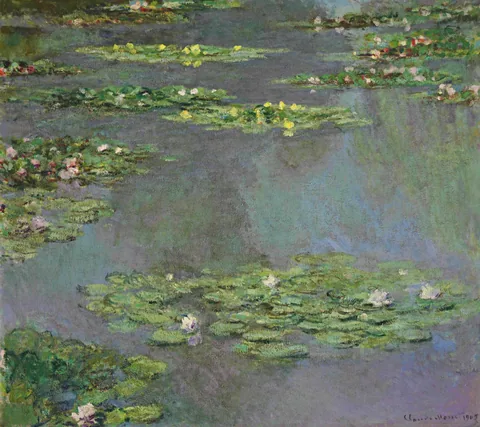
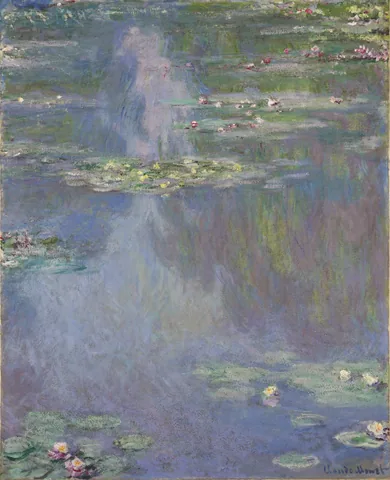
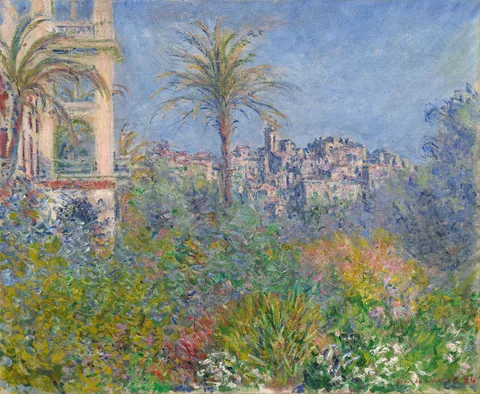
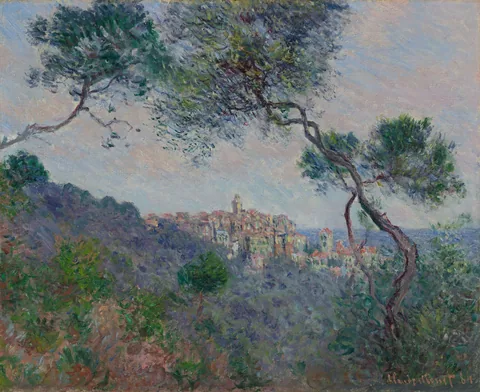
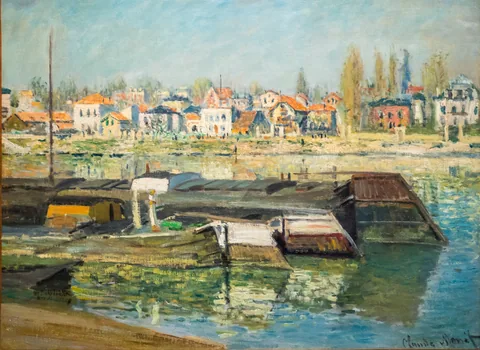
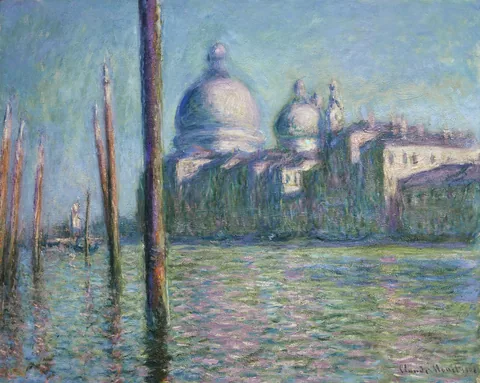
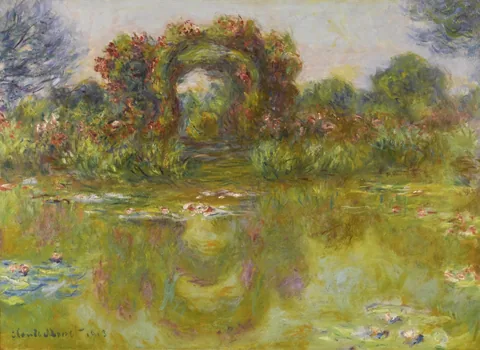
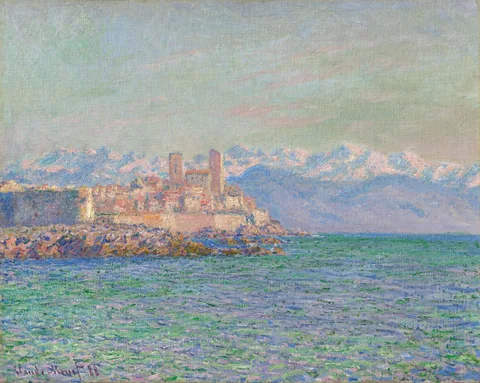
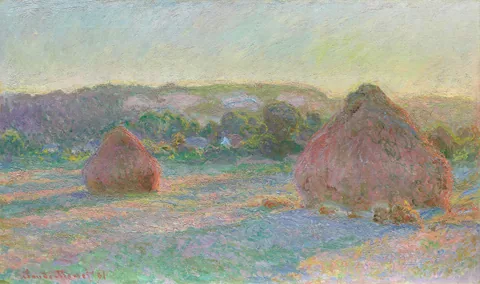
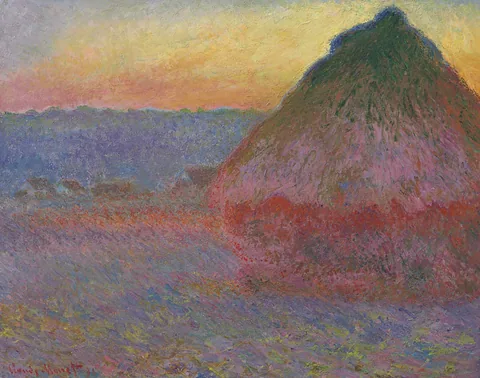
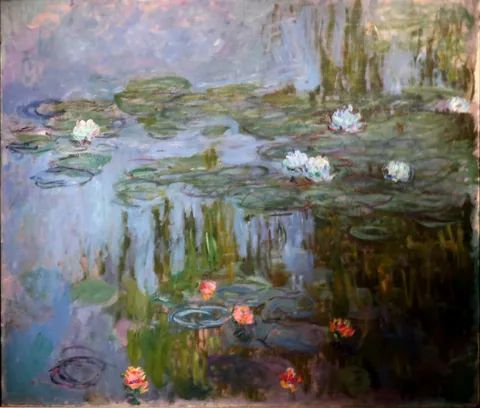
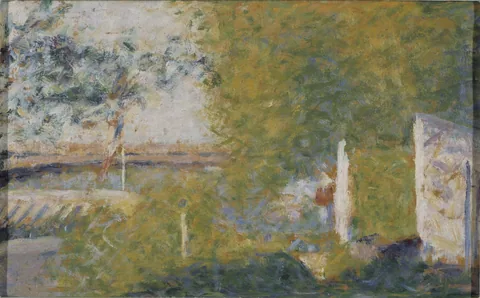
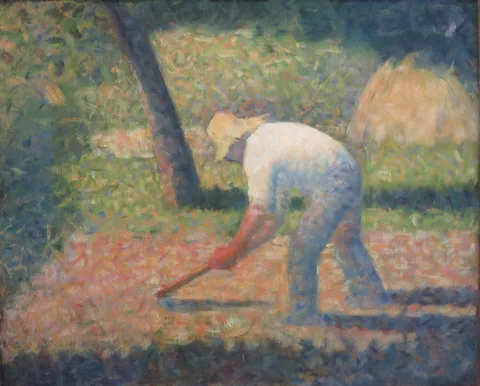
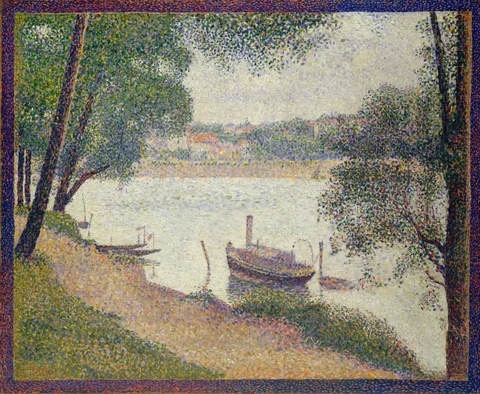
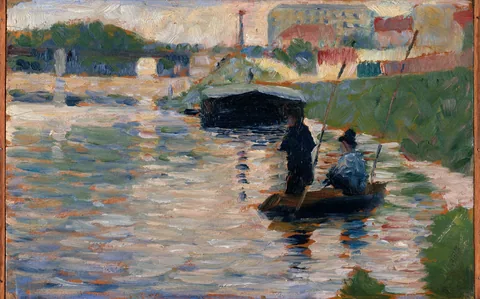
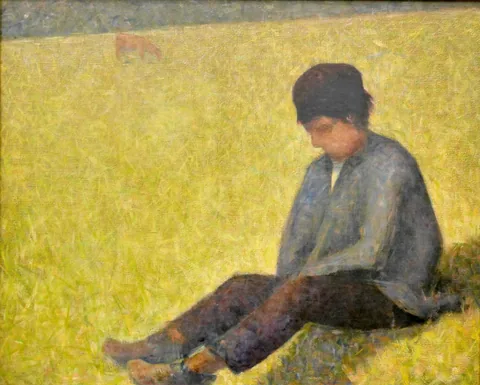
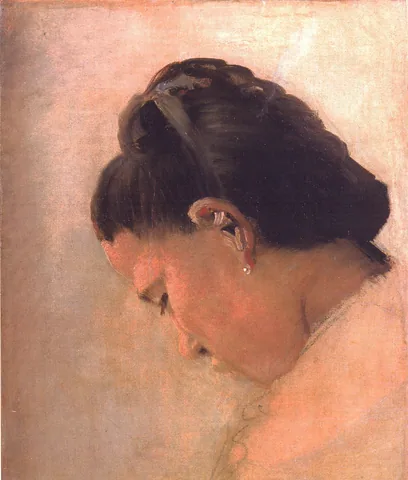
Impressionism takes its name from a jibe. In 1874, after years of rejection by the official Salon, a group of painters in Paris put on an exhibition of their own, and a critic reviewing it mocked Monet's Impression, Sunrise, a hazy view of the port of Le Havre. The painters took up the name. They worked quickly, often outdoors, and let the brushstrokes show, because what they were after was the light of one moment: sun on a river, a crowd at a dance, snow on a country road. They held eight exhibitions through 1886, and Camille Pissarro was the only painter to show at every one.
Claude Monet and Vincent van Gogh have the most paintings here, followed by Pierre-Auguste Renoir, Pissarro, Paul Cézanne and Edgar Degas, with Gauguin, Manet, Boudin, Mary Cassatt, Seurat, Sisley and Berthe Morisot behind them. Renoir's Bal du moulin de la Galette catches a Sunday afternoon at a dance garden in Montmartre. Post-Impressionism, from about 1886 to 1905, moved from passing light toward structure and symbol: Seurat's dots, Gauguin's flat, bold color, Cézanne's blocks of form. Van Gogh painted The Starry Night from the view outside his asylum window at Saint-Rémy, adding a village of his own invention; the journal tells the story of that painting. Cézanne came back again and again to one mountain in Provence, as in Mont Sainte-Victoire seen from Bellevue.
Think about the light in your room before you choose. These painters wanted daylight on the canvas, and the prints come alive where there is some, against a warm white, pale gray or soft green wall. A crowded scene such as a dance hall or a café terrace settles down inside a wide off-white mat, while a river or a field can go frameless as canvas. Over a sofa, aim for about two-thirds of its width; what size art goes over a sofa has the numbers. For a group, keep to one painter or one season.
Impressionism, from the 1870s, set out to catch everyday life and the light of a moment, with quick, visible brushstrokes. Post-Impressionism, from about 1886 to 1905, grew out of it and reacted against that focus on natural light, moving toward structure, symbol and expressive color. Its four great names are Cézanne, Gauguin, Van Gogh and Seurat, and all four are in this collection beside the Impressionists they learned from.
Van Gogh's The Starry Night, Sunflowers, Irises, Café Terrace at Night and Wheatfield with Crows; Monet's Impression, Sunrise and Woman with a Parasol; Renoir's Bal du moulin de la Galette and Luncheon of the Boating Party; Degas's L'Absinthe; and Manet's The Balcony are all here, with hundreds of quieter pieces by the same painters. Type a title into the search box above the grid to find it fast.
It shows every stroke as the camera recorded it, sharp enough to follow the direction of the brush, but the surface is flat: no print reproduces raised paint. Gallery-wrapped canvas comes closest to the feel of a painting, because the weave gives the picture a texture of its own. Smooth cotton paper (Hot Press) holds the finest detail, and Cold Press cotton adds a soft grain under the acrylic of a framed print.
Sources: Wikipedia: Impressionism; Wikipedia: Post-Impressionism; Wikipedia: Impression, Sunrise; Wikipedia: Camille Pissarro; Wikipedia: Bal du moulin de la Galette; Wikipedia: The Starry Night; Wikipedia: Mont Sainte-Victoire (Cézanne)
