Biggest sale yet: 30% off canvas, 25% off framed and posters, 15% off everything else, at checkout through Nov 30.
European paintings made before 1800, from the Renaissance to the Rococo. Portraits, landscapes and classic scenes.
1,627 artworks · page 27 of 34
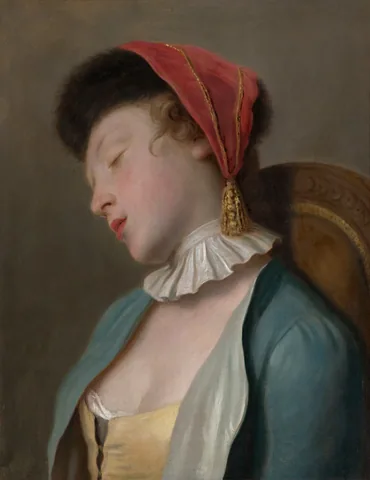
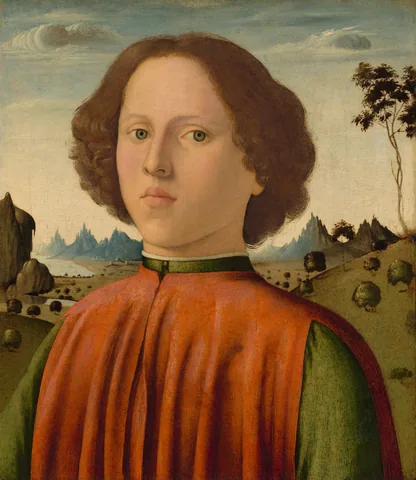
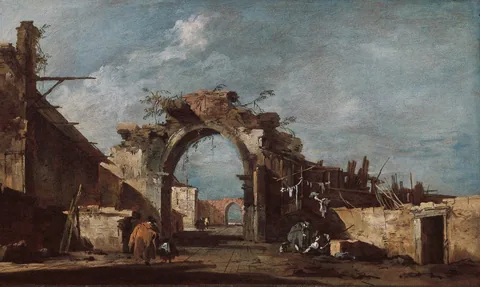
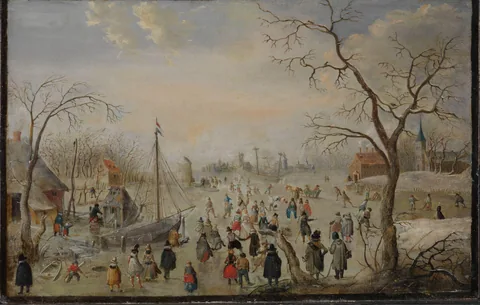
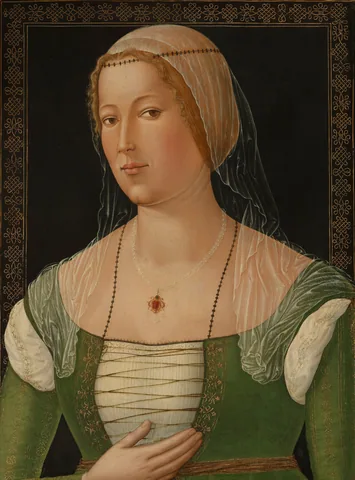
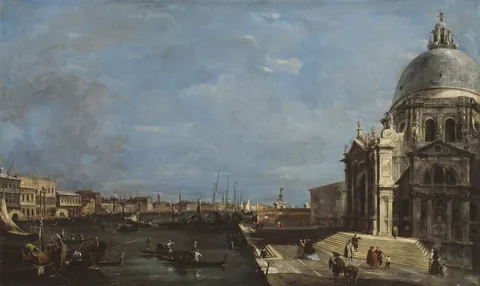
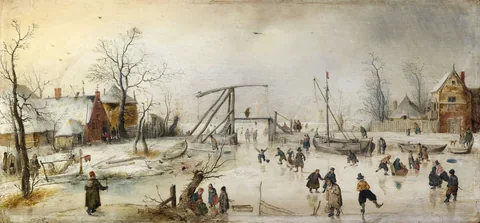
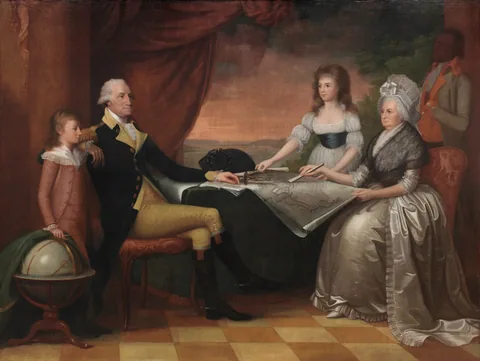
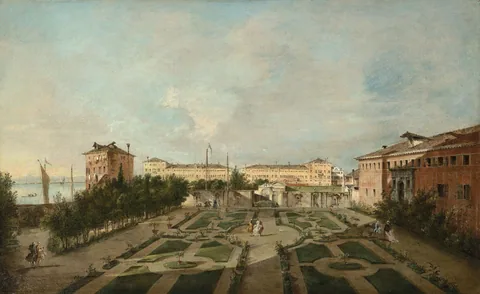
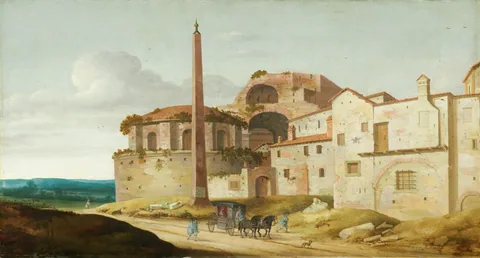
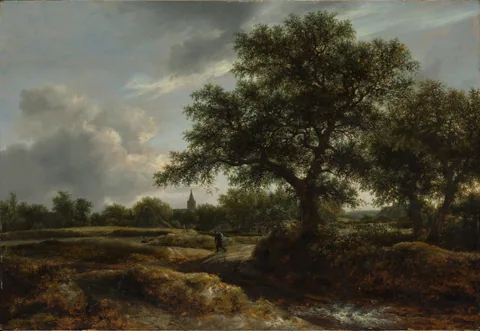
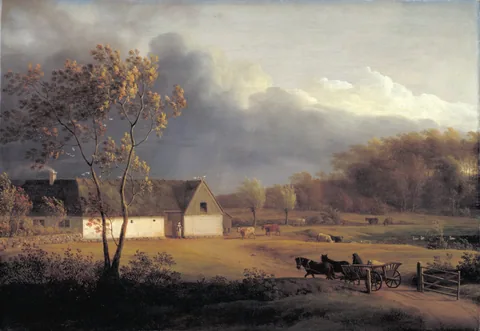
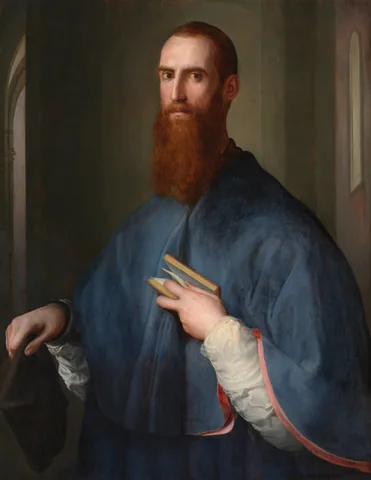
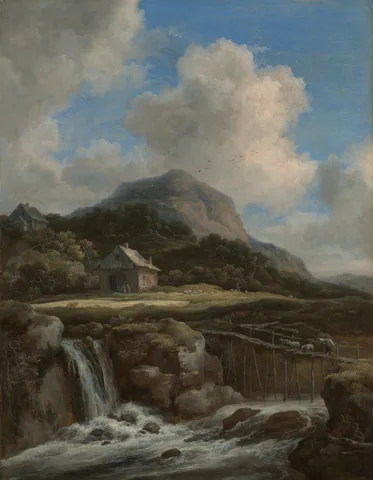
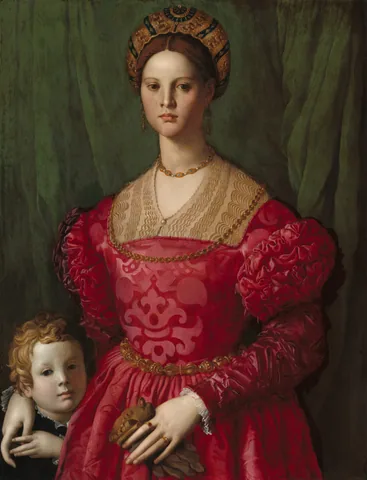
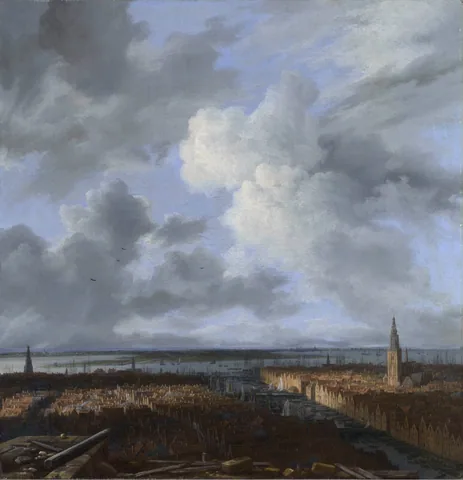
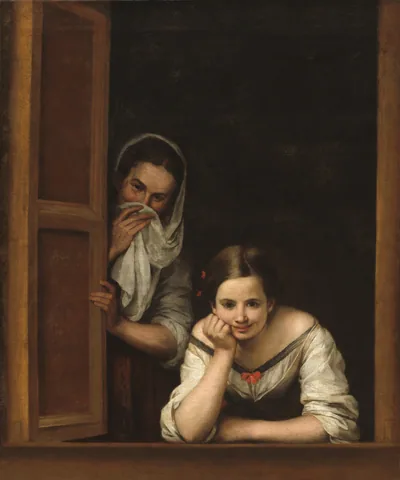
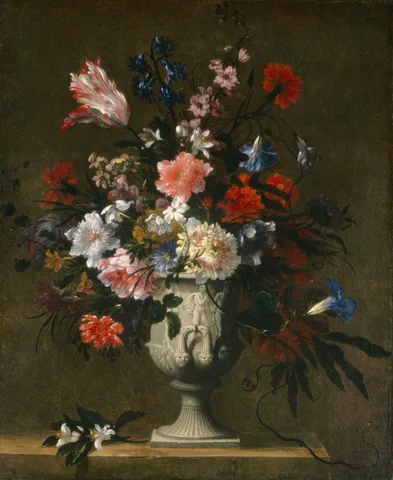
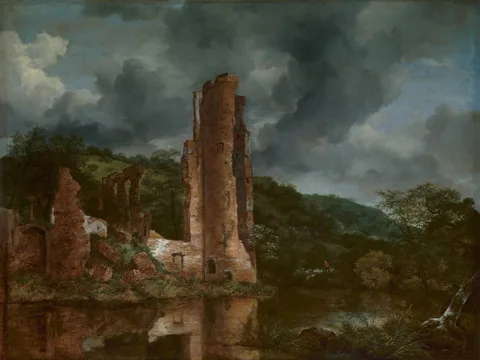
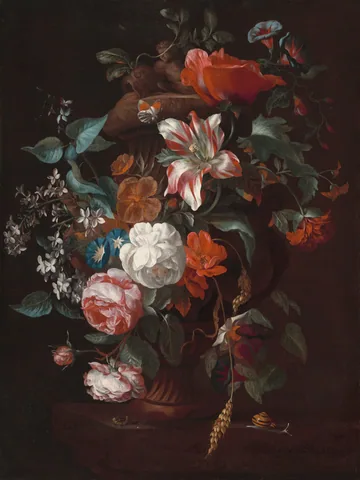
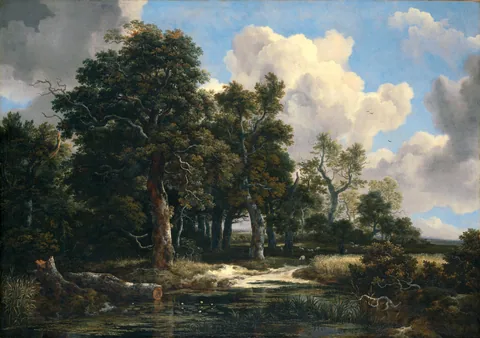
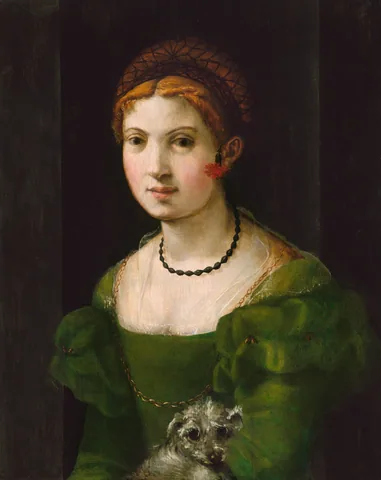
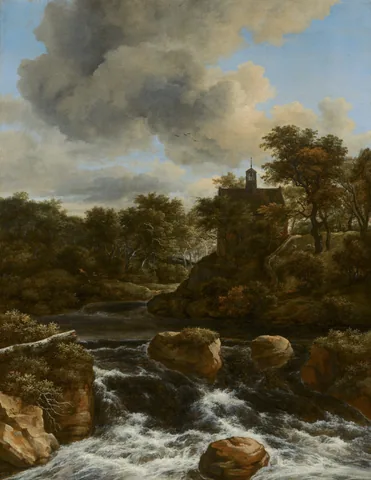
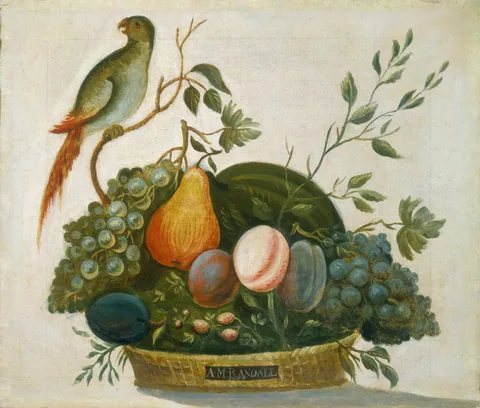
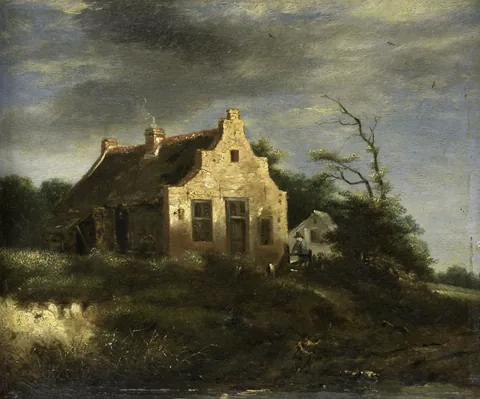
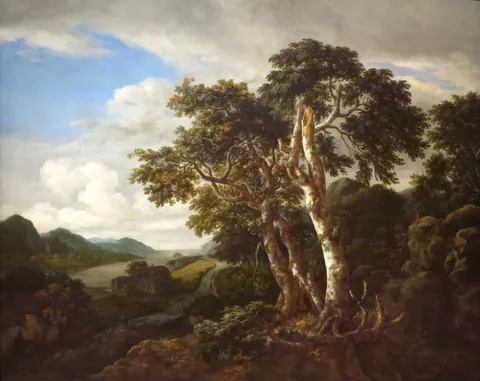
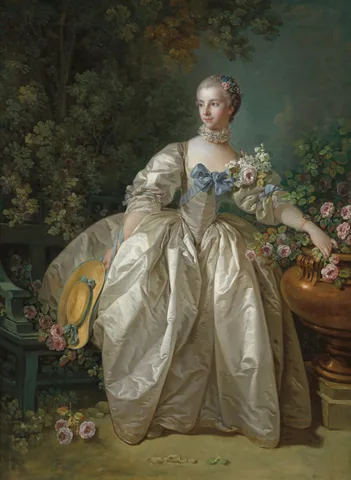
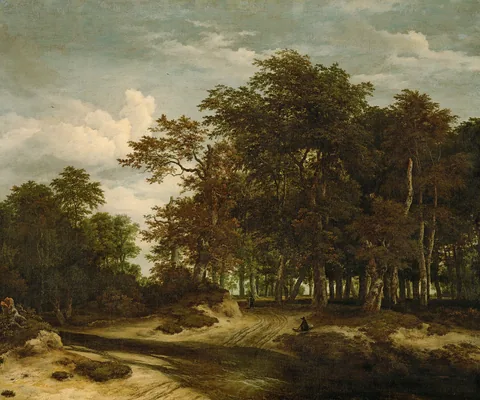
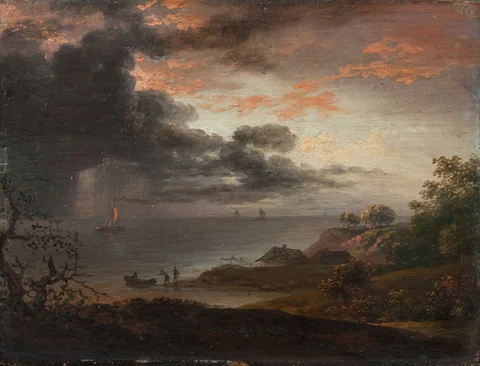
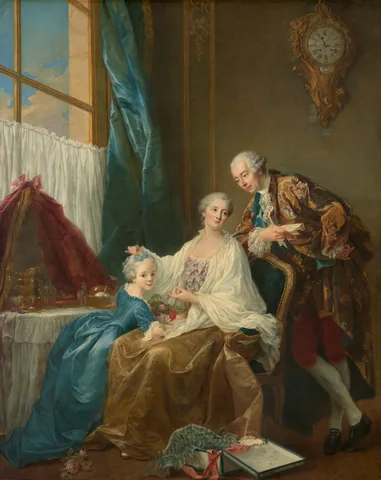
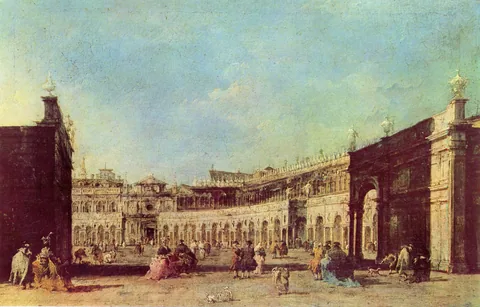
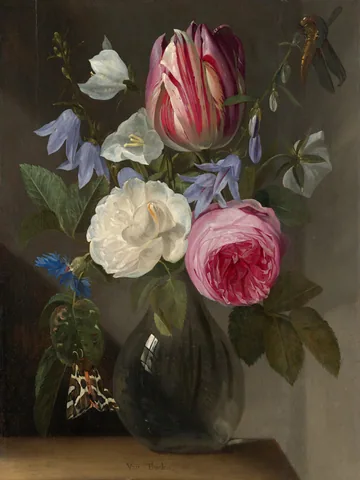
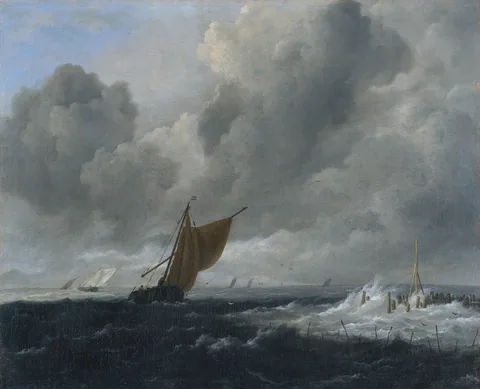
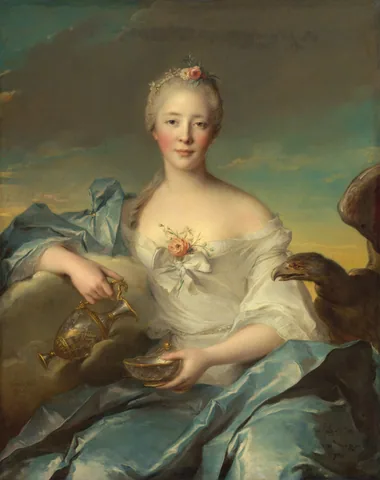
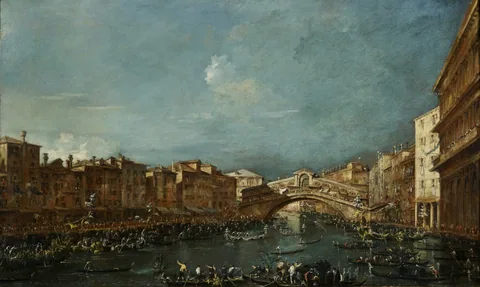
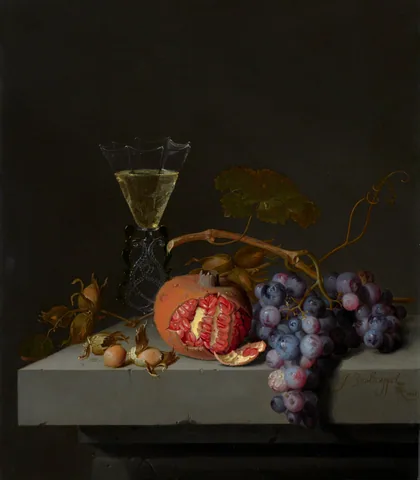
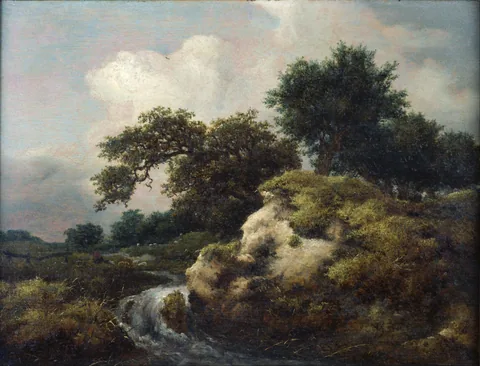
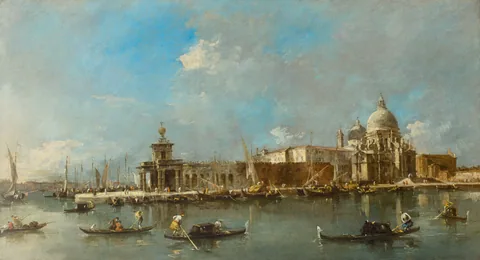
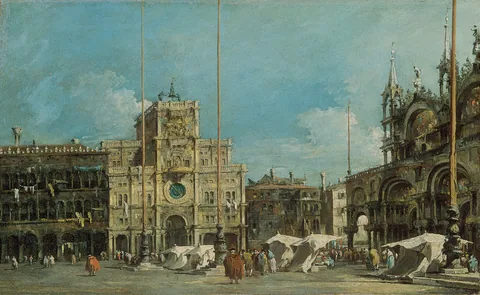
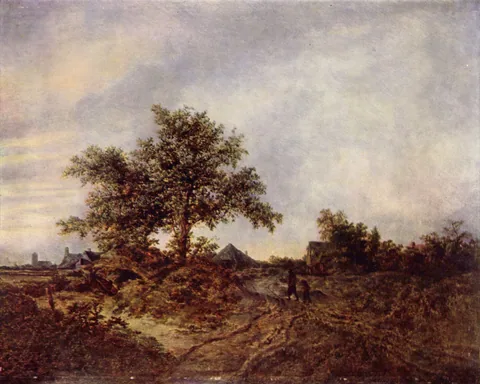
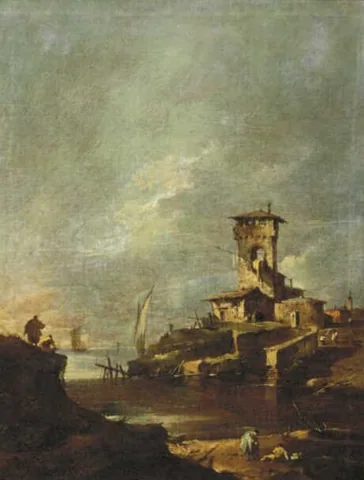
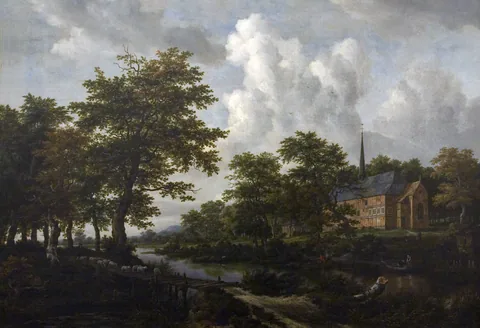
Old Master means a skilled European painter who worked before about 1800, or a painting by one. This collection starts in the late 1200s, with a Byzantine Madonna and the panels of Duccio and Giotto, and ends with Fragonard and Gainsborough in the late 1700s. Leonardo da Vinci left fewer than 25 major works, and all four of his surviving portraits of women are here: the Mona Lisa, Lady with an Ermine, Ginevra de' Benci and La Belle Ferronnière. Titian, the leading painter of 16th-century Venice, and Raphael, admired for the clarity and ease of his compositions, carry the Italian Renaissance, and Pieter Brueghel the Elder the north, with The Hunters in the Snow, The Tower of Babel and Netherlandish Proverbs.
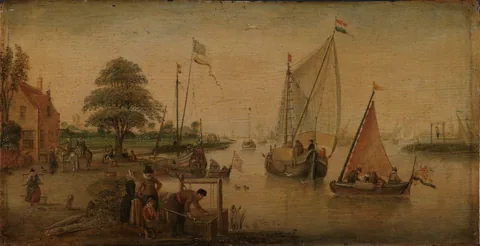
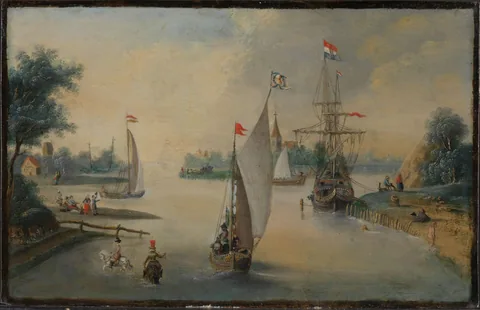
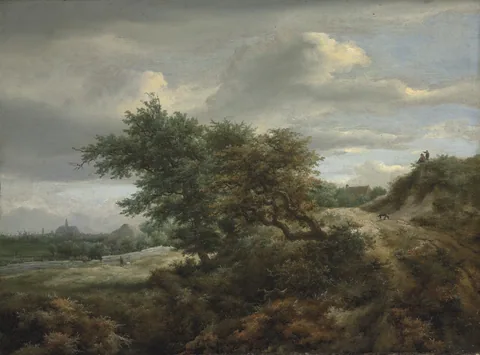
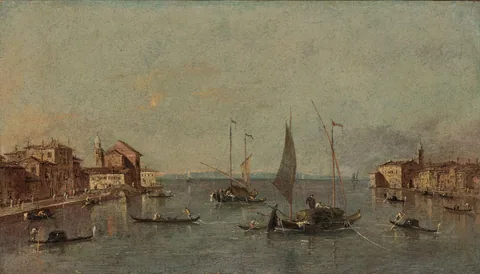
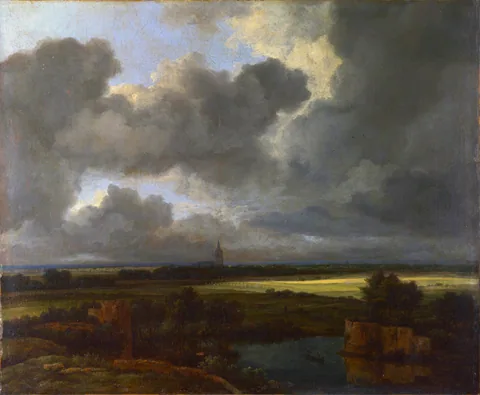
The 1600s bring Rembrandt and The Night Watch, a group portrait of a civic militia company; Diego Velázquez and Las Meninas, one of the most closely studied paintings in Western art; and Vermeer's rooms in Delft. Most of the collection, though, is quieter: Ruisdael's skies, Willem van de Velde's ships, Jan van Goyen's rivers, the Venice of Canaletto and Guardi and the Dresden of Bellotto. It closes with the Rococo, pink silk and green leaves in Jean-Honoré Fragonard's The Swing, and with Gainsborough's English couples posed in their own landscapes, such as Mr and Mrs Andrews.
Most of these paintings want some weight around them. A gold frame, or one of the wide ornate mouldings such as Concerto or Plein Air, suits the portraits, and smooth cotton paper keeps their dark backgrounds deep. Crowded scenes such as Bruegel's reward a large size, where you can step close and find the skaters and the dogs at the hunters' heels. In a modern room, one Old Master in a plain dark frame against a bare wall makes a striking contrast.
Strictly, a fully trained painter who became a master of the local artists' guild and worked independently in Europe before about 1800. In practice the term covers any skilled European painter of that era, and often the work of pupils and workshops too, so the date matters more than the rank. Here it runs from Duccio and Giotto, around 1300, to Fragonard and Gainsborough.
Neither. Each piece is a print, made to order with pigment inks from a photograph of the original painting, on fine-art paper or canvas, and it is not signed or numbered. The originals belong to museums and collections, and the images are in the public domain; what public domain means explains where they come from and how we check them.
Yes. The painting in the Louvre is small, about 30 by 21 inches (77 by 53 cm). Our photograph of it holds up to 48 inches tall as canvas or an unframed print, and to 36 inches as a framed print, so either can hang larger than Leonardo's own. Every listing works this way: it offers only the sizes its photograph prints at 150 pixels per inch or more.
Sources: Wikipedia: Old Master; Wikipedia: Leonardo da Vinci; Wikipedia: Lady with an Ermine; Wikipedia: Mona Lisa; Wikipedia: Titian; Wikipedia: Raphael; Wikipedia: Pieter Bruegel the Elder; Wikipedia: The Night Watch; Wikipedia: Las Meninas; Wikipedia: The Swing (Fragonard)
