Biggest sale yet: 30% off canvas, 25% off framed and posters, 15% off everything else, at checkout through Nov 30.
Galaxies, nebulae and star-forming clouds photographed by the Hubble and Webb space telescopes, with three 19th-century prints of the Sun, the Moon and Saturn.
159 artworks · page 2 of 4
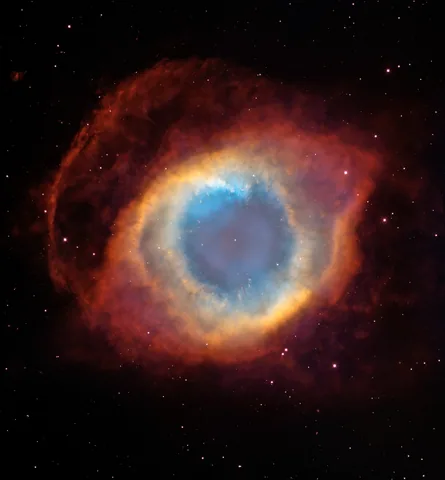
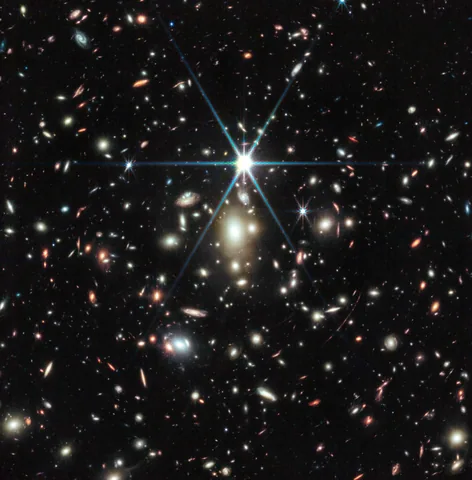
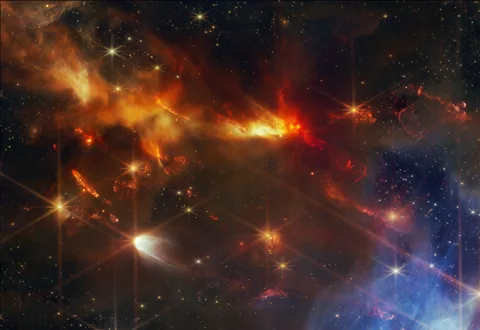
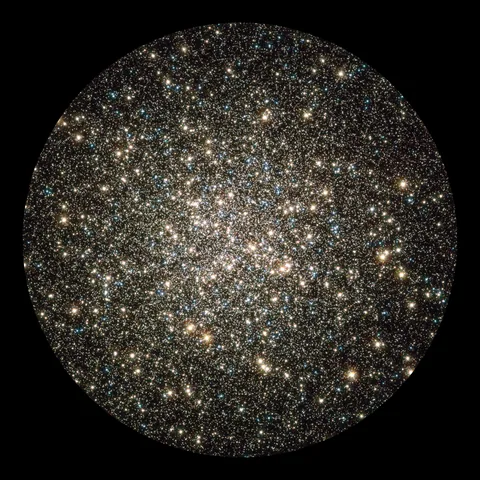
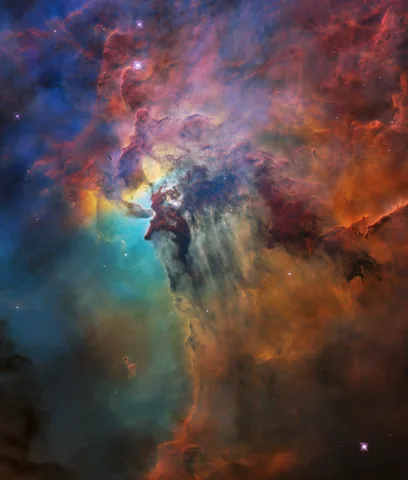
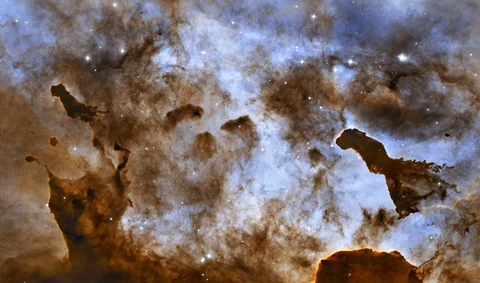
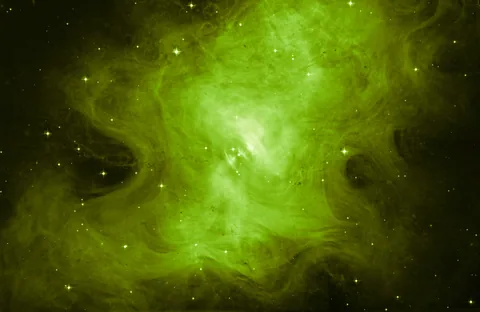
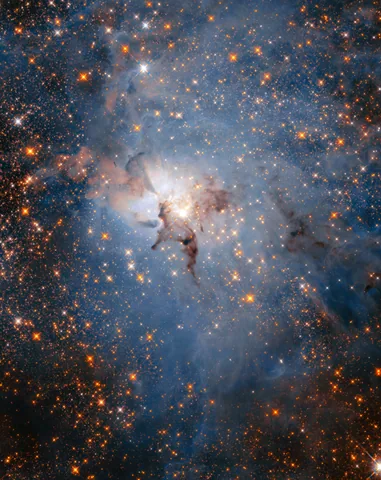
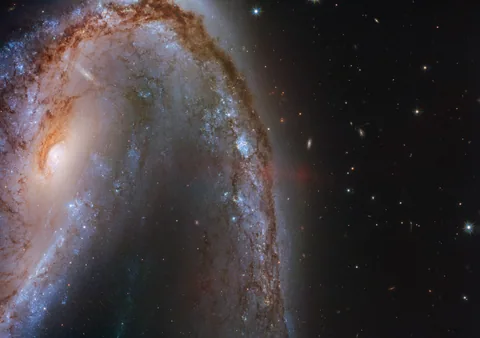
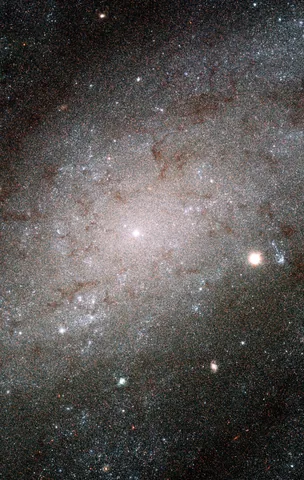
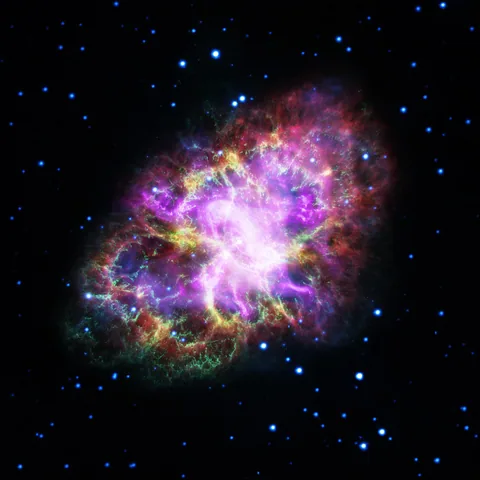
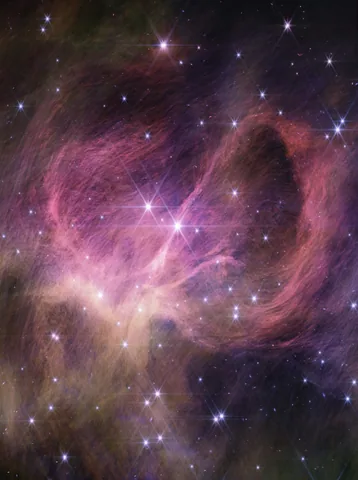
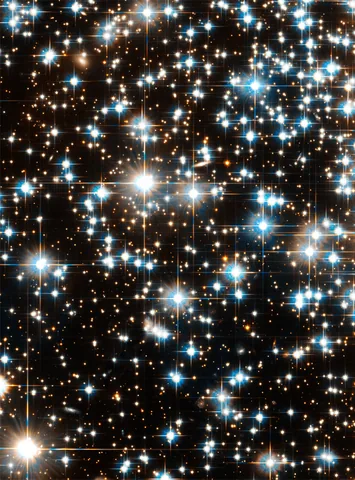
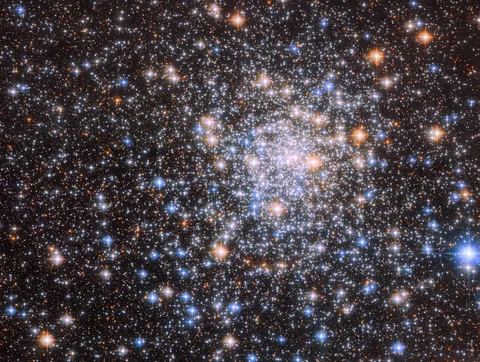
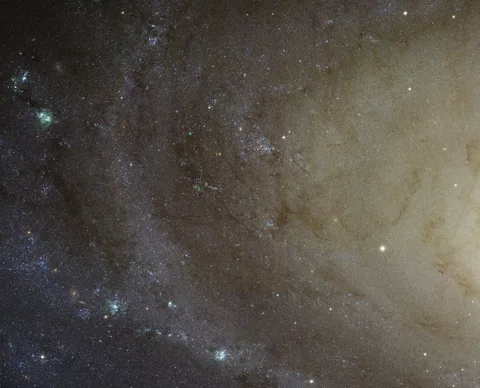
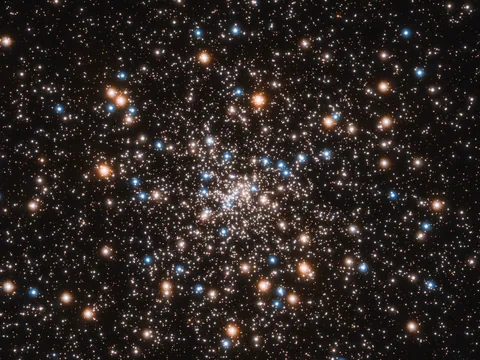
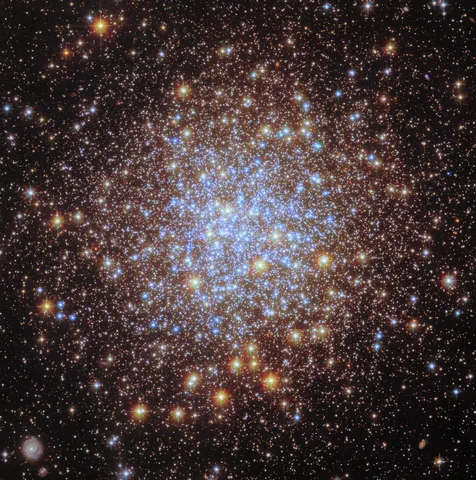
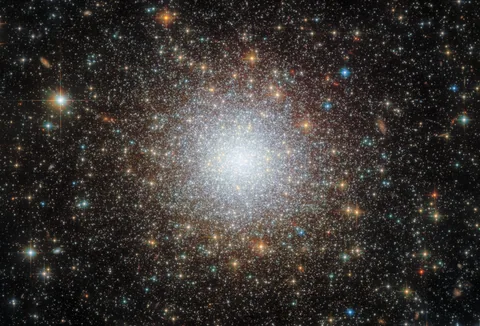
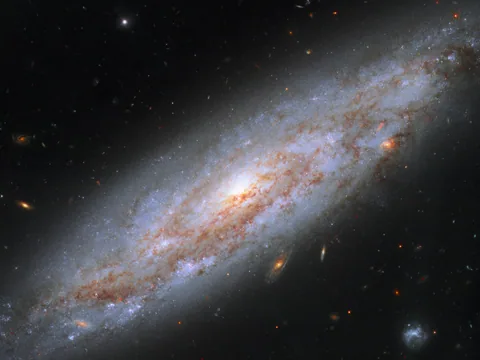
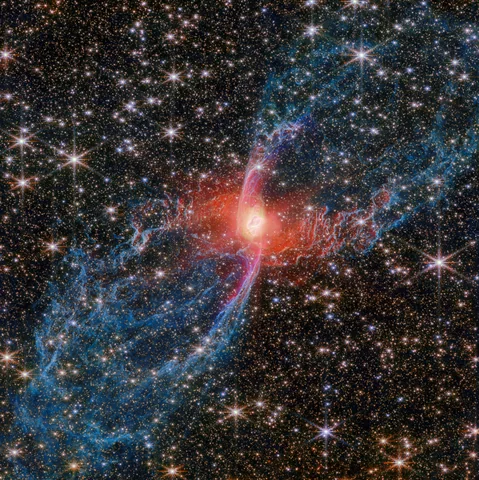
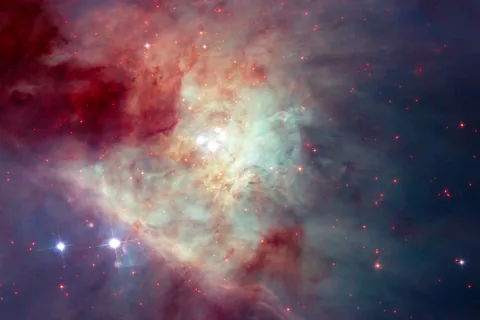
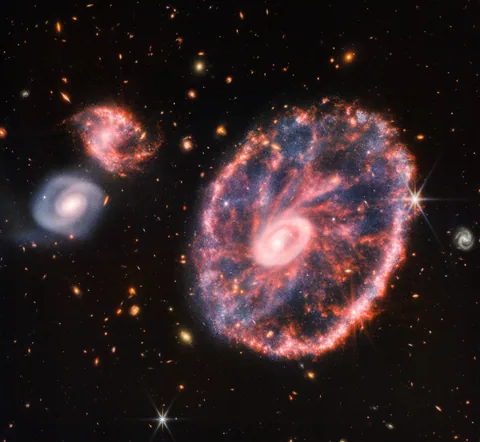
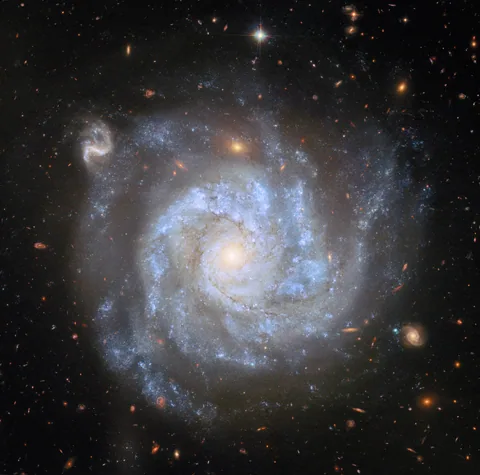
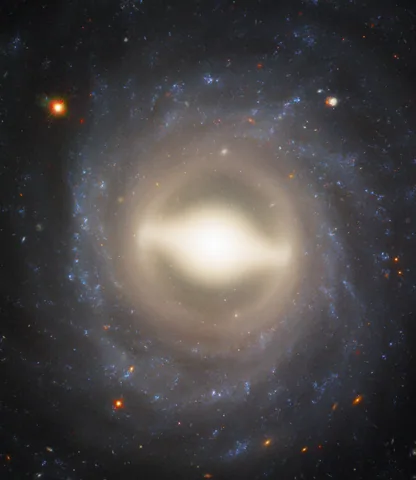
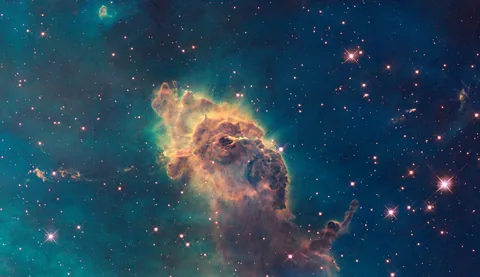
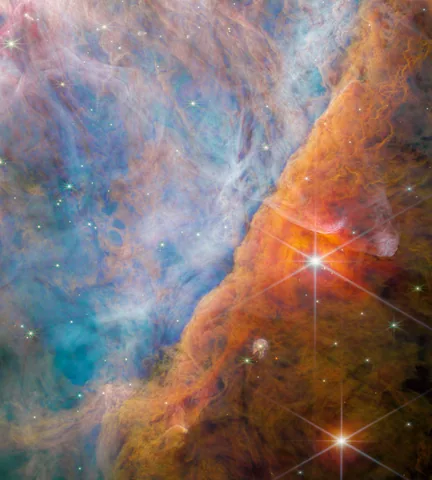
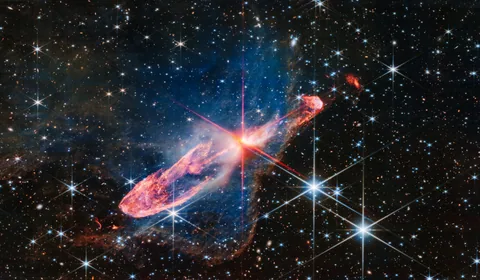
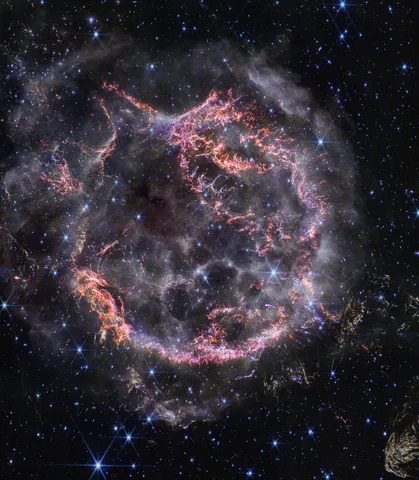
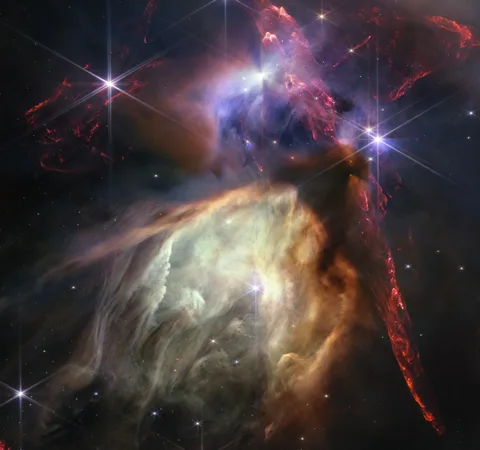
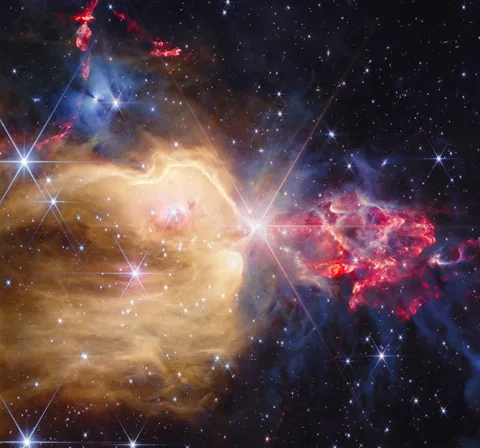
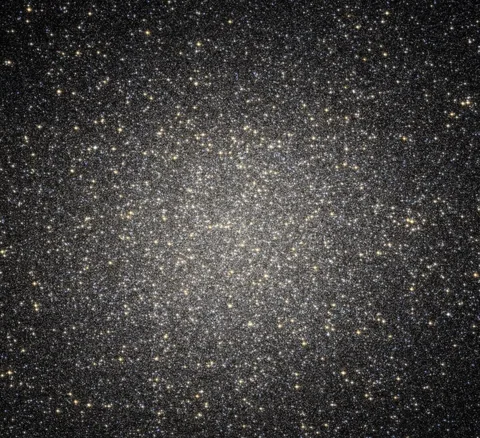
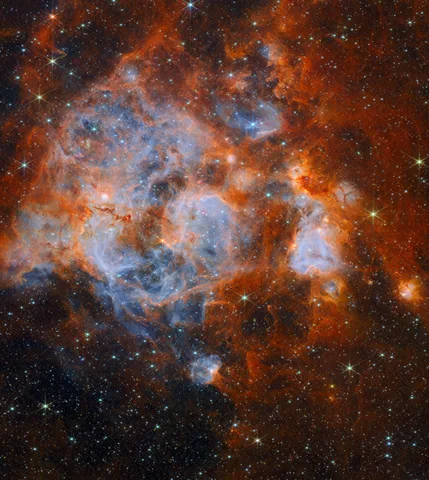
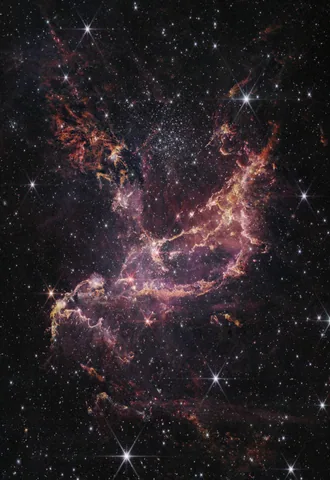
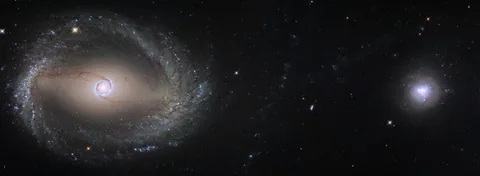
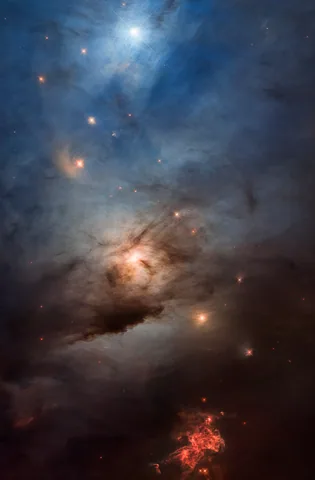
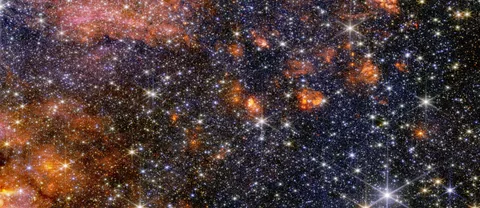
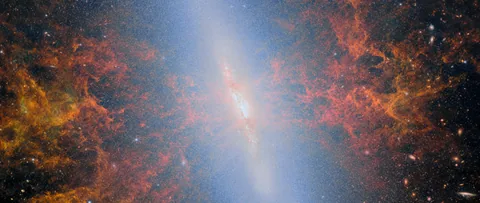
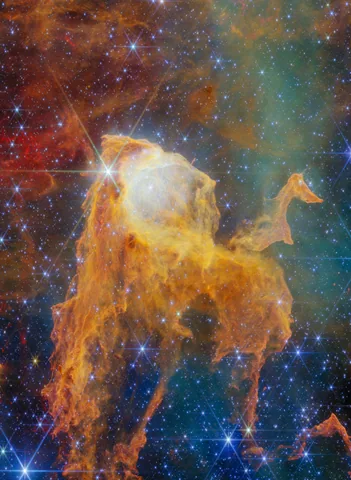
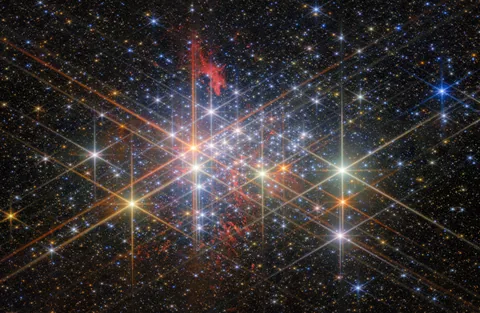
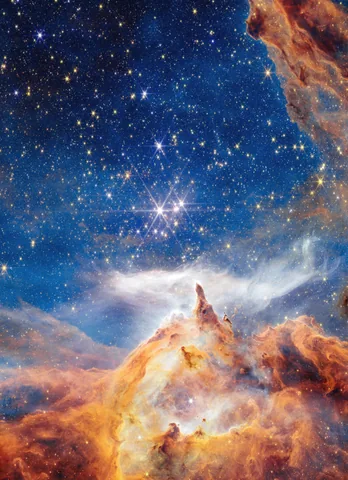
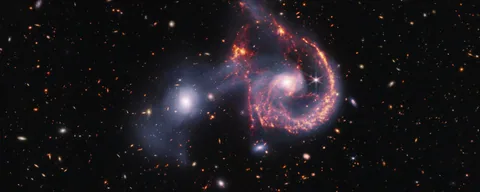
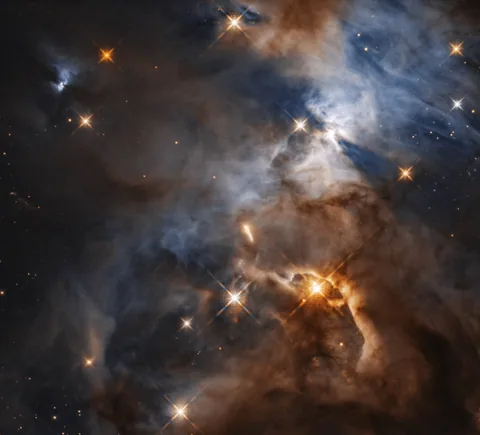
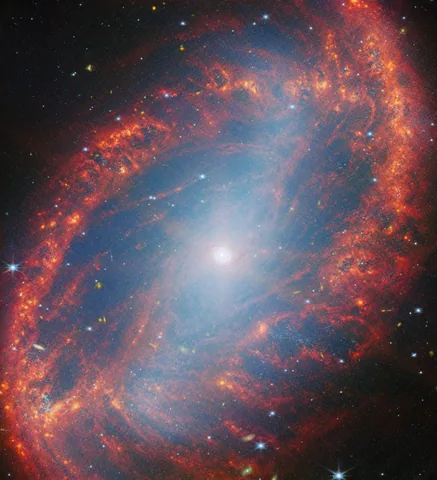
Nearly all of these are photographs, not paintings: images from the two great space telescopes. The Hubble Space Telescope went into orbit in 1990. Working above the blur of Earth's atmosphere, with a 2.4 m mirror, it takes very sharp pictures in ultraviolet, visible and near-infrared light. In 1995 it photographed columns of gas and dust in the Eagle Nebula, some 6,500 to 7,000 light-years away, where new stars are forming. The picture became known as the Pillars of Creation, and Hubble photographed the region again in 2014 with a newer camera: New view of the Pillars of Creation. Its sharpest view of the Orion Nebula is detailed enough for our biggest sizes. The three exceptions are older: chromolithographs, dated 1874 to 1881, after the drawings Étienne Léopold Trouvelot made at the telescope, of the planet Saturn, the Moon's Mare Humorum and a total eclipse of the sun.
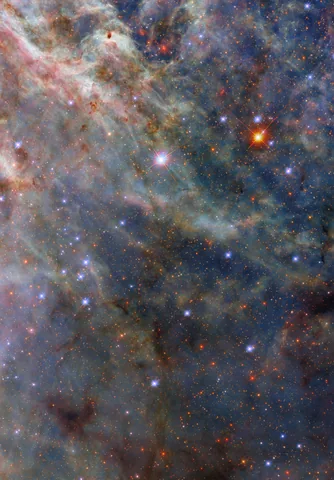
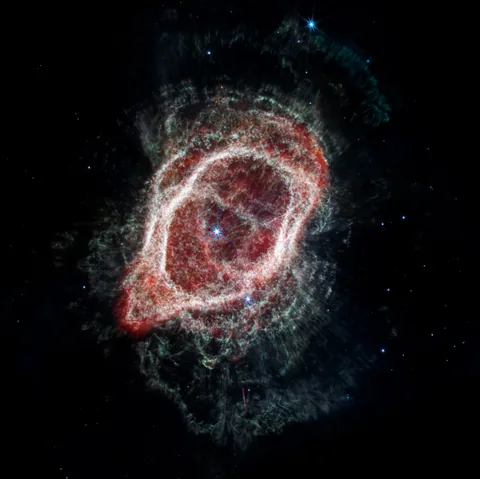
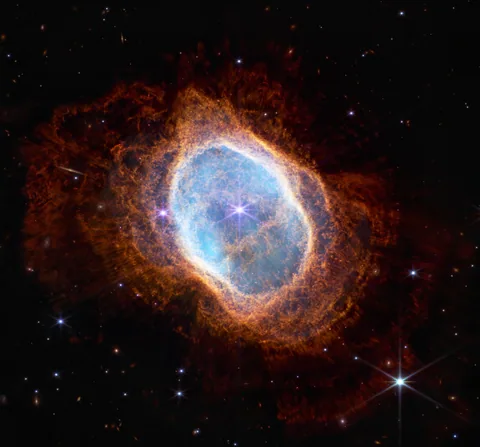
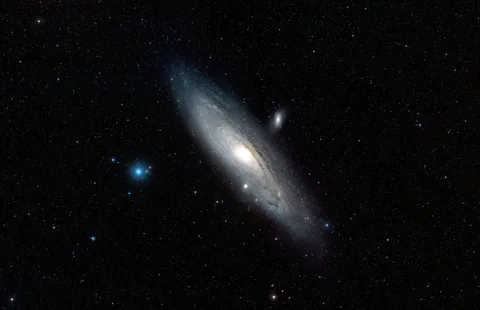
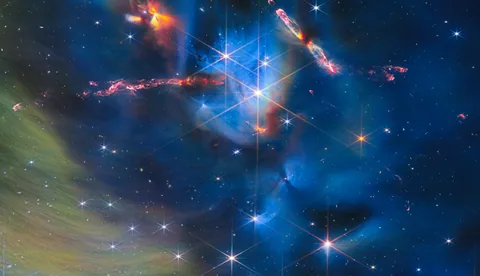
The James Webb Space Telescope, launched on Christmas Day 2021, is the largest telescope in space. Its mirror is 6.5 m across, and because it works in infrared light it can see objects too old, distant or faint for Hubble, with pictures about as sharp. Infrared is invisible to our eyes, so each of its filters is given a visible color, the shortest wavelengths blue and the longest red. Its Cosmic Cliffs in Carina and its own view of the Pillars of Creation, from 2022, hang well beside Hubble's long panorama of the Andromeda Galaxy. ESA/Hubble and ESA/Webb release these images under the Creative Commons Attribution 4.0 license, and each listing carries the credit line the license asks for.
Deep black and glowing color suit a white-base metal print, where the picture is fused into glossy aluminum, or gallery-wrapped canvas for a softer surface with no glare. As a framed print, a slim black frame with no mat lets the image run to its edge. A single large nebula makes a focal point in a bedroom, a study or a child's room, and the wide Andromeda panorama fits the long wall above a bed or a desk.
They come from ESA/Hubble and ESA/Webb, which release their images under the Creative Commons Attribution 4.0 International license: anyone may reproduce them, without a fee, as long as they are clearly credited. Each listing shows the credit, such as NASA, ESA, CSA, and STScI. We do not own the images, and we are not affiliated with or endorsed by NASA or ESA.
They are real data, translated into color. Webb records infrared light, which human eyes cannot see, so the people who process its images give each filter a visible color, usually the shortest wavelengths blue and the longest red, and sometimes reassign colors to bring out the science. What you see is the structure the telescope recorded, colored so that we can see it.
A metal print on the white base is bright, with true colors and clean whites, and its aluminum face wipes clean, which suits a modern room. Gallery-wrapped canvas has a softer, textured surface and nothing in front of it. A framed print on smooth cotton paper is the quietest choice. Glossy photo paper gives the most vivid color, with the most reflection.
It depends on the file. Some telescope images are huge and print sharply at our largest sizes, up to 48 inches on the long side for an unframed print; others stop sooner. Each listing offers only the sizes its file prints at 150 pixels per inch or more, and shows the finished outside size once you choose a frame and mat.
Sources: Wikipedia: Hubble Space Telescope; Wikipedia: James Webb Space Telescope; Wikipedia: Pillars of Creation; NASA: How are Webb's full-color images made; ESA/Hubble: Copyright and image use; ESA/Webb: Copyright and image use
