Biggest sale yet: 30% off canvas, 25% off framed and posters, 15% off everything else, at checkout through Nov 30.
Venice, Rome, Paris, London and Copenhagen: canals, squares, bridges and buildings seen by painters over three centuries.
1,229 artworks · page 16 of 26
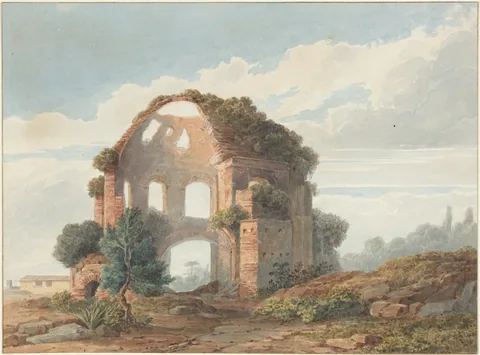
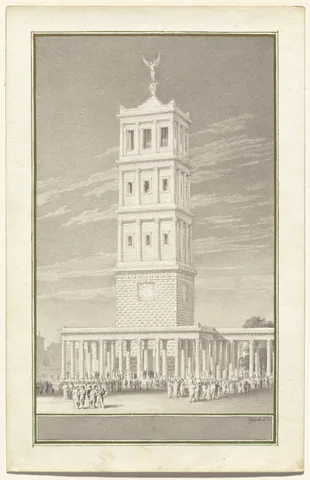
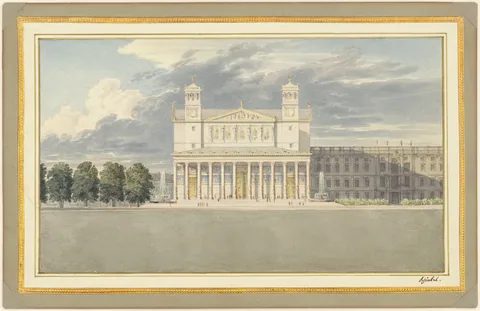
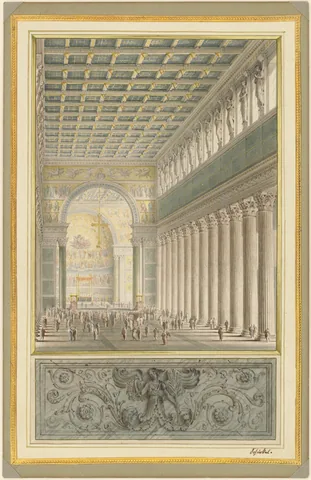
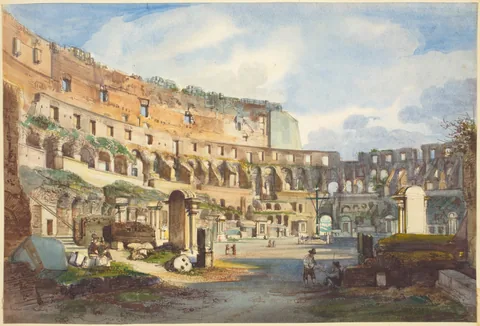
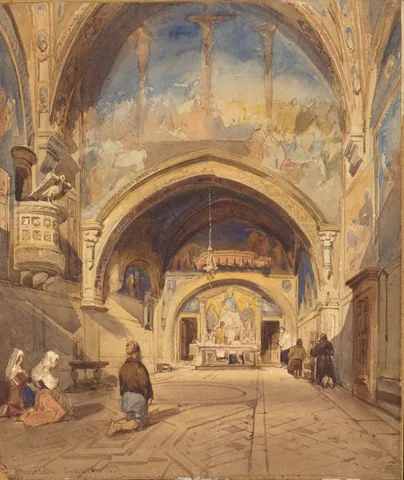
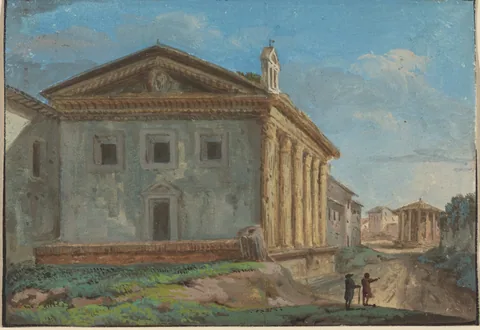
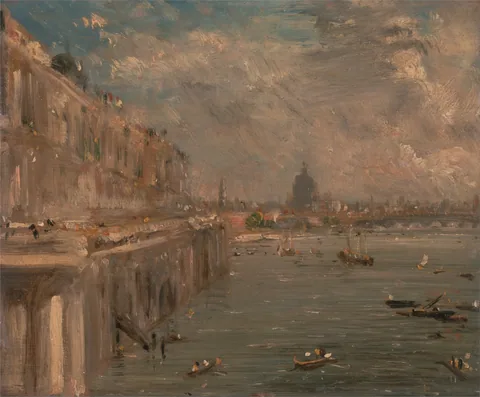
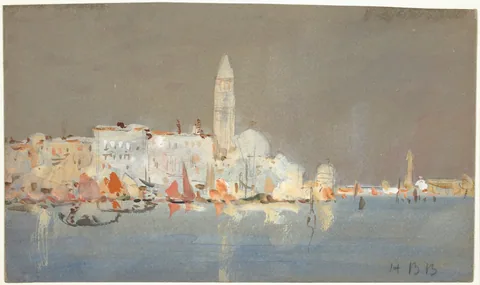
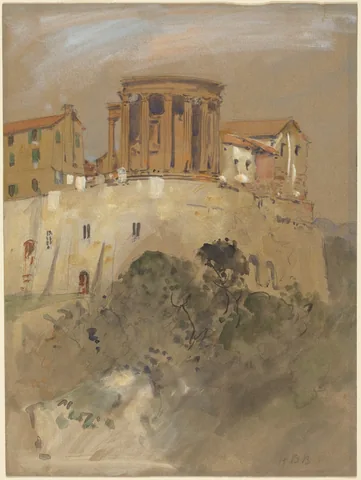
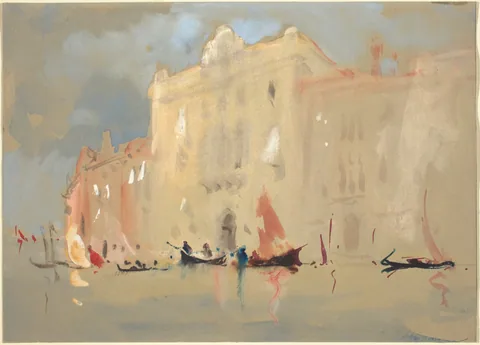
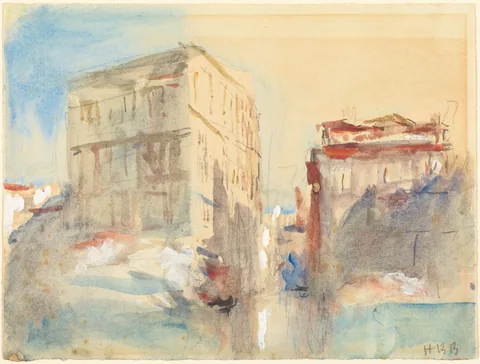
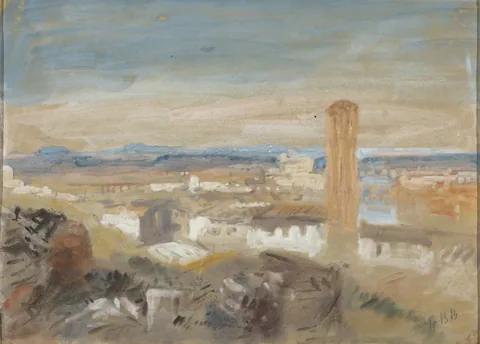
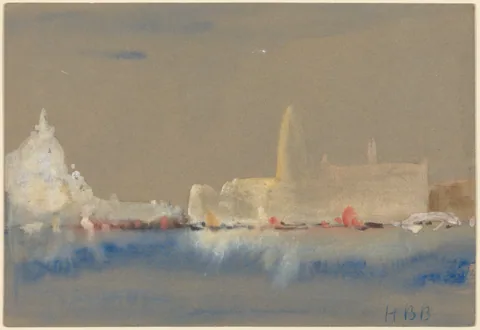
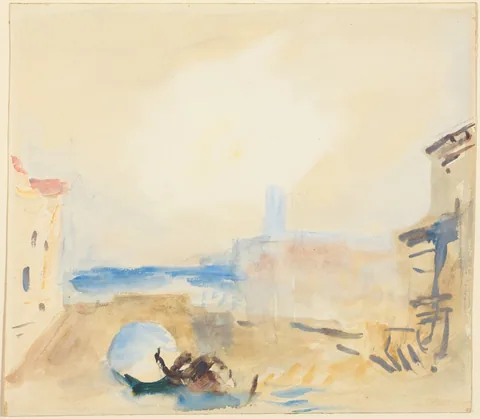
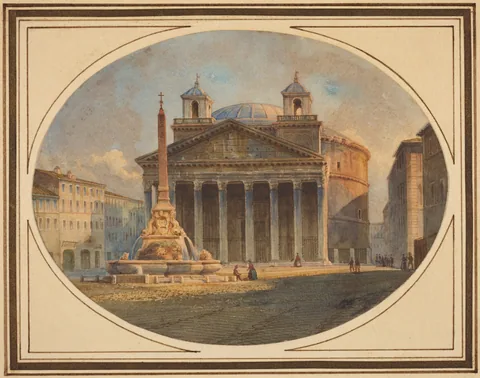
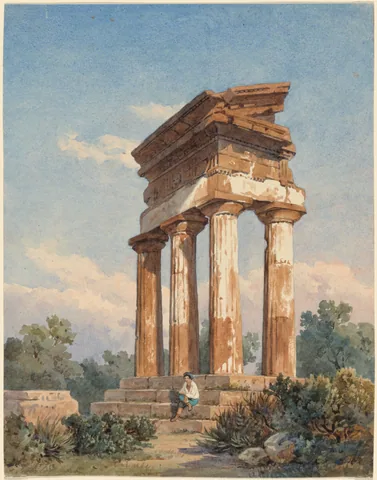
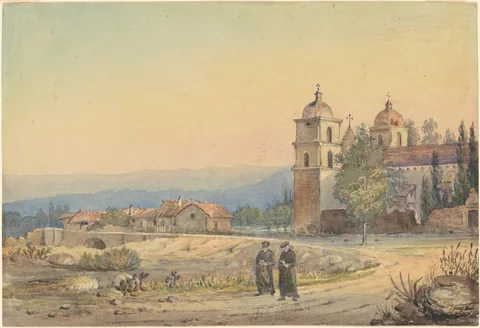
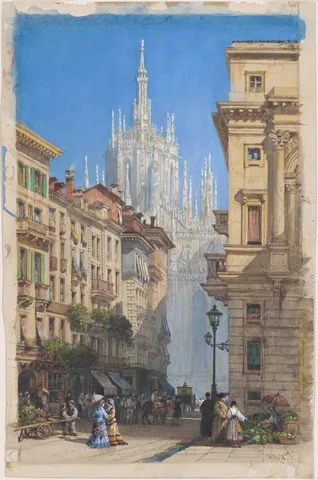
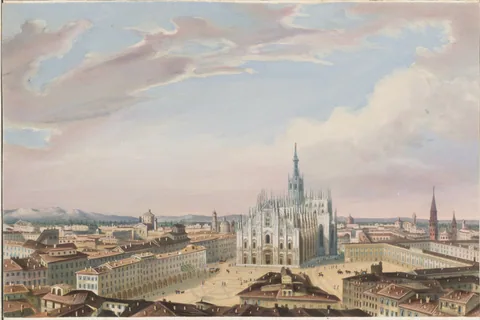
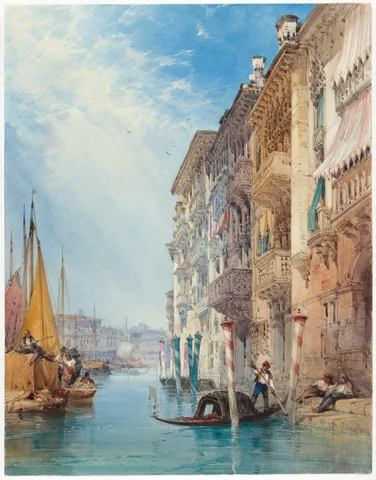
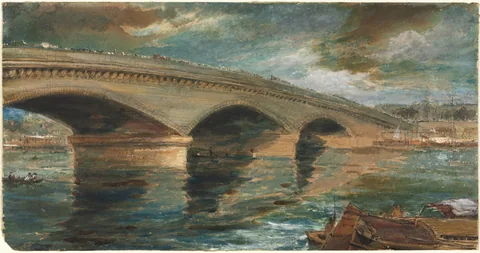
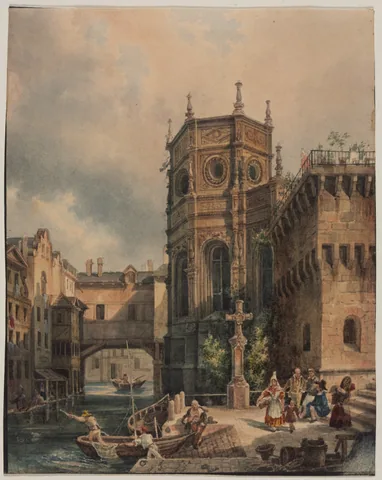
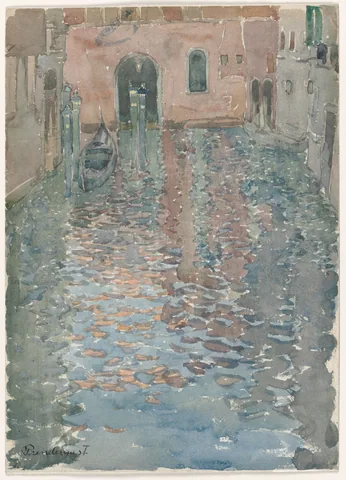
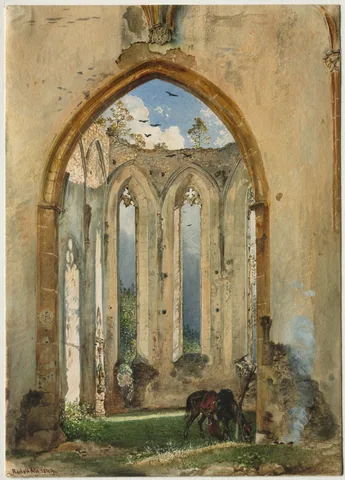
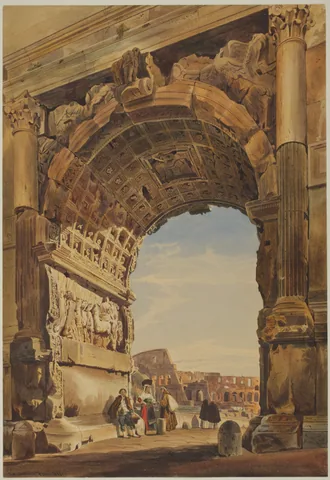
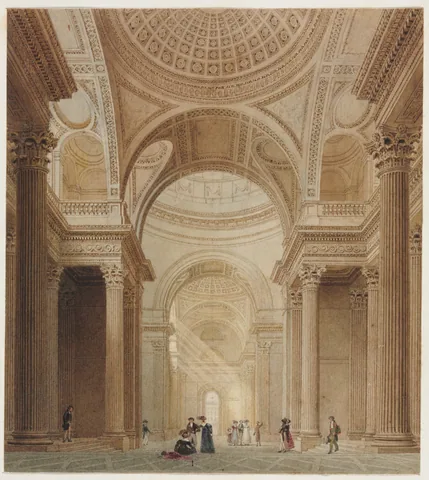
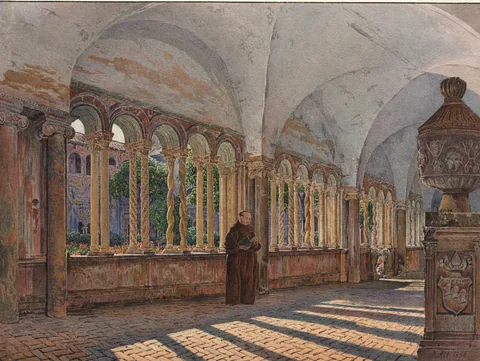
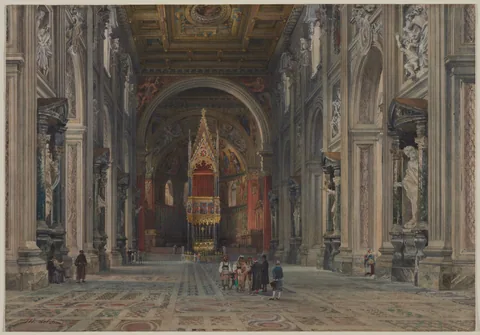
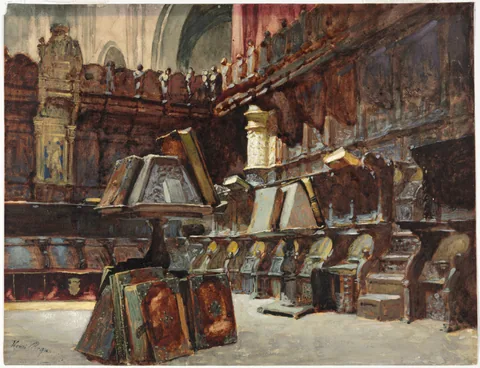
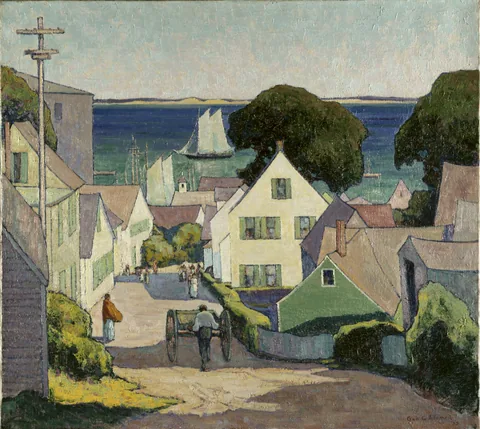
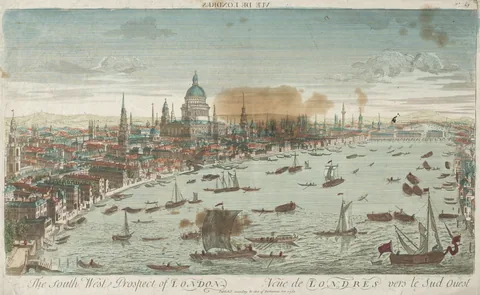
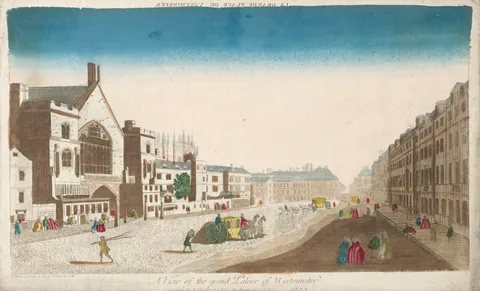
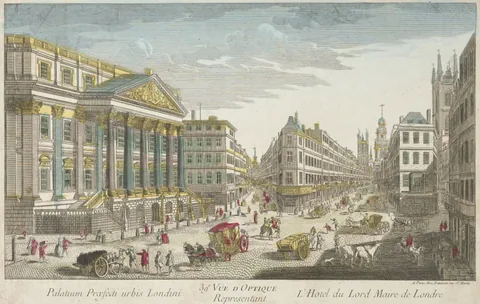
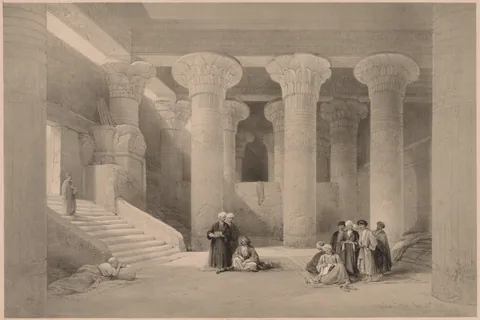
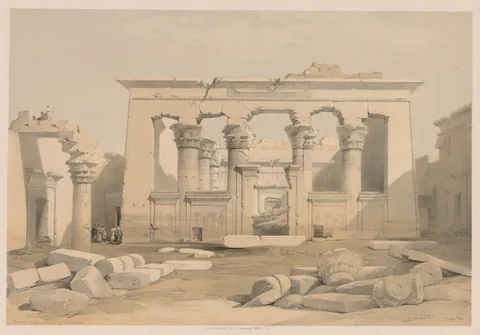
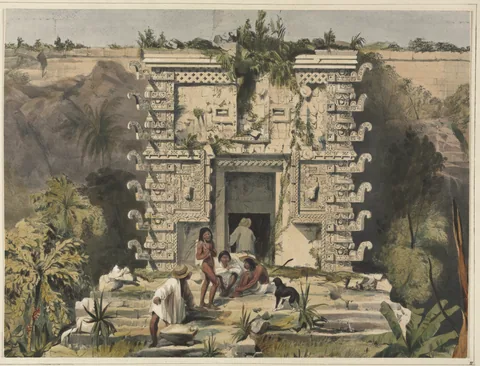
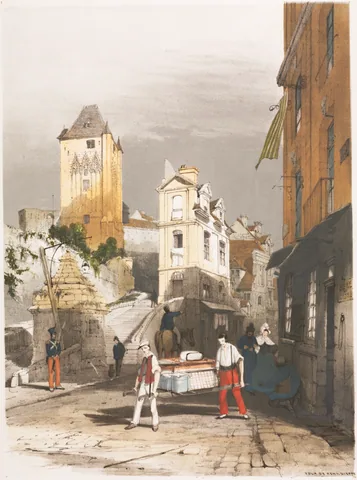
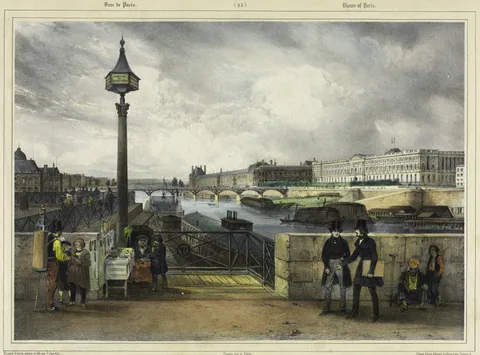
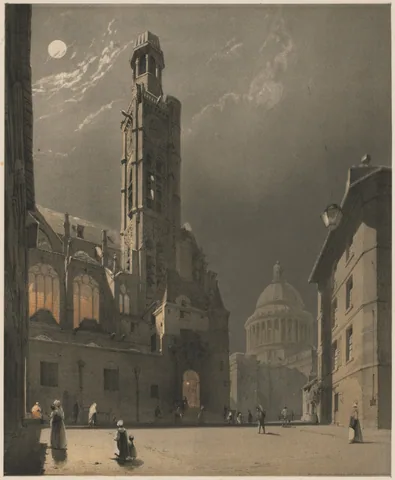
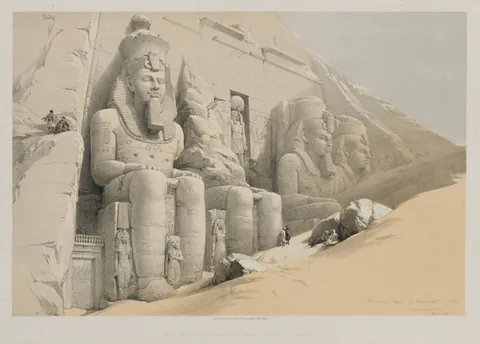
The Italian word for a detailed city view is veduta, and its painters are the vedutisti. Canaletto, the name you will see most often here, painted Venice, Rome and London and worked in England from 1746 to 1756; the merchant Joseph Smith's large collection of his work was later sold to King George III. The Stonemason's Yard, a working corner of Venice, is counted among his finest. His nephew and pupil Bernardo Bellotto painted Dresden, Vienna, Turin and Warsaw in cooler, steelier color, and his Warsaw views, such as View of Warsaw from Praga, helped rebuild the city after World War II. Francesco Guardi loosened the Venetian view with quick, spirited brushwork, and Giovanni Battista Piranesi, an architect as well as an artist, etched the ruins of Rome.
In Amsterdam, Jan van der Heyden, one of the first Dutch painters to specialize in townscapes, painted streets in such detail that every brick shows, and also devised the city's first street lighting. The modern city arrived in Paris. Gustave Caillebotte's Paris Street; Rainy Day shows people crossing a wet intersection in the city newly rebuilt under Napoleon III and Baron Haussmann, and in 1897 Camille Pissarro painted the Boulevard Montmartre in spring, on a winter morning, at Mardi Gras and at night. Monet painted London's Houses of Parliament as a series, Childe Hassam brought Impressionism to New York in Broadway and 42nd Street, and Vermeer's The Little Street is one of only three views of Delft he is known to have painted.
A city view gives a hallway, a study or an entry a sense of place. Detailed views repay a framed print with a mat, at a size where you can pick out windows, gondolas and passers-by; gold suits Venice, and a slim black frame suits Paris and New York. A pair of views of one city, or one street at two times of day, is an easy grouping, and Pissarro's boulevards were all but made for it.
Italian for view: a highly detailed, usually large painting or print of a city or another vista. In this collection the Venetian painters Canaletto, his nephew Bernardo Bellotto and Francesco Guardi painted canals, squares and festivals, and Giovanni Battista Piranesi made his famous etched views of Rome. The painters of vedute are called vedutisti.
Venice above all, through Canaletto, Guardi and Bellotto, then Rome, Dresden, Vienna, Warsaw and London. Amsterdam and Delft come from the Dutch painters, Paris and Rouen from Caillebotte and Pissarro, New York from Childe Hassam, and Edo, now Tokyo, from Hiroshige's prints. The search box finds every view of a city by name.
Bellotto spent his last years in Warsaw, and between 1770 and 1780 he painted 26 views of the city in close detail. When German troops all but destroyed Warsaw in World War II, those paintings were used as a guide in rebuilding it. View of Warsaw from Praga, in this collection, dates from 1770, the first year of that run.
Match the frame to the period. Canaletto's and Guardi's Venice look right in gold or in the Framer's Choice black and gold, while Paris and New York around 1900 suit a slim black or white frame. A deep box frame in matte black gives a modern city scene a gallery look. See our frames for all 26 mouldings.
Sources: Wikipedia: Veduta; Wikipedia: Canaletto; Wikipedia: The Stonemason's Yard; Wikipedia: Bernardo Bellotto; Wikipedia: Francesco Guardi; Wikipedia: Giovanni Battista Piranesi; Wikipedia: Jan van der Heyden; Wikipedia: Paris Street; Rainy Day; Wikipedia: Childe Hassam; Wikipedia: The Little Street
