Biggest sale yet: 30% off canvas, 25% off framed and posters, 15% off everything else, at checkout through Nov 30.
Calm rooms and thoughtful faces, from Vermeer and Chardin to Hammershøi and Cassatt.
1,672 artworks · page 23 of 35
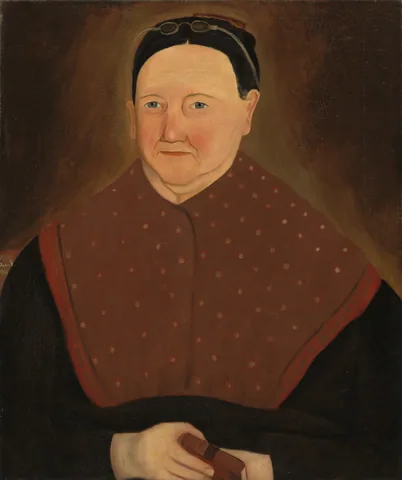
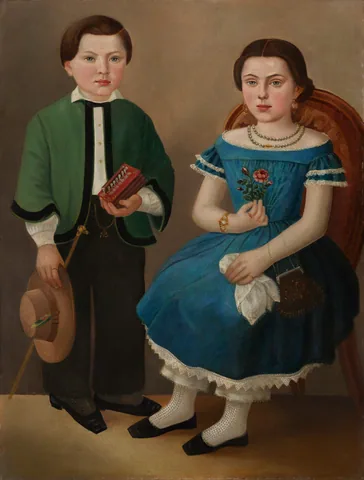
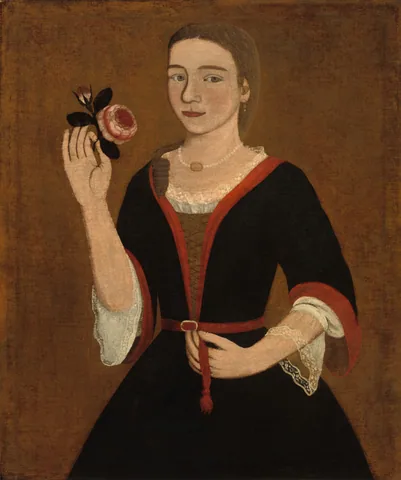
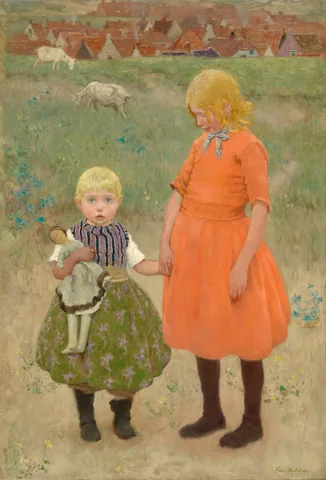





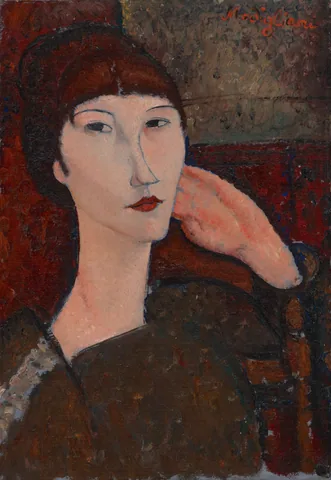
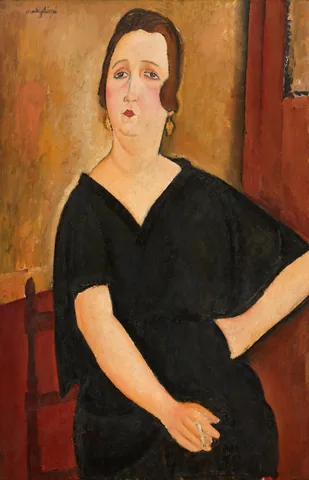
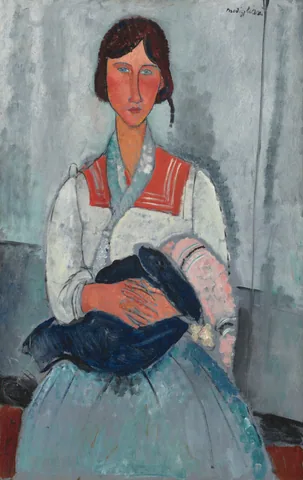

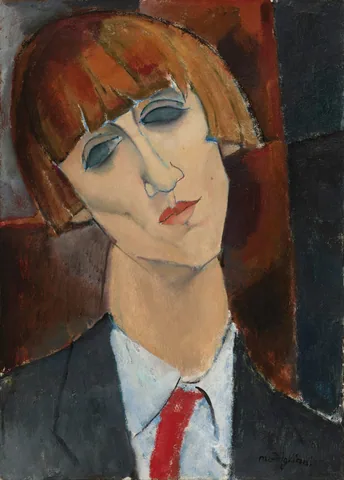
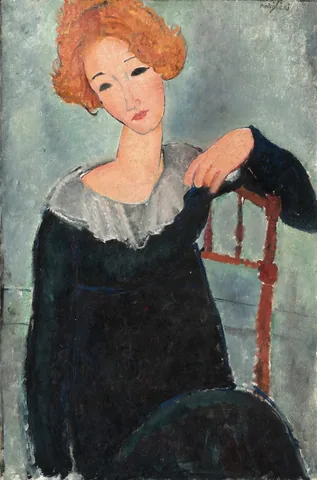
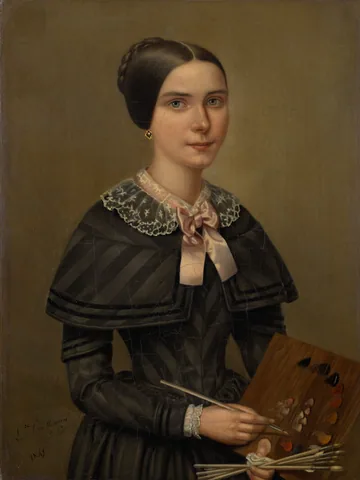
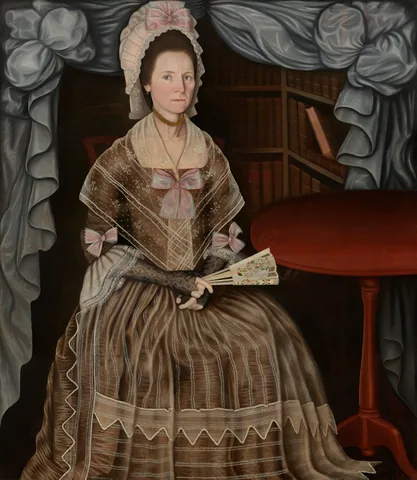

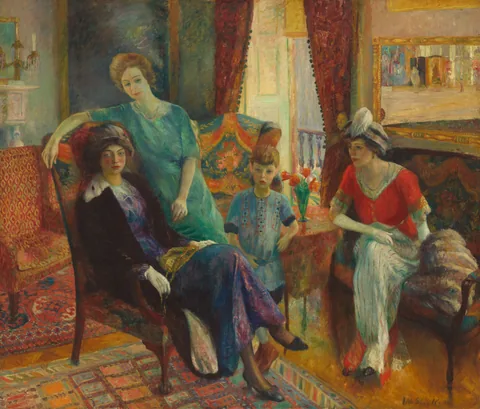

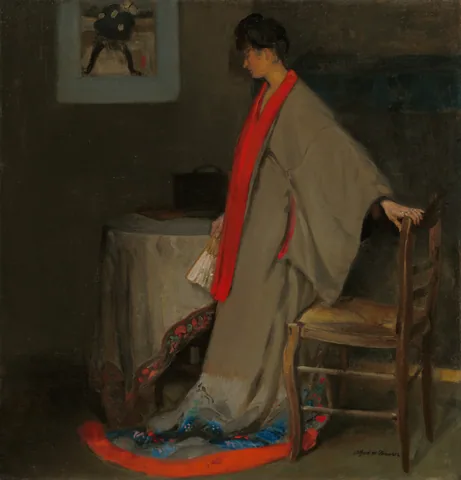

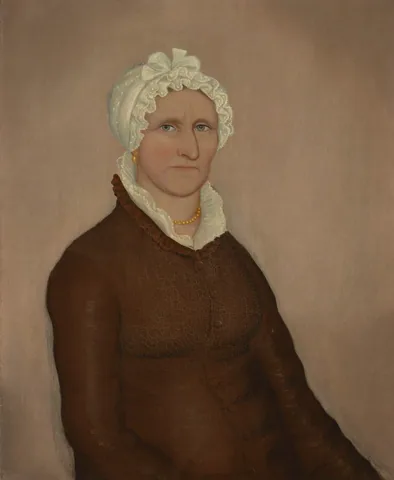
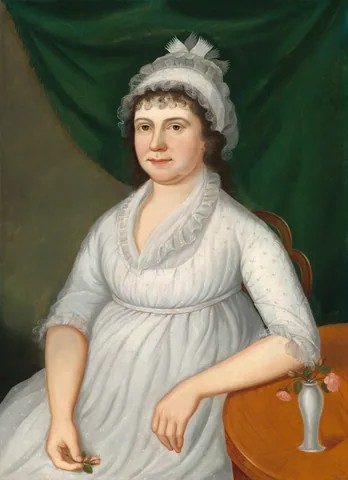

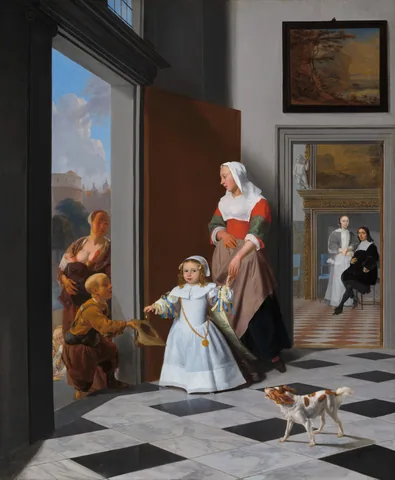
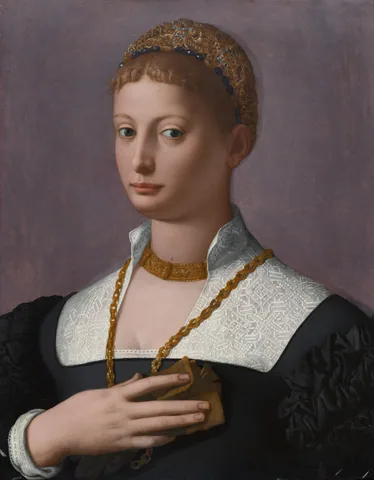
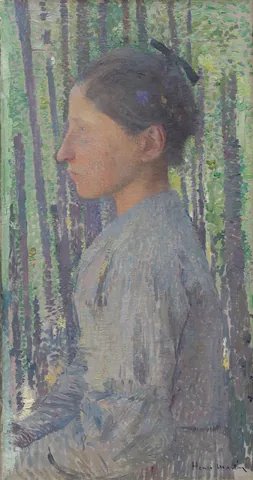

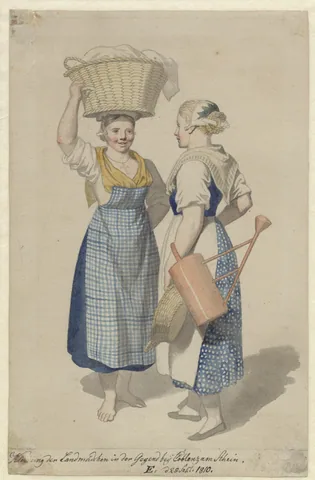
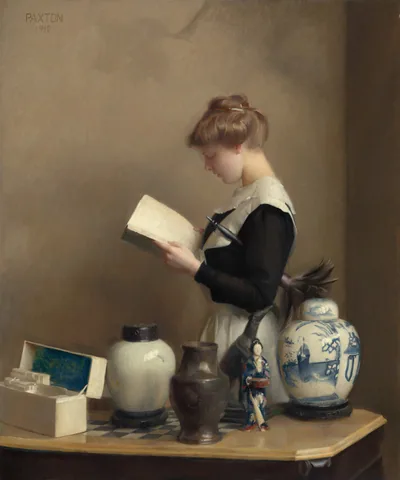
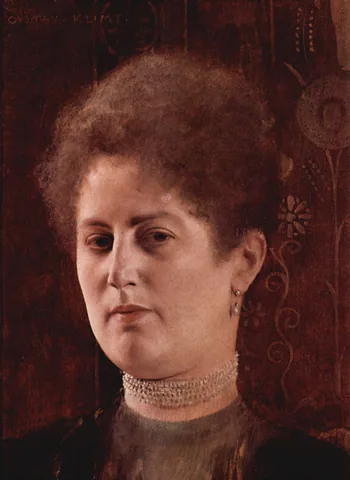
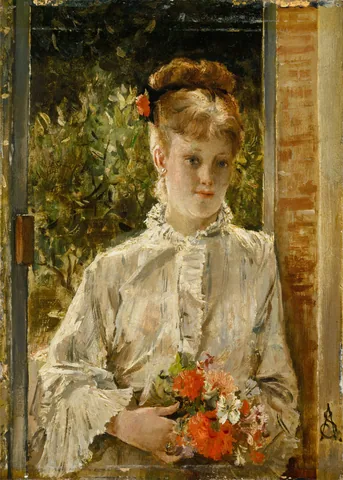

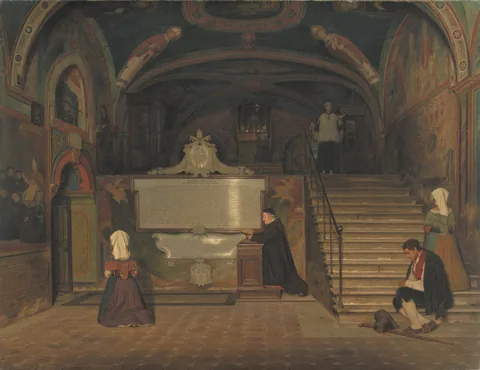
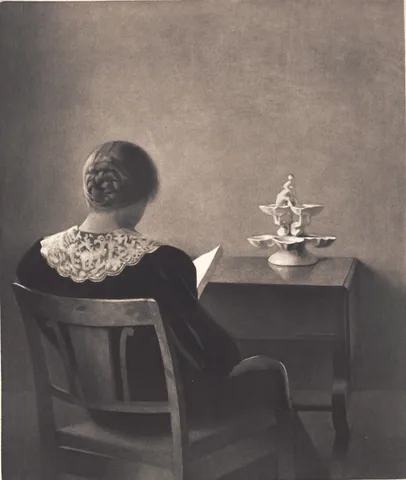
Johannes Vermeer painted the inside of ordinary Dutch homes. Almost all his pictures seem to be set in two small rooms of his house in Delft, often with the same furniture and the same women, and he is admired above all for his light. He worked slowly, with costly pigments, and only 34 paintings are universally accepted as his. Girl with a Pearl Earring has hung in the Mauritshuis in The Hague since 1902, and The Milkmaid is here as well. Pieter de Hooch, a fellow member of the Delft painters' guild, painted rooms seen through an open door, as in Mother Lacing Her Bodice beside a Cradle, where a doorway at the back opens onto daylight.
John Singer Sargent has dozens of portraits here. His Madame X caused a scandal at the Paris Salon of 1884, and after the outcry he repainted the strap that had slipped from her shoulder. Gainsborough brings the sitters of 18th-century England, Leonardo's Lady with an Ermine reaches back to about 1490, and Klimt's The Kiss, oil with gold leaf, silver and platinum, was painted in Vienna in 1907 and 1908. Whistler's Mother, properly Arrangement in Grey and Black No. 1, is here, and so are the hushed gray rooms of the Danish painter Vilhelm Hammershøi, as in Interior in Strandgade, Sunlight on the Floor.
A portrait is the one kind of picture that looks back, so hang it at eye level, with its center about 57 to 60 inches from the floor, and let two portraits face each other across a doorway or a bed. A single Vermeer or Hammershøi suits a bedroom, a reading corner or a hallway, framed with a mat in slim black or gold. Their soft light holds up well on smooth cotton paper, which keeps dark backgrounds deep. Our guide to how high to hang art covers the awkward walls.
Most hang in museums: Girl with a Pearl Earring in the Mauritshuis in The Hague, The Milkmaid in the Rijksmuseum in Amsterdam, Madame X in the Metropolitan Museum of Art in New York, The Kiss in the Belvedere in Vienna and Whistler's Mother in the Musée d'Orsay in Paris. Each listing names the museum or archive the image comes from. We are not affiliated with or endorsed by any of them.
Nobody knows, and she may not be a portrait at all. The painting is a tronie, the Dutch 17th-century word for a study of a head that was not meant as a portrait of a particular person. Vermeer painted it around 1665 and signed it but did not date it. The old guess that the model was his eldest daughter, Maria, is widely dismissed. Our guide to the painting has more.
Older portraits, from Leonardo to Gainsborough, look right in gold, or in black edged with gold, and the wider Plein Air or Concerto frames give them a gallery feel. Later and quieter pictures, by Whistler or Hammershøi, suit a slim black, white or natural oak frame with a wide off-white mat. Sargent's portraits sit comfortably in either.
Sources: Wikipedia: Johannes Vermeer; Wikipedia: Girl with a Pearl Earring; Wikipedia: The Milkmaid (Vermeer); Wikipedia: Pieter de Hooch; Wikipedia: Portrait of Madame X; Wikipedia: Lady with an Ermine; Wikipedia: The Kiss (Klimt); Wikipedia: Whistler's Mother; Wikipedia: Vilhelm Hammershøi
