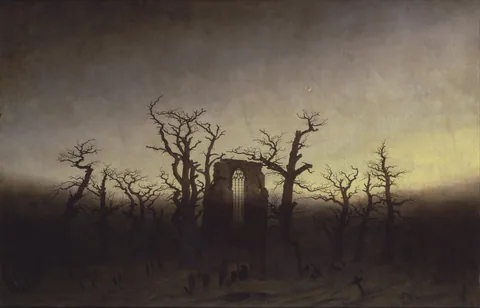
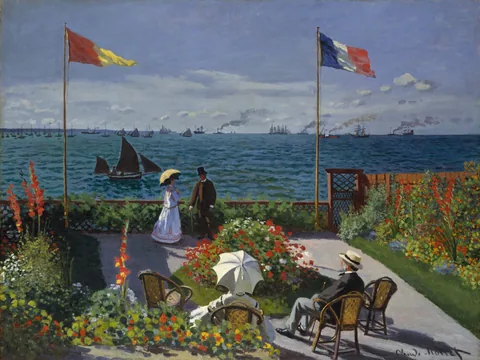
Biggest sale yet: 30% off canvas, 25% off framed and posters, 15% off everything else, at checkout through Nov 30.
Fields, forests, rivers and mountains, from the Dutch Golden Age to the Hudson River School and the Barbizon painters.
3,199 artworks · page 19 of 67
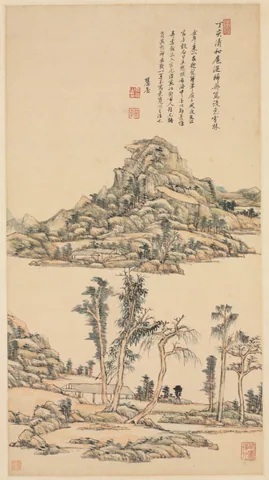
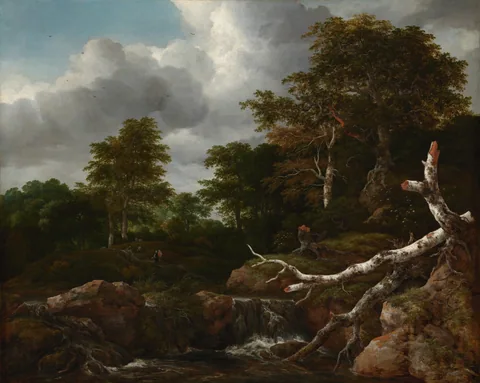
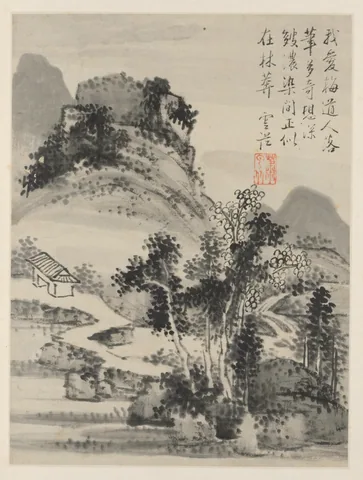
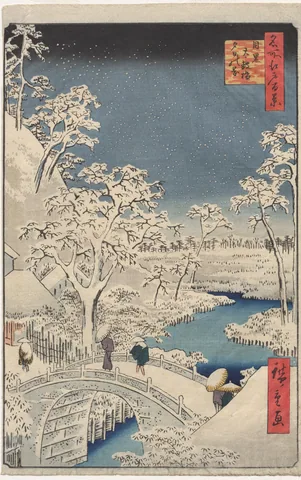
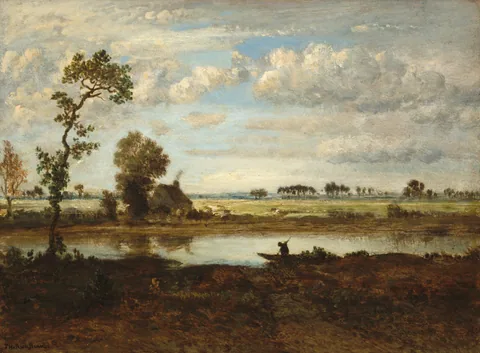
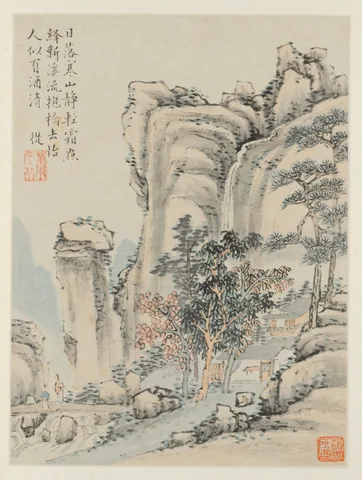
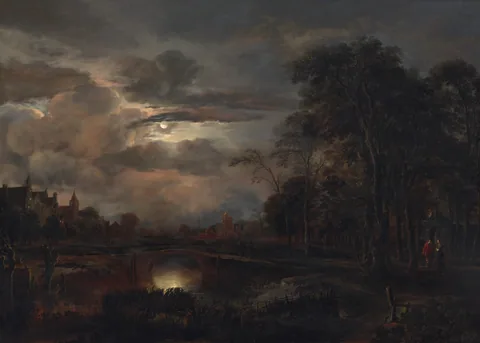
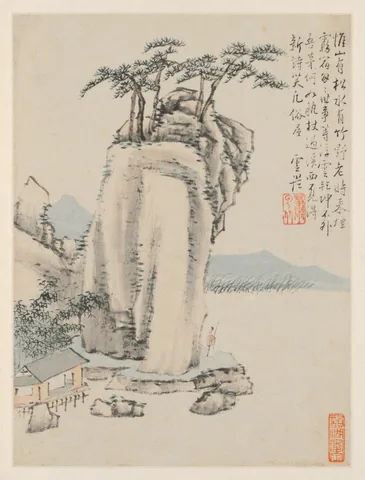
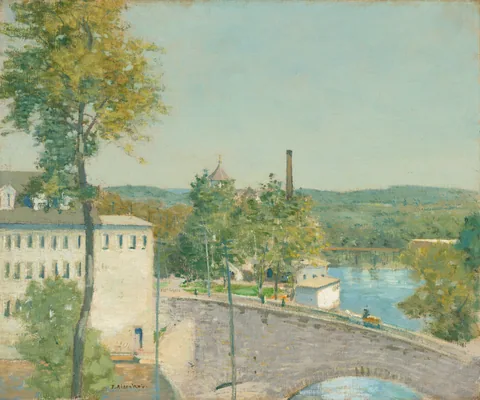
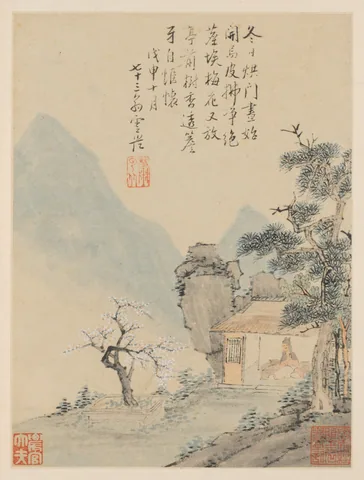
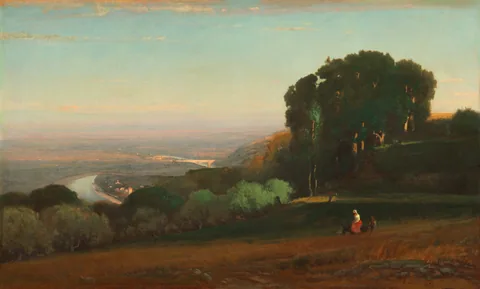
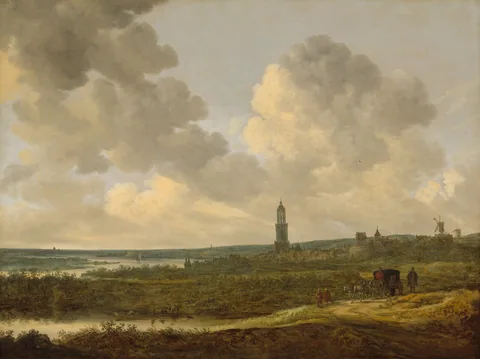
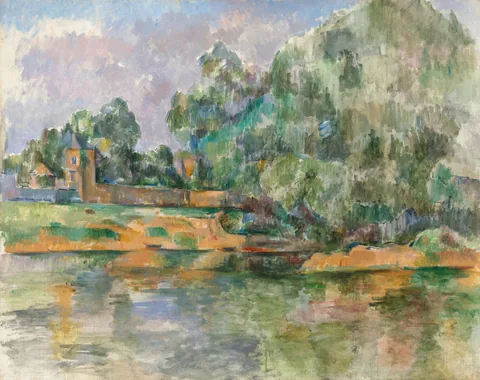
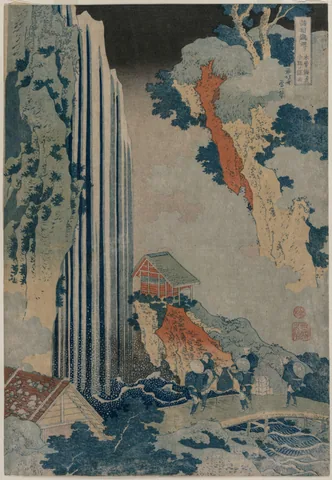
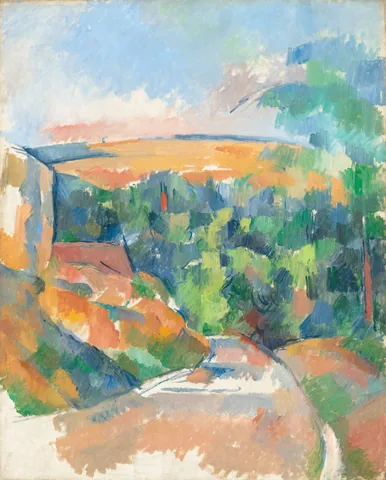
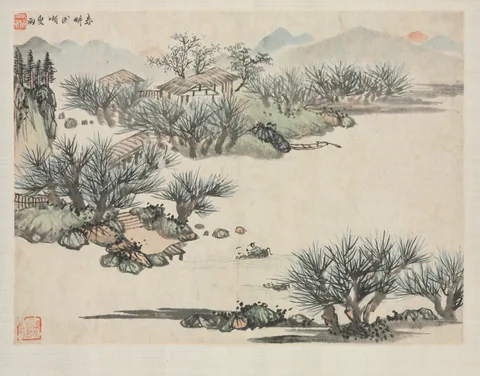
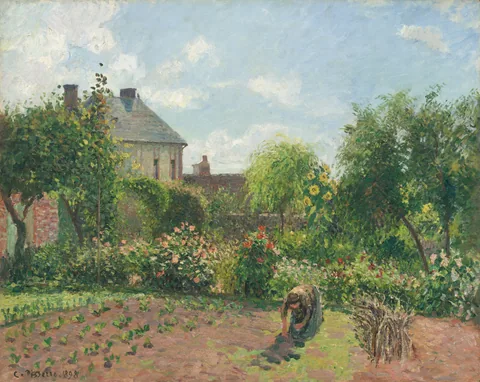
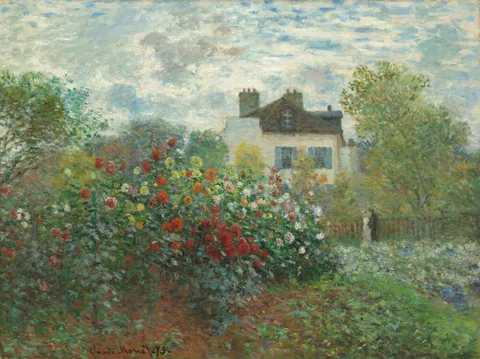
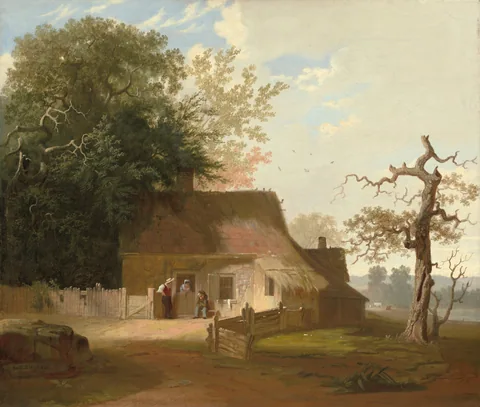
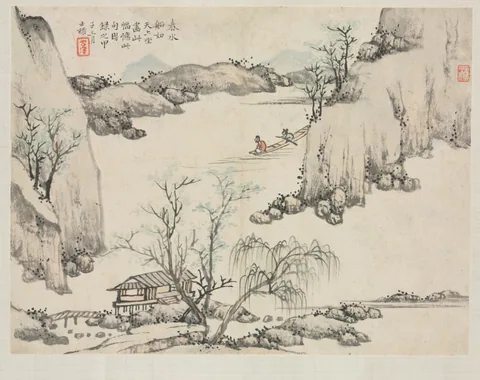
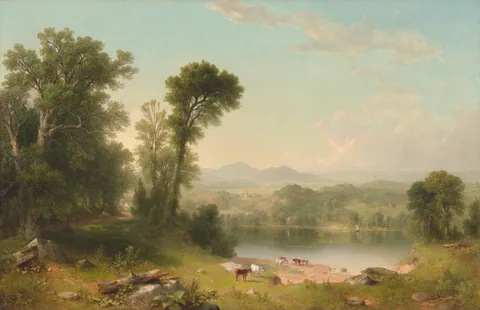
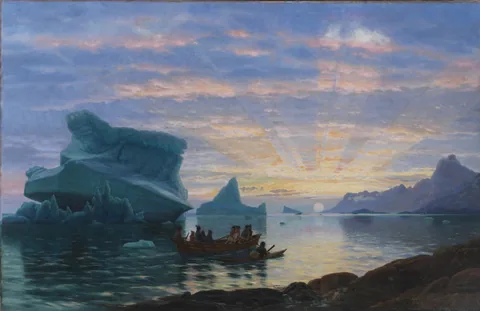
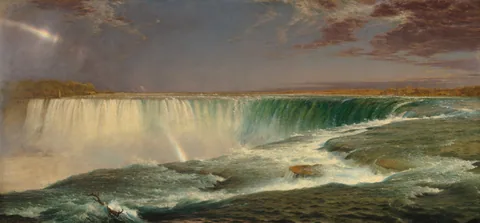
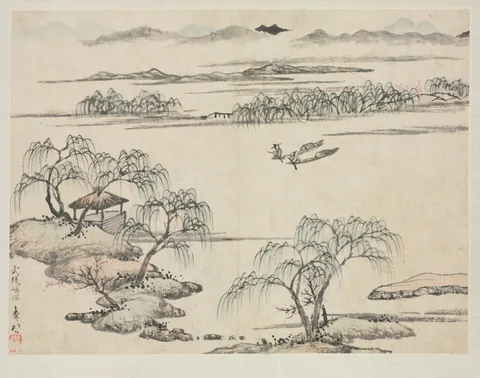
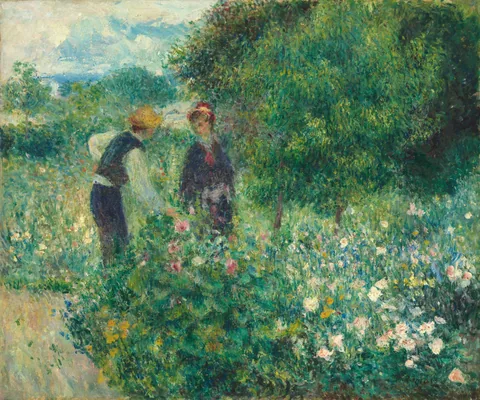
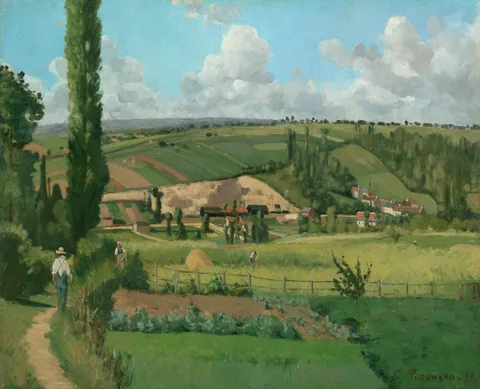
For centuries landscape was the backdrop to something else. Claude Lorrain, working in Rome in the 1600s, was one of the earliest major artists to make it the subject, keeping just a few small figures from the Bible or classical myth and bringing the sun itself into the sky. In the Dutch Republic, Jacob van Ruisdael, generally considered the leading landscape painter of the Golden Age, painted forests, rivers and Scandinavian waterfalls he never saw, and in his later views the sky often fills two-thirds of the canvas. His views of Haarlem and its bleaching grounds, a kind of picture called Haerlempjes, are often dominated by the church of Saint Bavo, as in View of Bleaching Fields and Haarlem.
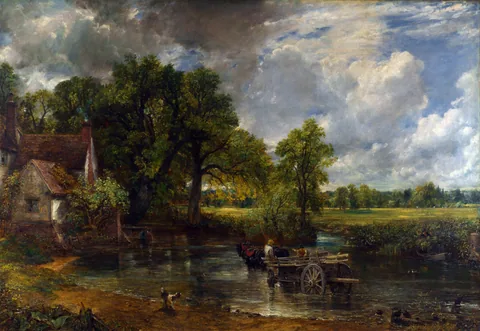
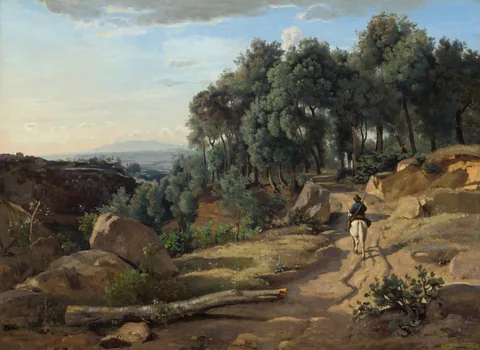
Around 1800 the Romantics turned landscape into feeling. John Constable painted the farmland along the River Stour, on the border of Suffolk and Essex, as in The Hay Wain. J. M. W. Turner chased storms, fog and sunlight. Caspar David Friedrich set a lone figure against mist and peaks in Wanderer above the Sea of Fog. In France the Barbizon painters worked in the forest of Fontainebleau, and Jean-Baptiste-Camille Corot linked the classical tradition to the open-air painting of the Impressionists, as in The Bridge at Narni. In America, Thomas Cole founded the Hudson River School; his View on the Catskill, Early Autumn is here.
A landscape opens a wall like a window, so give it width. Over a sofa or a bed, choose one wide piece about two-thirds the width of the furniture, or a matched pair. Broad skies and open water look natural on gallery-wrapped canvas, while finely detailed Dutch and Hudson River pictures repay a framed print with a mat, in gold, espresso or black and gold. Our guides to what size art goes over a sofa and what to hang over a bed have the measurements.
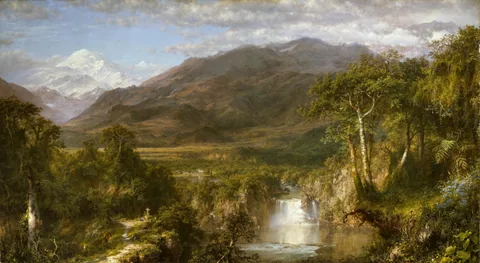
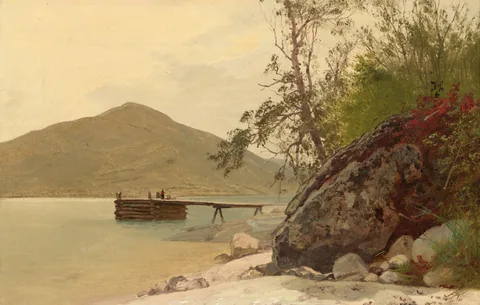
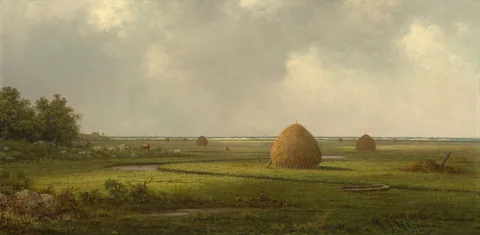
A group of American landscape painters of the mid-1800s, influenced by Romanticism. Thomas Cole founded it, and its first paintings showed the Hudson River Valley and the Catskill, Adirondack and White Mountains. Later painters such as Frederic Edwin Church and Albert Bierstadt carried it to the American West and South America. More of their work is in American Scenes.
Canvas has the texture of a painting and nothing in front of it, and it looks strong at large sizes, which suits broad skies and seascapes. A framed print gives a detailed landscape a finished, traditional edge, and the mat adds room around it. Framed canvas sets a stretched canvas inside a floating or traditional frame if you want both. Our framed print or canvas guide compares them side by side.
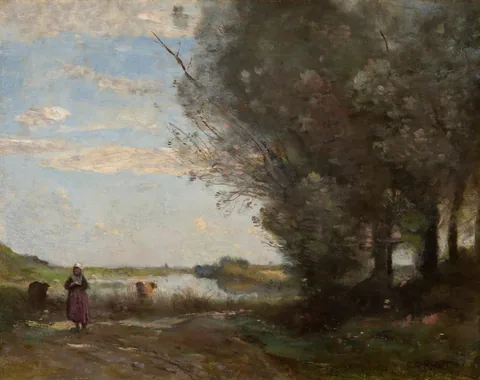
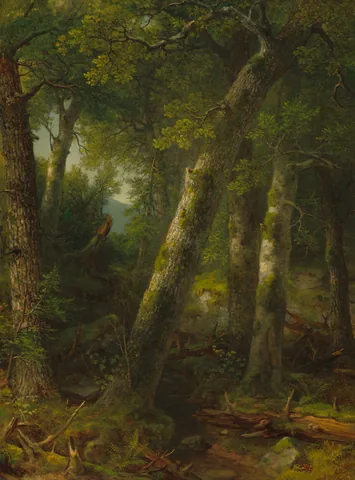
Light, open pictures with a low horizon and plenty of sky make a small room feel larger: Corot's soft river views, Dutch flatlands under big clouds, Pissarro's fields. Darker forests and storm scenes add depth to a large wall or a study and look richer with a lamp nearby. For more of those, browse Moody Landscapes.
Sources: Wikipedia: Claude Lorrain; Wikipedia: Jacob van Ruisdael; Wikipedia: The Hay Wain; Wikipedia: J. M. W. Turner; Wikipedia: Wanderer above the Sea of Fog; Wikipedia: Barbizon school; Wikipedia: Jean-Baptiste-Camille Corot; Wikipedia: Thomas Cole; Wikipedia: Hudson River School