Biggest sale yet: 30% off canvas, 25% off framed and posters, 15% off everything else, at checkout through Nov 30.
Dark skies, misty fields and evening light. Landscapes with weather and atmosphere, from the Dutch Golden Age to the Barbizon painters and the Hudson River School.
972 artworks · page 19 of 21
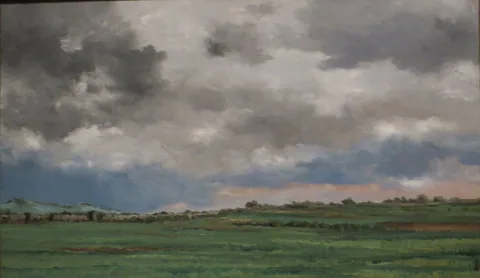
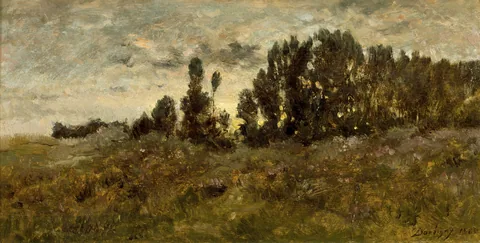
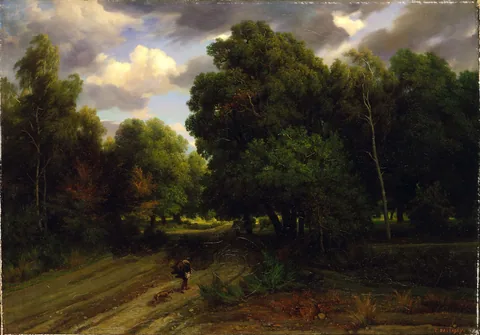
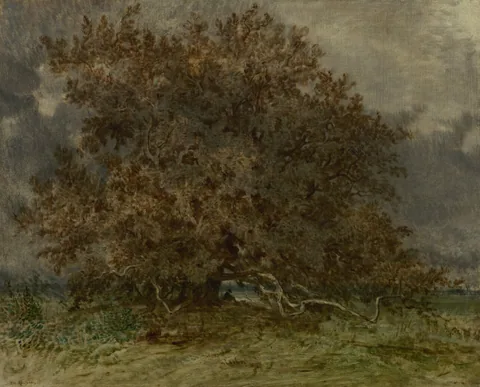
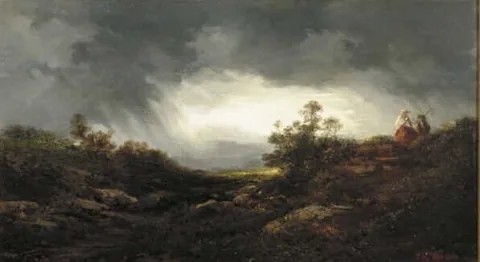
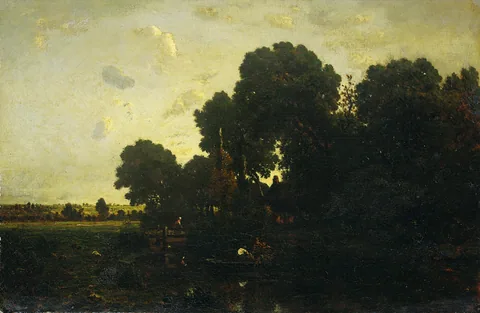
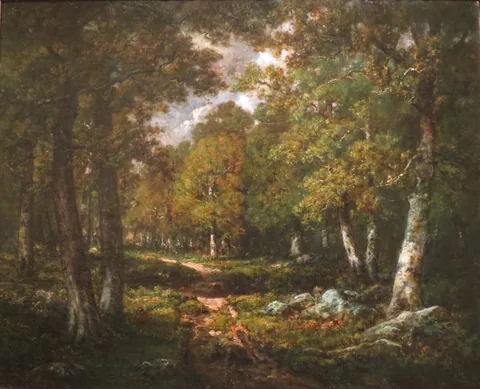
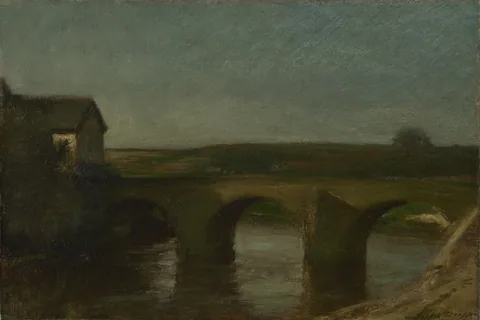
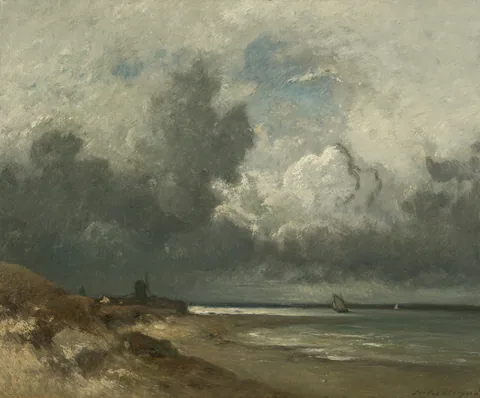
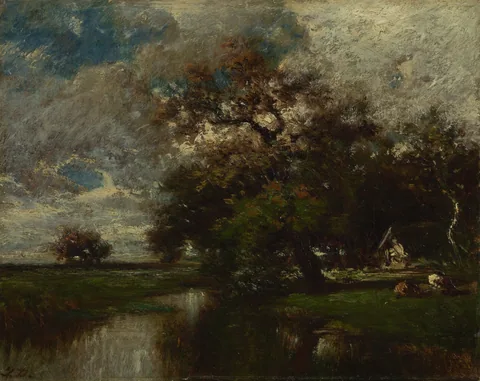
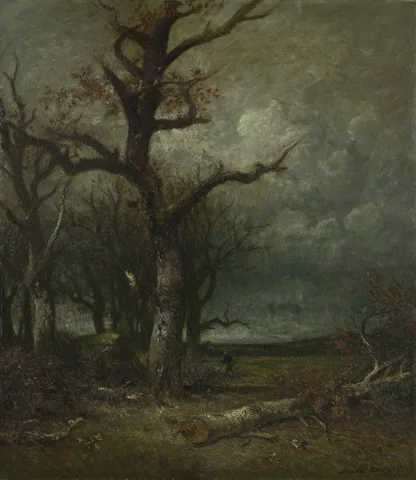
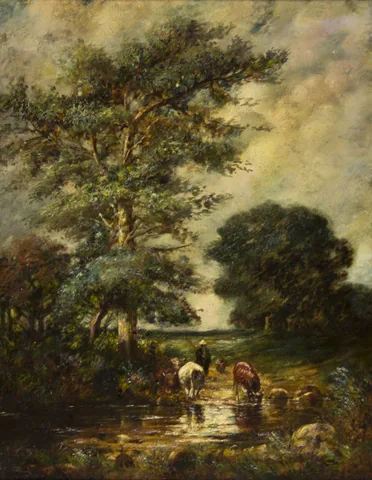
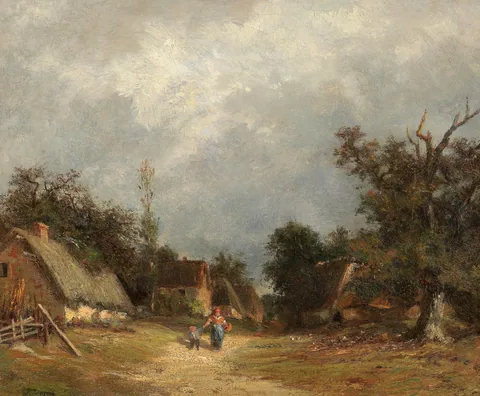
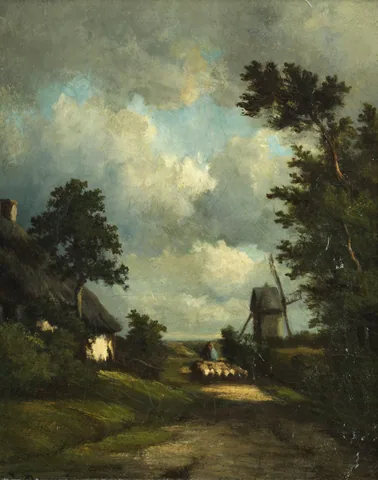
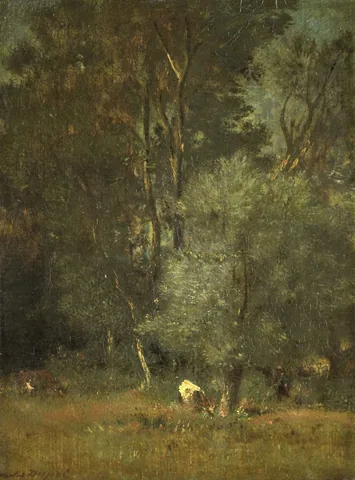
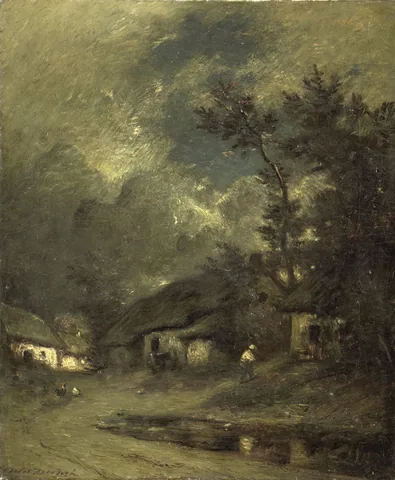
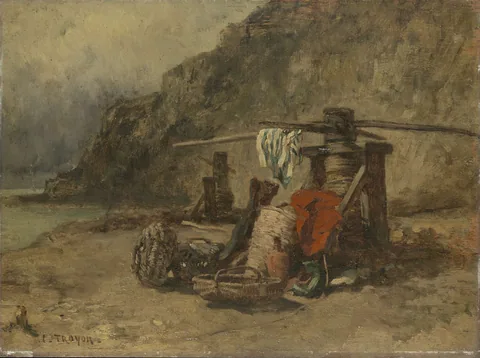
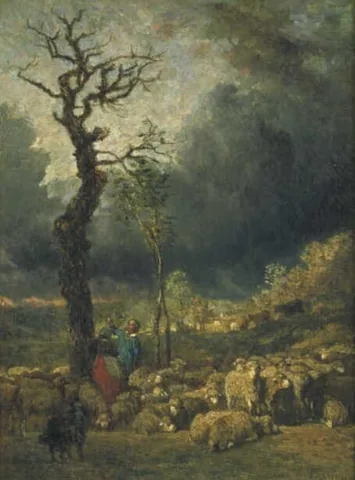
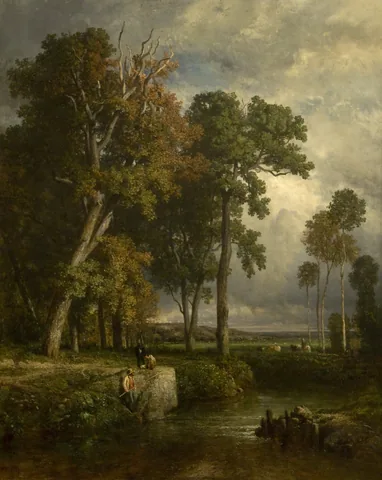
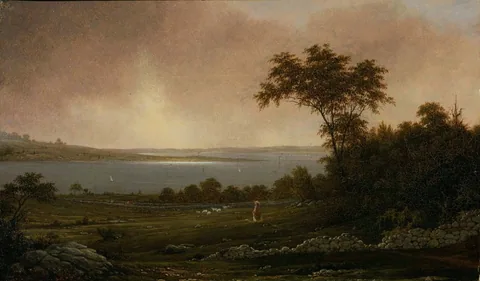
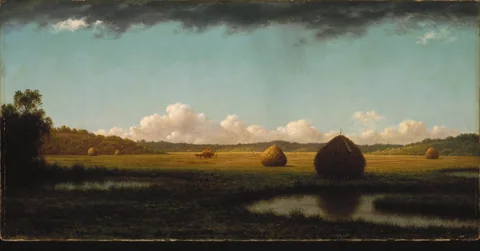
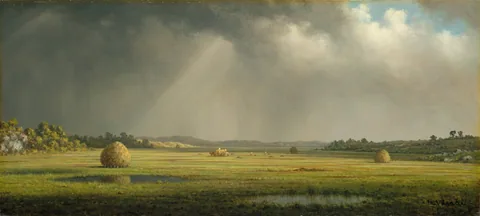
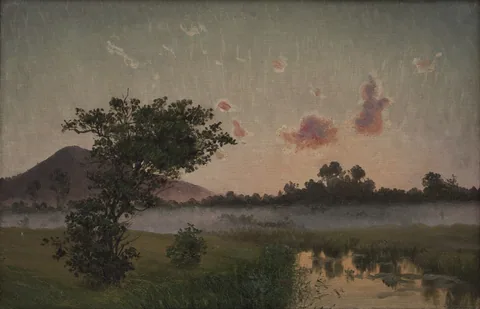
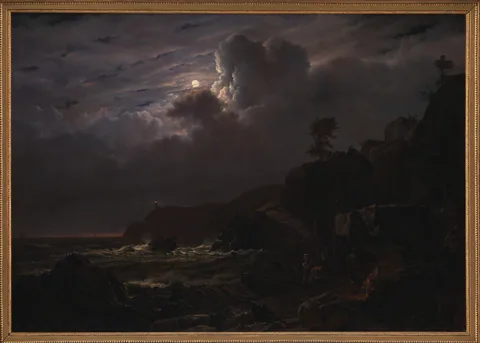
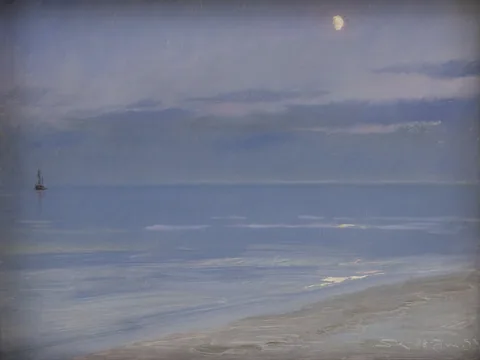
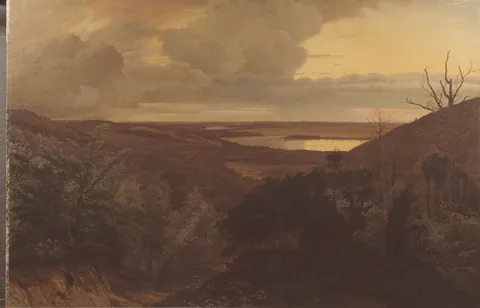
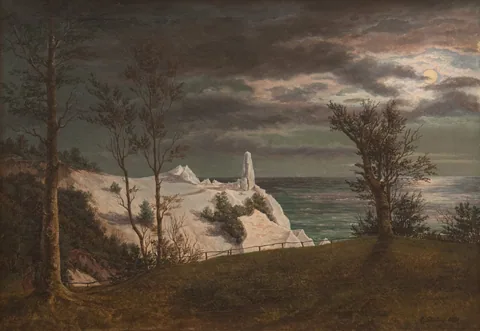
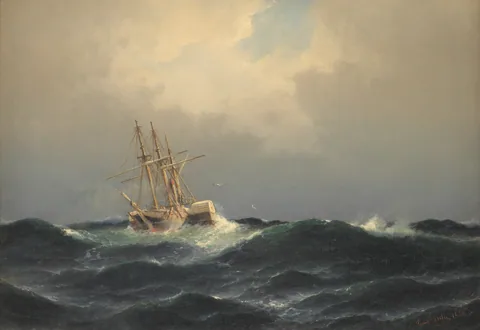
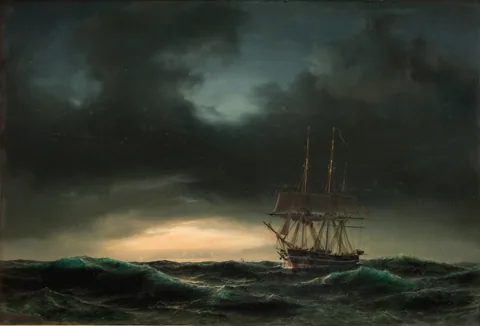
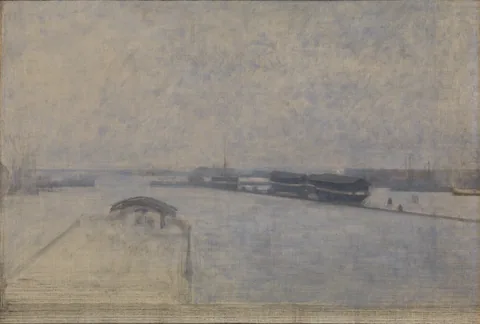
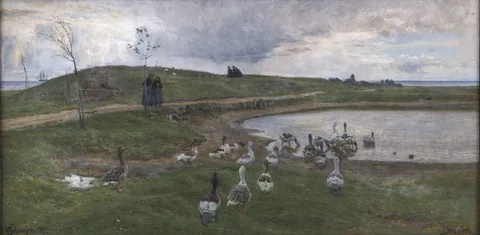
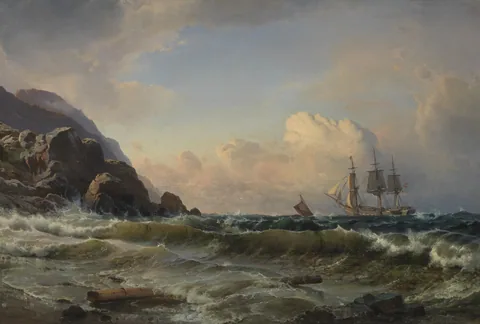
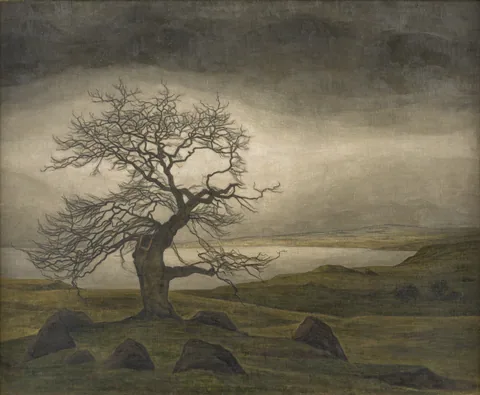
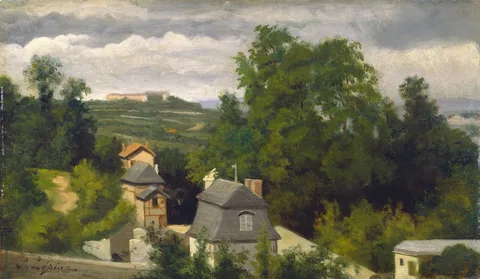
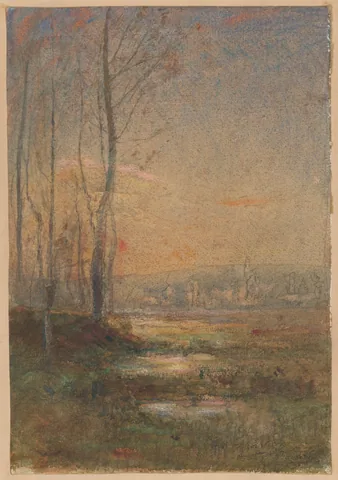
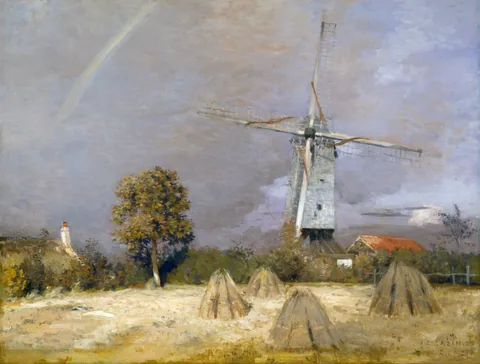
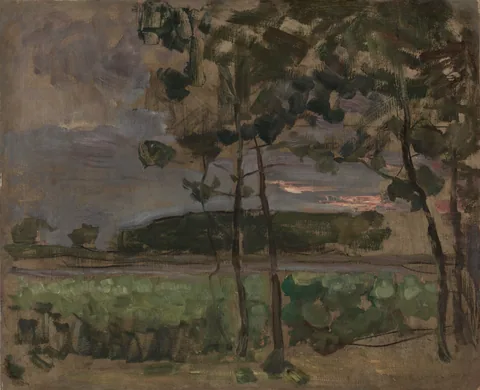
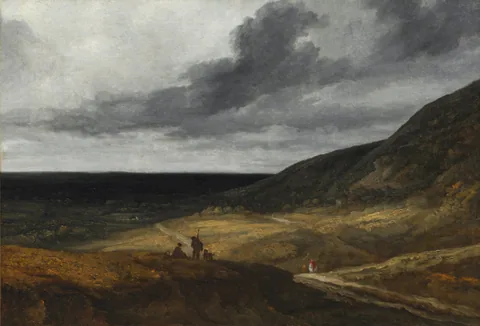
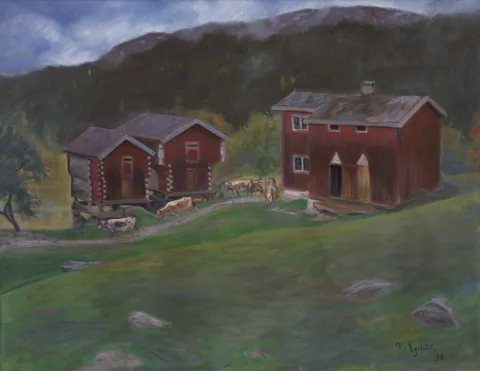
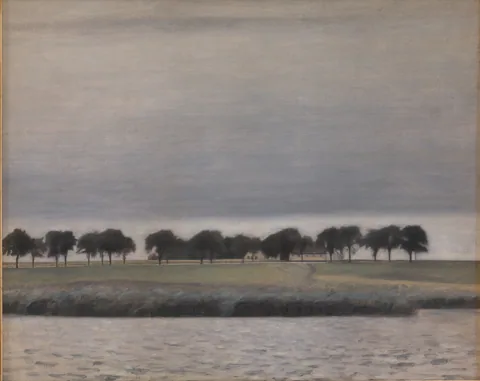
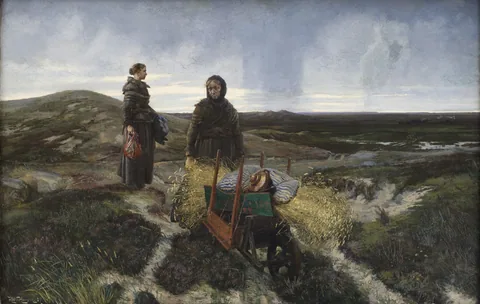
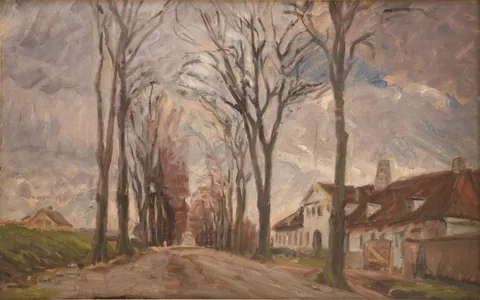
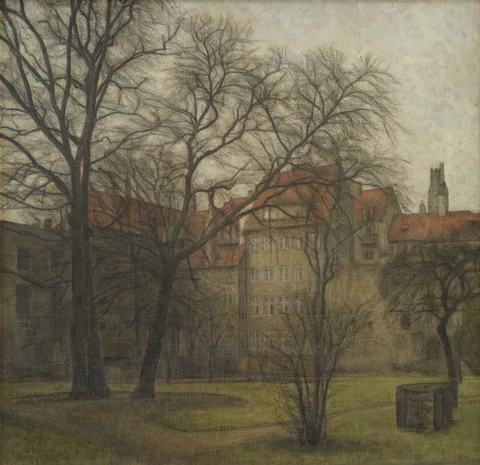
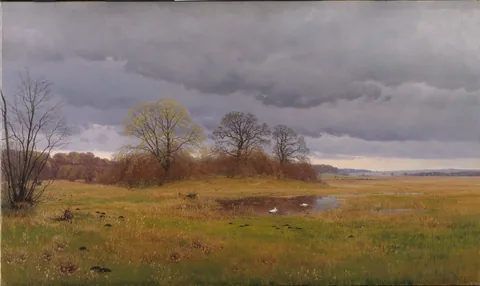
Not every landscape is sunny. This collection gathers pictures of weather and atmosphere: storm light, fog, dusk and moonlight. Jacob van Ruisdael, who has more pictures here than any other painter, gave the sky a large share of his canvases, and in The Jewish Cemetery he set the real tombs of the Portuguese-Jewish cemetery at Ouderkerk aan de Amstel among invented ruins, dead trees and a rushing stream, an allegory of hope and death. Aert van der Neer specialized in small night scenes lit by the moon, often looking down a canal or a river, as in River View by Moonlight.
The Romantics made mood the point. Caspar David Friedrich set quiet figures against night skies, morning mist and bare trees, as in Man and Woman Contemplating the Moon, and J. M. W. Turner painted rain, steam and a speeding train in Rain, Steam and Speed: The Great Western Railway. James McNeill Whistler gave his paintings musical titles, arrangements, harmonies and nocturnes, as in Nocturne: Blue and Silver, Chelsea. George Inness worked for mood over detail, often under a gathering or passing storm, as in The Coming Storm. Van Gogh's Wheatfield with Crows, painted in July 1890, is cited by several critics as one of his greatest works.
Dark pictures need light around them. Hang them on a pale wall, or where a lamp or a window falls across them, and give them a wide mat in off-white or antique white so the darks have an edge to sit against. Smooth cotton paper keeps deep shadows rich, while glossy papers pick up reflections of windows and lamps. One large moody landscape over a bed or a sofa can set the tone of a whole room.
Dark paintings are where paper matters most. Our default, smooth cotton paper printed with pigment inks, keeps fine detail crisp and darks deep. Clear acrylic in front can pick up reflections in a bright room, so if a dark piece hangs opposite a window, consider a framed print with no glazing, or canvas in the matte finish, which has no shine at all and so no glare.
Ruisdael painted it in two versions, now in Detroit and Dresden. The tombs are those of Beth Haim, the Portuguese-Jewish cemetery at Ouderkerk aan de Amstel, south of Amsterdam, but the ruins, the hills and the stream are his own additions. Crumbling stone and dead trees speak of mortality, while running water and light breaking through the clouds suggest renewal.
Listings show each piece to scale in a sample room and in See it in 3D, and Up close shows real photos of the frame, mat, paper and canvas edge you choose. Colors vary from screen to screen, so a print can differ slightly from what you see. If you are unsure about a dark piece, write to us before you order and we will help you choose.
Sources: Wikipedia: Jacob van Ruisdael; Wikipedia: The Jewish Cemetery; Wikipedia: Aert van der Neer; Wikipedia: Caspar David Friedrich; Wikipedia: Rain, Steam and Speed, The Great Western Railway; Wikipedia: James McNeill Whistler; Wikipedia: George Inness; Wikipedia: Wheatfield with Crows
