Biggest sale yet: 30% off canvas, 25% off framed and posters, 15% off everything else, at checkout through Nov 30.
Woodblock prints by Hokusai, Hiroshige and Utamaro, with ink paintings, hanging scrolls and folding screens: Mount Fuji, waves, cherry blossoms and the people of old Japan.
537 artworks · page 7 of 12
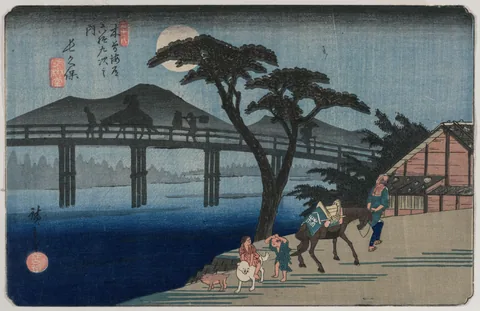
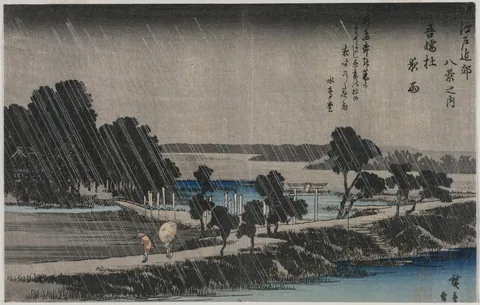
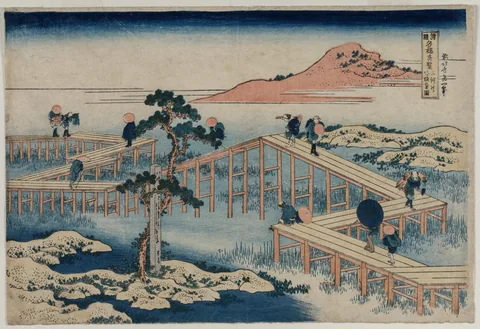
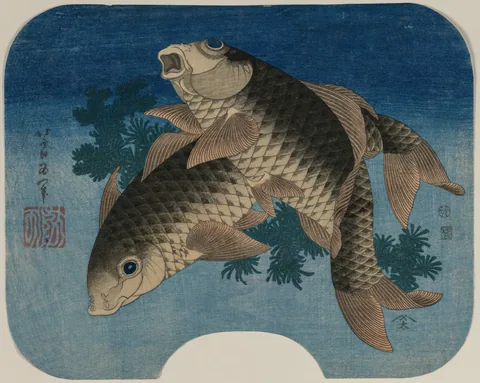
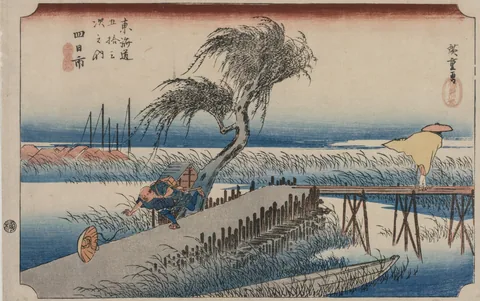
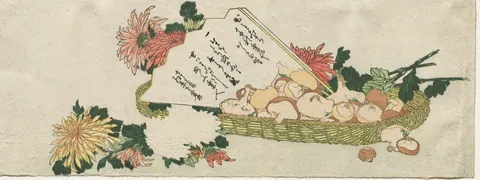
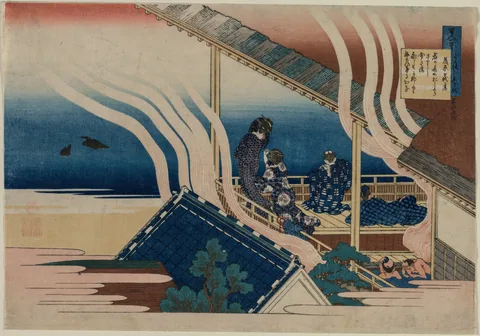
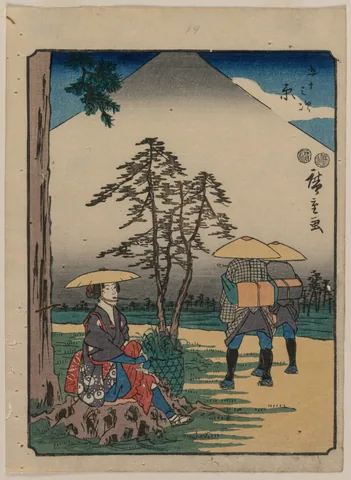
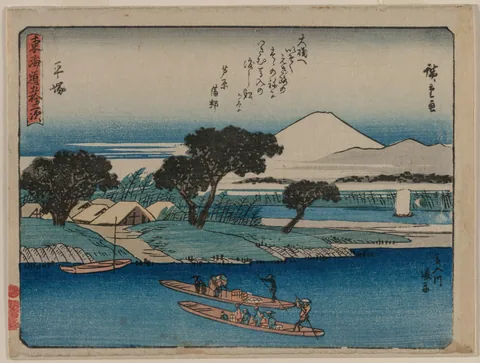
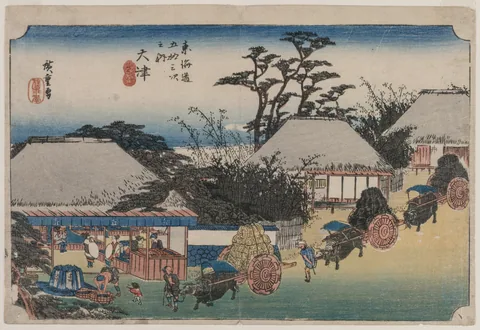
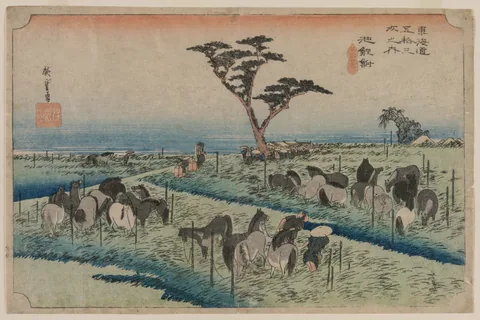
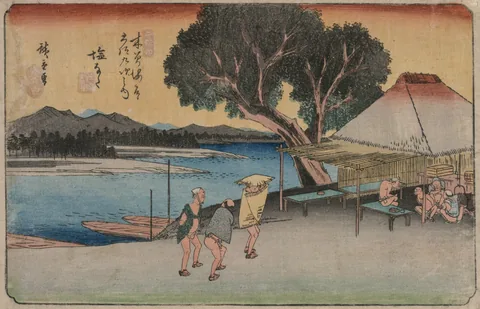
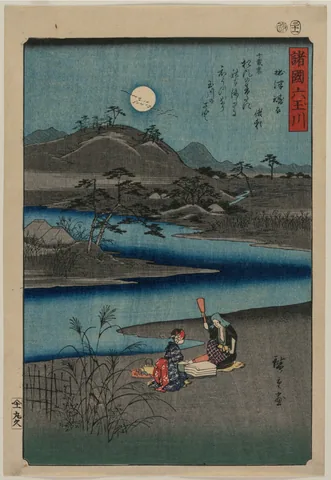
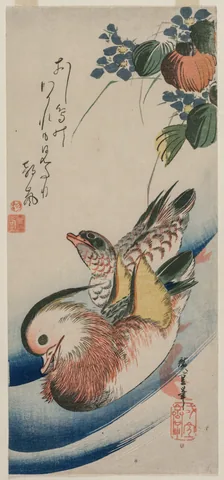
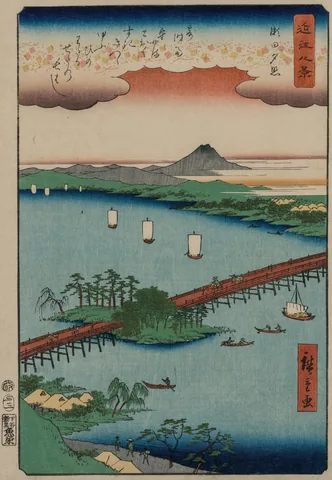
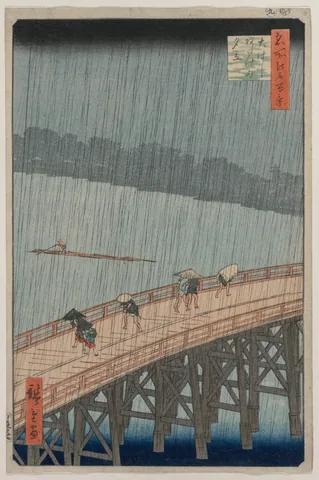
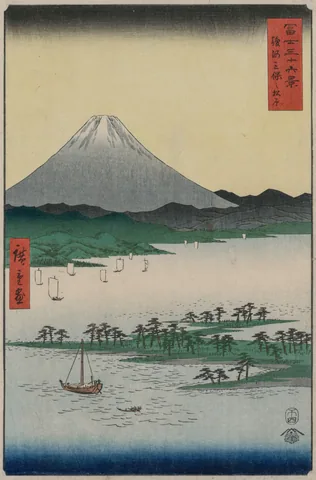
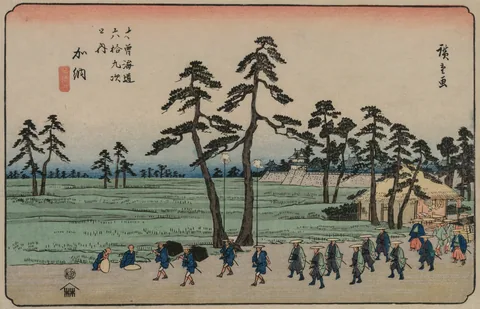
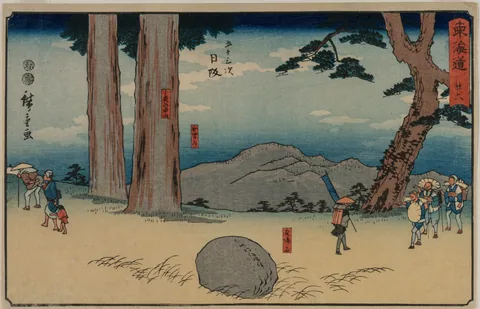
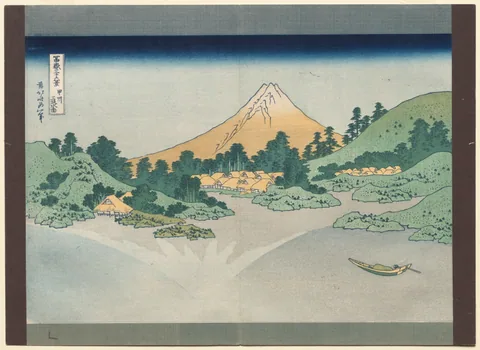
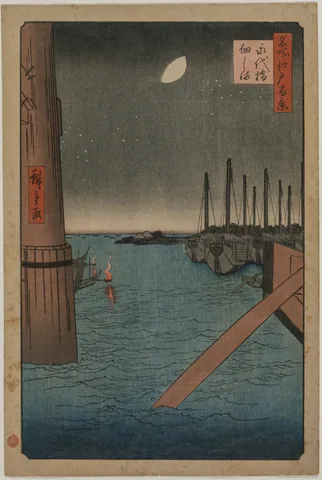
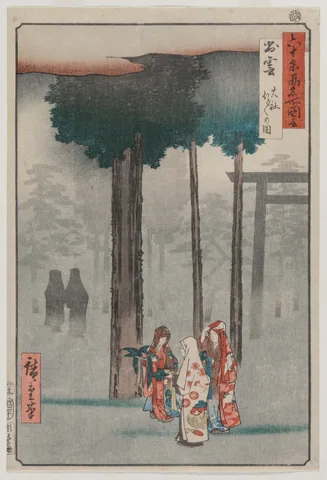
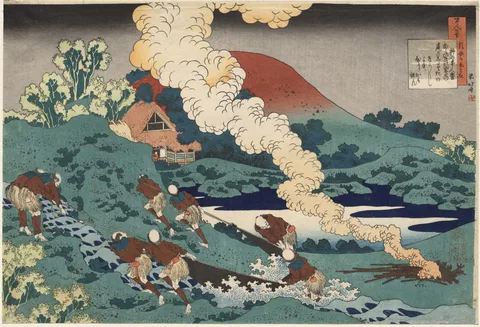
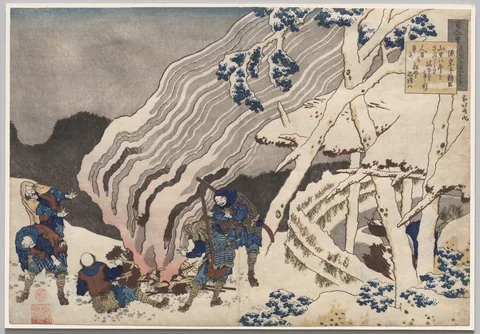
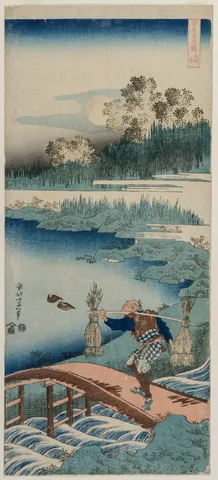
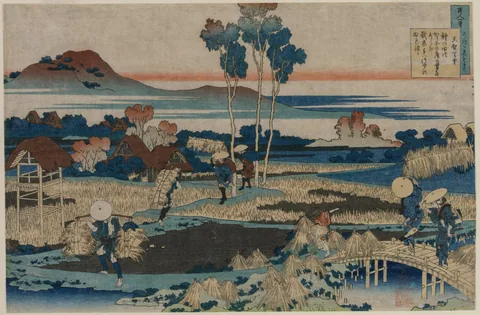
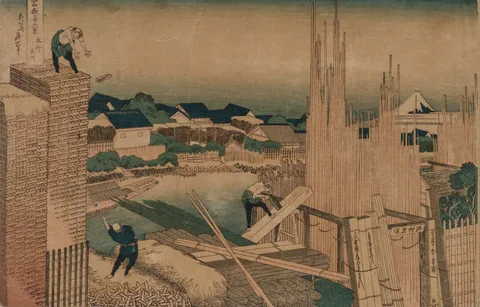
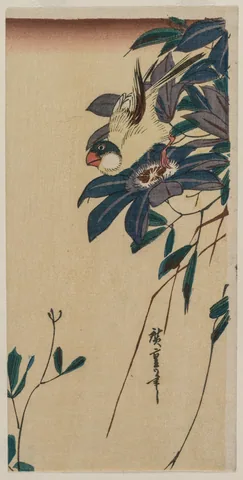
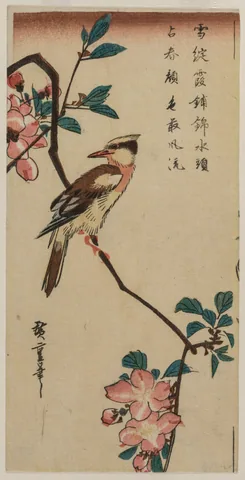
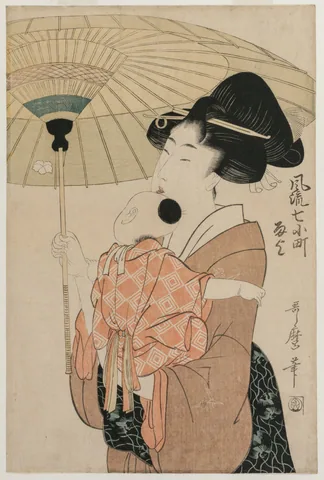
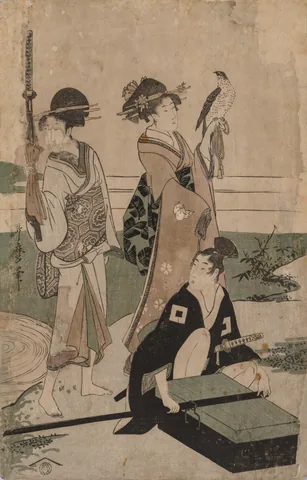
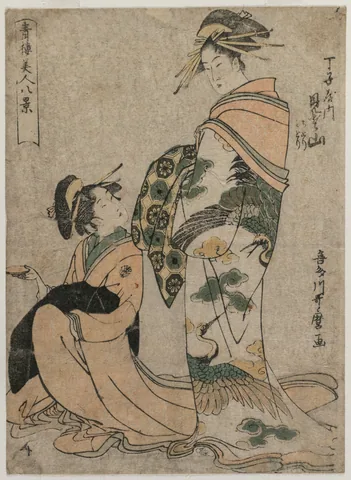
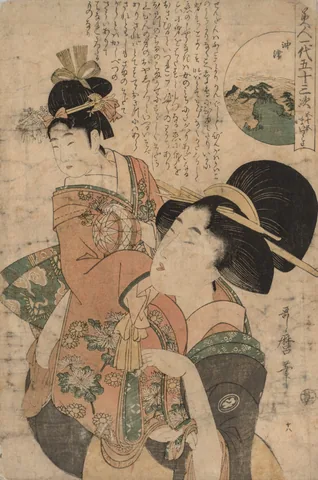
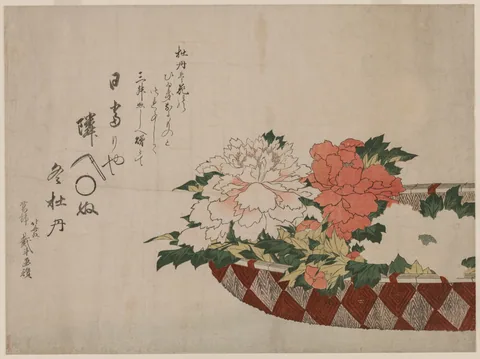
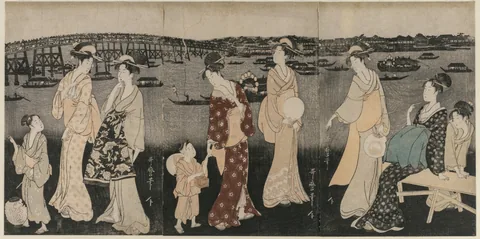
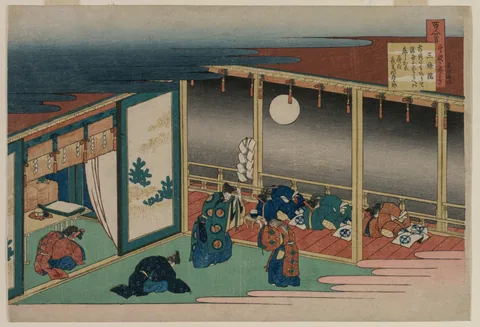
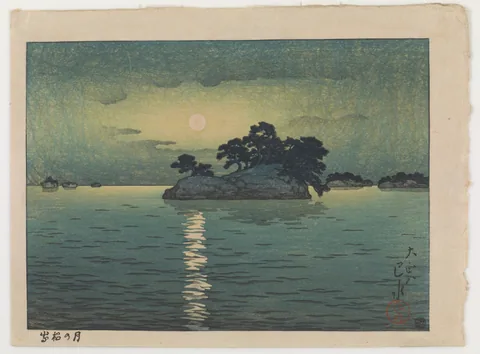
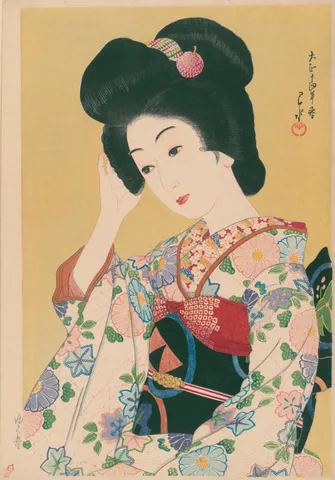
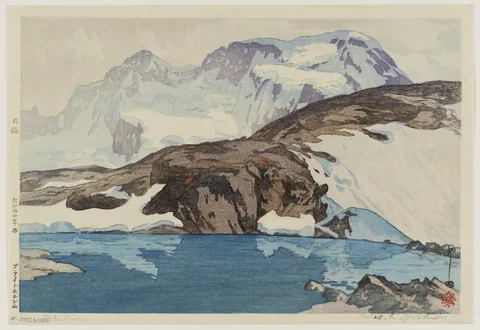
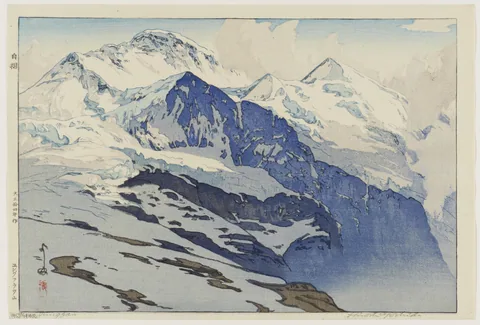
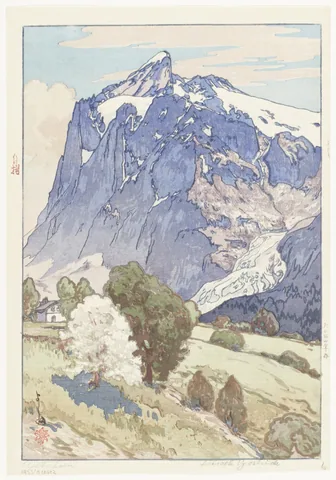
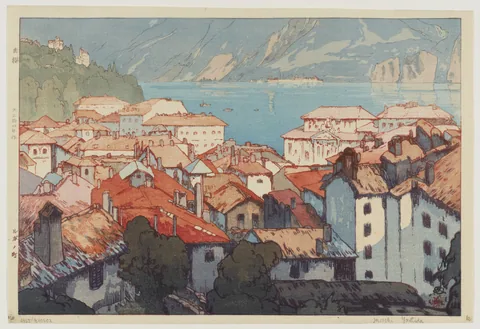
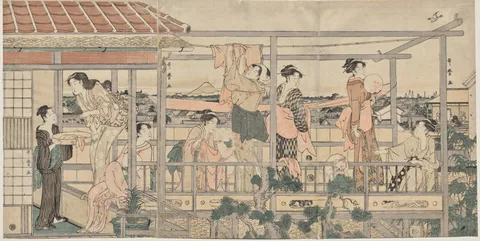
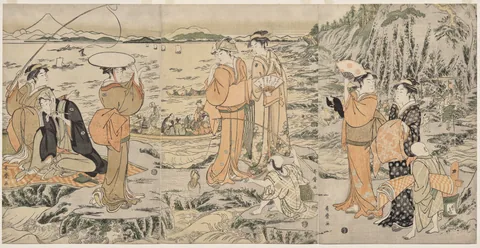
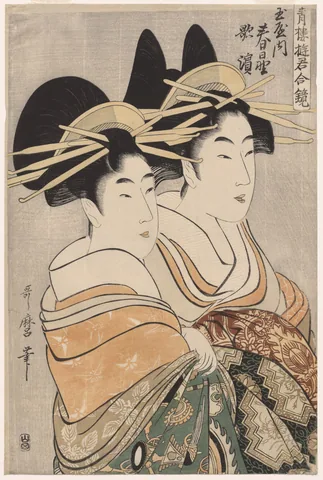
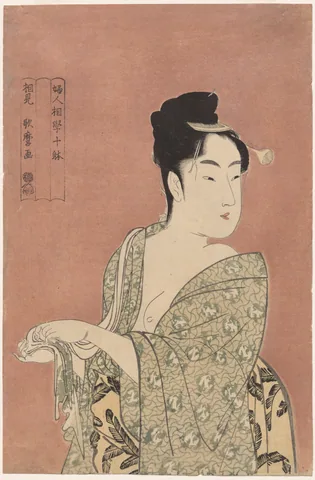
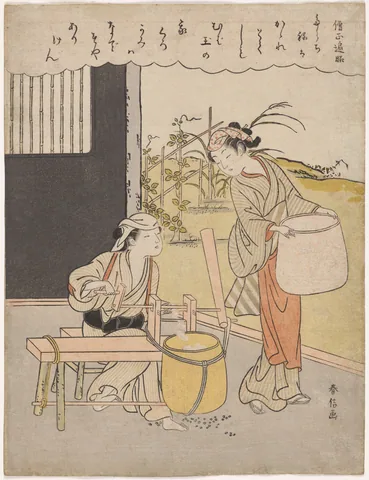
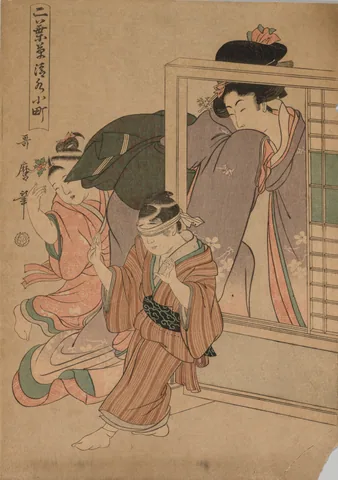
Ukiyo-e means pictures of the floating world. These prints were made in Edo, now Tokyo, from the 1600s through the 1800s, for merchants and craftsmen who had grown rich enough to buy pictures for their homes, and they showed actors, beauties, folk tales, travel scenes, birds and flowers. Suzuki Harunobu made the first full-color prints in 1765, and in the 1790s Kitagawa Utamaro became famous for close-up portraits of women.
Landscape came later, with Katsushika Hokusai. He was about seventy when he made Thirty-six Views of Mount Fuji, around 1830 to 1832, among the first Japanese prints to use the imported pigment Prussian blue. The Great Wave off Kanagawa and Fine Wind, Clear Morning, the Red Fuji, both come from that series, and the original sheet of the Wave is only about 10 by 15 inches. Utagawa Hiroshige, who has more prints here than anyone, followed with softer series full of rain, snow and dusk, along the Tōkaidō road and around Edo; Van Gogh copied his Plum Park in Kameido in oil in 1887. Utagawa Kuniyoshi drew warriors and ghosts, as in Takiyasha the Witch and the Skeleton Spectre, and Yoshitoshi, often called the last great master of ukiyo-e, ended the century with One Hundred Aspects of the Moon. The newest prints here, from the early 1900s up to 1930, are shin-hanga, new prints that revived the old craft, by Kawase Hasui and Yoshida Hiroshi.
Hang them where you pass every day and can step close: a hallway, a landing, the wall beside a desk. Three or four from one series, framed alike and set in a row 2 to 3 inches apart, look planned rather than scattered. The Great Wave and the Red Fuji are strong enough to hang alone, larger than Hokusai ever printed them. The journal has a guide to The Great Wave and the story of why Hokusai painted Mount Fuji red.
No. They are reproductions, printed to order with pigment inks from high-resolution photographs of original prints, more than half of them from the Cleveland Museum of Art's open-access collection. They are open editions, not signed or numbered. What they keep is the design and the color of the original sheet as it was photographed, including the warm tone of its old paper.
Both made famous landscape series in the early 1830s. Hokusai, born in 1760, is bold and graphic: the wave, the mountain and the lightning are shapes as much as things. Hiroshige, born in 1797, is quieter and more poetic, with rain, snow, mist and dusk, and soft shifts of color in the sky. This collection has more Hiroshige than anyone else, with Hokusai second.
Yes. The Great Wave was printed on the standard large sheet, called ōban, about 10 by 15 inches, and many prints here share that size. Our sizes start at 12 inches on the long side and go up as far as each photograph allows, so you can hang one near its true size or well beyond it. Every size a listing offers is one its photograph can fill crisply.
Smooth cotton paper (Hot Press) keeps the carved lines and the flat areas of color crisp, and Somerset Velvet has a softer surface that suits the misty landscapes. Skip the glossy and metallic photo papers, whose shine works against the matte look of the original. A slim black or natural oak frame with an off-white or antique white mat finishes it. See our papers up close.
Sources: Wikipedia: Ukiyo-e; Wikipedia: Suzuki Harunobu; Wikipedia: Utamaro; Wikipedia: Hokusai; Wikipedia: Thirty-six Views of Mount Fuji; Wikipedia: The Great Wave off Kanagawa; Wikipedia: Hiroshige; Wikipedia: Plum Park in Kameido; Wikipedia: Takiyasha the Witch and the Skeleton Spectre; Wikipedia: Tsukioka Yoshitoshi; Wikipedia: Shin-hanga
